Bravo Cura
Celebrating José Cura--Singer, Conductor, Director
Operas: Tosca
Tosca
|
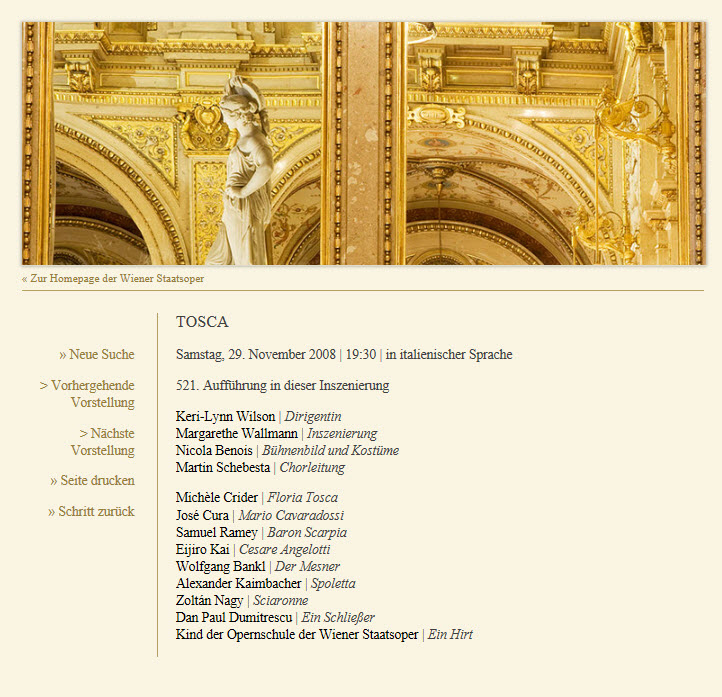
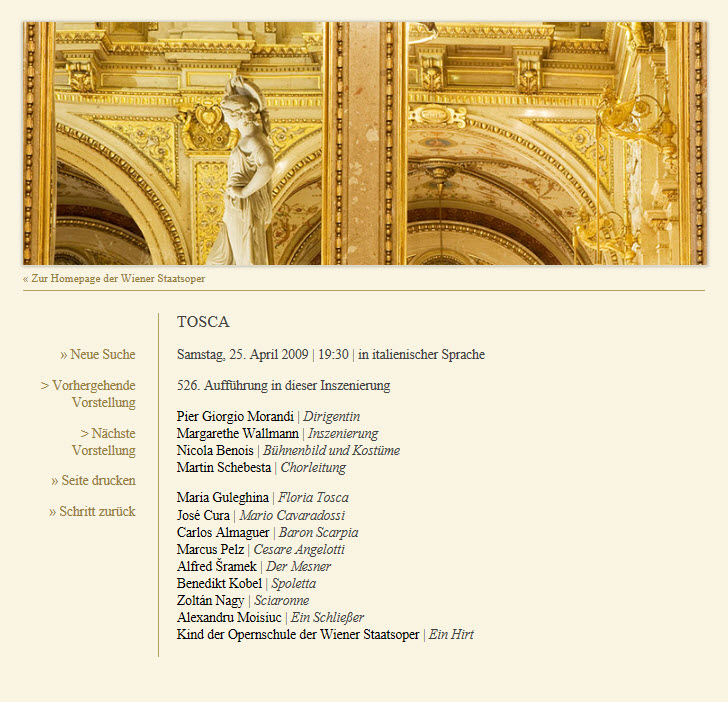
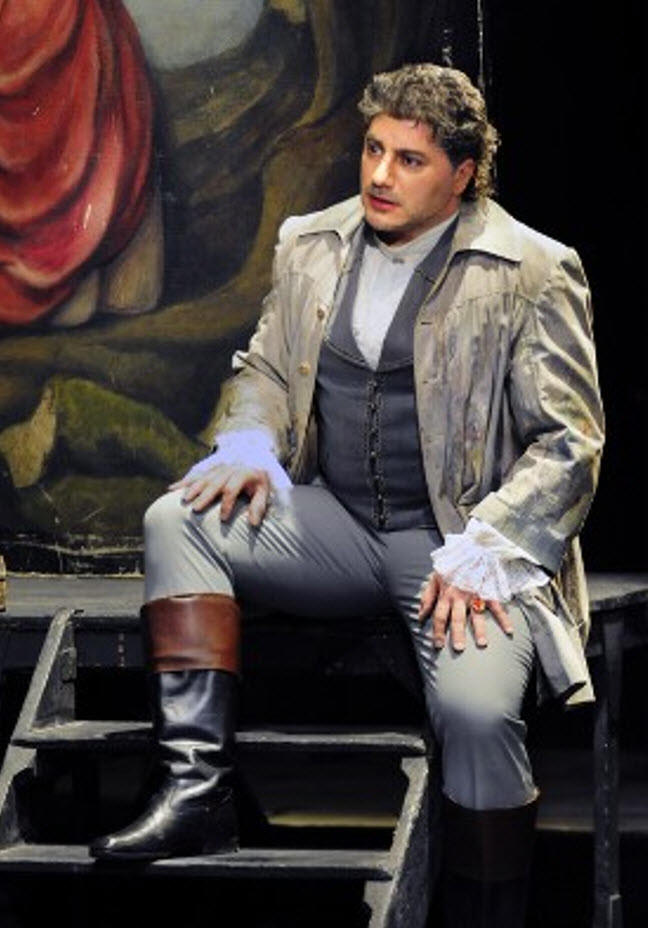
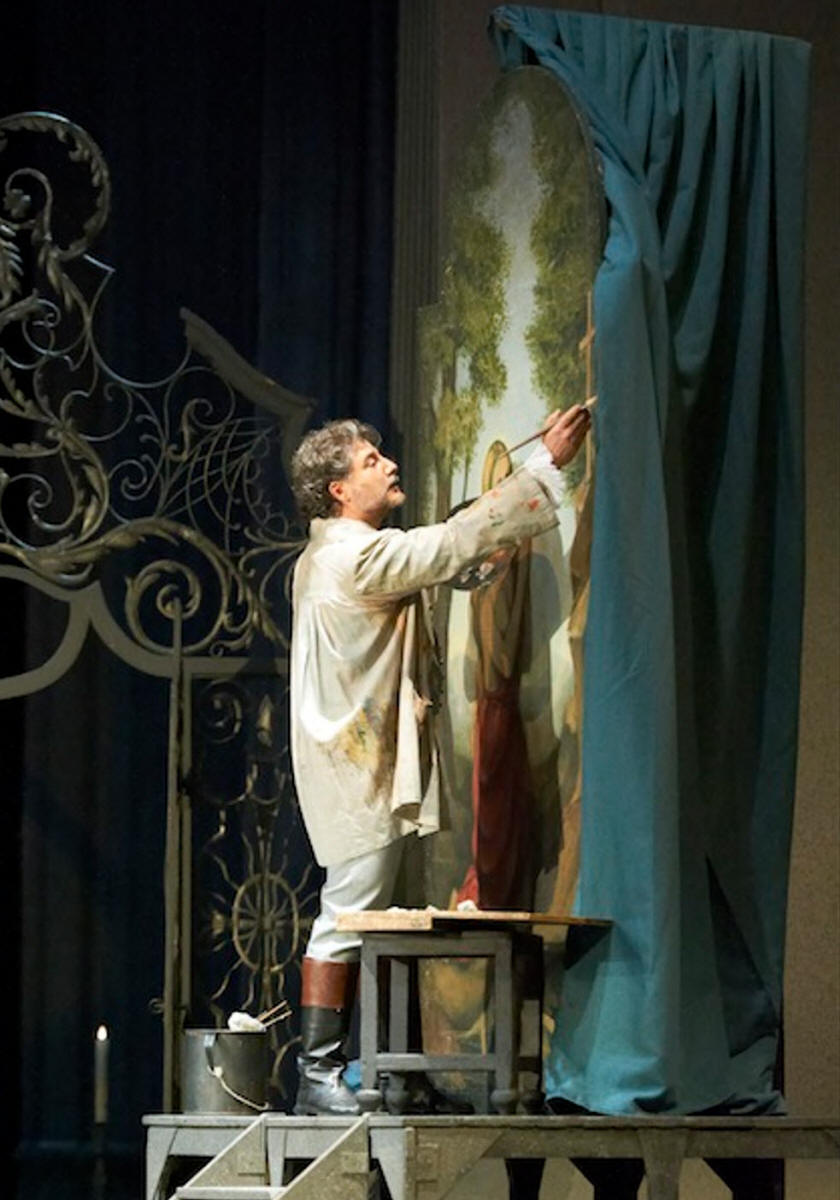
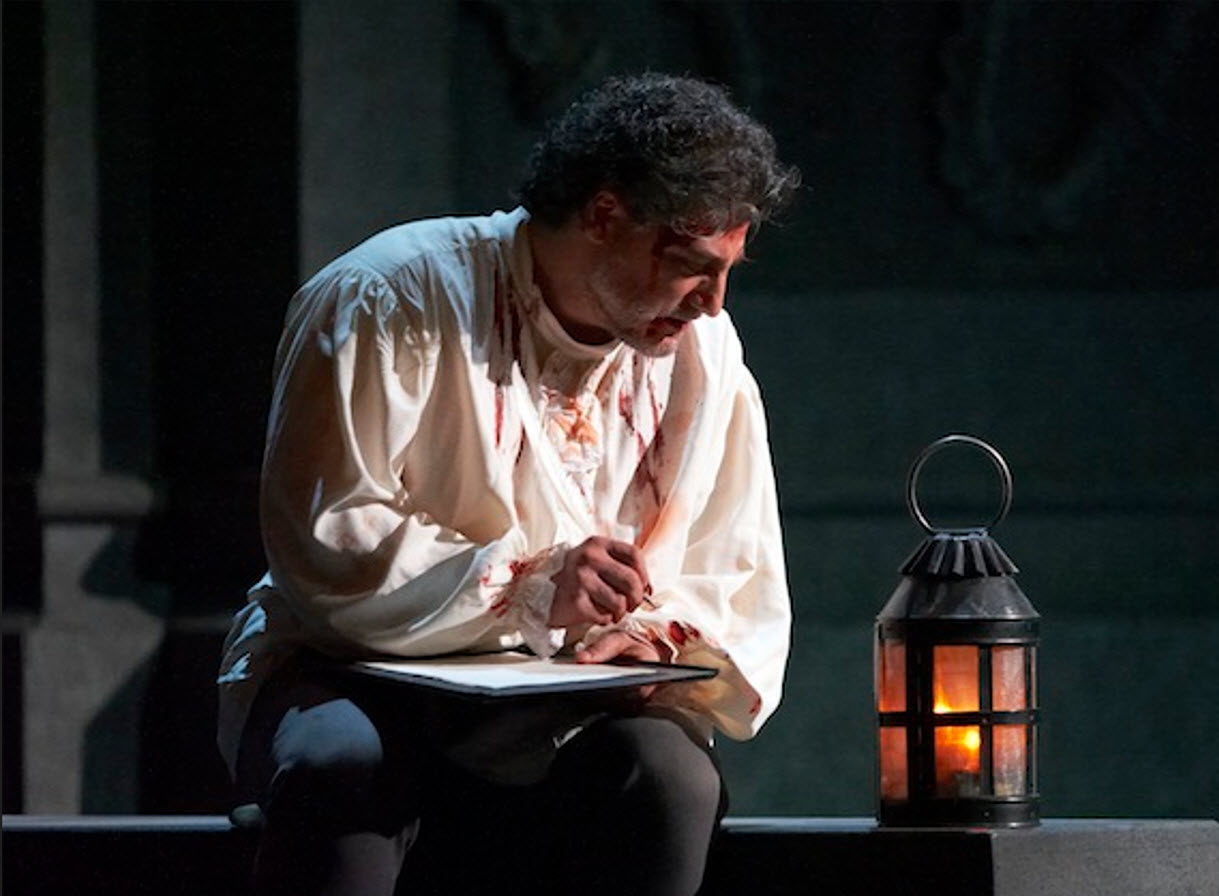
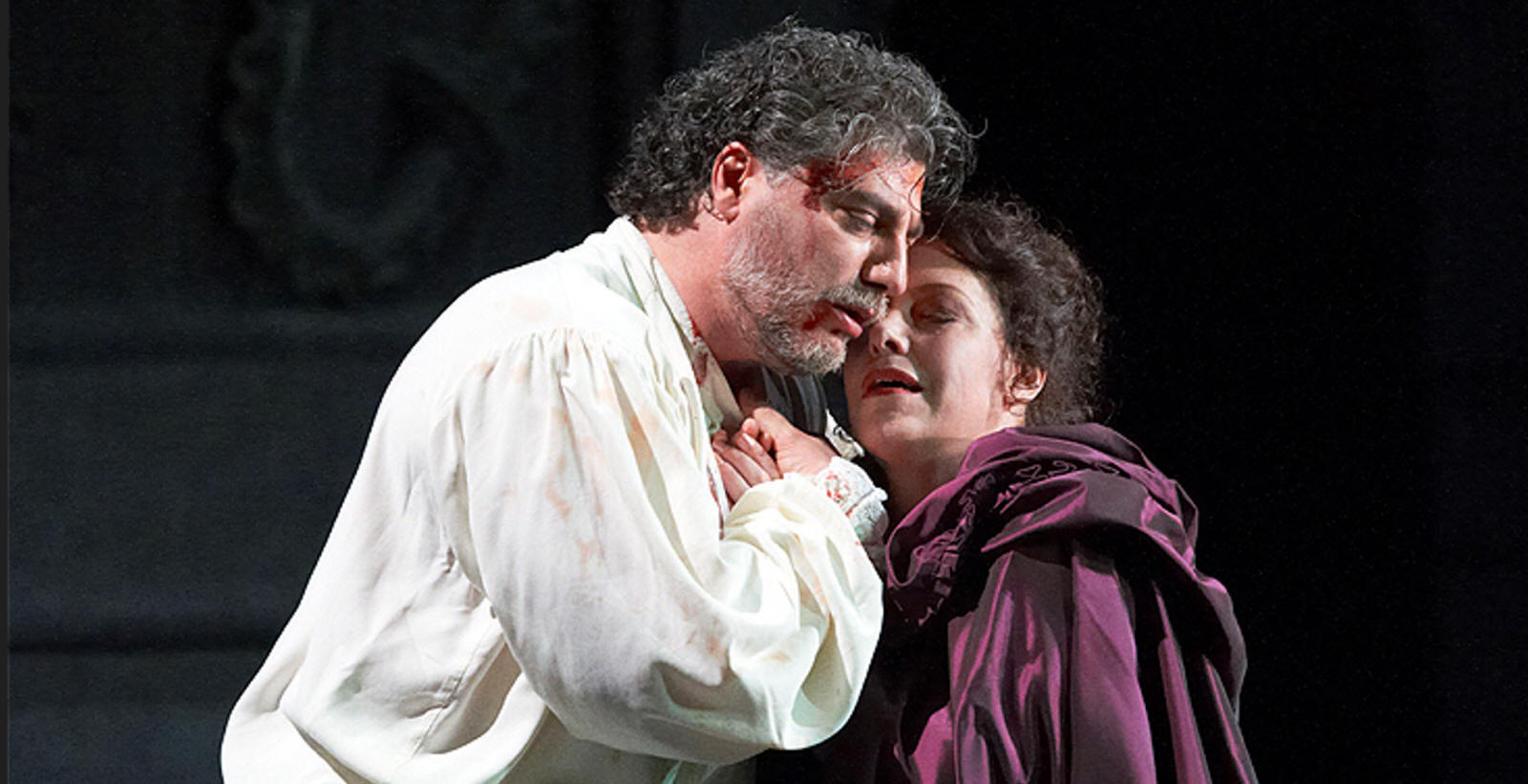
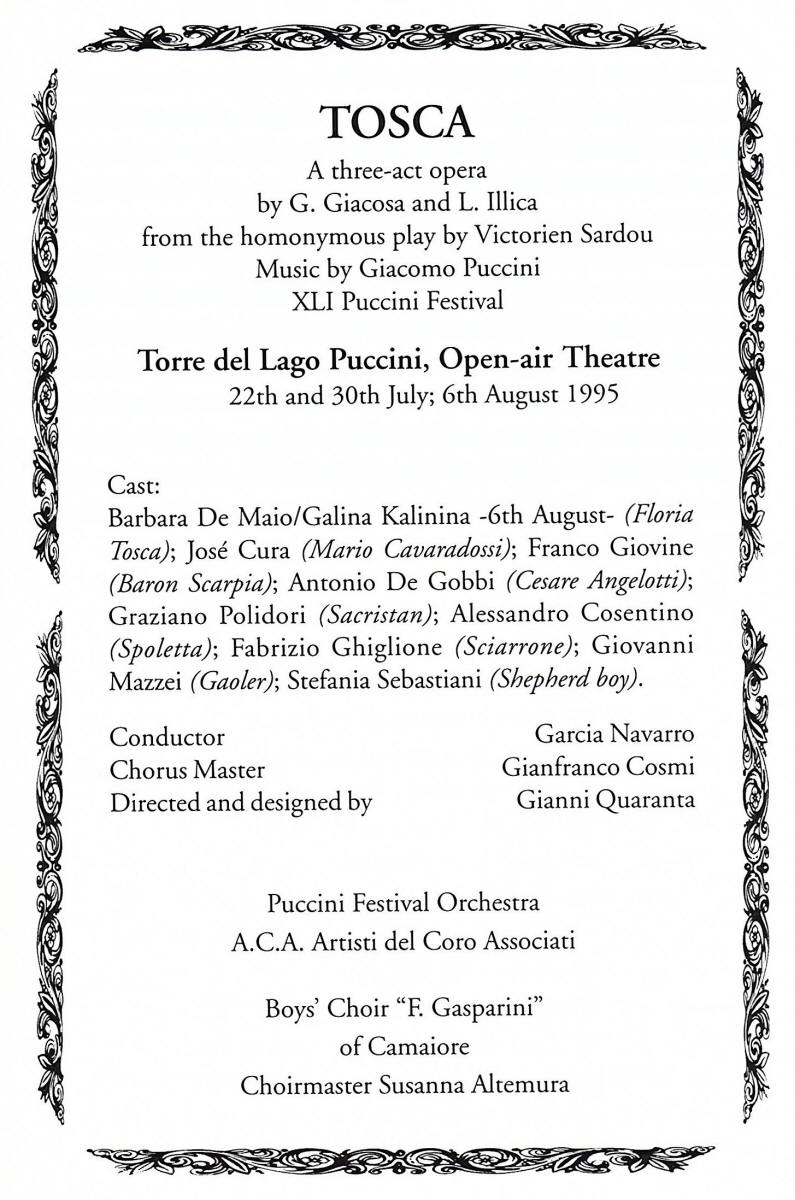
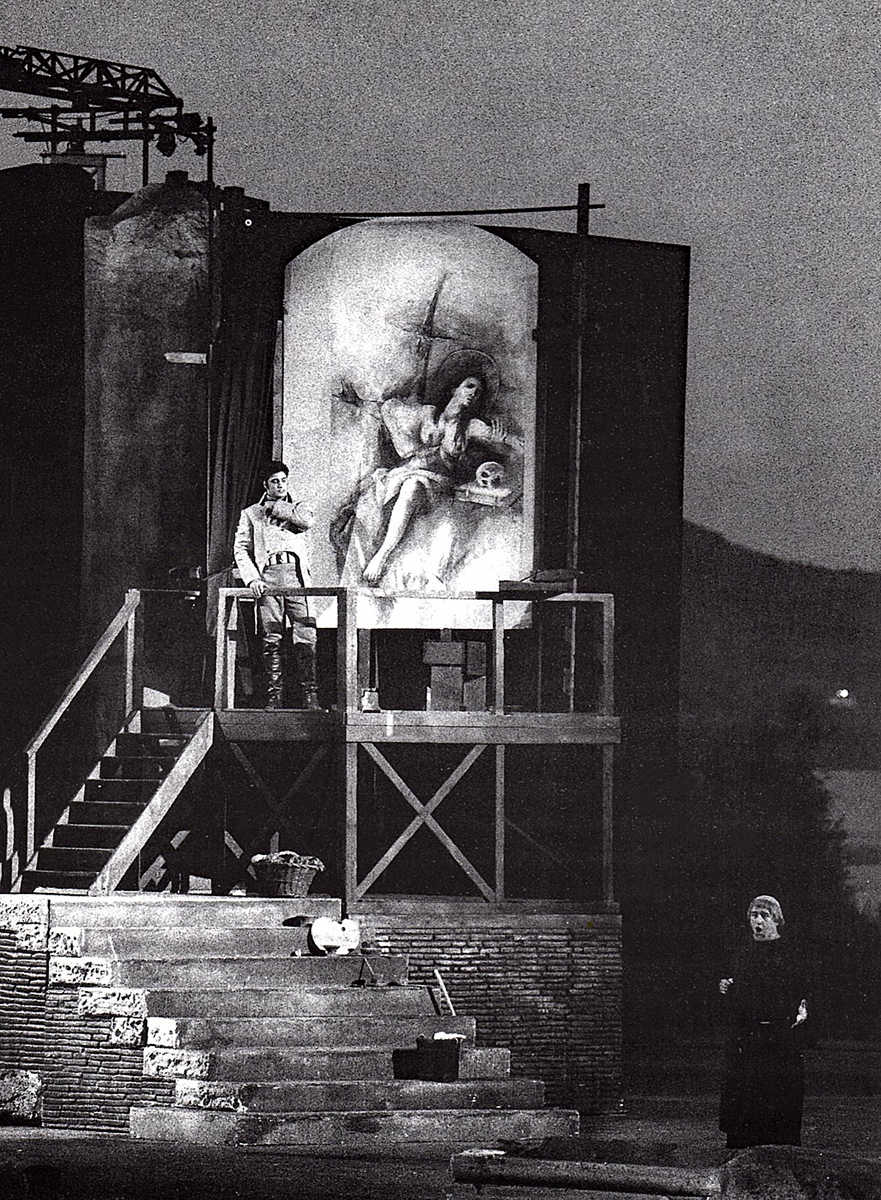
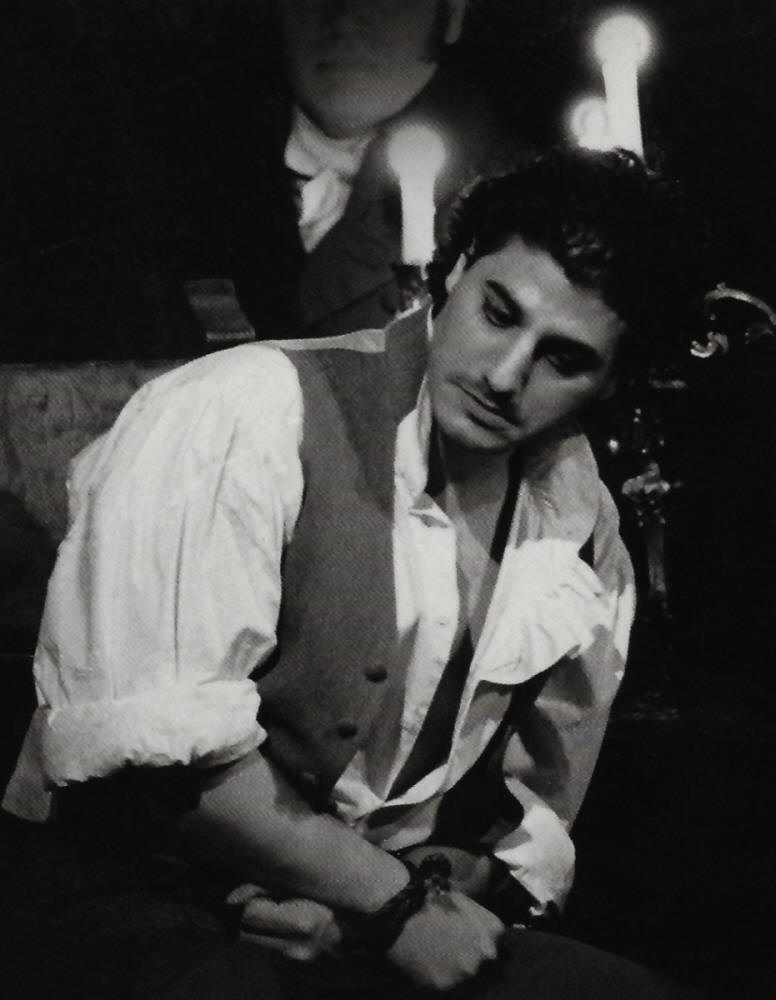
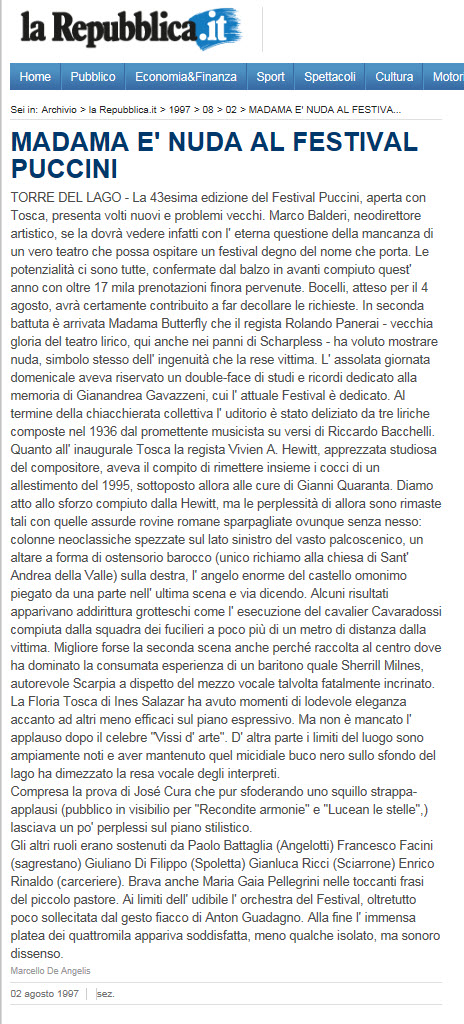
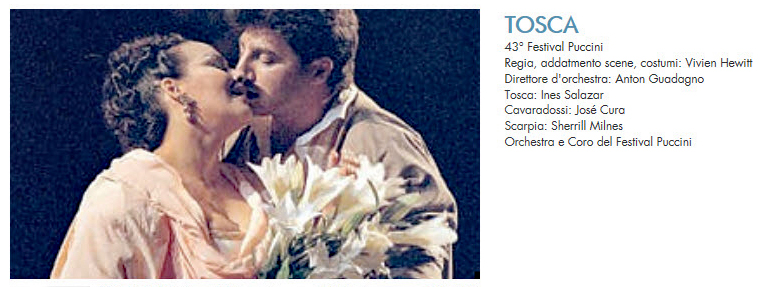
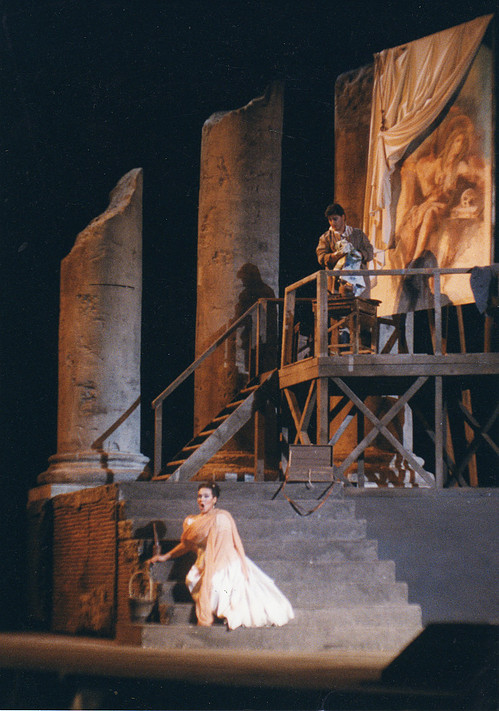
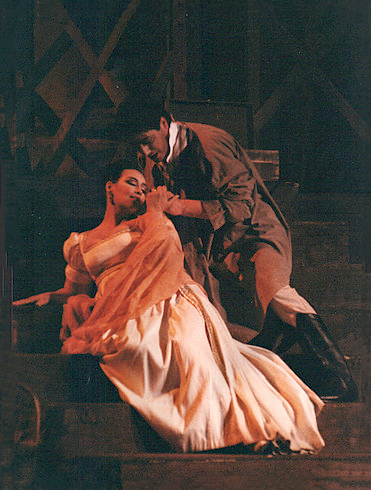
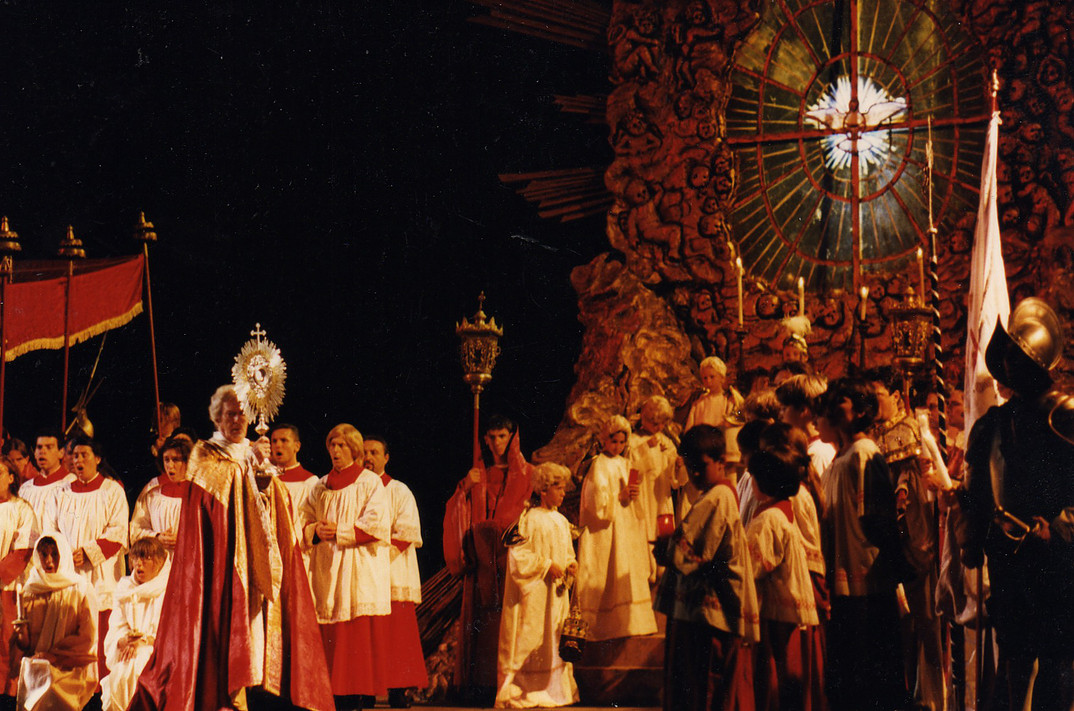
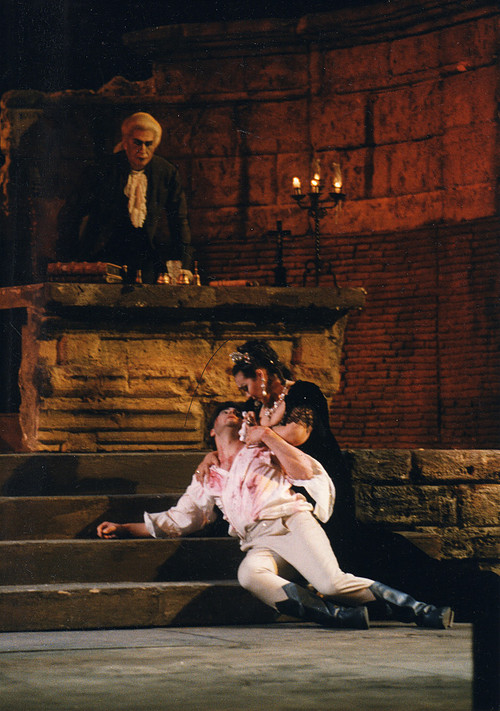
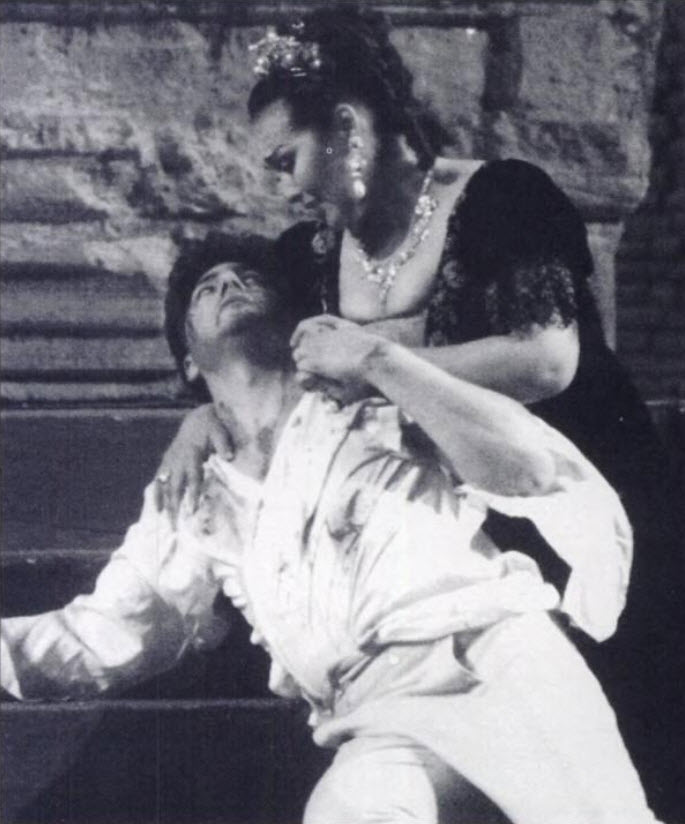
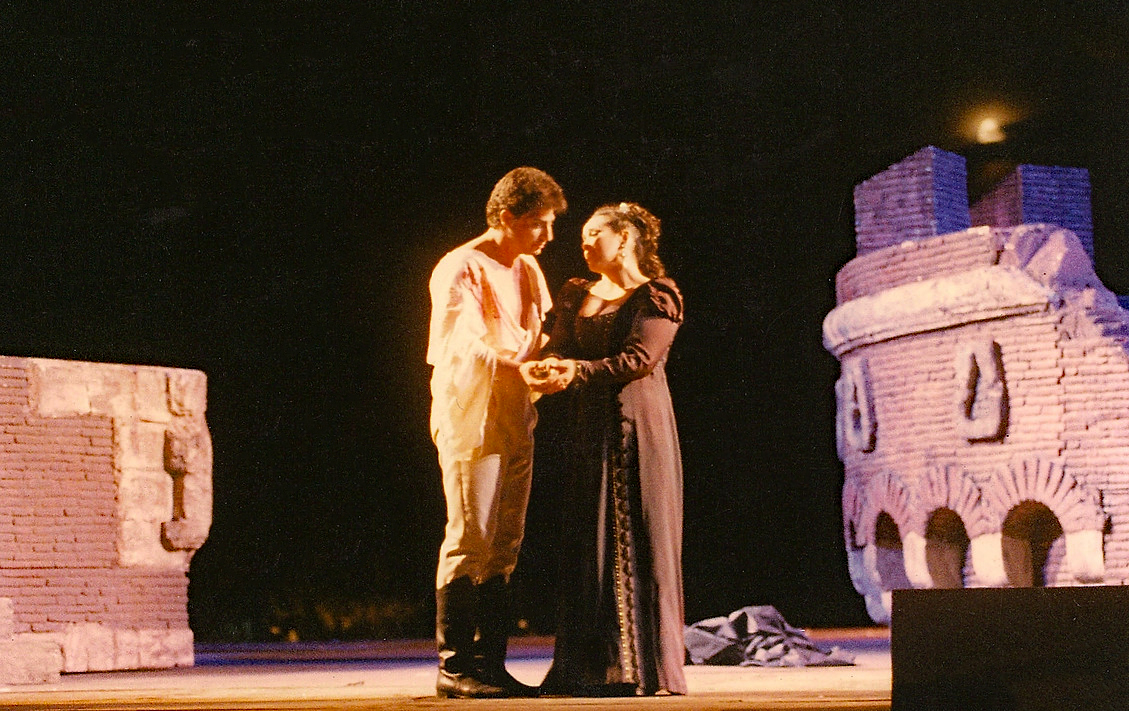
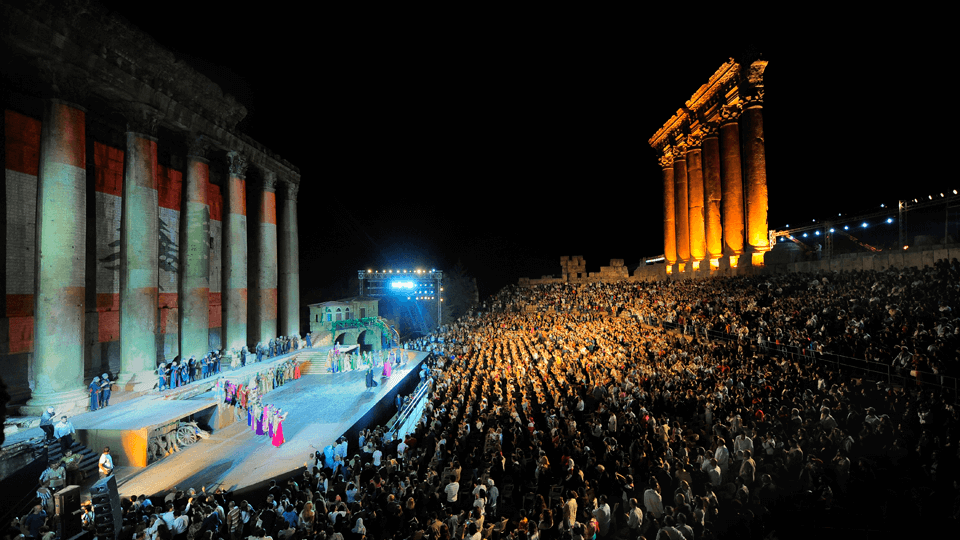
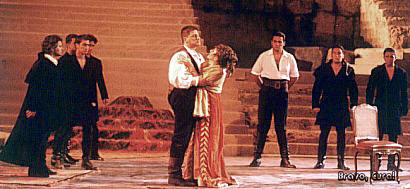
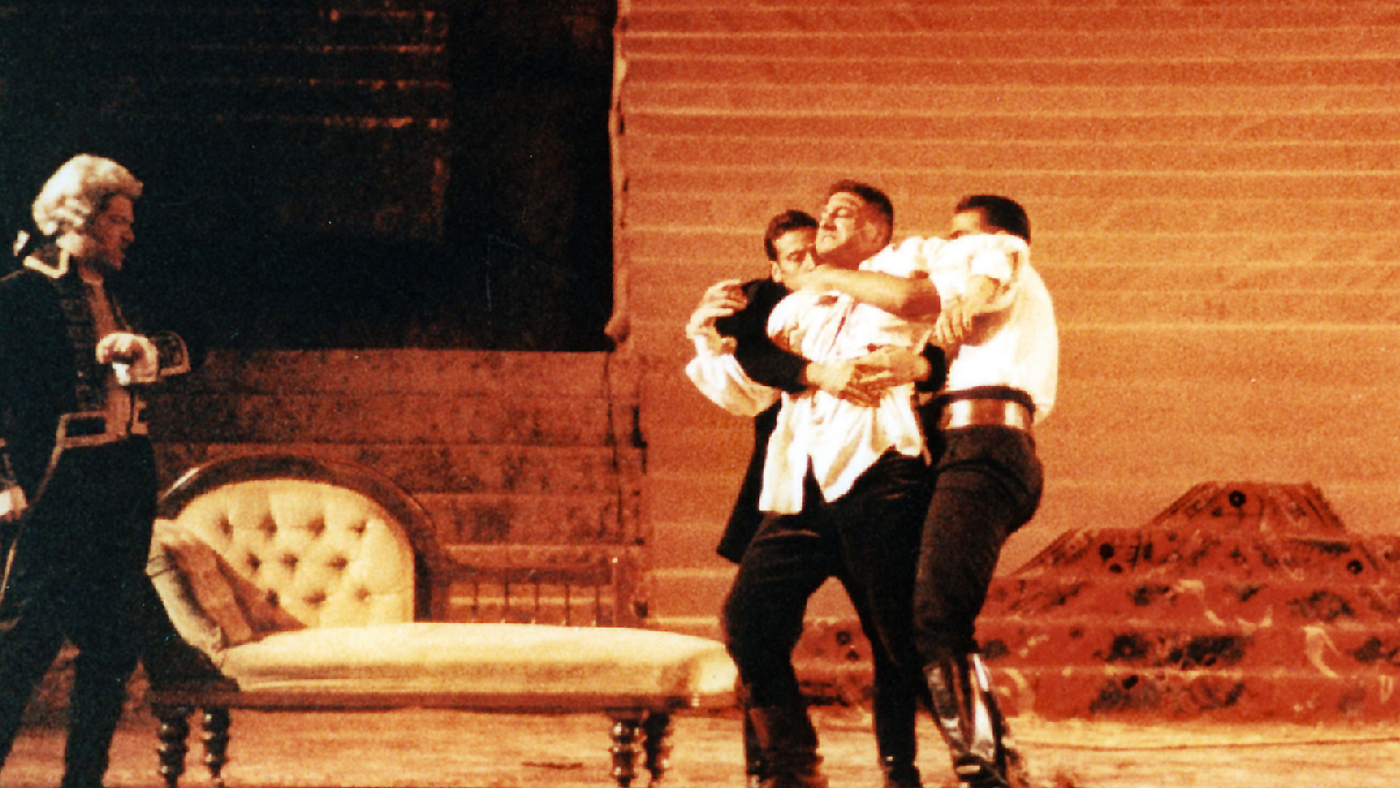
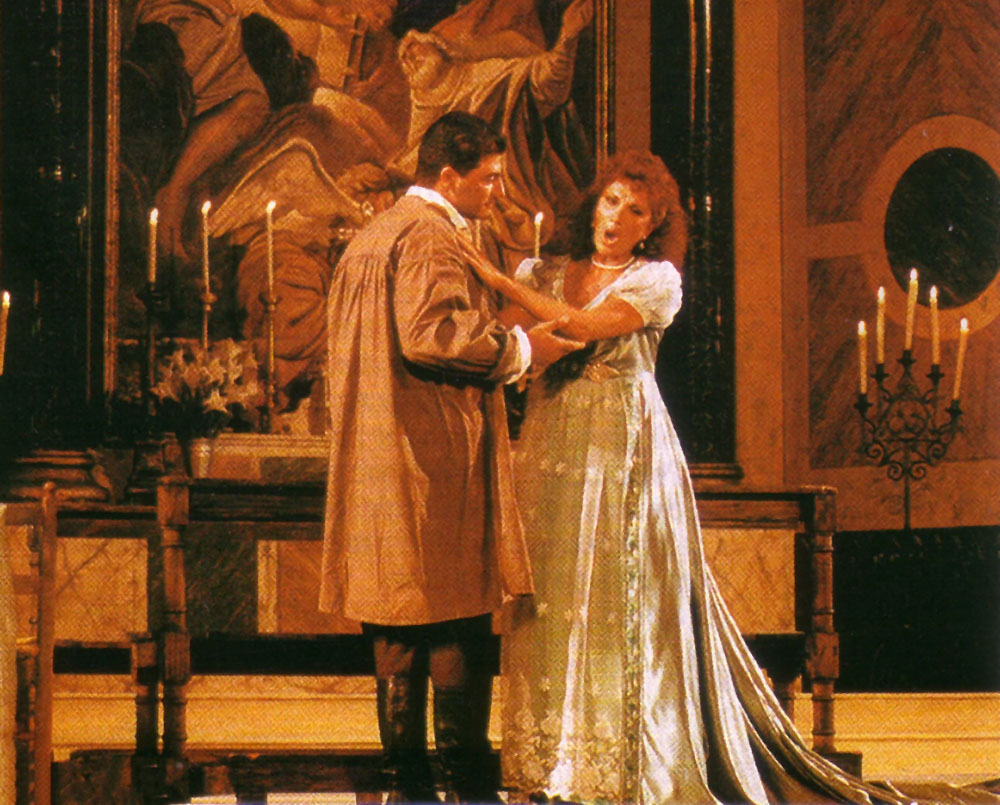
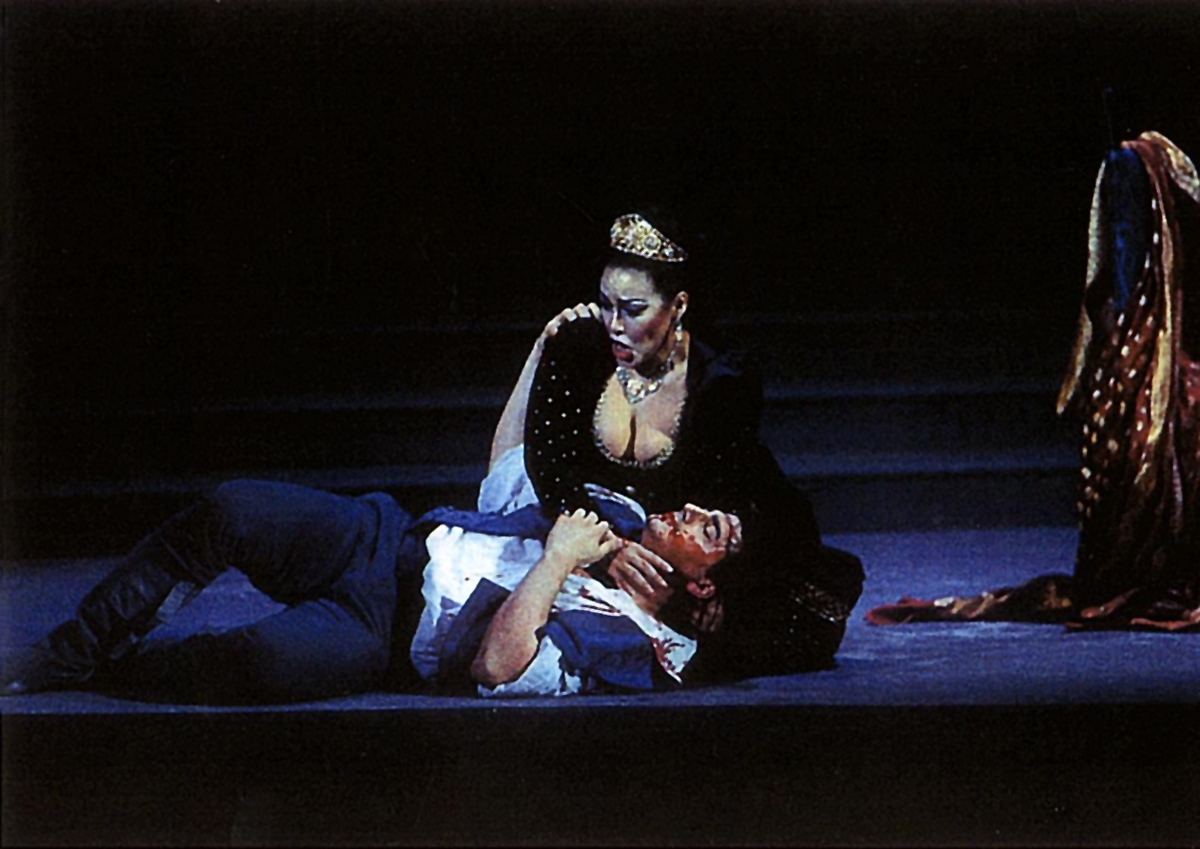
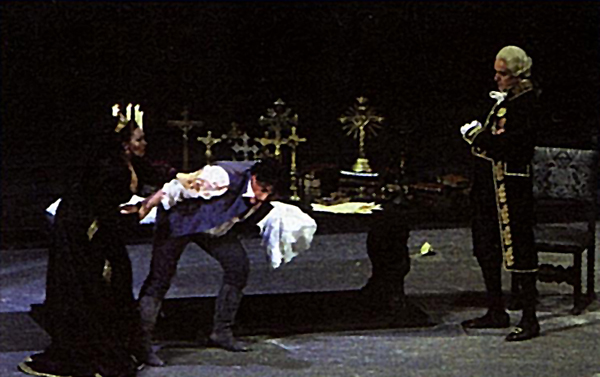
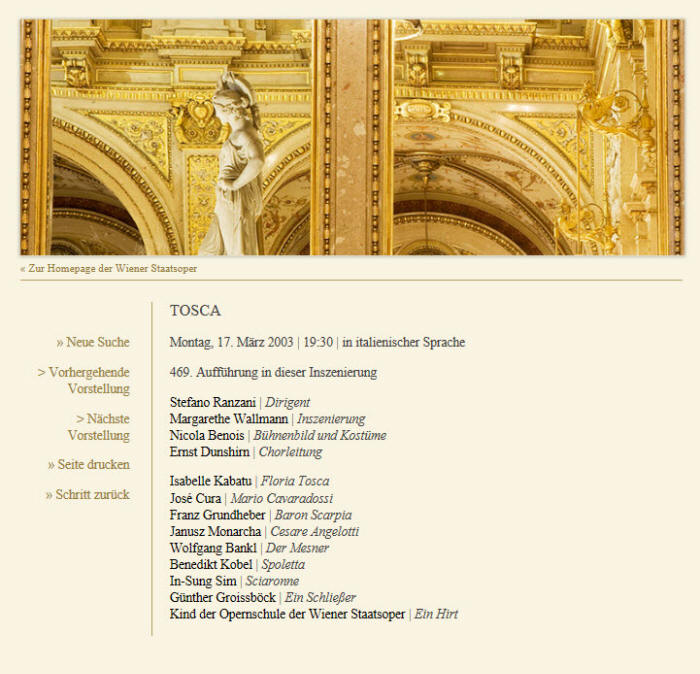
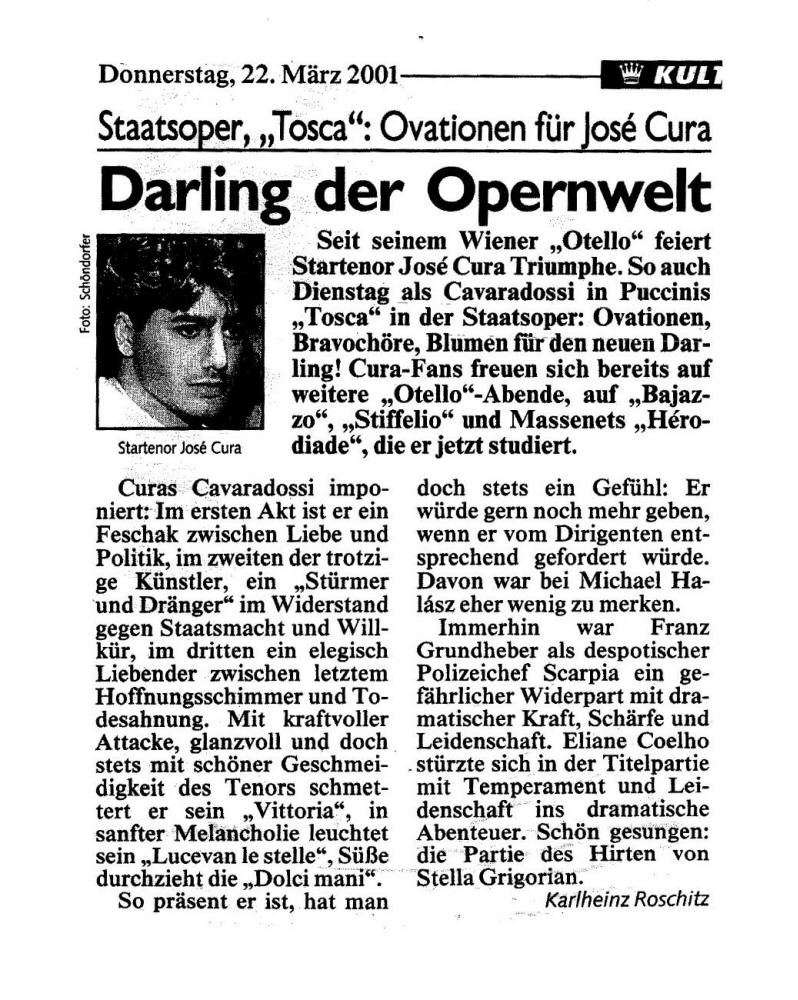
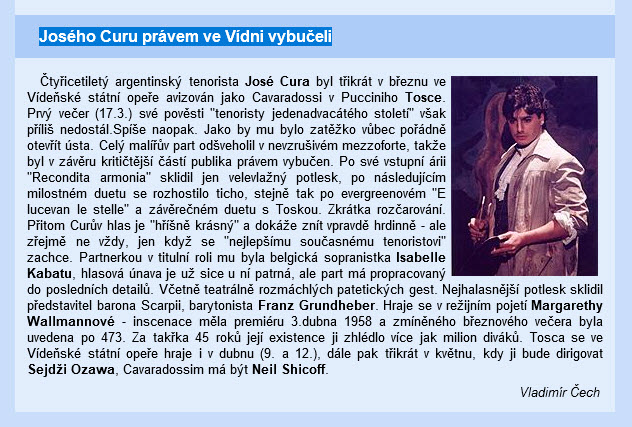
Tosca, Torre del Lago, 1995: "José Cura a highly convincing Cavaradossi. Making his debut in the role, this Argentinian tenor (who will be Covent Garden’s Samson in February) was impassioned and heroic, and displayed a very attractive voice." Opera, Festival 1995 Tosca, Vienna, March 1996: “Since starring as Otello in Vienna, star tenor José Cura has been celebrating triumphs. So it was on Tuesday as Cavaradossi in Puccini's Tosca in the State Opera: ovations, bravos, flowers for the new darling! Cura fans are already looking forward to further Otello evenings, to Pagliacci, Stiffelio and Massenet's Hérodiade, which he is now studying. Cura's Cavaradossi impresses: In the first act, he is a young man balancing love and politics; in the second, he’s the triumphant artist, a "Stürmer und Dränger" in resistance to state power and arbitrariness; in the third, he’s an elegiac lover caught between a last glimmer of hope and a presentiment of death. With a powerful attack, brilliant and yet always with beautiful suppleness of the tenor, he belts out his "Vittoria," gentle melancholy shines through his Lucevan le stelle, and sweetness runs through his Doci mani.” Kronen Zeitung, 22 March 2001 Tosca, London, May 1996: “José Cura, the Argentinian tenor, has been taking on new roles and new composers for the ROH at an exceptional rate. Puccini's Cavaradossi is the latest and he sings the painter with strong, burnished tones now expected of him. Cura manages very well the gentle phrases of memories and hopes in Act III. But the victory cries of the middle act suggest that the heroic repertory will be his forte, in all senses of the word.” The Times, May 1996 Tosca, London, May 1996: “The young Argentinean super-tenor-to-be has already made two immensely impressive Covent Garden role debuts this season, first as Ipanov in the gripping revival of Fedora and more recently as Samson in Saint-Saëns’ opera. Cura’s performances are always profoundly moving, expertly paced, and vividly acted, his Cavaradossi is no exception.” Evening Standard, May 1996 Tosca, London, May 1996: “I’m pretty keen on José Cura. As Cavaraddosi it took time for the shouting manner to diminish into intimacy. E lucevan le stelle was ideally chilling; it’s not every tenor who remembers that this isn’t just a big number, but a key dramatic point.” Daily Telegraph, June 1996 Tosca, London, May 1996: “José Cura as Cavaradossi possesses a crowd-pleasing Italianate sob and he let rip with a “Victory”cry that bounced off the back of the slips….” Sunday Express Insider, April 1996 Tosca, London, May 1996: “"José Cura's Cavaradossi is as successful as was his Samson, which is saying a lot. The voice has a beautiful coppery edge, his phrasing is both clean and musical and his enunciation clear and intelligent. Perhaps the range of colour he commands is as yet limited, but he compensates with ready use of a fine mezza voce in a part where, especially in the last act, this is a pleasure yoo seldom met with." Opera, July 1996 Tosca, Baalbek, October 2000: “As expected, the voices of Cura and Fabbricini—with excellent support from Michele Porcelli as Scarpia, the evil police chief—were rich and powerful, and their acting was committed.” This is Cyberia, 17 October 2000 Tosca, Japan, June 2002: “Brutally questioned, bleeding, languishing in jail, dragged to the shooting-ground, "Beau" Cura rendered his role with the utmost refinement, both vocally and in his acting, thus reaping a most deserved acclaim -- to say nothing of the repeated "bravos" at such climactic moments as ‘E lucevan le stelle,’ with its sobbing finale...the most enjoyable Tosca to be heard or seen during the last decade.” Classics Today, June 2002 Tosca, Japan, June 2002: “The Teatro Comunale di Bologna presenting Tosca on tour in Tokyo. An intoxicating production conveying all the flair of Rome's Baroque monuments, but as if in a gray Neo-Classical nightmare. Inés Salazar as Tosca provided a particular blend of Latino glamour, passion and innocence, with Ruggero Raimondi a most attractive villain, José Cura bravely overcoming a transient ailment and Daniele Gatti treating Puccini as the major orchestral composer he actually is.” Andante, 2002 Tosca, Vienna, March 2003: “Forty-year-old Argentine tenor José Cura was announced as Cavaradossi in Puccini's Tosca three times in March at the Vienna State Opera. On the first night (17 March), however, he did not live up to his reputation as the "tenor of the twenty-first century." On this night it seemed as if it were impossible for the tenor to sing out properly. The painter's entire part was whistled away in an unexciting mezzoforte, so that he was rightly booed at the end by the more critical part of the audience. After his opening aria "Recondita armonia" he received only a lukewarm applause, after the following love duet there was silence, as well as after the evergreen "E lucevan le stelle" and the final duet with Tosca. In short, disillusionment. Yet Cura's voice is "wickedly beautiful" and can sound truly heroic - but apparently not always, only when the "best contemporary tenor" wants it to be so.” Applaus, March 2003 Tosca, Metropolitan Opera, October 2006: “Making his debut in the role of Cavaradossi was Argentinian tenor José Cura. He was actually quite good — he maintained a smooth lyrical line while intoning at an impressively high volume level. And he was a natural partner for Ms. Guleghina, who is also a champion projector. Their ‘Non la sospiri la nostra casetta’ has to be one of the loudest ever, but neither sacrificed any intonation for this house-filling sound. Mr. Cura's ‘E lucevan le stelle,’ his character's last big number and one of Puccini's most poignant compositions, was really very moving. The most memorable [Tosca] for quite some time.” New York Sun, 30 October 2006 Tosca, Metropolitan Opera, October 2006: “Magnificent blood and thunder stuff set to a score of sugary beauty. Matched by Cura’s impassioned tenor with his splendidly natural acting made this Tosca a very proper romantic heartbreak.” New York Post, October 2006 Tosca, Metropolitan Opera, October 2006: “Playing right along was José Cura’s bad-boy Cavaradossi. Mr. Cura has a strong, able voice but sings as if determined not to give anybody what he or she wants by doing anything obvious. He focused on understatement, singing darkly and with such a deliberately casual air that his phrasing was sometimes swallowed, and sometimes almost viscous in its reluctance to move from one note to another. The musical climaxes seemed torn out of him against his will, adding considerably to the drama. Tosca seemed vital again. And in this venerable, twice-told production, that is news indeed.” New York Times, 31 October 2006 Tosca, Metropolitan Opera, October 2006: “It seemed, Luisotti waged war on tenor José Cura, stopping at every barline [in] ‘E lucevan le stelle,’ but he proved effective at generating a long orchestral line. Cura pulled off the most effective performance of the evening, with consistent tone, dark and rock-solid, and credible acting.” Opera News, January 2007 Tosca, Metropolitan Opera, October 2006: “Making his role debut as Tosca's lover Cavaradossi [was] José Cura. His voice still possesses much of its beauty, and after a nervous first act–perhaps caused by the late replacement of Gruber–he portrayed the character with increasing conviction. The final duet with Tosca was electrifying, and Cura's behavior at the curtain call was admirably modest, acknowledging Guleghina's achievement in appearing at such short notice.” MusicOMH, 28 October 2006 Tosca, Metropolitan Opera, October 2006: “An impeccable presentation of the Puccini opera at the Met. The handsome José Cura felt a bit awkward and his voice did not project as well as the other protagonists though it had a melodious tone. He moves very well on stage and performed the arias well, with the traditional moans and sobs that are the delight of tenors that make his a much-sought-after leading man who can easily move his audience. In the third act, the tenor aria is well acted and the performance excellent.” Pro Opera, September 2007 Tosca, Baden, January 2007: “What an evening! How lucky, those who happened to be there! The first performance turned into a special Opera Gala occasion—and the role of Cavaradossi was filled by José Cura, one of the absolute exceptional tenors of our time. José Cura is, above all, a stage animal in the best sense, and his presence left some of the house singers standing somewhat helplessly on stage. In addition, the Argentine offered an enormous variety of color in his sparkling tenor voice, cultivated with power and always used with a perfect air of leadership. His piano technique is probably unparalleled…” KlassicCom, 15 January 2007 Tosca, Palermo, January 2007: “José Cura was rewarded by the warmest applause which was not threatened by spicy signs of resentment evidently pointed toward [director] Deflo. Cura created confidence with his presence, in spite of undertaking his task at the last moment and for one evening only. His was an impressive Cavaradossi, especially in the intensity of his ‘E lucevan le stelle,’ with its expressive fullness.” Giornale di Sicilia, January 2007 a Tosca, Palermo, January 2007: “Wanted and yet neglected, it was seen in a format that succeeded in the end because of the providential arrival of José Cura, who found a day off between performances for this single night debut--the tenor arrived in the afternoon and stepped onto the stage without having rehearsed and will depart this morning. Cura stimulated the souls of the spectators who honored the tenor with its warmest applause.” Giornale di Sicilia, January 2007 Tosca, Karlsruhe, April 2008: “José Cura, one of the few who have proven to be a world star since the collapse of the classical record market, performed for the second time in the local production, and it would be difficult to find a more convincing Cavaradossi today in his baritonal timbre, the moving piani of ‘O dolci mani’ and his creative power of interpretation of the role.” Badische Neueste Nachrichten, 22 April 2008, Tosca, Vienna, December 2008: “José Cura does not necessarily belong among my personal favorites but, however, if one becomes accustomed to his freestyle singing, one must express a compliment for his achievement. Not only was he persuasive in the ‘forte’ parts, he also showed places – the beginning of ‘E lucevan le stelle’ -- that he was also able to pull himself inward to phrase beautifully and produce the colors for which one usually waits in vain. His Cavaradossi was the performance was the most convincing that I have heard from him.” Der Opernfreund, 2 December 2008 Tosca, Vienna, November 2008: “Tosca at the State Opera: a famously unconventional Cavaradossi in terms of singing. José Cura sings the way he sings. Anyone who accepts this will be satisfied with his appearance on the stage and remember the results from the singing. Those who are less attracted by the male-erotic component of the tenor can at least credit him with the fact that it is quite something when the tortured painter can hardly be restrained by the torturers. [To] Cura singing is a passionate power sport, so to speak ... The evening ended with much applause and flowers for Cura.” OperinWien, 29 November 2008 Tosca, Vienna, March 2009: “Three artists with extraordinary stage instincts shaped this noble thriller in the 525th performance of this production. José Cura is the extraordinary man familiar in illustration and from the beginning he scores points as the revolutionary and the lover, especially when facing the firing squad at the execution command, recognizing it as the consequence of the perfidy of Scarpia he had understood for a long time. The fact he proved, in defiance of his critics, that his is a still a serious singer positively rounded off his achievement of the evening. With almost sinewy stretched phrases, concentration, and brilliance in the high notes, he sang the aria and the duet in the first act with the requisite fervor, with convincing despair in the dungeon scene and hurled an ardent 'Vittoria' at the police chief.” Der Neue Merker, 5 March 2009 Tosca, Wiesbaden, February 2009: “José Cura, the Argentine-born tenor who star could not rise high enough for some fans a few years ago has recently been specializing in Gala performances like this one in Wiesbaden. In vocal terms, Cura proved to be a nearly perfect Puccini singer whose voice in piano suggests iridescent colors; in forte, a metal sound may be present. His aria in the third act (‘E lucevan le stelle’) was a trace reserved, his vocal union with Mario de Rose, guest director of the Hessischen Staatsorchester, flawless.” Main-Rheiner, 23 February 2009 Tosca, Wiesbaden, February 2009: “Finally, it was left to José Cura to provide the picture of what is expected of an excellent soloist—thanks to his ability to make the orchestra his ally. Not for nothing does the tenor like to work with Mario de Rose, who was the guest at the state orchestra’s podium for the evening. Instead of a saturated soundtrack, the listeners experienced adaptable playing that knew how to cover and release the voice alternately, bringing the finest nuances through sublime dynamic weighting and a hint of sound. Puccini would have enjoyed it.” Frankfurter Allgemeine Zeitung, 24 Feb 2009 Tosca, Szeged, April 2009: “What we saw [the staging/performances] would have been irresistibly grotesque on any other night if the tenor role was not shaped by a sovereign individual such as José Cura, a singer with international experiences. In a way, then, the performance bowed to his presence and the concept influenced by his presence; the performance became its own story and perhaps not so far from the original Tosca. Cura as a living man existed as an operatic ghost, working as an adult among children. The characterization offered by Cura as Cavaradossi was not a difficult dramatic reading. A man who knows exactly what he wants to do with himself and with others steps into a world of whisperers and insecurity. Who determines who the enemy is and who are worthy of affection. Who understands everything clearly. Cura-Cavaradossi’s intense involvement in life grows more human as he faces deaths: he prepares for it, accepts it, listens and smiling as the woman-child who will never reach the same level. Not because he is suicidal but because he has a vision—the vision of transcendence. Cura uses his voice with the same masculine savvy to speak as Cavaradossi. In the bold and glossy deep and middle register he creates a remarkable mix from the barely sung declamation to the broad cantilena, in the high notes the heroic shines with all the obvious naturalness of melody and word service. Some of his solutions require a contrast between heart and beautiful singing but artistic integrity is for the time being a complete victory, keeping the organs in line with their precise-inspired application to the changing positions of the voice and role Cura gives the vocal emblem of human freedom achieved by self-discipline.” Muzsika, June 2009 Tosca, Cologne, May 2012: “Why Cologne Opera's new production of Tosca is attracting large audiences is a no-brainer. Puccini's "tawdry little shocker" is always a cash-cow, and on 31 May the performance boasted the extra draw of star tenor José Cura, in town for a one-night stand. A dressy crowd and lots of opera insiders showed up to be dazzled. And dazzle he did. I can't remember the last time I heard a genuine Italianate tenor sing Cavaradossi (actually Cura is from Argentina), and it was a pleasure to hear a real deal in fine voice. Hitting his stride from the start with a heartfelt ‘Recondita armonia,’ he later belted out a leonine “Vittoria!” and topped off with a theatrics-free ‘E lucevan le stelle.’ Cura is unusual among star tenors because he can act convincingly, even when he’s unfamiliar with the staging. At the same time, he was determined to sing his Cavaradossi and paid little heed to conductor and Cologne’s General Music Director Markus Stenz, who maintained the high road and graciously accommodated his guest. It's hard to sense what Stenz is making of the score, because he had his hands full keeping an ear on Cura. Nonetheless, he held the orchestra together crisply and rallied the other singers cohesively without trying to score interpretive points. While Cura appeared to be a considerate colleague to his fellow singers, some of them may have been a bit intimidated by his imposing presence.” OperaBlog, 31 May 2012 Tosca, Stockholm, June 2012: “In the third act, José Cura shone. Here Cura demonstrated why he is among the world’s best tenors today. It was a great stage experience. The third act was truly amazing, helped along of course by the vibrant Royal Orchestra led by Pier Giorgio Morandi. A completely magical experience and a truly grand finale. You have to congratulation opera director Birgitta Svendén on involving José Cura, for his involvement was enough to lift the other singers to a higher step.” Kulturemagazinet, June 2012 Tosca, Stockholm, June 2012: “If one ventures a football metaphor, it is to compare the Argentine tenor José Cura's brief and only guest performances at the Royal Opera House to Lionel Messi's playing with (Club) Hammarby in a couple of games. The first time was last Saturday; the last yesterday (Tuesday). So, if one wanted to see Cura, it's too late. And here comes one of those annoying reviews of something that it is now impossible to see. Rarely have I seen a more honest, true-hearted ‘E lucevan le stelle,’ an aria which has been a showcase song for tenors in tails in order to please arena audiences with displays of their spectacular singing. Here is what it's about: Cavaradossi is to be executed. José Cura sits down ponderously and writes. There is no flapping of arms; there are no artificial facial expressions; there are no unnecessary props (he moves them gracefully away). There is only this man's love and despair. Cura has no need to be put into a scenographer's vise in order for us to understand that he suffers. He does it so well anyway.” Expressen, 13 June 2012 Tosca, Vienna, March 2012: “José Cura sang a very unbalanced Cavaradossi. He often acted as if absent and somehow merely swimming with the stream of music, then he would force himself back with the powerful and widespread impression that he would bring the Vienna State Opera to a collapse like the temple of the Philistines. Between these extremes, he scored some nice phrases - and so we had to make do as a listener on this evening. The timid attempt by some visitors who come to him after the "star aria" an applause, was prevented by the conductor’s animating to continue playing. [However] the audience certainly did not consider the evening a failure, witness the final six minutes long applause.” Operinwien, 22 March 2012 Tosca, Vienna, March 2012: “Franz Welser-Möst takes over the direction of Puccini's drama with Nina Stemme and José Cura and this Tosca suddenly sounds alive, delicate and, even in the moments of extreme violence - which Puccini translates, so to speak, one-to-one into sound from Sardou's crime play - completely agile. Every fiber of the musical fabric is charged with expression. Incidentally, what always applies to Tosca: the rendition is as good as the three protagonists chosen. José Cura’s Cavaradossi sees his part entirely as a parlando role - he speaks a lot, including passages that colleagues use for emotionally charged phrases, almost en passent. In fact, he delivers only two truly impressive notes: one in the dialogue with Angelotti in the first act and the second of the "Vittoria" cries in the middle act. But the rest of his performance is obviously enjoyable for Cura admirers.” Die Presse, 23 March 2012 Tosca, Vienna, March 2012: “Equally strong, the vocally muscular Cavaradossi of José Cura. He paced himself well; he sang ‘E lucevan le stelle’ without sentimentality, short-phrased and aggressive. The second act evolved into a harrowing political drama—without a doubt the strongest, most powerful moments of this show. An impressive Tosca.” Weiner Zeitung, 20 March 2012 Tosca, Vienna, March 2012: “[Early on] Jose Cura seemed on reserve. But when it comes to being fiery, this Mario still has secure: the high notes of "Vittoria! Vittoria "do not pose any problem, and this person of invariably burning blood is not without seductions.” ForumOpera, 22 March 2012 Tosca, Vienna, March 2012: “What amazes time and again, especially after an evening of Wagner: how much Puccini's music lives in the moment, how compact and varied these moments are, and how sensuously they are described by him. Puccini's music makes one think it's possible to drink it, to bathe in it. Wagner describes ideas, Puccini describes human beings. With verve, "vivacissimo con violenza", Welser-Möst plunged into the descending g-minor motive and focused in the course of the first two acts primarily on tension. Surprising that José Cura nonetheless succeeded more than once in overtaking the music director and the State Opera orchestra: the Argentine, all pride and vigor as always, offered the fastest Cavaradossi ever. The high piano places of the first act are glossed over swiftly; just as fast but more impressive and solid: the ‘E lucevan le stelle’ in the final act; thrilling: the moments of attack such as the 'Vittoria' shouts in the second act.” Der Standard, 21 March 2012 Tosca, Wiesbaden, January 2012: “Scarpia's methods are those of physical and especially psychological torture, as baritone Tito Yu in this most showcased role was rather restrained in indicating. Here he stood in the shadow of the Argentine José Cura, who some years ago was marketed at high price as the hoped-for tenor. In his appearance as Cavaradossi, Cura offered much in bright and lively stage presence, as well as ample vocal (tenoral) stability and soundness- in spite of one or two high notes shifted to falsetto, in spite of forced notes here and there- to really come to be on par with Chiara Taigi's wonderful Tosca.” Wiesbadener-Tagblatt, 16 January 2012 Tosca, Bonn, 27 March 2014: “The Argentine Cura ranks among the best of his field and he didn´t hide it in Bonn. His tenor sounded powerful but never strained. Cura is a theatre person through and through and one could sense it when he sang the aria ‘E lucevan le stelle,’ beautifully introduced from the orchestra—especially the clarinet—under the baton of Hendrik Vestmann. Cura found the perfect balance between theatrical expression and musical beauty. The thunderous applause for him and his colleagues was richly deserved on this evening.” General-Anzeiger, 28 March 2014 Tosca, Budapest, March 2014: “Readers of Momus know I have not been a fan of Cura; now I'm happy to declare that I have never found anything as convincing [as Cura onstage in Tosca]. He seemed reborn; his singing of Cavaradossi […] was beautiful with pure lines and such intensely we feared he might lose his voice. His voice is in a much better position, up and down the range, than before, much less gloomy, much less dark but he still maintains the singular ‘Cura’ timbre which has always been the secret of his success; his high notes are clean and bright. Key words in the role have rarely heard such intensity: it is necessary to highlight the superbly acted and sung Vittoria scene and the dreaded high note in the first act was also absolutely in place. For me, though, the pinnacle was E lucevan le stelle, sung with infinite simplicity, Cura sitting immobile at a table but with incredible inner glow. Unforgettable. But the presence of Cura also meant a great impetuous from all the other singers. Everyone could feel it: Cura’s presence meant they were involved in something important. Friday night’s Tosca was a rare experience…” Momus, 21 March 2014 Tosca, Budapest, March 2014: “The star tenor of our century delighted the audience of the Hungarian State Opera as Cavaradossi: José Cura's name attracted a full house and he provoked a rarely seen success. I would enjoy describing that the ovation was addressed Cura's name only, but I have to admit: it was the voice of the tenor was celebrated by the audience. The Argentine singer gave a simple performance on the stage in the noblest sense of the word. We saw and heard a naturally loving and easily sublime singing artist. Cura trusted in Puccini and in his own talent, so he did not try to tune the role with false artistic mannerism; he just sang the music and let it to impress. His voice was free from any unnecessary vibrato or rough and sharp high note. Although I think it is a bit unnatural to hold the frenetic applause for a full minute after the aria ‘E lucevan le stelle,’ I do not deny the exceptional beauty and expressiveness of his farewell to his sweetheart. I do not know how he managed to conjure the love scene of the lovers completely naturally with Csilla Boross (Tosca) bawling into his face from some centimeters, but one could hardly approach this goal better than they did. [….] But of even greater importance: Cura also had a good effect on the other actors of the play. Perhaps the difference from the usual style of performing inspired his artistic partners, who took something from the tenor’s naturalness in both voice and stage presence. Mihály Kálmándi’s Scarpia [seemed to have] taken from Cura’s magic power…. The music just soared, and perhaps this soaring was "caught" by the musicians from Cura.” Opera-Világ, 26 March 2014 Tosca, Budapest, March 2014: “We need such performances! We need them as much and as soon as possible to smooth out the wrinkles of the tormented soul and lift us above the ground a little. Friday's Tosca was an enormous performance. José Cura, one of today’s international stars, sang the role of the painter Cavaradossi as a guest artist. Let's just say new colors were added to the production and the interpretational history of the piece has been enriched with a legendary night, one we will talk about later and go nostalgic. I don’t care if his timbre is a tenor baritone or a baritone tenor if he sings so beautifully. His two small arias sounded beautifully, his ‘E lucevan le stelle’ is unique, a curiosity with Cura’s sorrowful, weepy timbre. I’ve never heard “Vittoria!” with such passion in a terrific scene: a world star singer of great caliber singing a leading part on the stage to the audience of Budapest for the first time in the Hungarian State Opera in 2014 in front of a full house, at the peak of his successes. Of course it was José Cura’s evening; now Cura has come, seen and won.” Opera-Világ, 24 March 2014 Tosca, Hannover, 19 July 2014: “The expectations had been high: The performance lived up to the promises. Star singers like the Argentinean tenor José Cura (Cavaradossi), the German baritone Albert Dohmen (Scarpia), and the outstanding American soprano Catherine Naglestad impressed with a Tosca which was filled with importance, intensity, knowledge about dramatic passion and truthfulness. [...] Applause and standing ovations in the end.’ HAZ, 20 July 2014 Tosca, Hannover, 19 July 2014: “Spontaneous applause after the opera's famous arias - Tosca's 'Vissi d'arte' and Cavaradossi's 'E lucevan le stelle' - not only from the 1500 paying visitors but is also wafting from the thousands of listeners in nearby Maschpark. Even the boldest of optimists didn’t expect everything would turn out so perfectly - starting with the weather through the outstanding qualities of the star guests like José Cura and Catherine Naglestad. A Tosca which is indeed a spectacular event, opening itself to an audience unfamiliar with classical music and at the same time - note for note, line for line - is filled with dramatic truthfulness and artistic intensity. Even in moments where you can see a cameraman moving back and forth on the stage with his heavy equipment just directly in front of Tosca and Cavaradossi while the two of them are swearing eternal love to each other, down in the audience you can still feel intimacy, intensity. José Cura is a heldentenor who renounces the use of the stereotypical gestures of opera business, who notwithstanding all melodrama also proves to be very strong in soft, lyrical moments. In the end standing ovations.” Hannoversche Allgemeine, 21 July 2014 Tosca, Lubeck, 20 July 2014: “Argentinean tenor José Cura and American soprano Catherine Naglestad make a strong couple as Cavaradossi and Tosca – and not only on the program leaflet. The 51 years old Cura first charmingly shakes off some silt from his vocal chords and then offers a kaleidoscope of colors, from Latino lover through ardent rebel up to the world-weary (E lucèvan le stelle)—everything is there. You have to rave about an evening which even the big opera houses do not always offer in such a high quality.” Kieler Nachrichten, 21 July 2014, Tosca, Lubeck, 20 July 2014: “In front of the orchestra, there was still one meter of free space left. On this narrow strip, the development of a breathtaking opera took place. At the end of the evening, the audience was rejoicing at an opera made alive with only a few gestures, with looks, with a smile, a sigh. José Cura's tenor possesses mellowness, warmth and volume which are unmatched. His acting skills also put the stamp on the evening. The character of Cavaradossi came alive.” Luebecker Nachrichten, 22 July 2014 Tosca, Lubeck, 20 July 2014: “José Cura as Cavaradossi. Well-known for his unconventional way of performing. But this alone doesn't make you win big points in today's opera business. His voice owns an overwhelming radiant power, his vocal mellowness made not only the ladies' hearts beat faster. In the beginning, you might have feared for his voice - he was flailing a handkerchief and pointed at his throat - but the fearful feeling faded away with each note he sang. You want to hear him again! A memorable experience of opera culture.´ Unser Luebeck – Kulturmagazin, 21 July 2014 Tosca, Luebeck, 20 July 2014: "With day temperatures of 34° Celsius, everyone who entered the Luebeck concert hall that evening may have had their faces covered in sweat. But while the audience was slowly relaxing due to a refreshing ventilation, the artists had to continue sweating in the bright spotlights. The one who suffered extremely under the climatic conditions, who sang a rather disastrous first act and who necessarily should have been announced as indisposed by the festival management was star tenor José Cura. It may have been a beginning flu infection or a too short recovery phase, this Tosca having been performed open-air by the identical cast only the day before in Hannover, anyway - the two performances were worlds apart: Permanent coughing and throat clearing during his first minutes, most of the aria ‘Recondita armonia’ was sung facing the orchestra instead of facing the audience, and the following duet with Tosca should bring out cold sweat as well on Cura's as on the audience's foreheads. Obviously and by whatever panacea, he had somewhat recovered himself in the second act where his glowing-steely "Vittoria"-calls should be a first compensation. But the tenor was only completely himself and fully recovered in act three and it was then when really nobody could resist his magical-metallic timbre, especially in the very emotionally and in piano sung ‘E lucevan le stelle’ - the audience thanked him in the end with ear-shattering cheers. [...]" Das Opernglas, issue 9 (September) 2014)/ pp. 56-57 Tosca, Wiesbaden, May 2015: ...] “Great enthusiasm was above all inflamed by José Cura who sang Cavaradossi in Tosca twice. The Argentinean presented himself in top form, captured the audience sustainably merely by his stage presence. Over the years, his voice has gained even more colours and above all more warmth, this was audible especially during the first duet with Tosca. At the same time, the artist has preserved his vocal force as could be heard for the two "Vittoria" calls in the second act. As Cavaradossi, Cura not only relied on volume and effects of the famous "E lucevan le stelle" aria in act three, but delighted with differentiated singing. Thus he intonated "Recondita armonia" at the beginning of the opera with pleasing vocal suppleness and good alignment. From his very first appearance he was the natural center of the performance, furthermore proved himself as an excellent team player and visibly and audibly got along well with American soprano Adina Aaron who excelled in the title role. [...]” Das Opernglas, issue 7-8, 2015 pp. 28-29 Tosca, Wiesbaden, May 2015: “It was a rousing evening. [Tosca] requires strong voices to assert themselves against this maelstrom of great emotions and José Cura, prominent as the guest Cavaradossi, soon makes clear that he is not a whispering tenor esthete but a real man with a virile manly timber and powerful, high note brilliancy. He also finds a way to shine in the tenor-confection “E lucevan le stelle” so ravishing sung that the audience gave him an ovation. In any case, rarely have visitors to the Wiesbaden May Festival Games been so collectively inflamed as by the experience of this Tosca. The final applause included a standing ovation from screaming fans, shouts of bravo, and broad, enthusiastic agreement.” Wiesbadener-Kurier, 26 May 2015 Tosca, Dresden, October 2016: “Musically, the performance was very good and the two leads headed by José Cura offered a profound experience. A prolonged, enthusiastic ovation testified to the great satisfaction of the audience.” OperaPlus, 29 October 2016, Pavel Horník Tosca, Cologne, July 2019: “José Cura is an impressive Cavaradossi. His top notes are still flawless and focused, his stage presence is enormous.” Das Opernmagazin, July 2019 Tosca, Torre del Lago, August 2019: “José Cura certainly helped the director's work: from the moment he appeared on stage he moved as a true dominator of the space, doing little, all things considered, compared to overwrought performances by his colleagues, but giving an absolute intensity of interpretation with just his face and body attitude. On stage was Cavaradossi, not a tenor playing him; the truth of his placement in the stage space was evident. Always vocally sure, with ringing, easy high notes and an enviable performance, he played a troubled Cavaradossi who does not forget Angelotti was hiding during the duet with Tosca, who does not play the hero in Act II, and who does not believe Tosca's innocent enthusiasm in Act III. A true, well-rounded character, deep, reasoned, believable, vocally sure, only with some slight smears of projection.” Young, August 2019 |
|
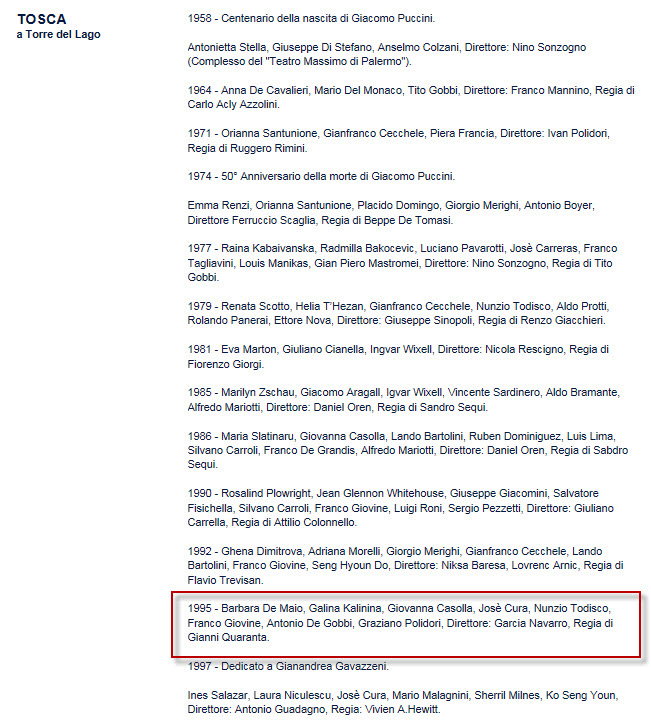
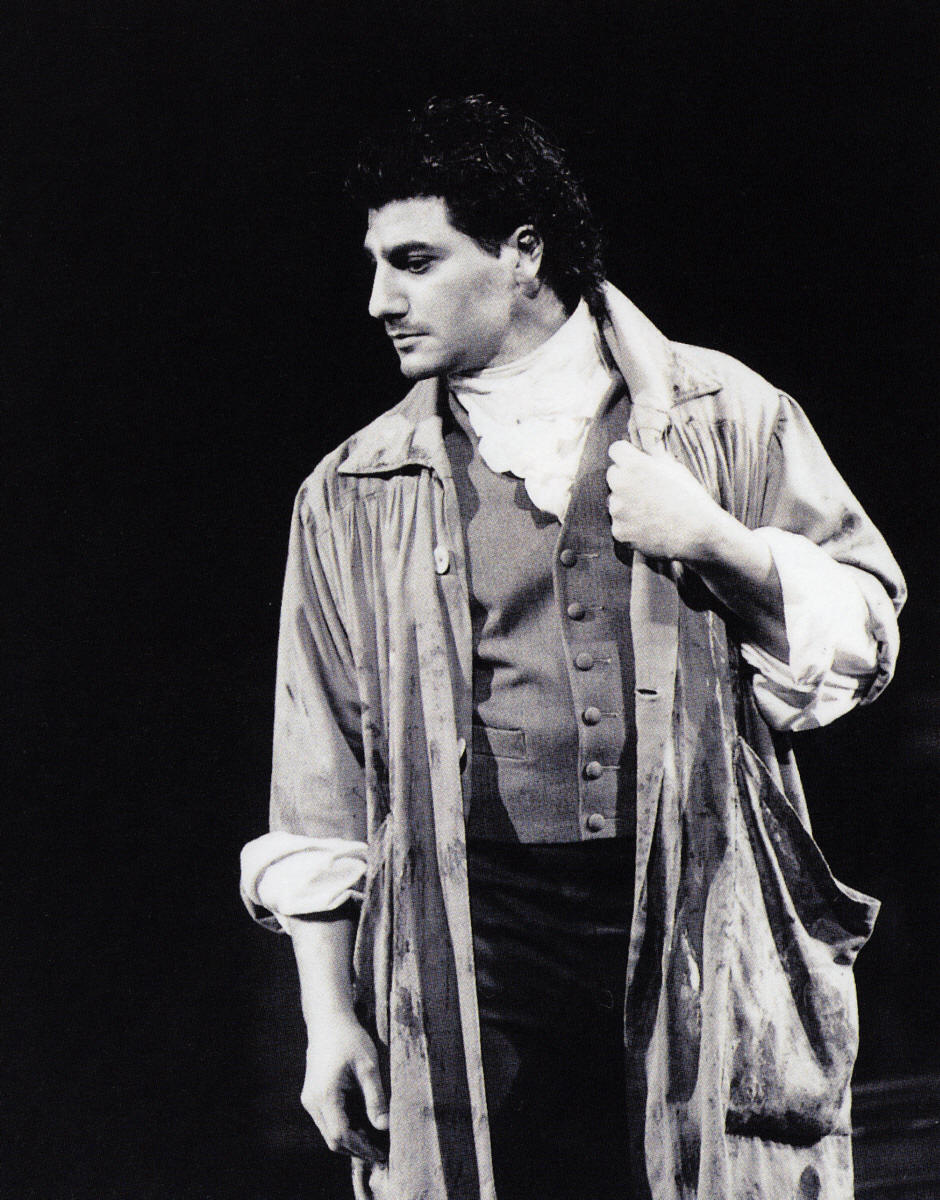
José Cura's First Fully Staged Tosca
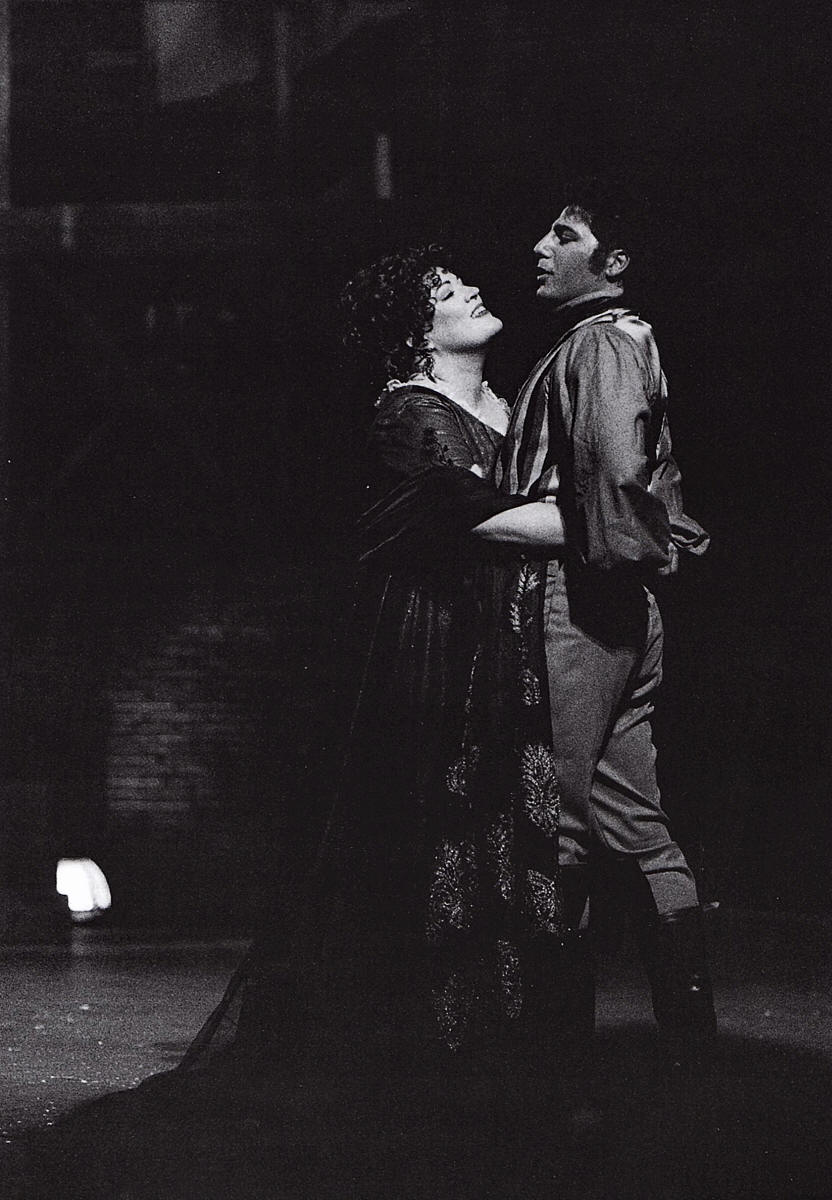
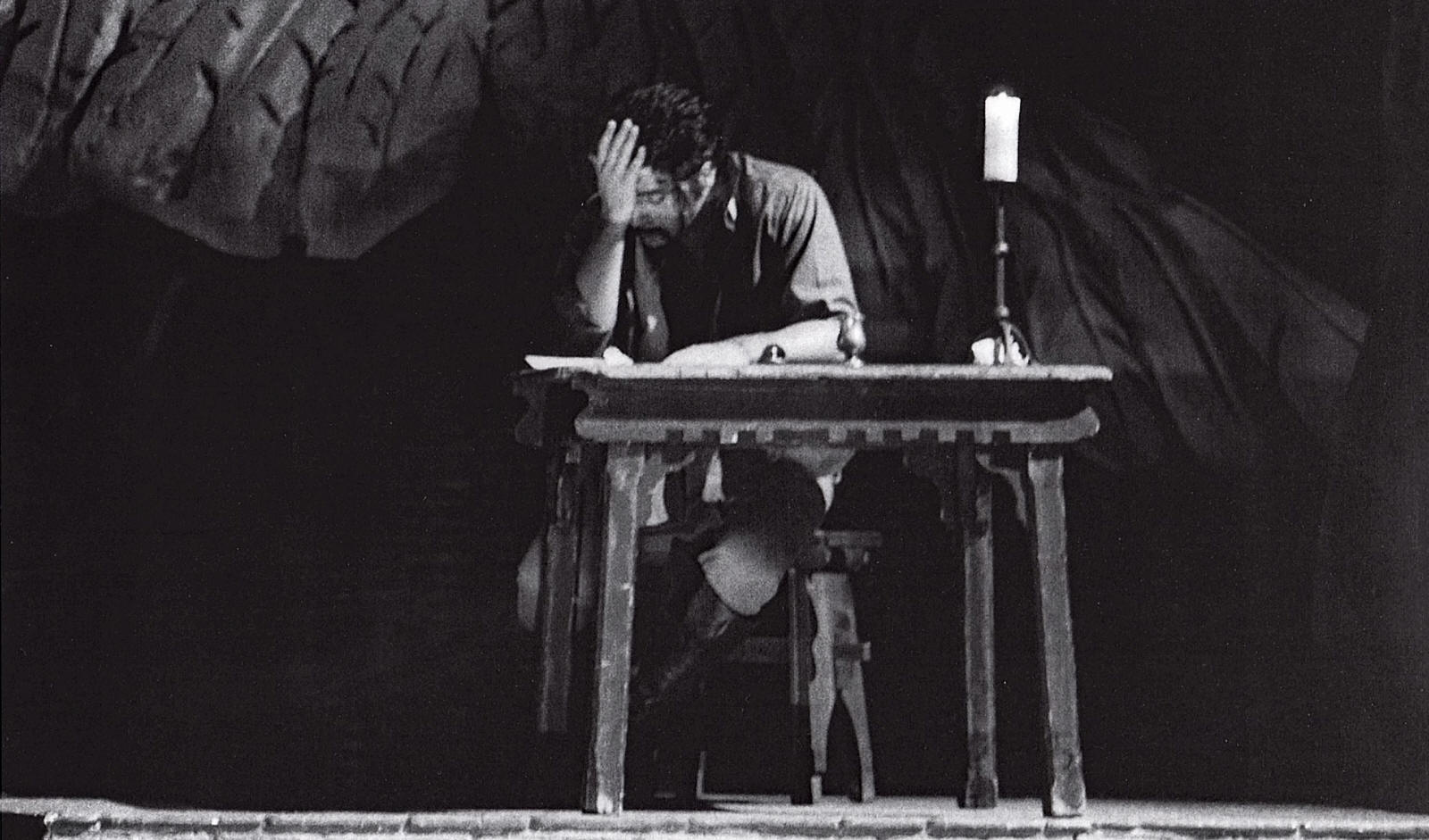
Puccini Festival , Torre del Lago
1995
|
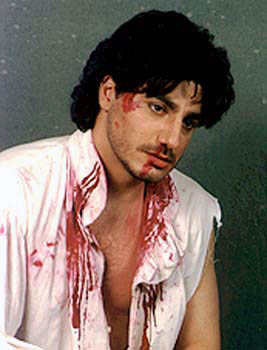
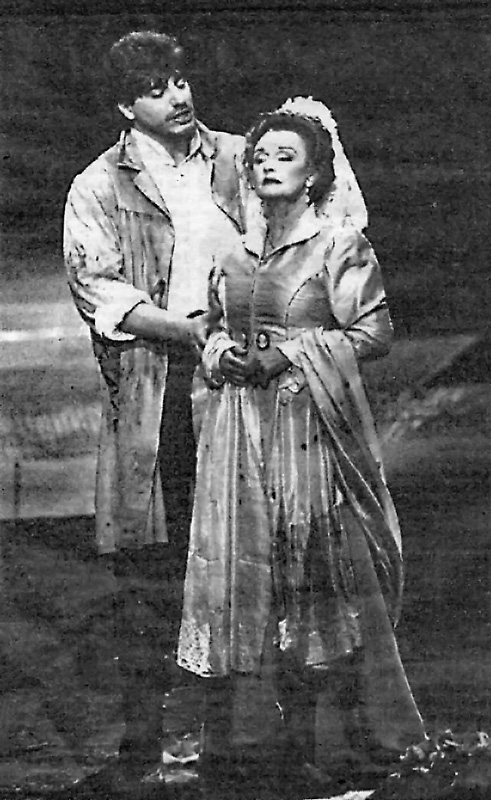
1996 - Puccini Spectacular
| Puccini Spectacular, Sydney and Melbourne: 'By popular acclaim the night belonged to José Cura, the audience roaring its approval of the personable young tenor at the curtain calls. He is highly impressive in straight-from-the-shoulder passages. The powerful timbre and vigorous delivery in such sections tends to outshine his equally effective interpretations of "E lucevan le stelle" and ardent, non-hysterical "Nessun dorma".' The Age |
 |
 |
|
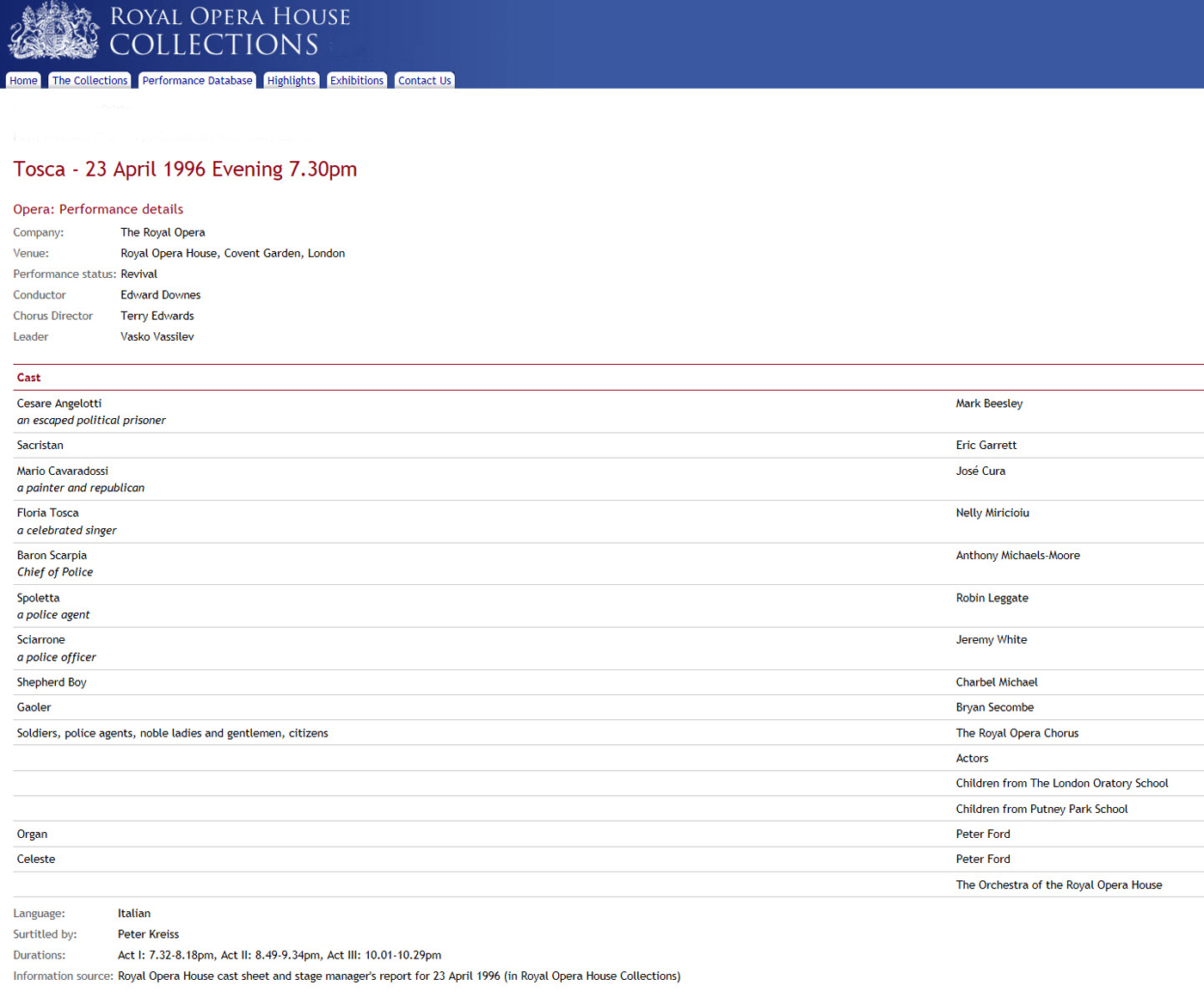
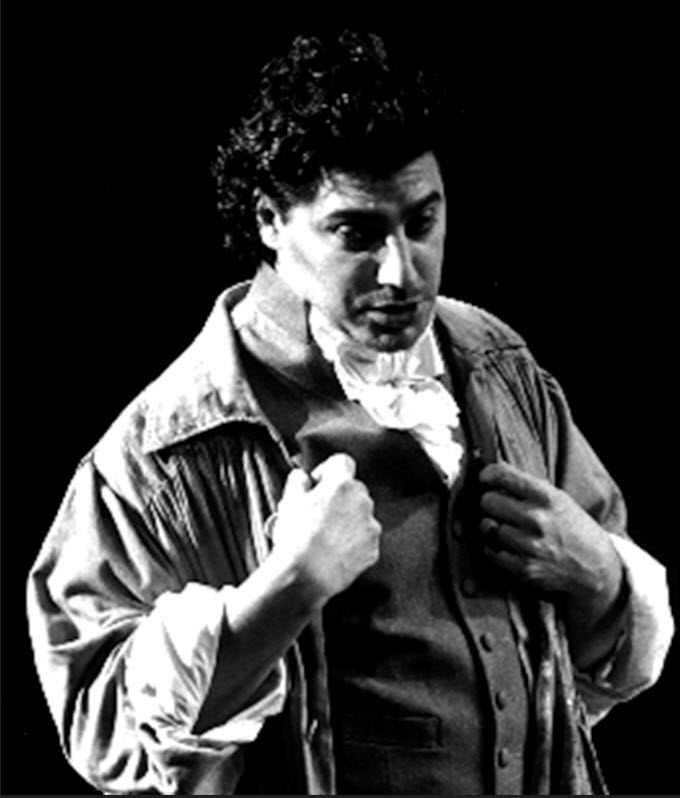
Tosca Debut -- Royal Opera House 1996
|
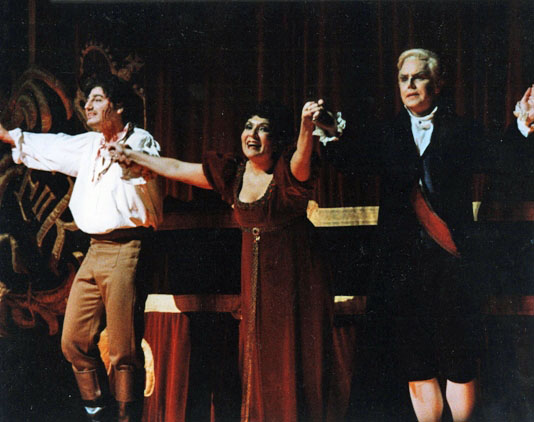
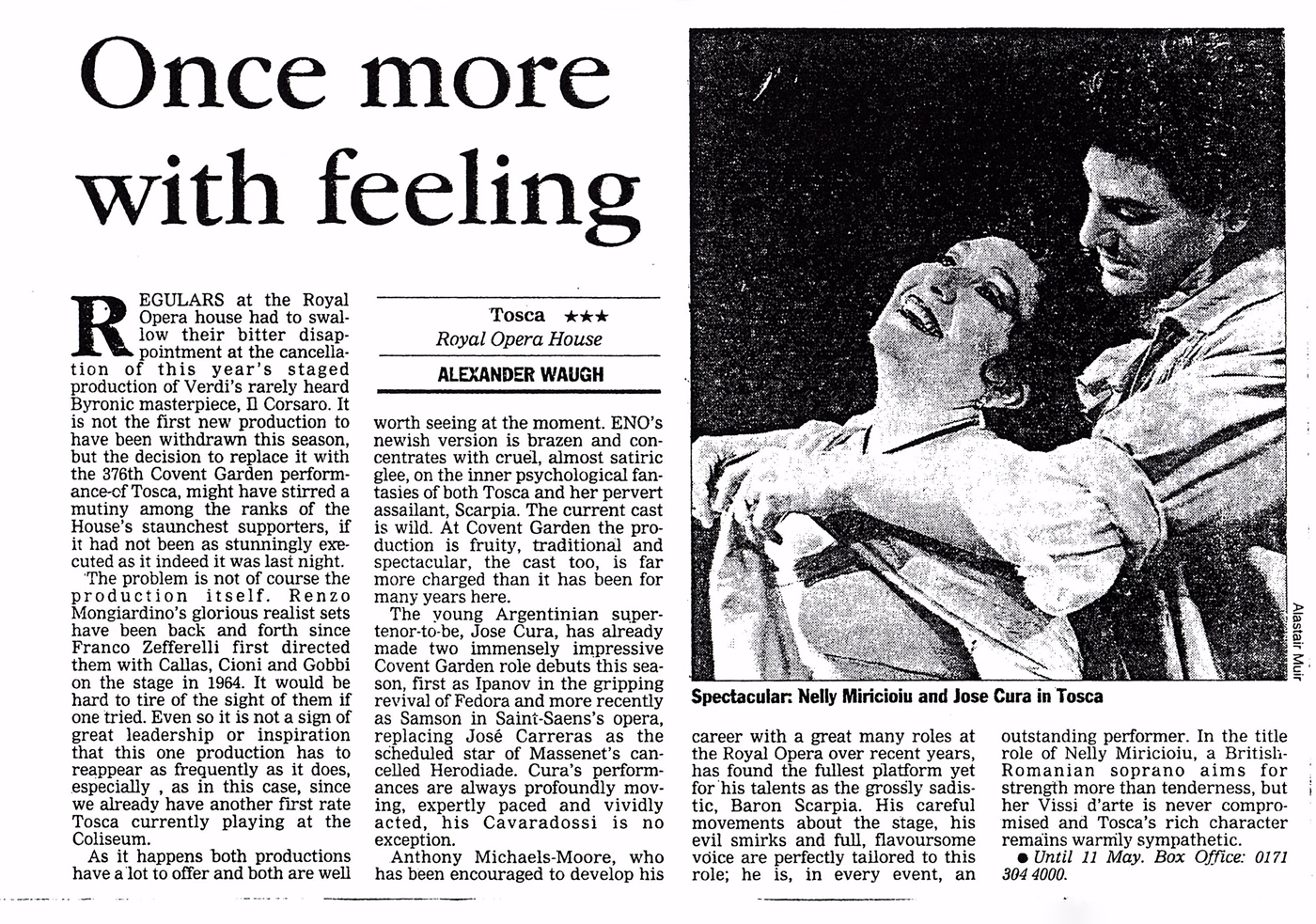
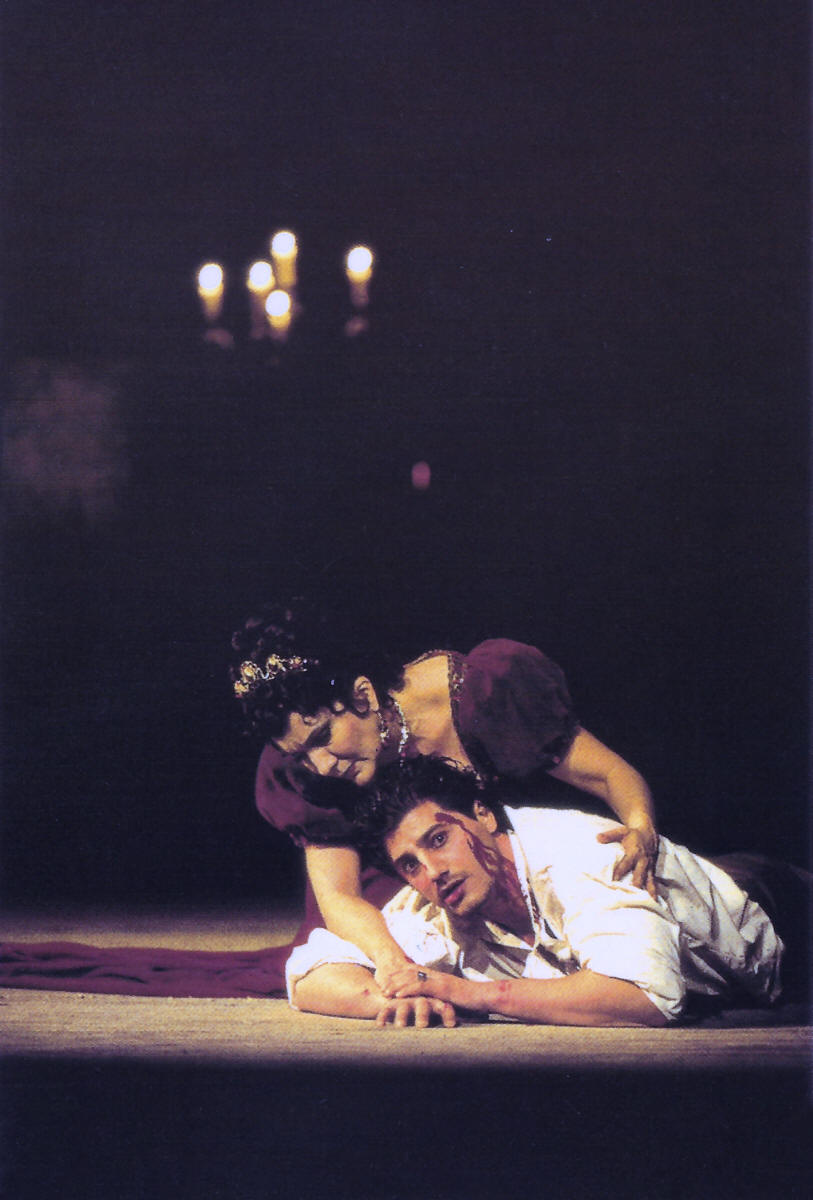
| Eye-opener still kept in the dark John Higgins 25 April 1996 The Times The Royal Opera’s revival of Tosca in December was one of the most dismal nights of the season. Considerable redress is now made with the present, final run of four performances, strongly cast and with each of the three principals playing their roles here for the first time. Anthony Michaels-Moore has sung bits of Scarpia on record but until now not the whole role on stage. From the moment in Act I when he emerges from shadows, of which there are more than enough during the evening, he scarcely puts an elegantly shod foot wrong. […] José Cura, the Argentinian tenor, has been taking on new roles and new composers for the ROH at an exceptional rate. Puccini’s Cavaradossi is the latest and he sings the painter with strong, burnished tones now expected of him. Parts like Samson may have taken a bit of the lyricism form the voice, but Cura manages very well the gentle phrasings of memories and hopes in Act III. But the victory cries of the middle act suggest that the heroic repertory will be his forte, in all senses of that word. Cura added a nice dash of petulance in the opening scene with Tosca, remarking that he wants to get back to work and stop canoodling before the Madonna. Tosca responds with equal irritation at such ungallant behavior. She is sung by Nelly Miricioiu, a house favorite back in the 1980s and now returning after a long absence. She remains a first rate actress…”Vissi d’arte” was taken too quietly for too long to cast it spell. Here Edward Downes may have to take some of the blame. He has been opera-hopping this month, declining Nabucco and taking over Tosca from Evelino Pido. He took an almost serene view of Puccini, choosing slow tempos, full of orchestral colour but light on drama. Perhaps he was numbed by a production which now covers much of the crucial action on darkness. “José Cura as Cavaradossi possesses a crowd-pleasing Italianate sob and he let rip with a “Victory”cry that bounced off the back of the slips….” Sunday Express Insider, April 1996 “The young Argentinean super-tenor-to-be has already made two immensely impressive Covent Garden role debuts this season, first as Ipanov in the gripping revival of Fedora and more recently as Samson in Saint-Saëns’ opera. Cura’s performances are always profoundly moving, expertly paced, and vividly acted, his Cavaradossi is no exception.” Evening Standard, May 1996
“I’m pretty keen on José Cura. As Cavaradossi it took time for the shouting manner to diminish into intimacy. E lucevan le stelle was ideally chilling; it’s not every tenor who remembers that this isn’t just a big number, but a key dramatic point.” Daily Telegraph, June 1996
"José Cura's Cavaradossi is as successful as was his Samson, which is saying a lot. The voice has a beautiful coppery edge, his phrasing is both clean and musical and his enunciation clear and intelligent. Perhaps the range of colour he commands is as yet limited, but he compensates with ready use of a fine mezza voce in a part where, especially in the last act, this is a pleasure yoo seldom met with." Opera
|
|
|
|
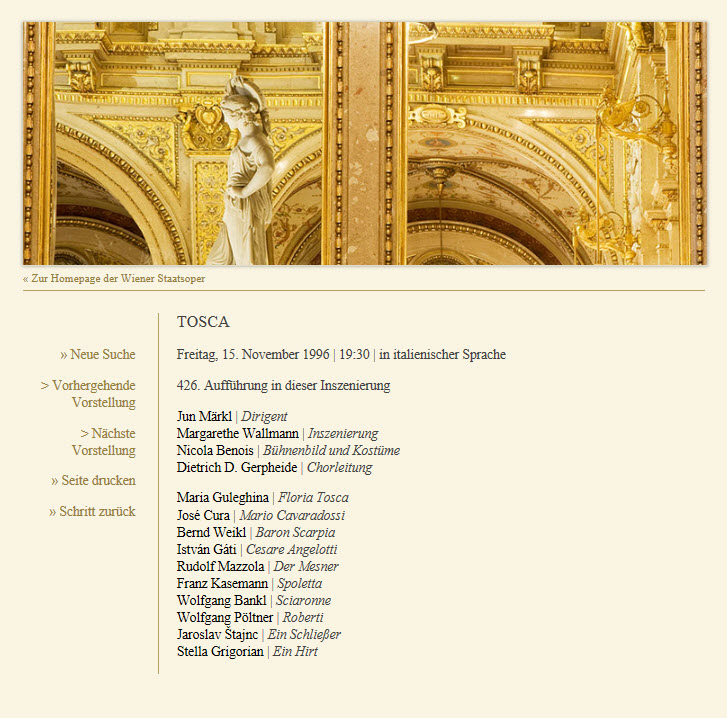
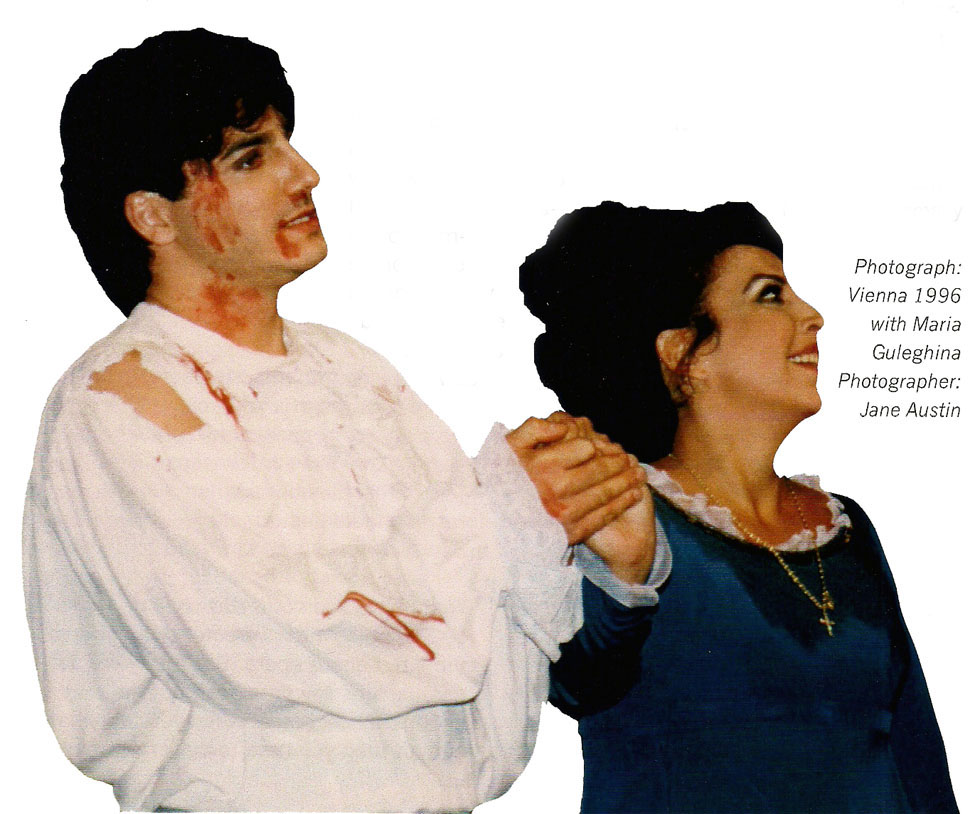
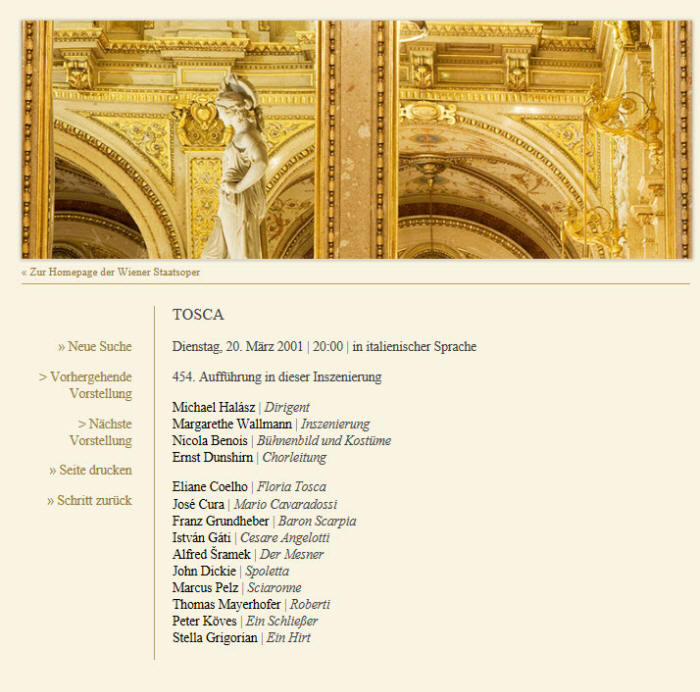
Vienna Debut 1996
Click on the photo above to hear the Act I Duet
|
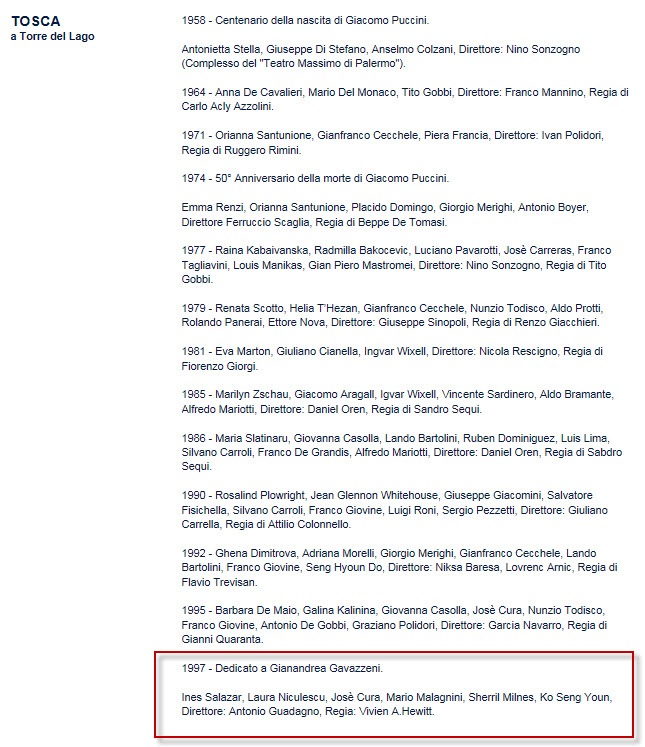
| Torre del Lago Return 1997
|
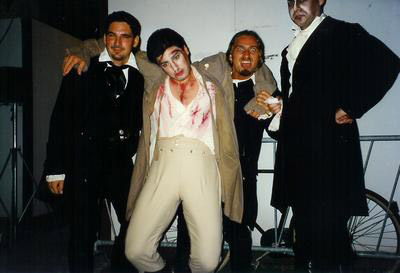
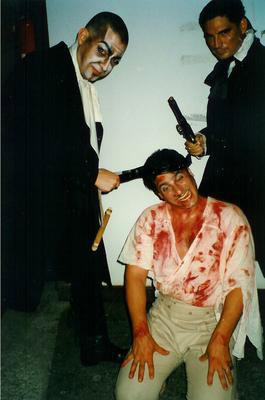
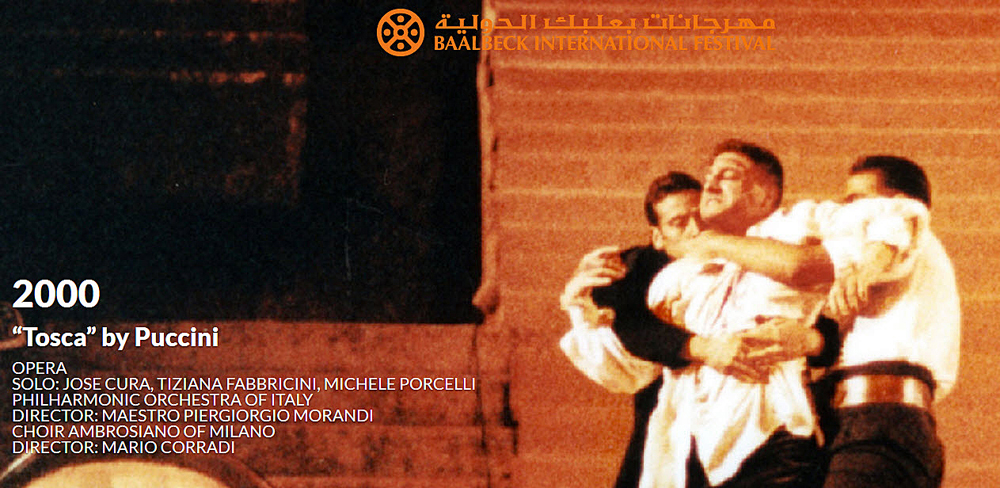
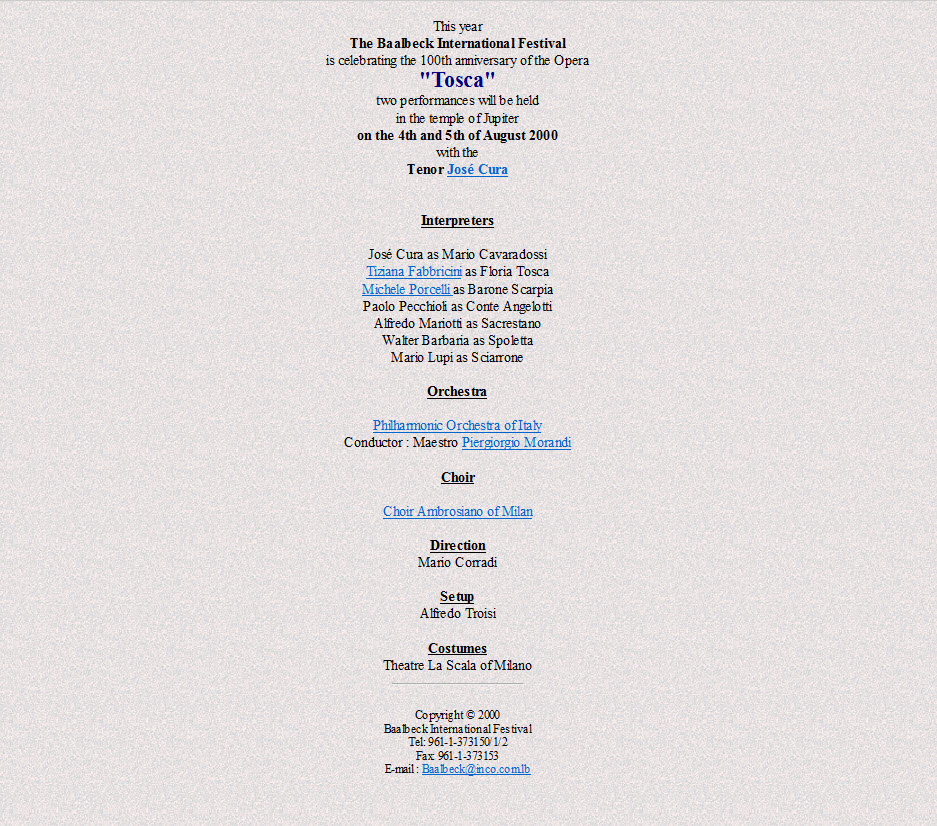
| Baalbek 2000
|
|
Bari 2000
|
|||||
|
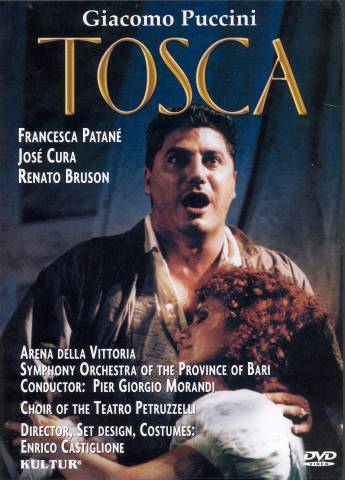
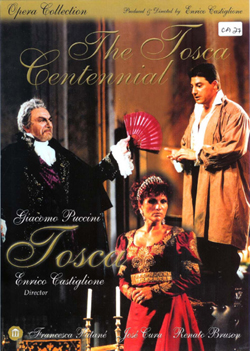
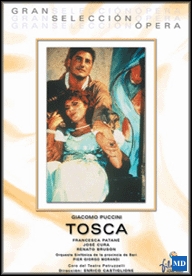
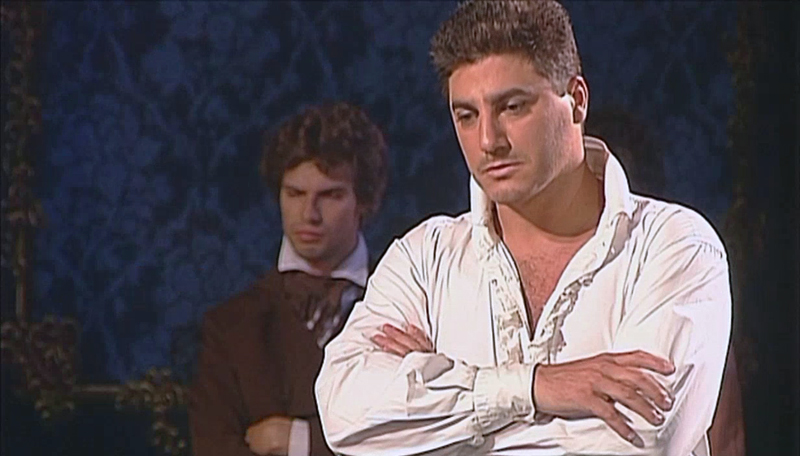
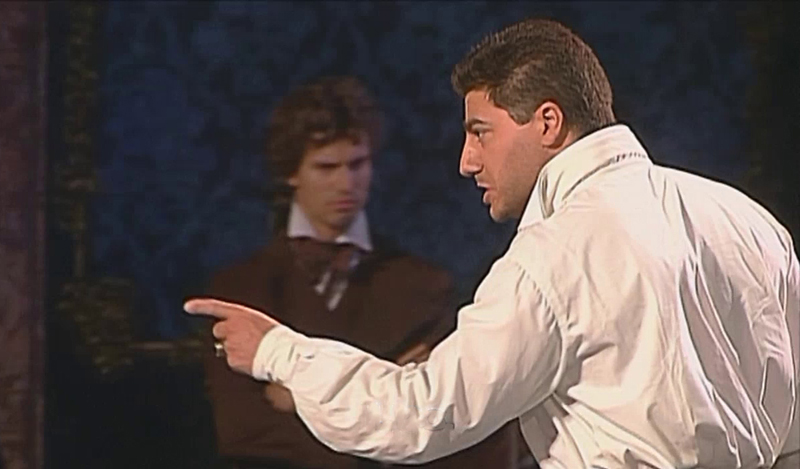
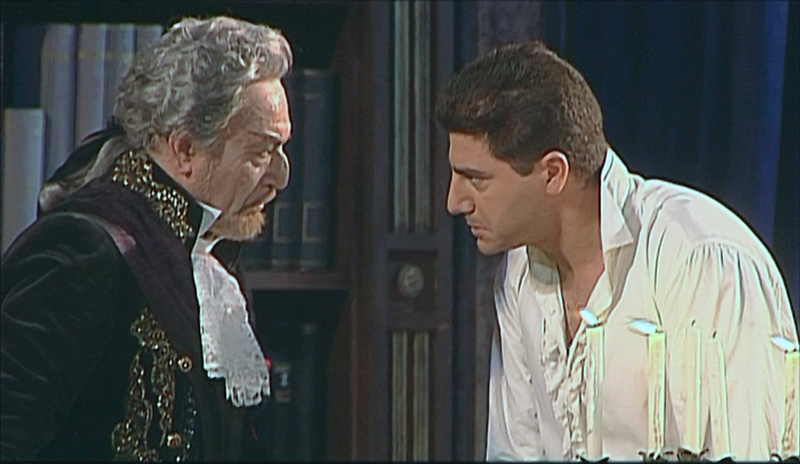
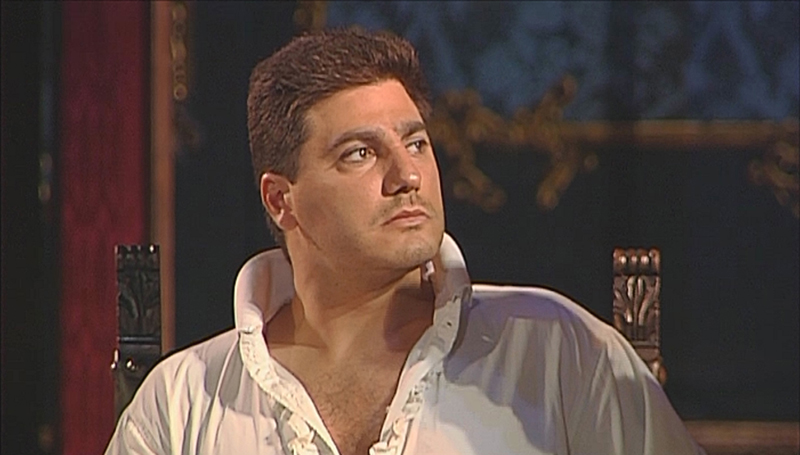
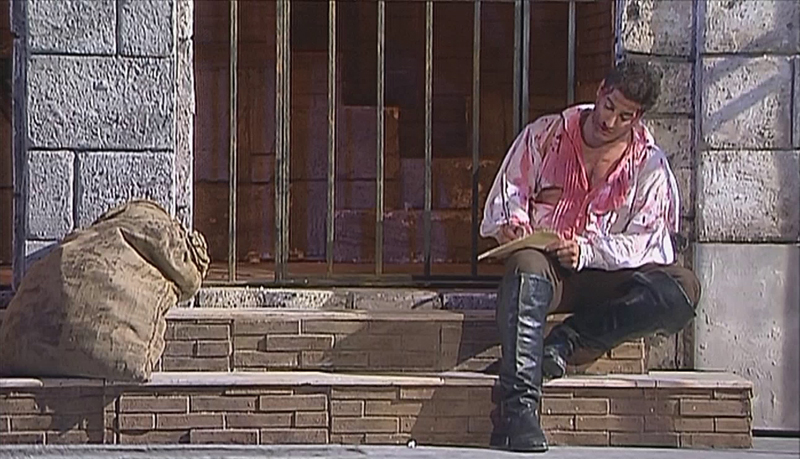
Tosca DVD (Bari): “This thoroughly conventional production from Bari could have been staged any time during the past 40 years. It is lifted above the ordinary, however, by the impassioned and exemplary singing of José Cura.” Opera Now, March/April 2008
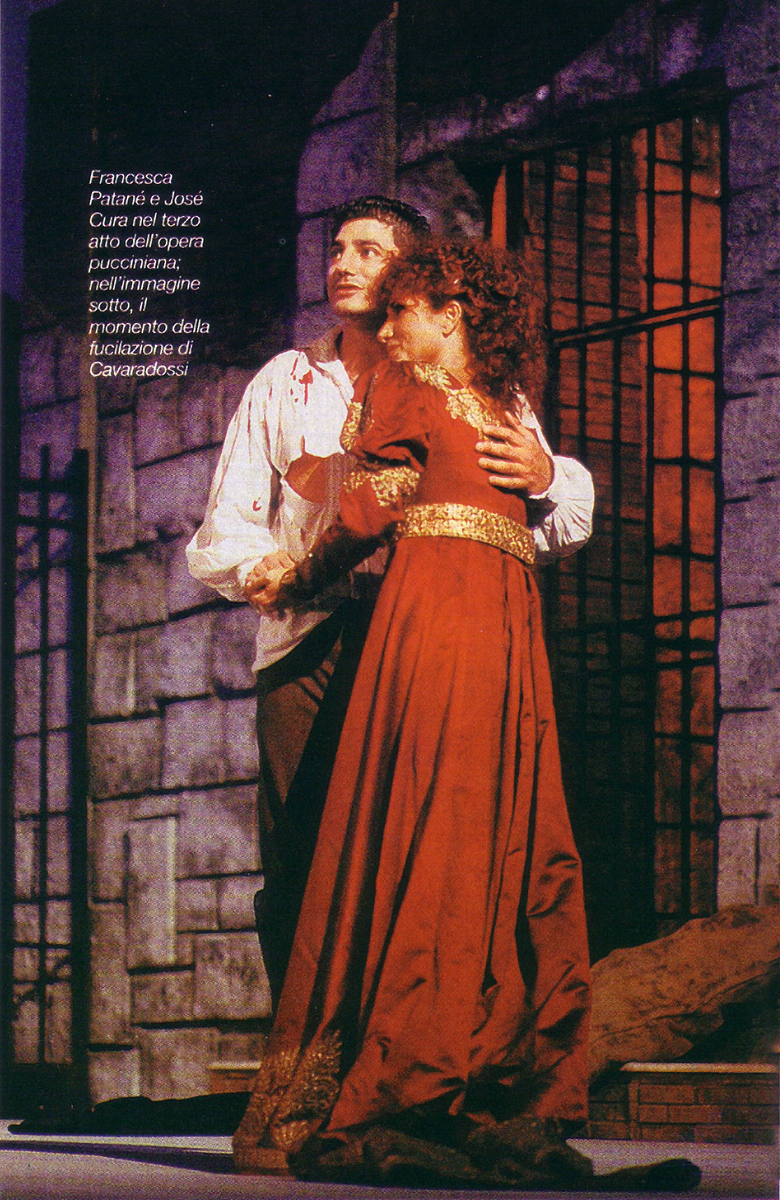
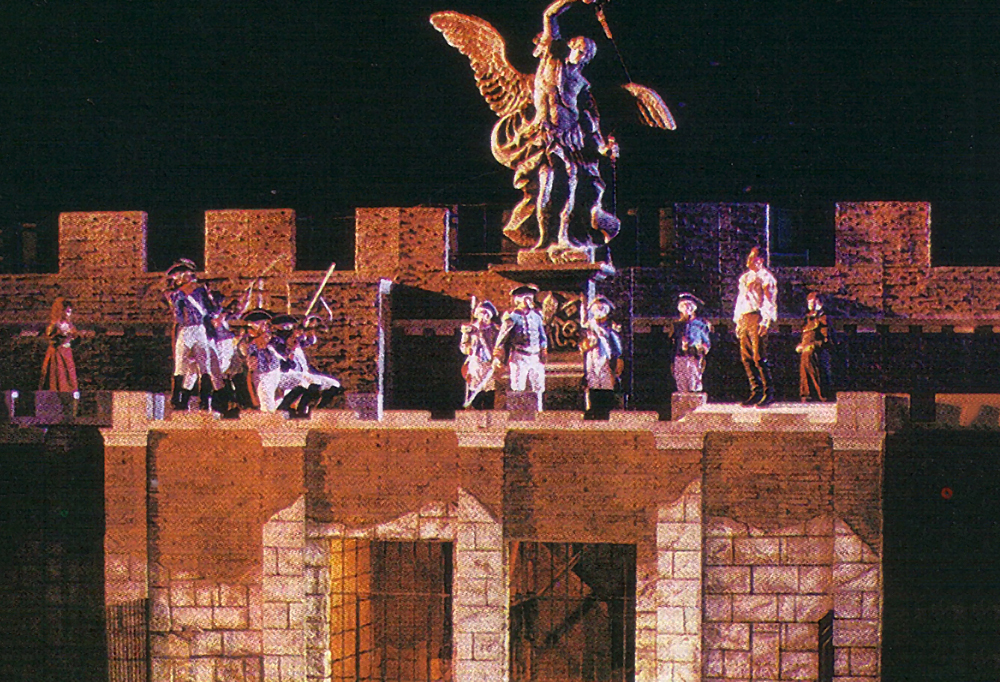
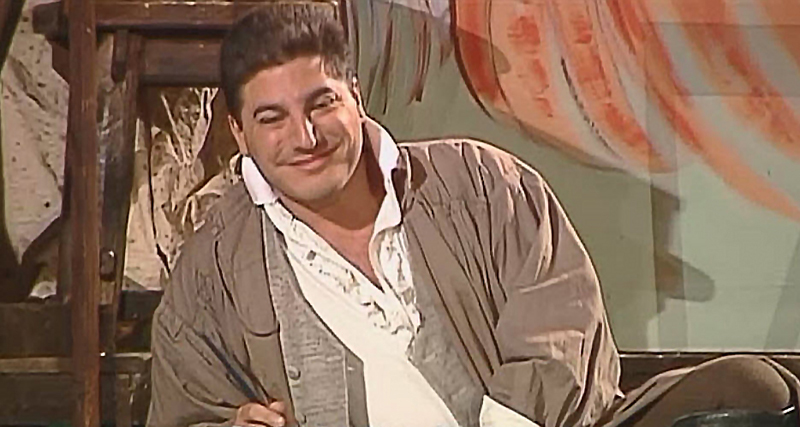
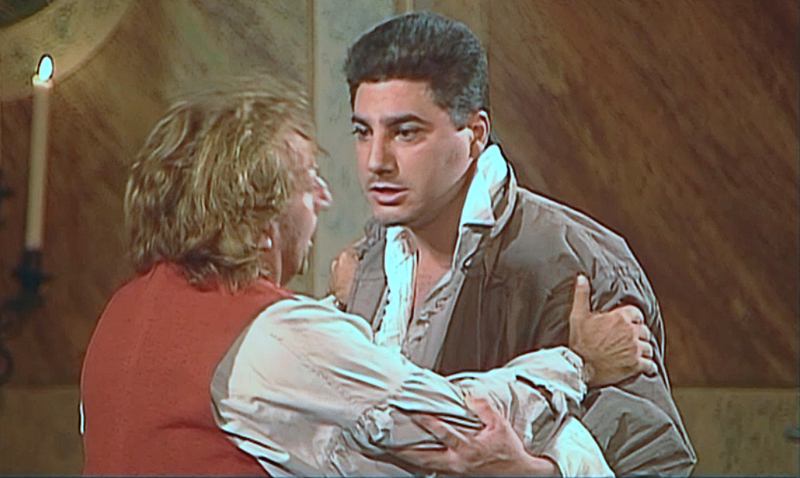
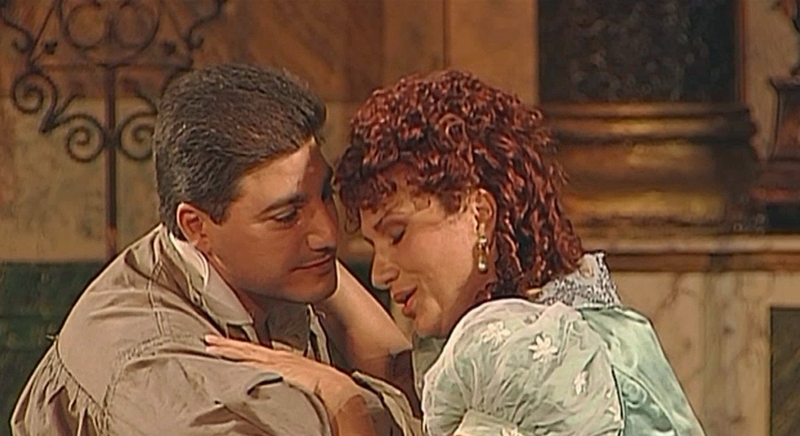
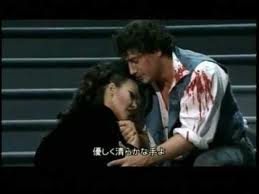
Tosca DVD (Bari): “With this 2000 production, a new generation steps powerfully into the romantic lead roles in Puccini's verismo shocker; Francesca Patané, daughter of the noted conductor Giuseppe Patané, and José Cura, a young tenor who seems destined for a major career. The performance is impressive--almost amazing, considering that this video originates in a provincial opera house, not La Scala, Rome, or Verona. Sets and costumes are sumptuous, conducting is expert, and the director has a fine sense of which details matter. It is not flawless--the leading voices seem to need a bit more warming up on their first appearance; but as they settle into their roles, their singing quickly becomes excellent. Their acting is good from beginning to end.” Amazon Reviews
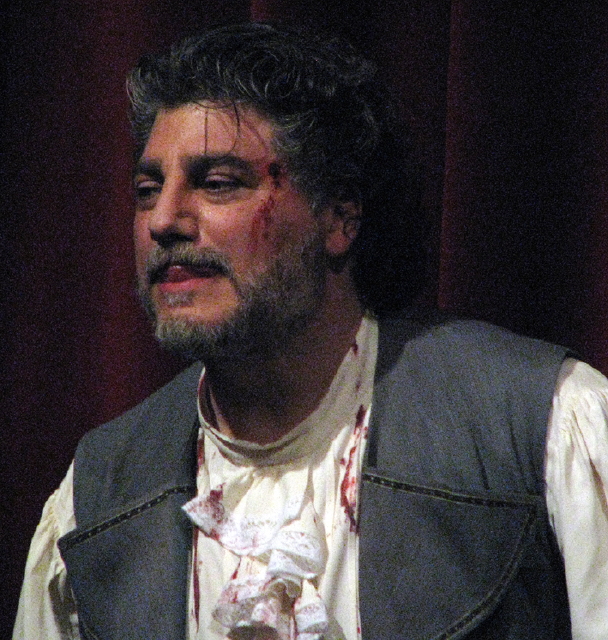
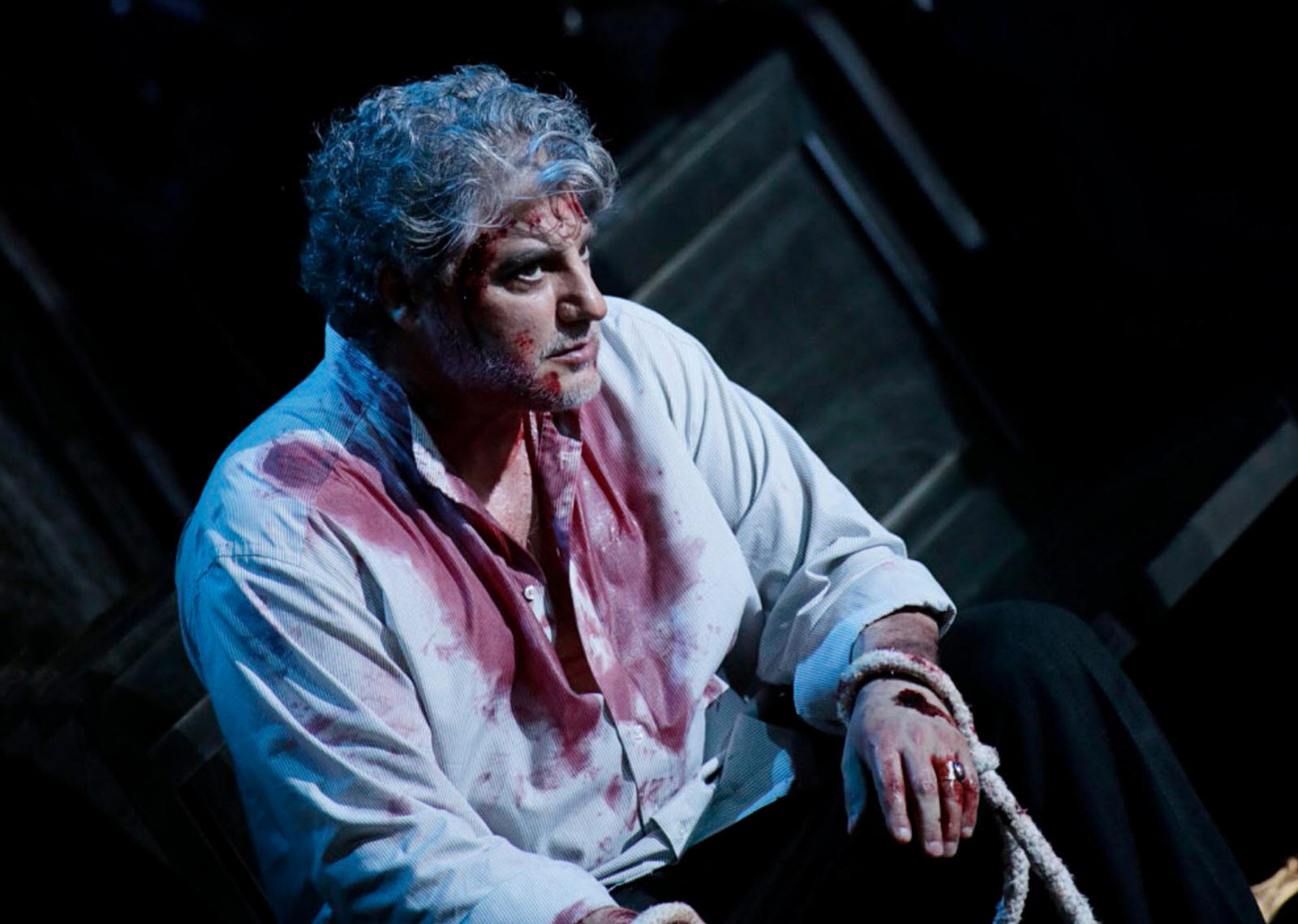
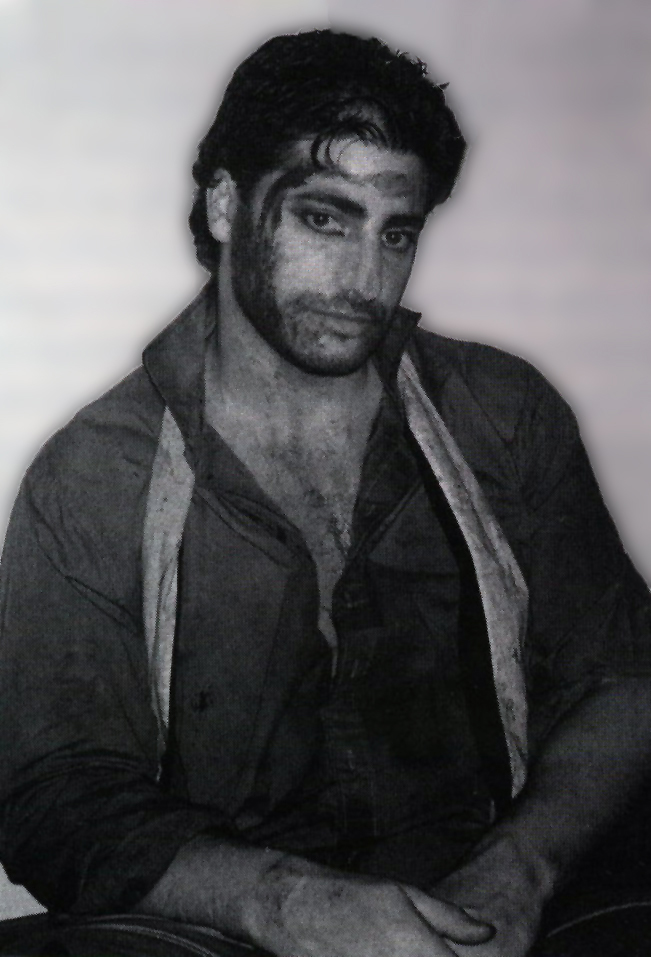
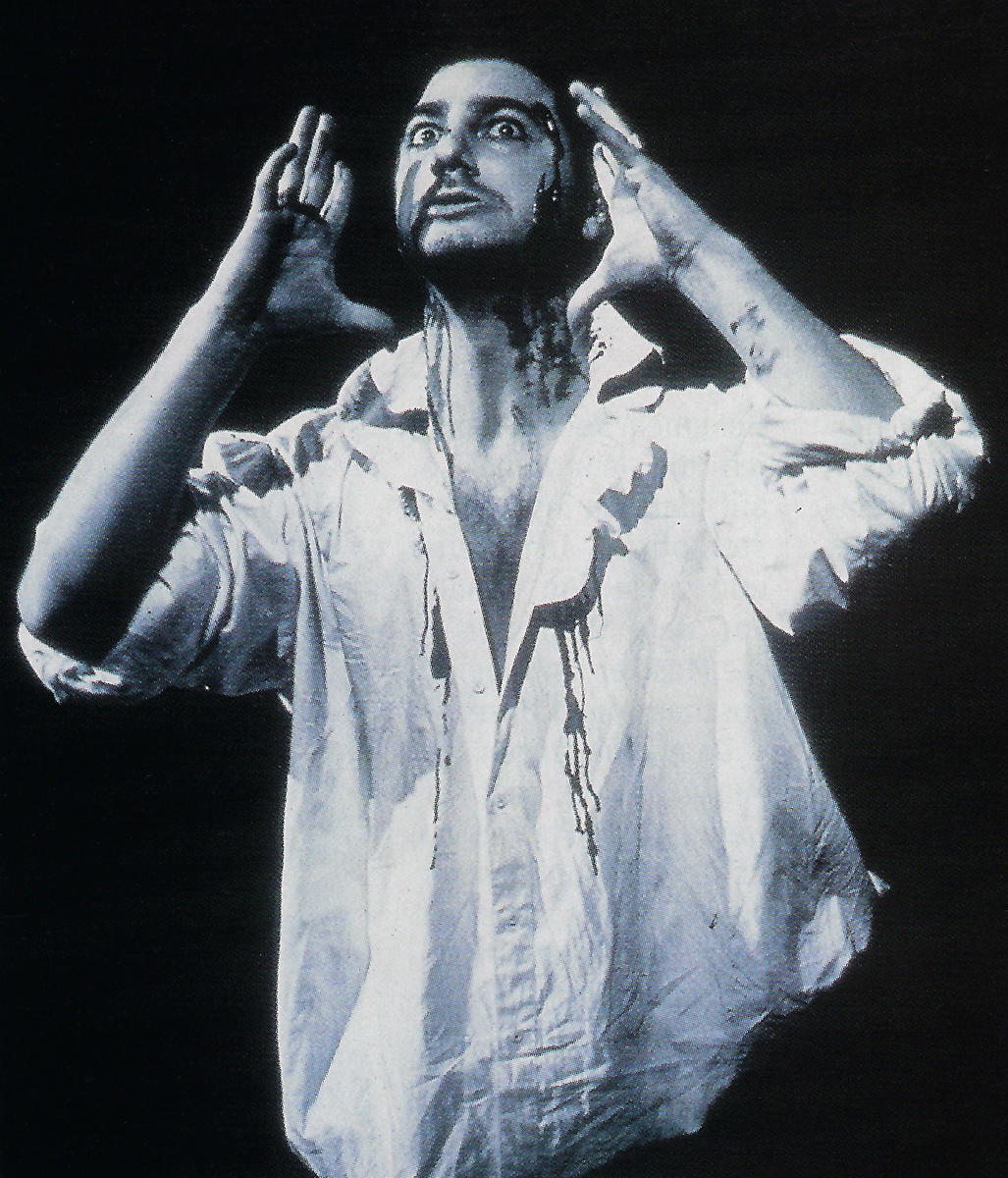
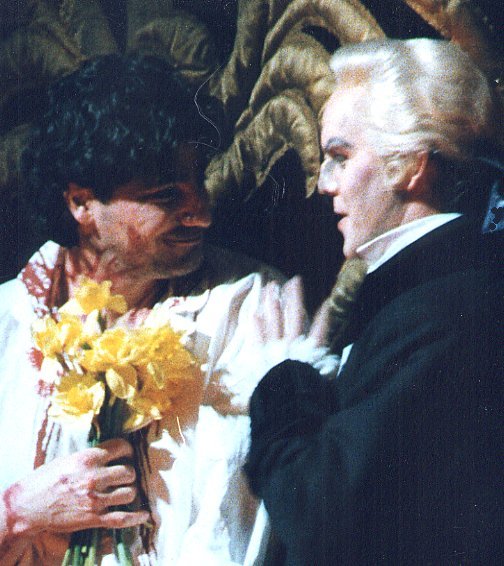
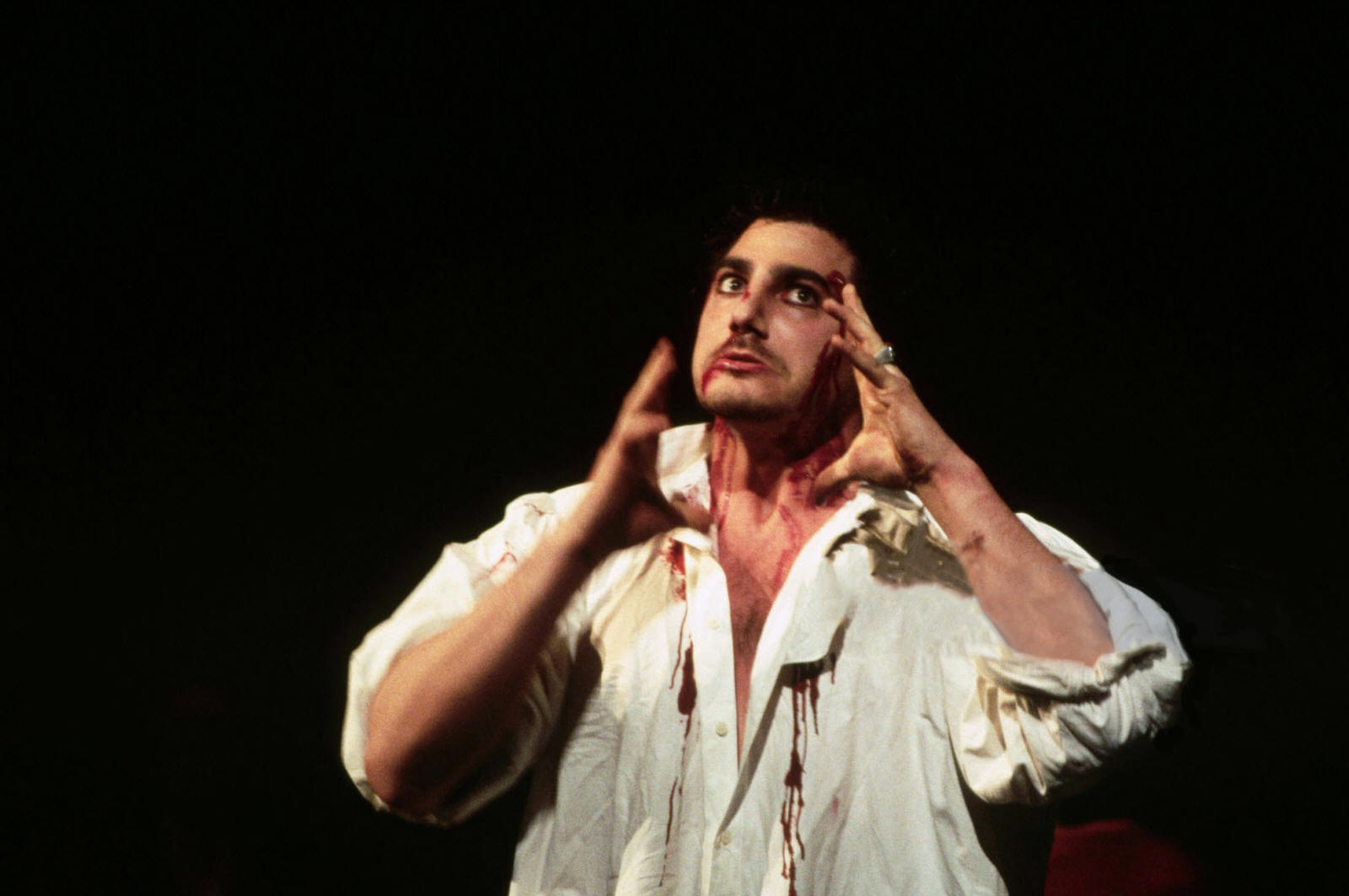
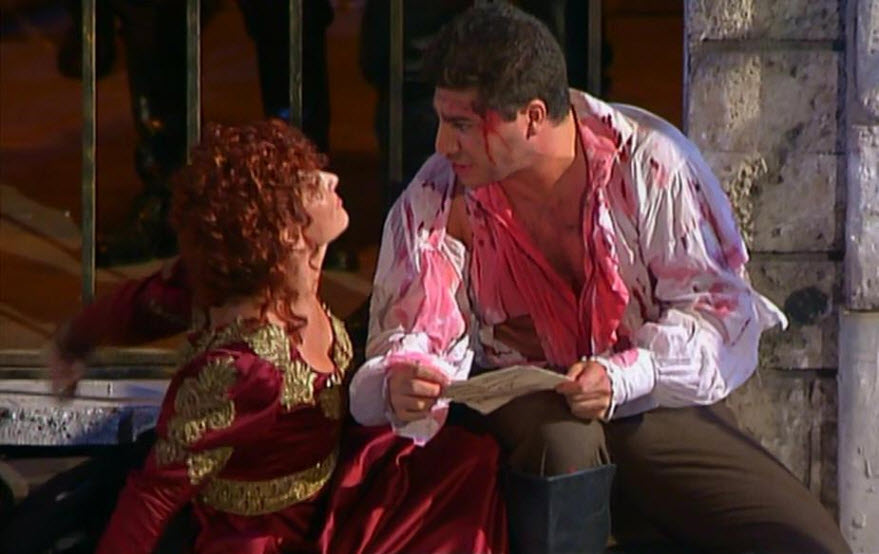
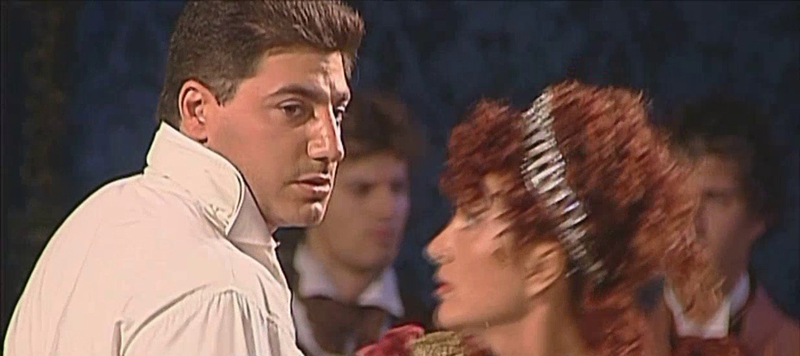
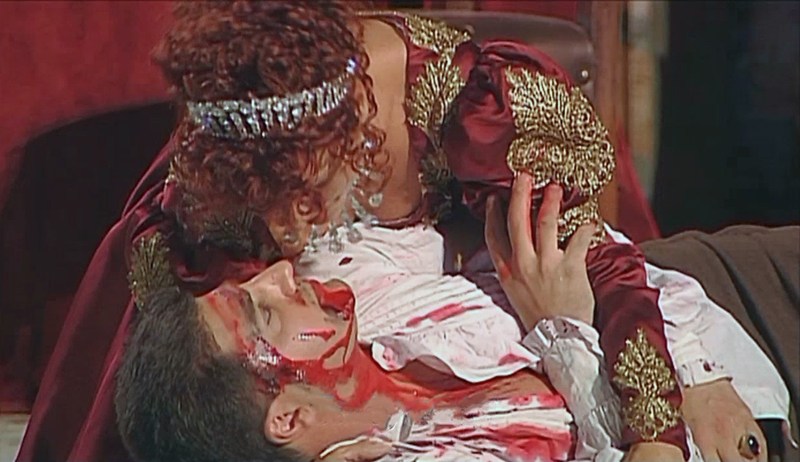
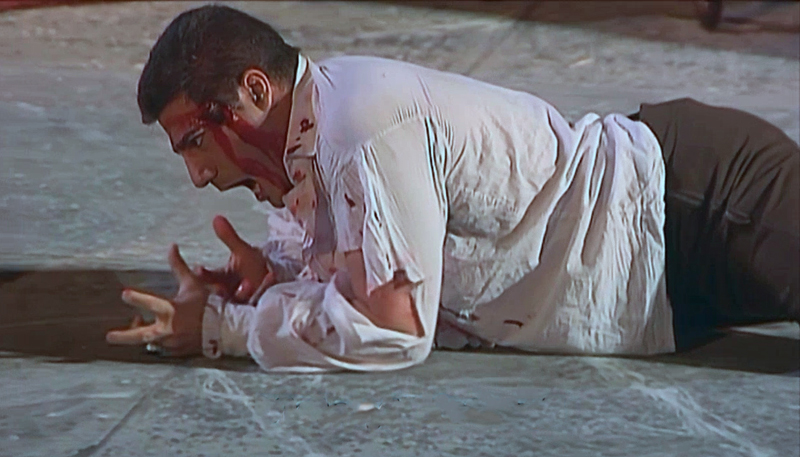
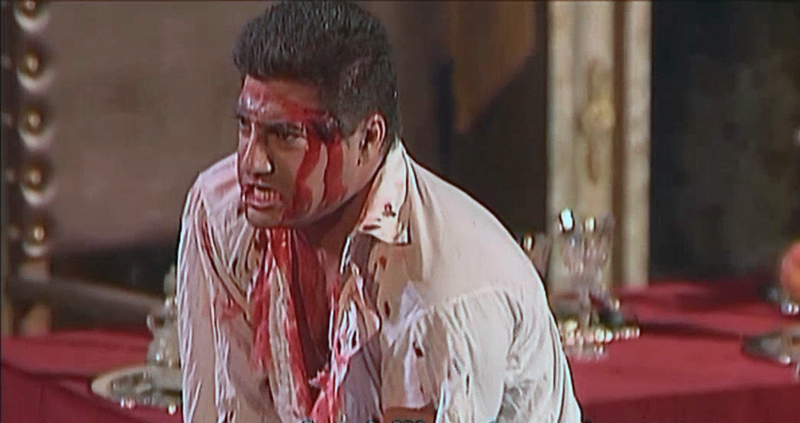
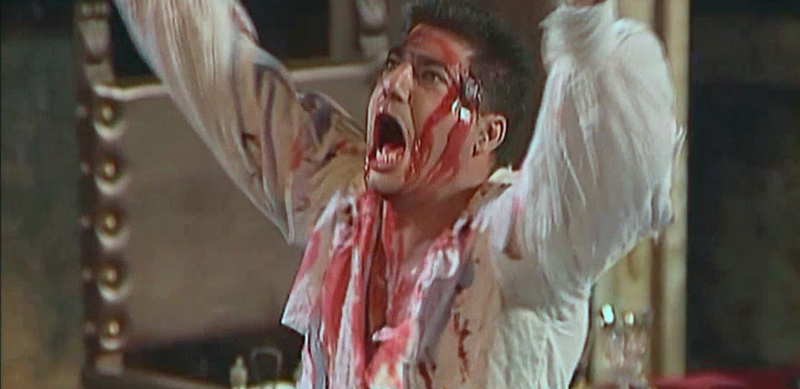
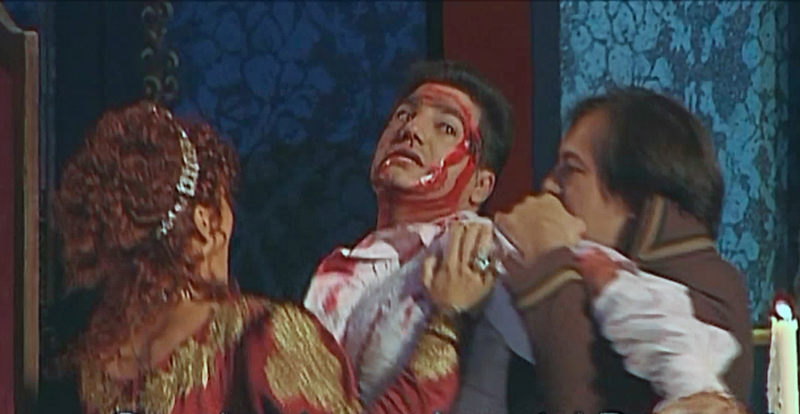
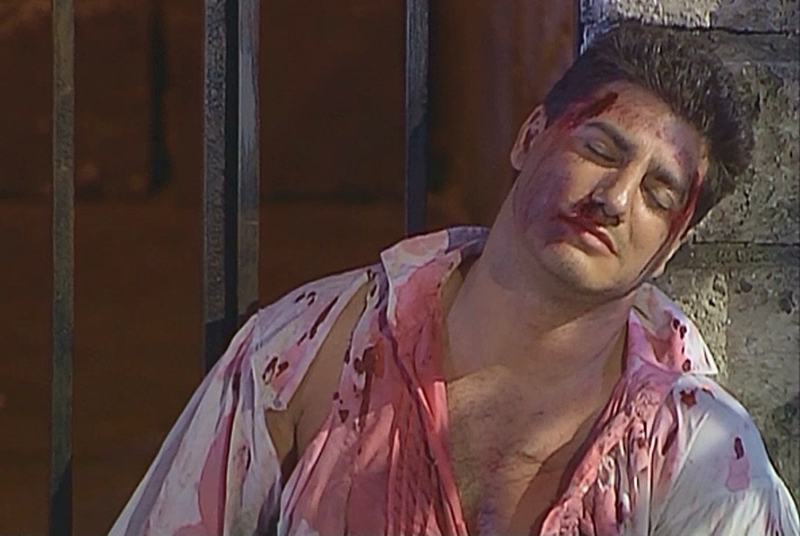
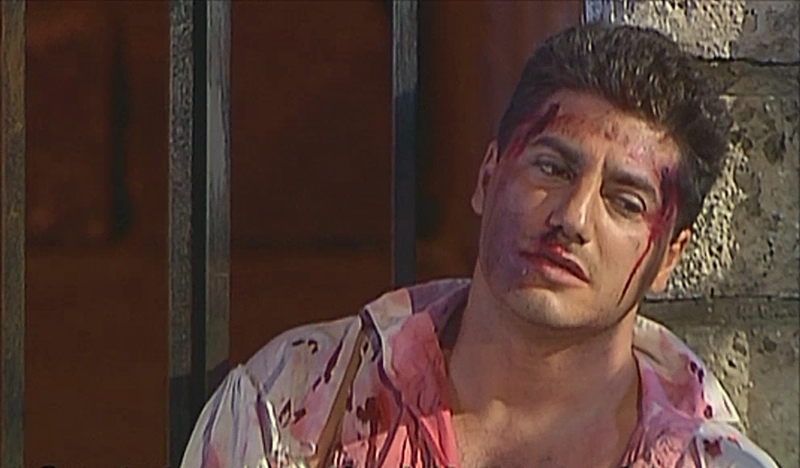
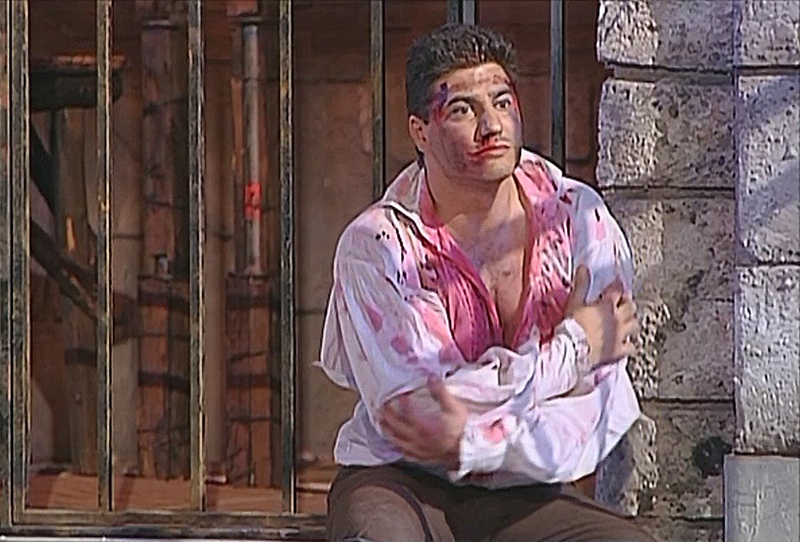
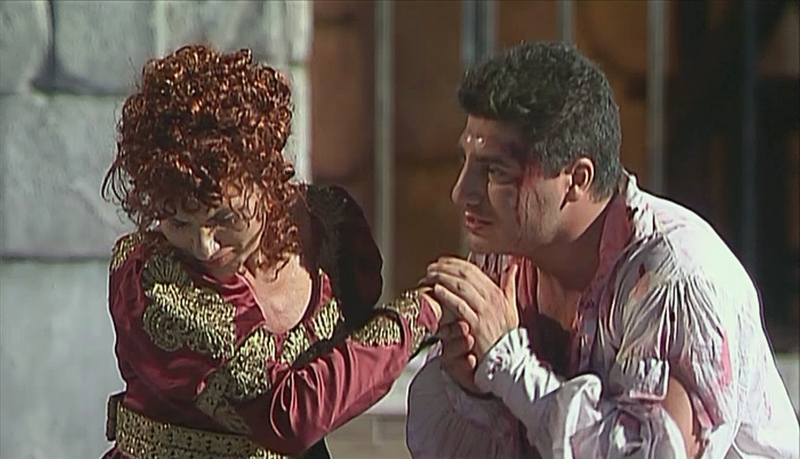
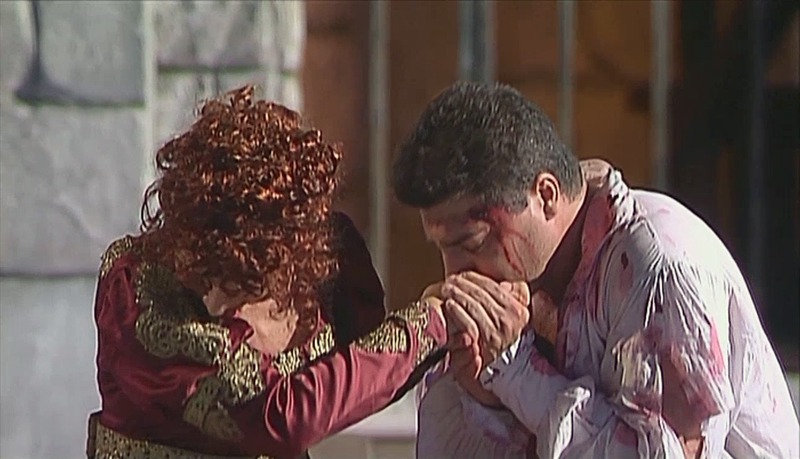
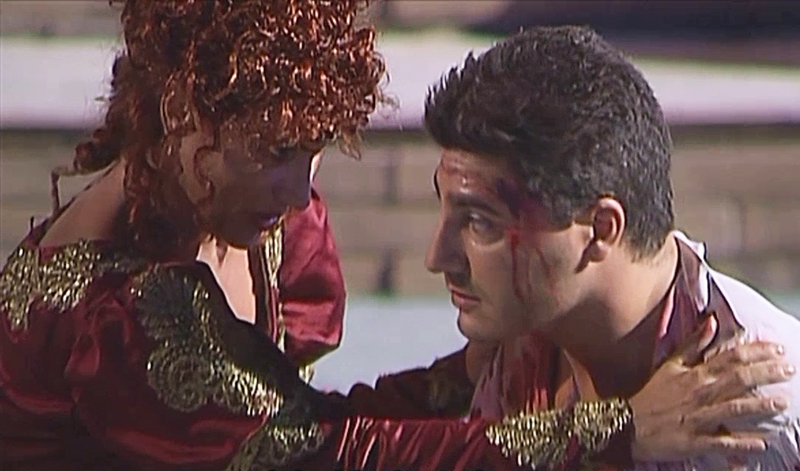
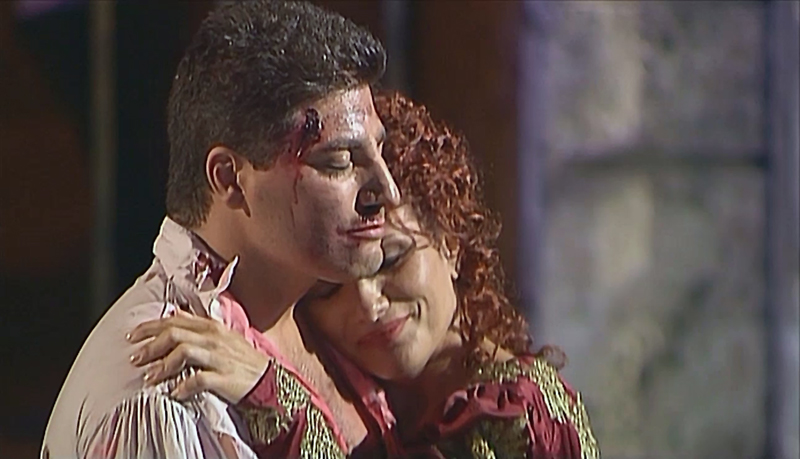
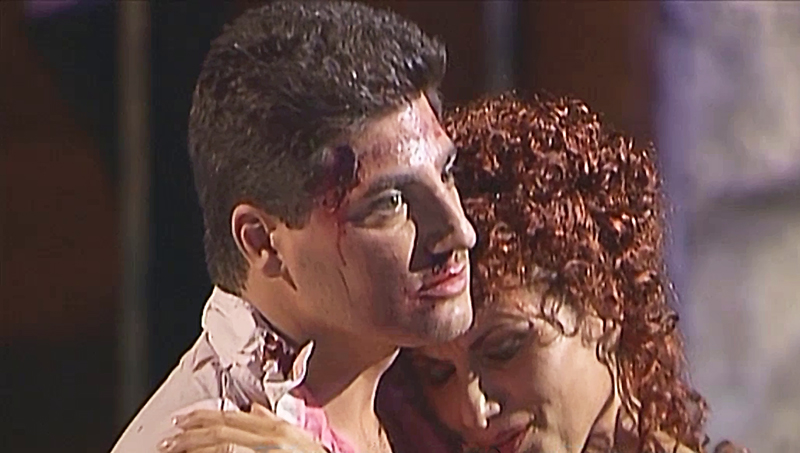
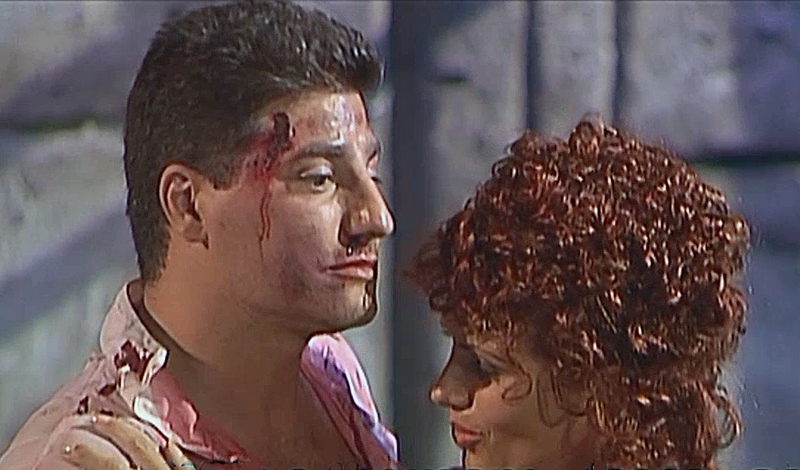
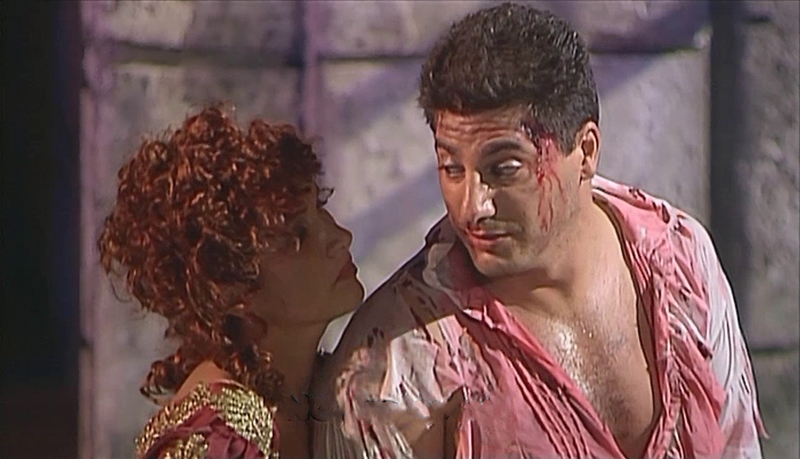
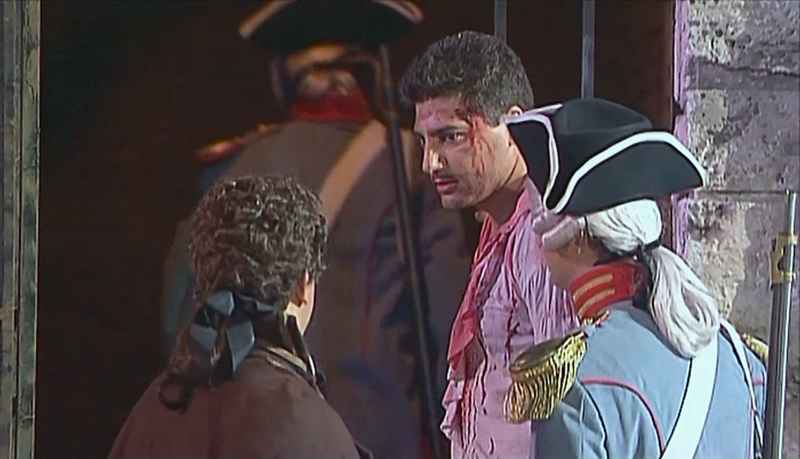
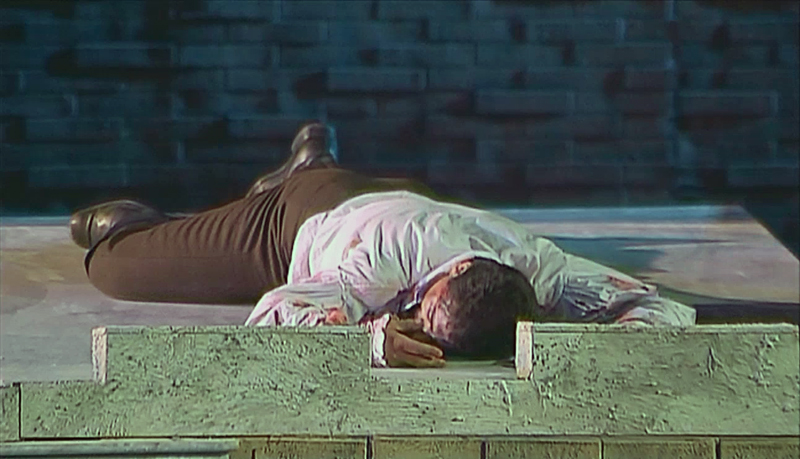
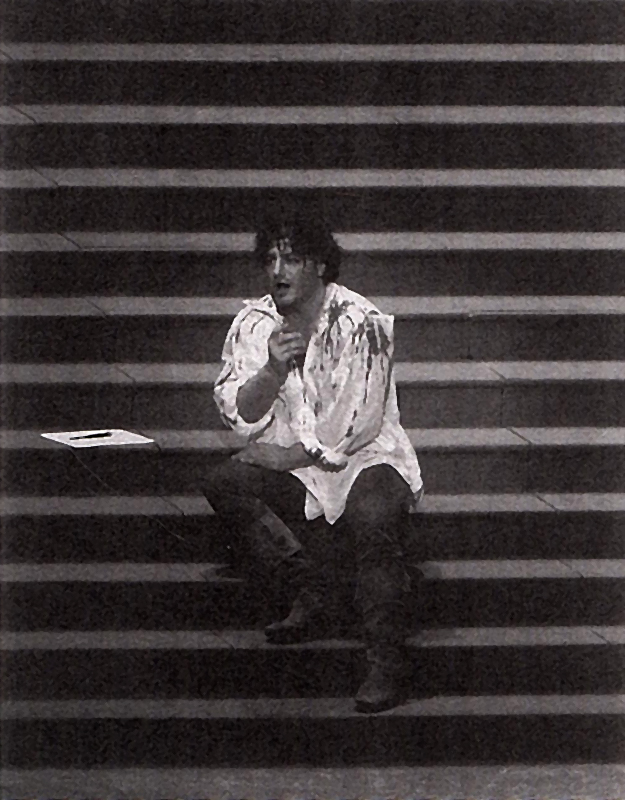
Tosca DVD (Bari): “With the entrance of [José Cura] the prospects looked better. Here was José Cura, good-looking and neat, but he seemed to wish he were somewhere else. That it was a classy voice was never in doubt, but his singing has often been quite idiosyncratic. He inserted little glottal stops – for expressive reasons. He delivered his Recondita armonia with some verve. The second act became that spine-chilling thriller one hoped for. Against this backdrop the cruel proceedings unfolded mercilessly and rarely has a Cavaradossi been more ruthlessly tortured, bleeding copiously from severe wounds on his forehead and temples and the shirt torn to piece. At the beginning of the third act Cavaradossi’s E lucevan le stelle was deeply felt; long applause. O dolci mani was soft and loving and the whole final scene breathed resignation – at least on behalf of Cura. I started the review on a negative note and certainly there are drawbacks here but some full-blooded singing from José Cura shows that at his best he is a stirring tenor in his unorthodox way.” Music Web International, January 2008
Tosca DVD (Bari): “José Cura's testosterone-fuelled, bizarrely baritonal tenor thunders into the arena, yet his interpretation of Cavaradossi is most successful in the moments of intimacy. Here, Cura's piano is vastly more beautiful than his forte. He sounds terribly under strain in his upper register throughout, and can consequently both wobble and veer from the centre of the note. Recondita armonia, coming at the start of the opera, finds the singer in particular difficulty, though there are glints of vocal beauty (notably the warm, shapely Tu azzurro hai l'occhio, enclosing a wonderful Italiante rolled R). By the end, Cura's efforts have paid off and one can admire both his vocal stamina and his convincing acting, even when his vocal struggle is to the detriment of the musical line.” MusicOHM, November 2007
|
| Act I
Act II
Act III
|
|
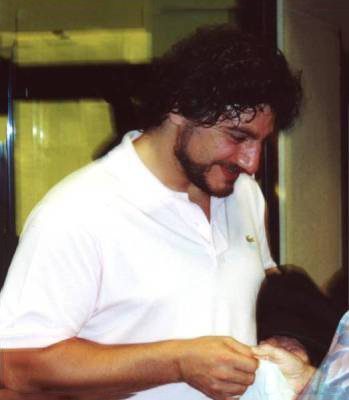
Tosca in Zurich - 2001
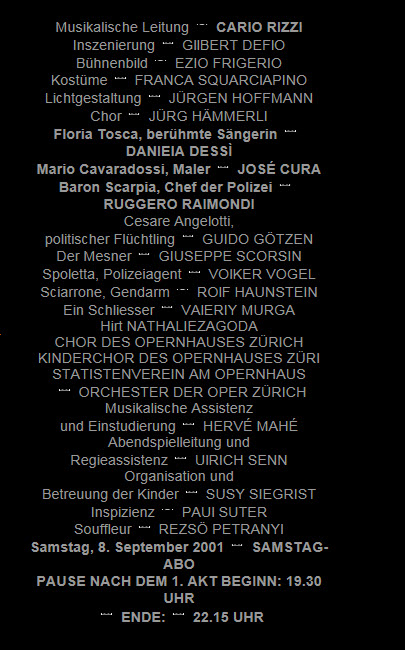
|
 |
|
|
|
|
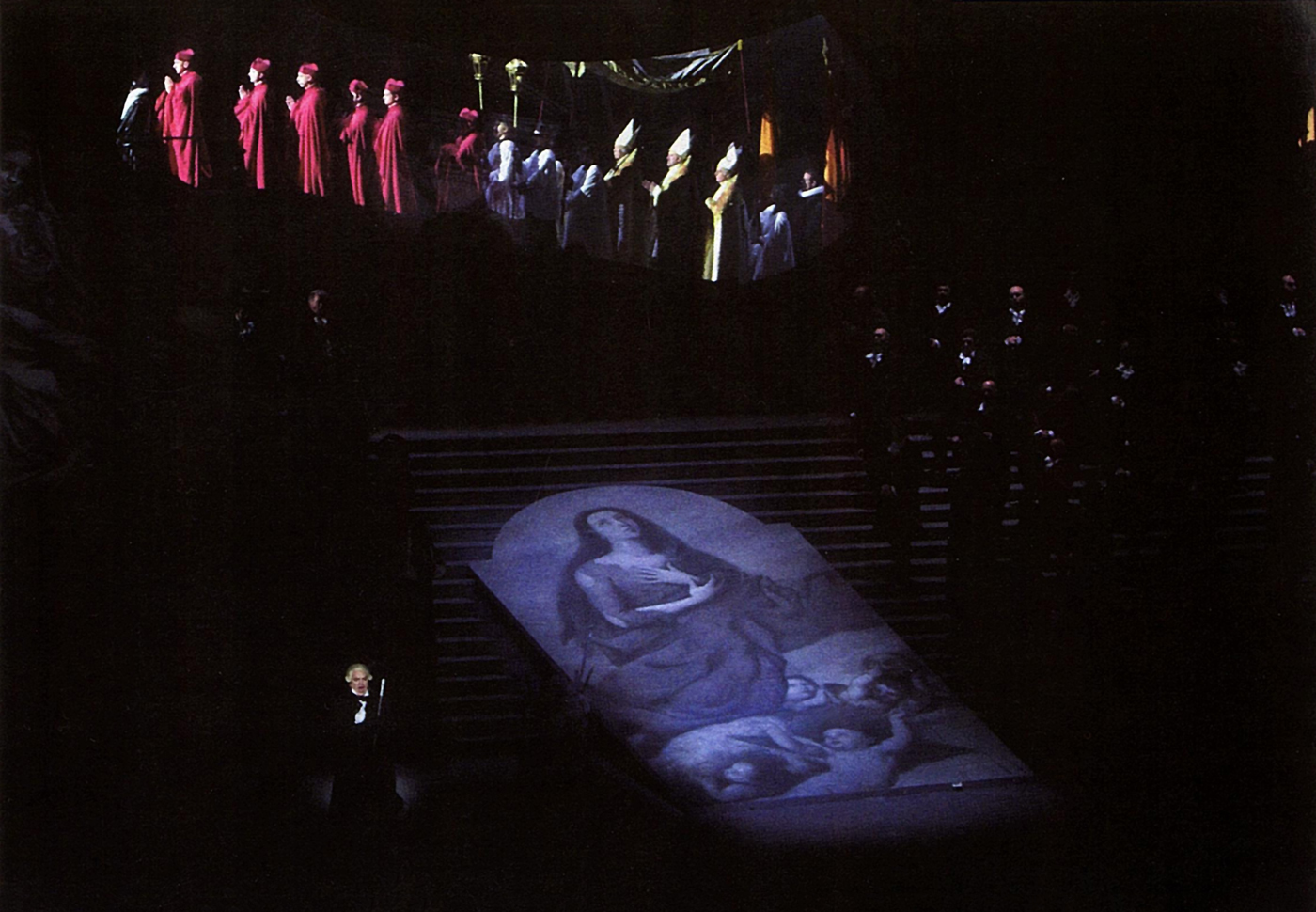
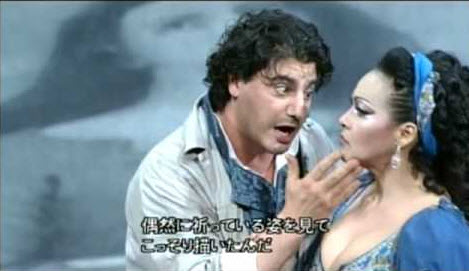
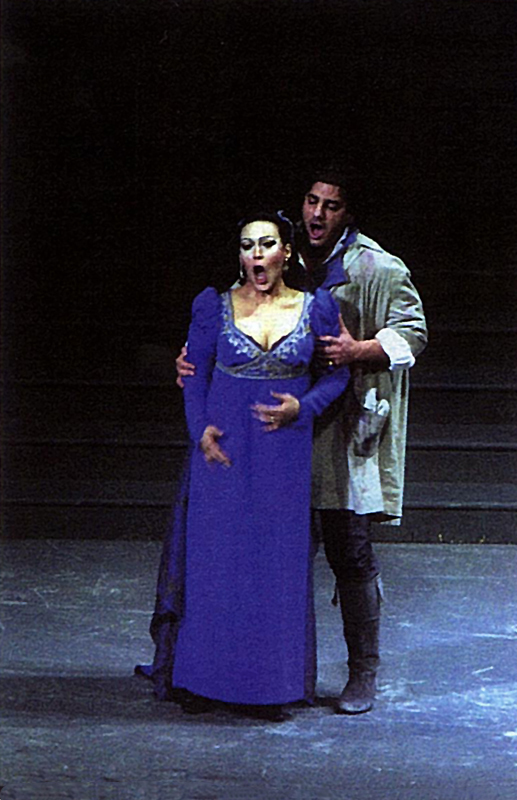
Tosca in Japan - 2002
|
José Cura on Mario Cavaradossi and the opera Tosca What I Can Do Is Convey My Prayer through Music Interview from Japan (June 2002) Translated by Yukiyo
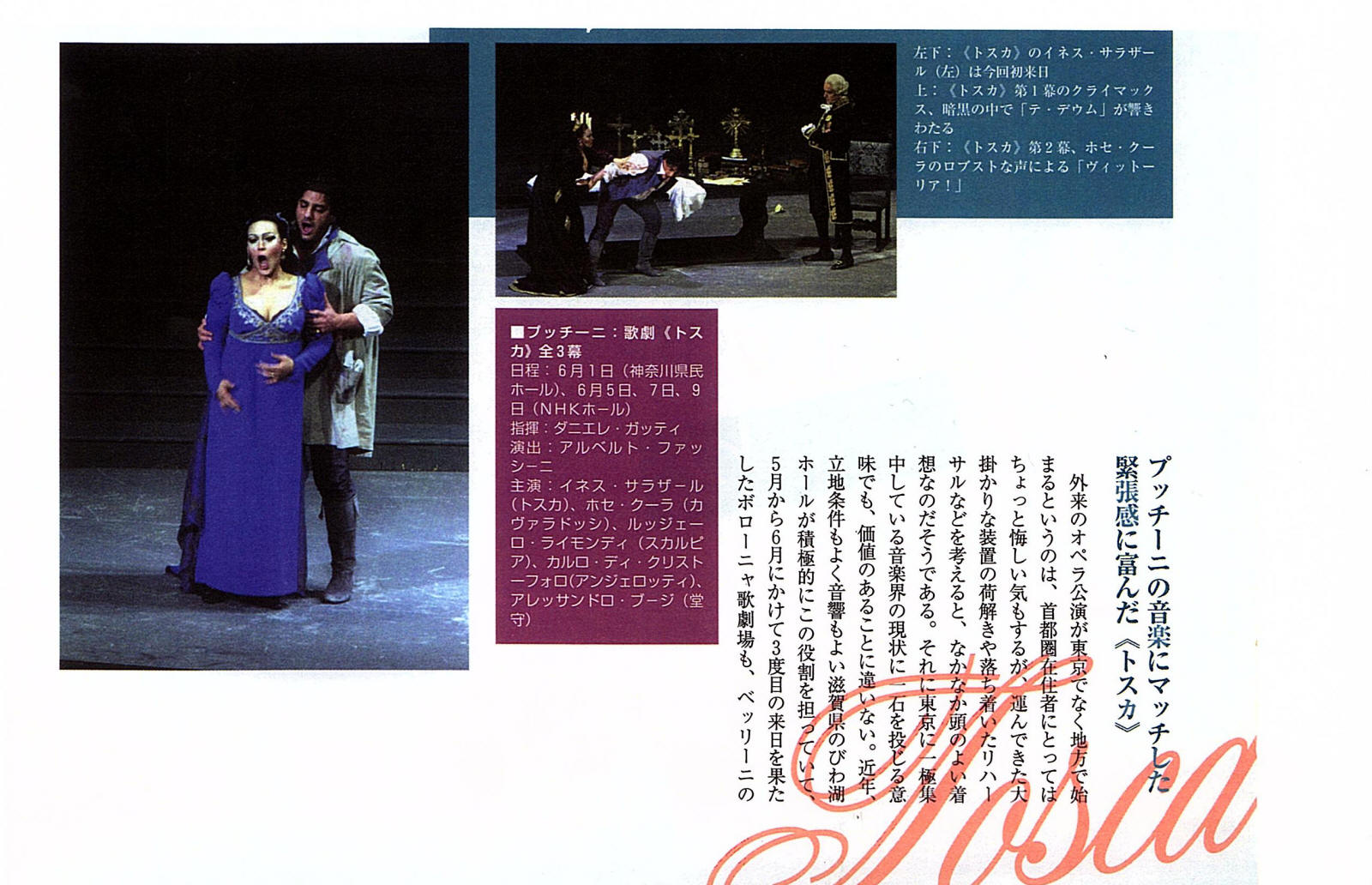
Q: In your opinion, what makes TOSCA an attractive opera? José Cura: First, I’d like to point out that Tosca is not a love story. Sardou, the writer of this opera, and Puccini, the composer, put serious political messages in this opera. The story is set in the time just after the French Revolution, when people were struggling against authority. Cavaradossi is a new-type person who craves for freedom and on the other side, Scarpia is in a position to accuse such a person. So, Tosca has this message of people's quest for freedom against dictator. I won't go so far as to say that opera composers are prophets but in Carmen, Bizet wanted to show that women are not dolls for men and that they have their own characters. Also in Samson et Dalila, Saint-Saens described the victory of Samson's beliefs in God..., well, you can also see the hidden message that the woman may decide the fate of your life. (laughs) Their messages may not always turn out right but usually composers are putting some messages in the operas that they are writing. Q: If you don't look at Tosca as a love story, Cavaradossi becomes a naive person from a noble family who dies for his love and ideals. JC: That's where his strength lies; his beliefs and ideals. He has the strongest character among three leading roles. Q: Then what do you think about the other two? Tosca and Scarpia. JC: Looking from outside, Scarpia appears as strong as Cavaradossi, but when it comes to inner strength, he is no match for Cavaradossi. Scarpia's strength is that of political power. He can order merciless things be done without shame because he has this power. He doesn't have the inner strength of Cavaradossi, who has nothing but himself to rely on. As for Tosca, she is the gem of this opera but not really an important role. Sardou and Puccini gave her many beautiful arias but no important political messages. Take the confrontation between Cavaradossi and Scarpia, for instance. She believes they are fighting for her. She can't imagine the problem is more deeply rooted in the difference of their life philosophies. She came to realize that in the end, but still she chooses to die by jumping from the cliff. It never occurs to her to live and carry on his ideals. Q: We have the image that Tosca is a strong woman. JC: She is strong in a hysterical and unrealistic way. It could be described as a whimsical diva. Q: When you are not Cavaradossi, do you like women like Tosca? JC: Aren't we talking about operas? (laughs) Well, since you asked, I will give you an honest answer. No, I don't. I prefer a more realistic person. Q: Looking at your recent performances, I feel you have been taking inner aspects of the roles more seriously than before. Any particular reasons for that? JC: I guess I got old. (laughs) It's true I'm more drawn to the inside and less to the outside. It's hard to tell why but perhaps I have "matured". Q: Are there any roles that you used to sing but not attracted to anymore? JC: I won't say which ones but I want to perform roles that are inwardly rich. To do that, I must grow inwardly, too. Q: How? JC: By reading, going to a play and a concert, anything.. Q: Everything for the sake of operas? JC: No! That's impossible! I am a singer but also conductor, producer and photographer, too. I think that human beings are like fruit. When the fruits ripen past their prime and rot, they are thrown away. That goes for humans, too. So, I think the best way is not to ripen fully. Q: This is the second time you performed with Teatro Comunale Di Bologna. JC: That's right. This is the second Japan Tour with Teatro Comunale Di Bologna. However, it's the first time I have sung Tosca with them. Teatro Comunale Di Bologna is a special opera house for me not just for artistic reasons but also for the personal reason that I have many friends there. Among them is a father of a child for whom I am the godfather. I feel very happy to be able to perform Tosca with the opera house with which I have very close relationship. Q: I understand you performed with Ms. Salazar and Mr. Raimondi in the past. JC: I sang Cavaradossi for the first time in 1995 at Torre del Lago, the place closely associated with Puccini. The second time was in 1996 at Vienna, the third time in 1997 again at Torre del Lago with Salazar playing Tosca. After that, we also performed together in La Forza del Destino at La Scala. She is a very good friend of mine and we have the good partnership called in performing love duets. I performed with Ruggero Raimondi, who is going to sing Scarpia, last October in Zurich. That was our first time together. His Scarpia is very powerful, as powerful as Renato Bruson's Scarpia with whom I once performed. Q: We look forward to exciting performance. Could you give your message to your fans in Japan? JC: Since last fall, wherever I go, I 'm sending only one message: I pray for the peace of all people. What started this is of course the last year's terrorism in the United States but apart from that, I am praying for the happiness of human kind. No matter how deeply you feel, once uttered, the words will go up in the air and disappear.... What I can do is convey my prayer through music.
|
|||
|
|
|
|
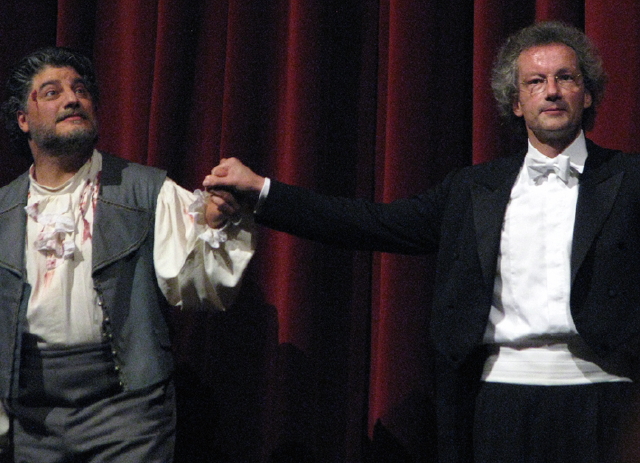
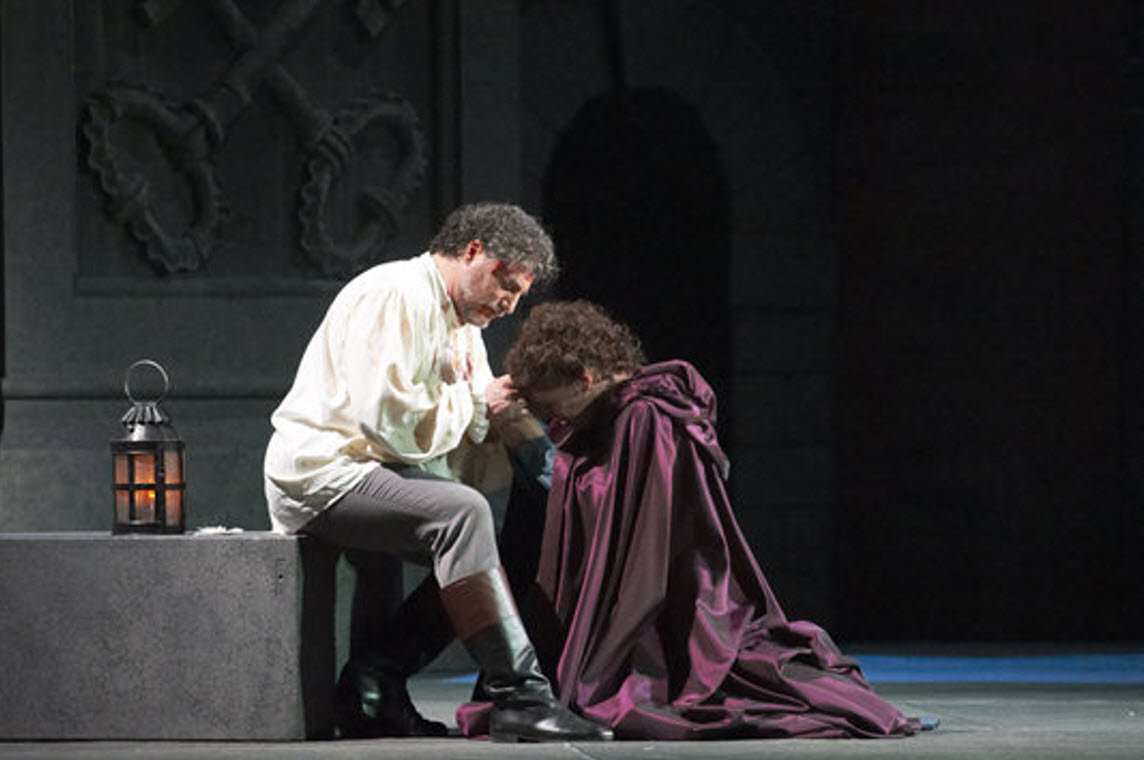
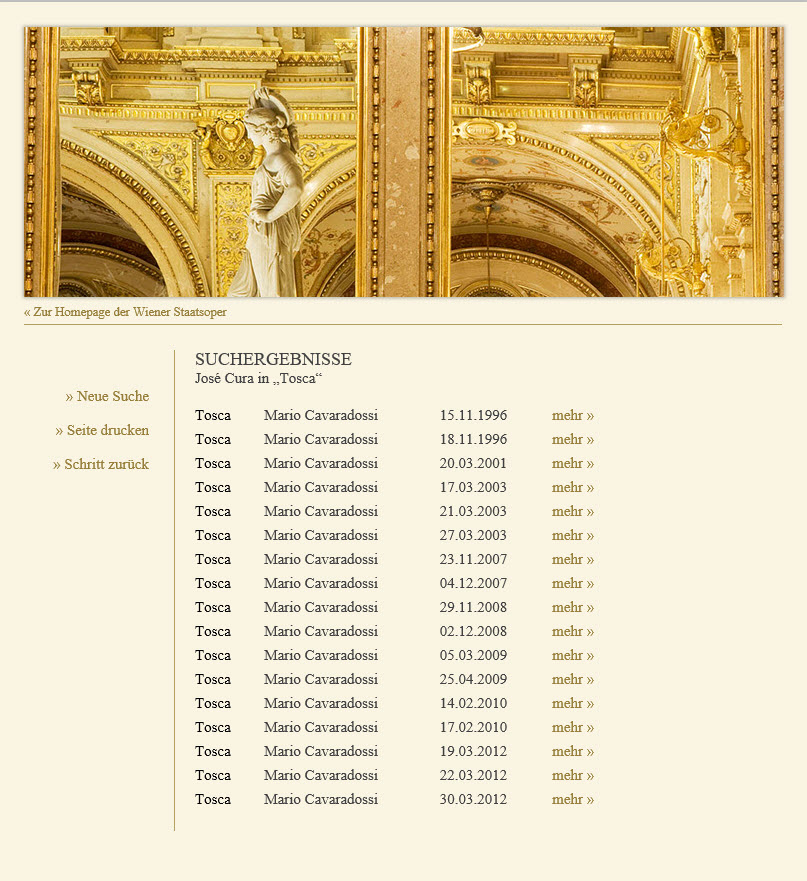
Vienna - 1996 to 2012
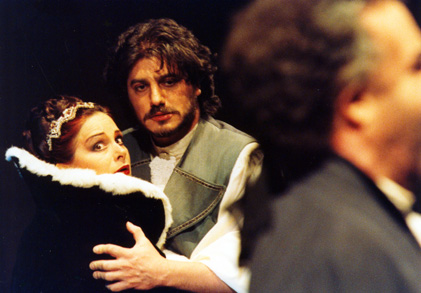
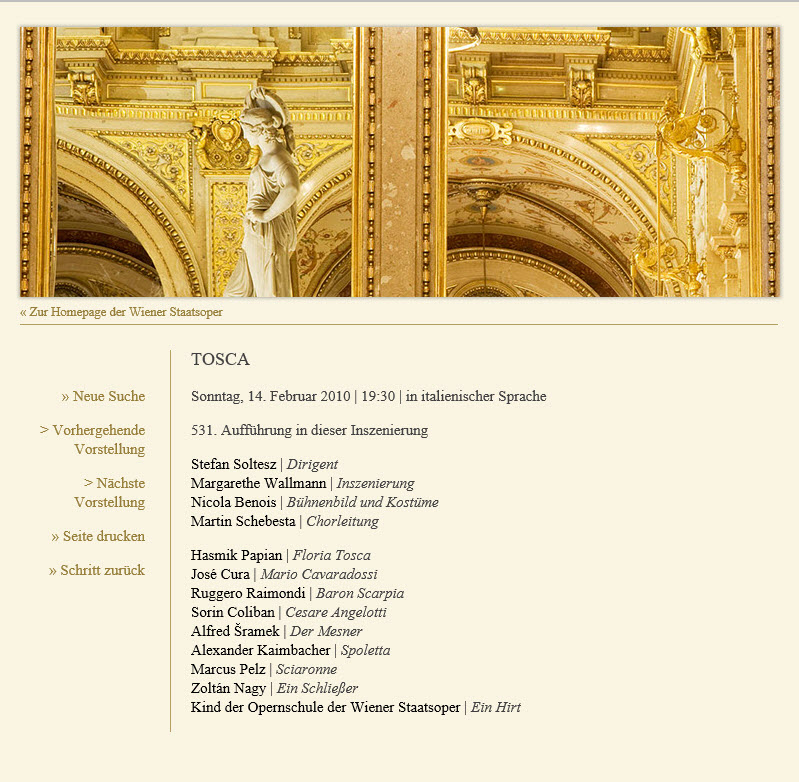
Vienna 2007, 2008, 2009, 2010
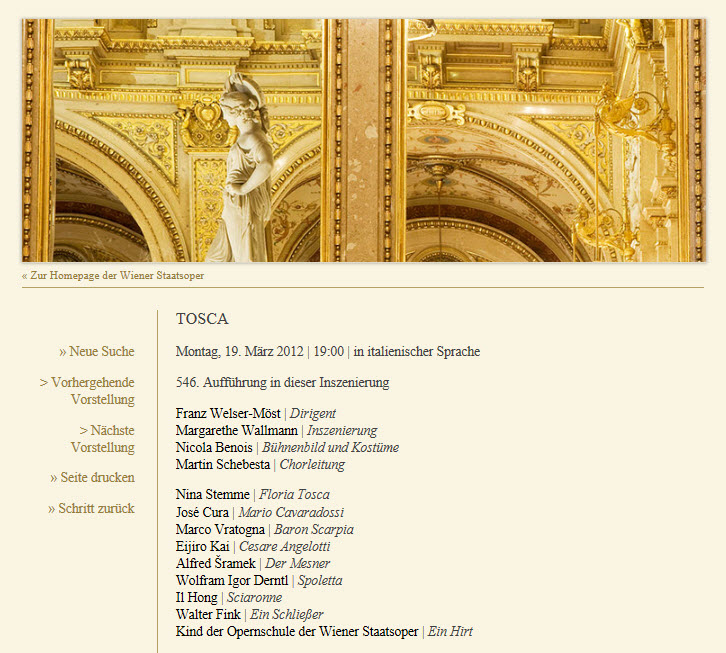
Vienna 2012
|
|||||||||||||||||||||||||||
|
Stemme, Cura at the theater tonight... Opera Forum Clément Taillia March 2012
[Computer-assisted translation // Excerpt]
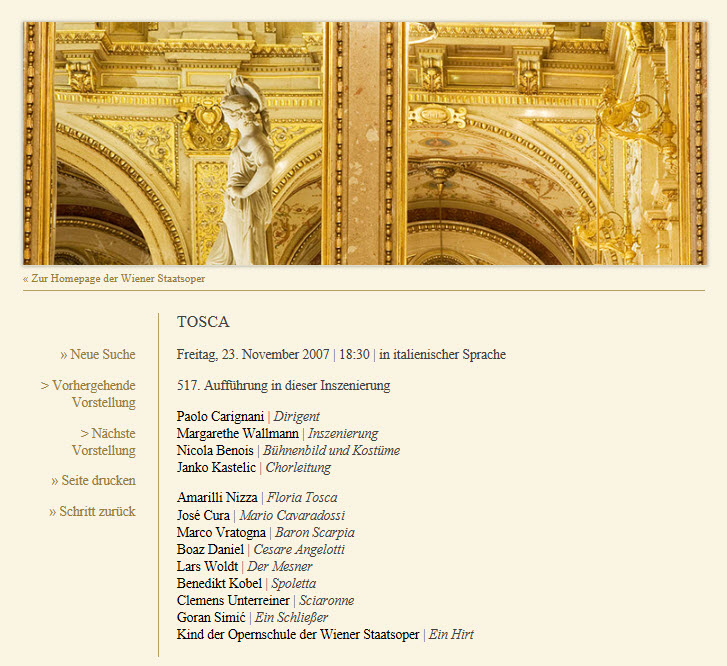
She is Swedish, he comes from Argentina. He knows the fiery Italian works like the back of his hand, she is acclaimed everywhere for her Wagner and Strauss heroines. On stage, he shows a vehemence that cares little for good taste; she frequents the hushed world of Lied and melody with such assiduity that some people sometimes reproach her with a certain coldness. Mario may have sung at the beginning of Act I about the "different beauties" of his Tosca and the mysterious Attavanti, but it is between the two lovers that the contrast, tonight, seemed most striking. Nina Stemme and José Cura, since it is about them, obviously form a couple that clashes, at least on paper, and the confrontation of two artists so diametrically opposed piqued our curiosity. And so... we expected a Floria of ice facing a Mario of fire. It was not the case! Unleashed, Nina Stemme not only subjugates the Viennese audience by the rarely heard power of her voice, by the warm colors and the amber nuances of her tone, by her fantastic way of lightening, in the last notes of "Vissi d'arte," her heavy vocal manner to suspend the audience in the course of an impalpable pianissimo. She imposes a nervous, feverish, almost elusive character and reminds us that, however paradoxical it may seem, it is often the great Wagnerian women who have made the most incandescent Tosca. And it is José Cura who seems to be on reserve. Especially with a voice increasingly prone to congestion, he did not phrase "Recondita Armonia" and "E lucevan le stelle" with all the lyricism one would dream of. But when it comes to being fiery, this Mario still has plenty of reserve: the held high notes of "Vittoria! Vittoria" are no problem for him, and this invariably hot-blooded character is not without charms. Faced with such a tandem, Marco Vratogna only has to keep up. It's not that his Scarpia is fundamentally inadequate: he has that mixture of Machiavellianism and vulgarity that shapes the character of the chief of police, and he has the voice of the role, dark in tone but easy in pitch. But he gives a rather conventional portrait, and this caricatured villainy is not always effective in comparison with the temperament of his two colleagues. Rare are the operas where one can see a musician of the reputation of Franz Welser-Möst conducting a Puccini. One might as well not stifle one's pleasure: the abundant orchestration of Tosca deserves from time to time to be defended with this sense of relief and contrasts, this science of colors, this art of architecture proper to what one calls a "great conductor". A great conductor who tonight has the defects of his qualities: particularly demonstrative, the orchestra of the Vienna Opera covers the singers on many occasions.
Tosca, Vienna, March 2012: “Equally strong, the vocally muscular Cavaradossi of José Cura. He paced himself well; he sang ‘E lucevan le stelle’ without sentimentality, short-phrased and aggressive. The second act evolved into a harrowing political drama—without a doubt the strongest, most powerful moments of this show. An impressive Tosca.” Weiner Zeitung, 20 March 2012
Tosca, Vienna, March 2012: “What amazes time and again, especially after an evening of Wagner: how much Puccini's music lives in the moment, how compact and varied these moments are, and how sensuously they are described by him. Puccini's music makes one think it's possible to drink it, to bathe in it. Wagner describes ideas, Puccini describes human beings. With verve, "vivacissimo con violenza", Welser-Möst plunged into the descending g-minor motive and focused in the course of the first two acts primarily on tension. Surprising that José Cura nonetheless succeeded more than once in overtaking the music director and the State Opera orchestra: the Argentine, all pride and vigor as always, offered the fastest Cavaradossi ever. The high piano places of the first act are glossed over swiftly; just as fast but more impressive and solid: the ‘E lucevan le stelle’ in the final act. Thrilling: the moments of attack such as the 'Vittoria' in the second act.” Der Standard, 21 March 2012
Tosca, Vienna, March 2012: “José Cura sang a very unbalanced Cavaradossi. He often acted as if absent and somehow merely swimming with the stream of music, then he would force himself back with the powerful and widespread impression that he would bring the Vienna State Opera to a collapse like the temple of the Philistines. Between these extremes, he scored some nice phrases - and so we had to make do as a listener on this evening. The timid attempt by some visitors who come to him after the "star aria" an applause was prevented by the conductor's animating to continue playing. [However] the audience certainly did not consider the evening a failure, witness the final six minutes long applause.” Operinwien, 22 March 2012
Tosca, Vienna, March 2012: “Franz Welser-Möst takes over the direction of Puccini's drama with Nina Stemme and José Cura and this Tosca suddenly sounds alive, delicate and, even in the moments of extreme violence - which Puccini translates, so to speak, one-to-one into sound from Sardou's crime play - completely agile. Every fiber of the musical fabric is charged with expression. Incidentally, what always applies to Tosca: the rendition is as good as the three protagonists chosen. José Cura’s Cavaradossi sees his part entirely as a parlando role - he speaks a lot, including passages that colleagues use for emotionally charged phrases, almost en passent. In fact, he delivers only two truly impressive notes: one in the dialogue with Angelotti in the first act and the second of the "Vittoria" cries in the middle act. But the rest of his performance is obviously enjoyable for Cura admirers.” Die Presse, 23 March 2012 |
Last Updated: Sunday, July 02, 2023 © Copyright:
Kira
.jpg)
.jpg)
.jpg)
.jpg)