|
Year |
Month |
Dates |
Work |
|
Theater |
City |
Notes |
Country |
|
2021 |
April |
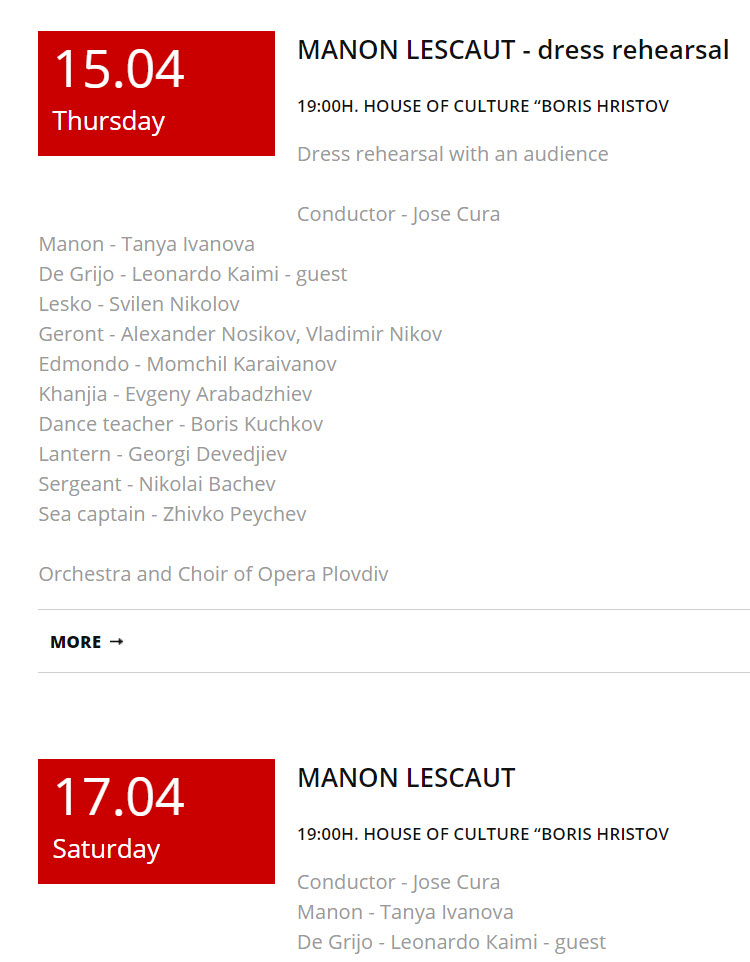
15 (r) / 17 (p) |
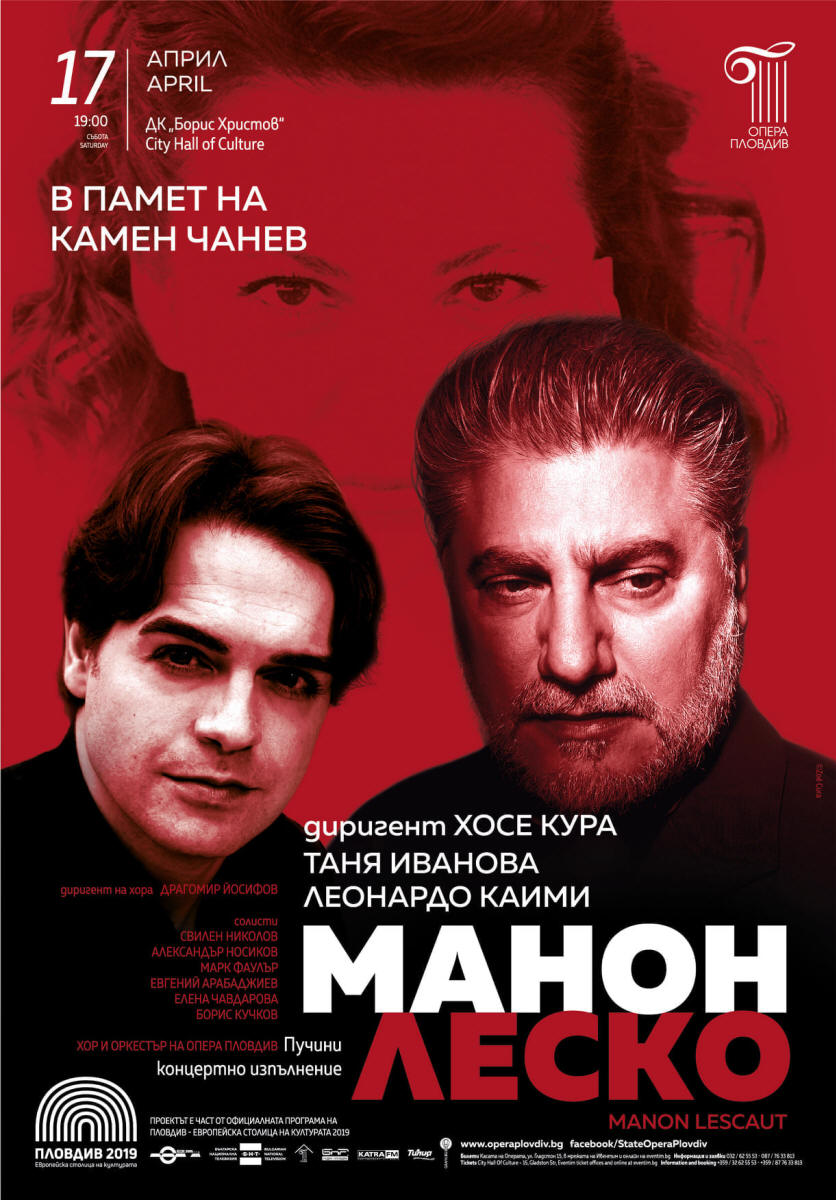
Manon Lescaut |
Puccini |
State Opera |
Plovdiv |
Conductor/ Memorial Performance |
Bulgaria |
|
2010 |
November |
27, 29 |
Manon Lescaut |
Puccini |
Staatsoper |
Vienna |
|
Austria |
|
2010 |
December |
2, 5 |
Manon Lescaut |
Puccini |
Staatsoper |
Vienna |
|
Austria |
|
1998 |
June |
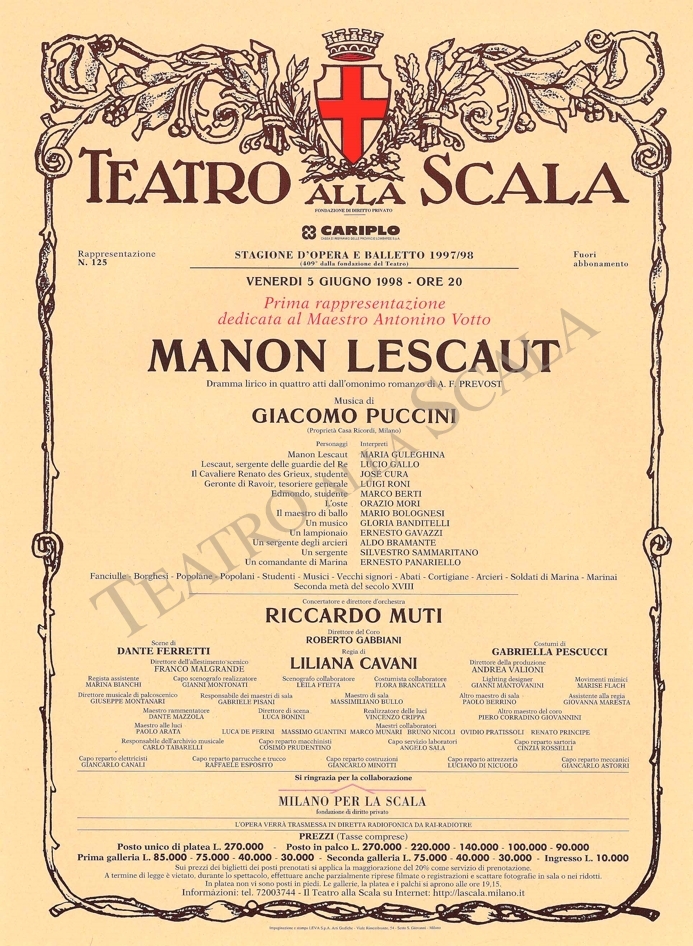
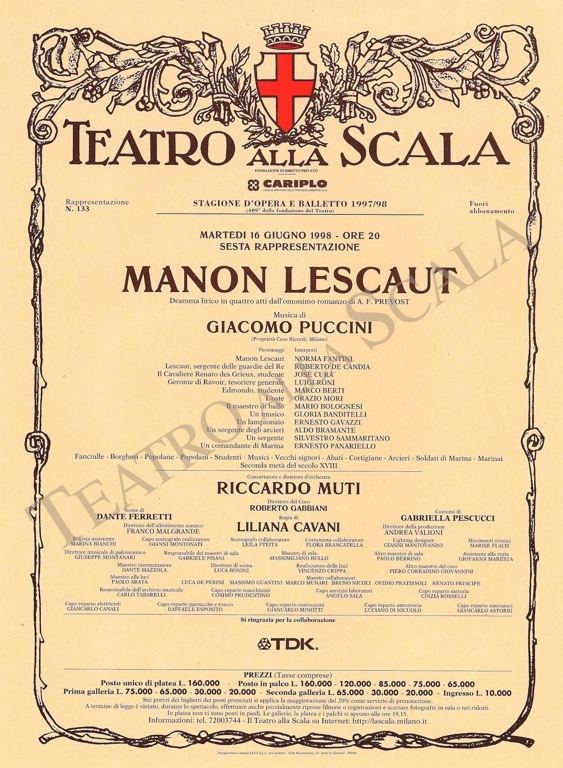
05, 8, 10, 11, 15, 16, 18 |
Manon Lescaut |
Puccini |
La Scala |
Milan |
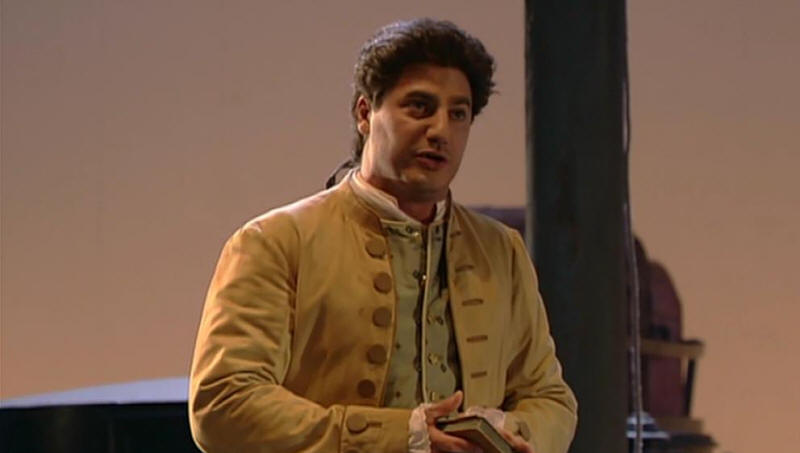
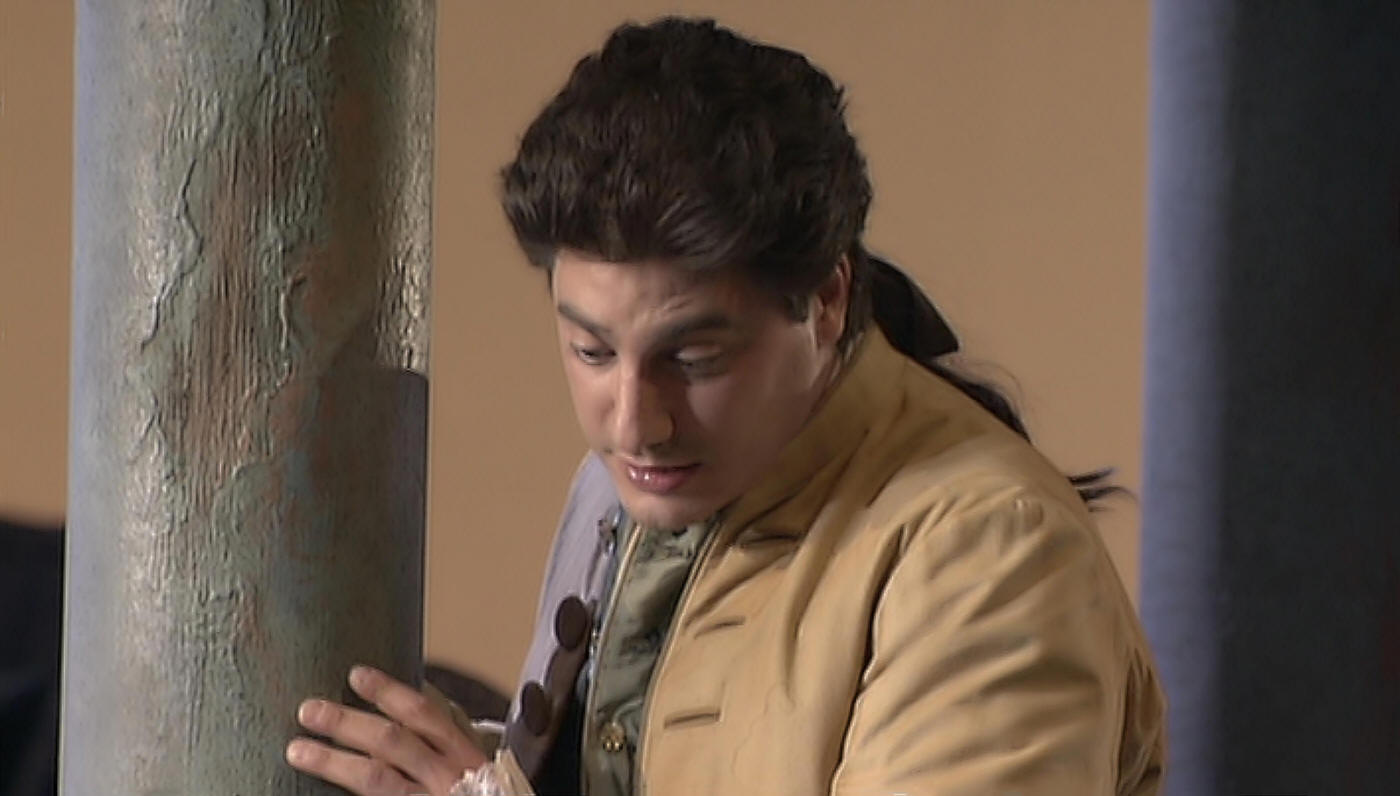
Live recording CD/ DVD |
Italy |
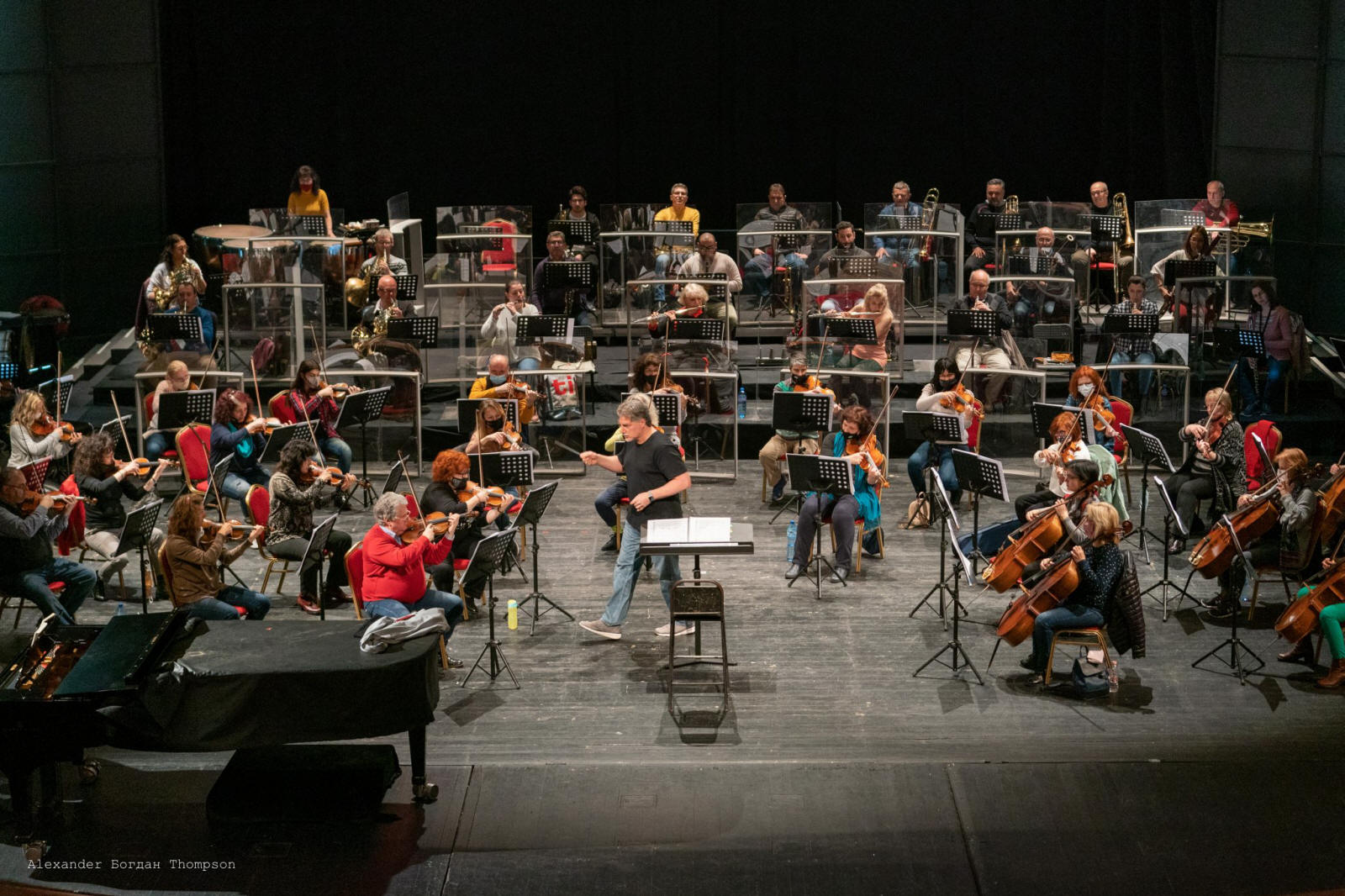
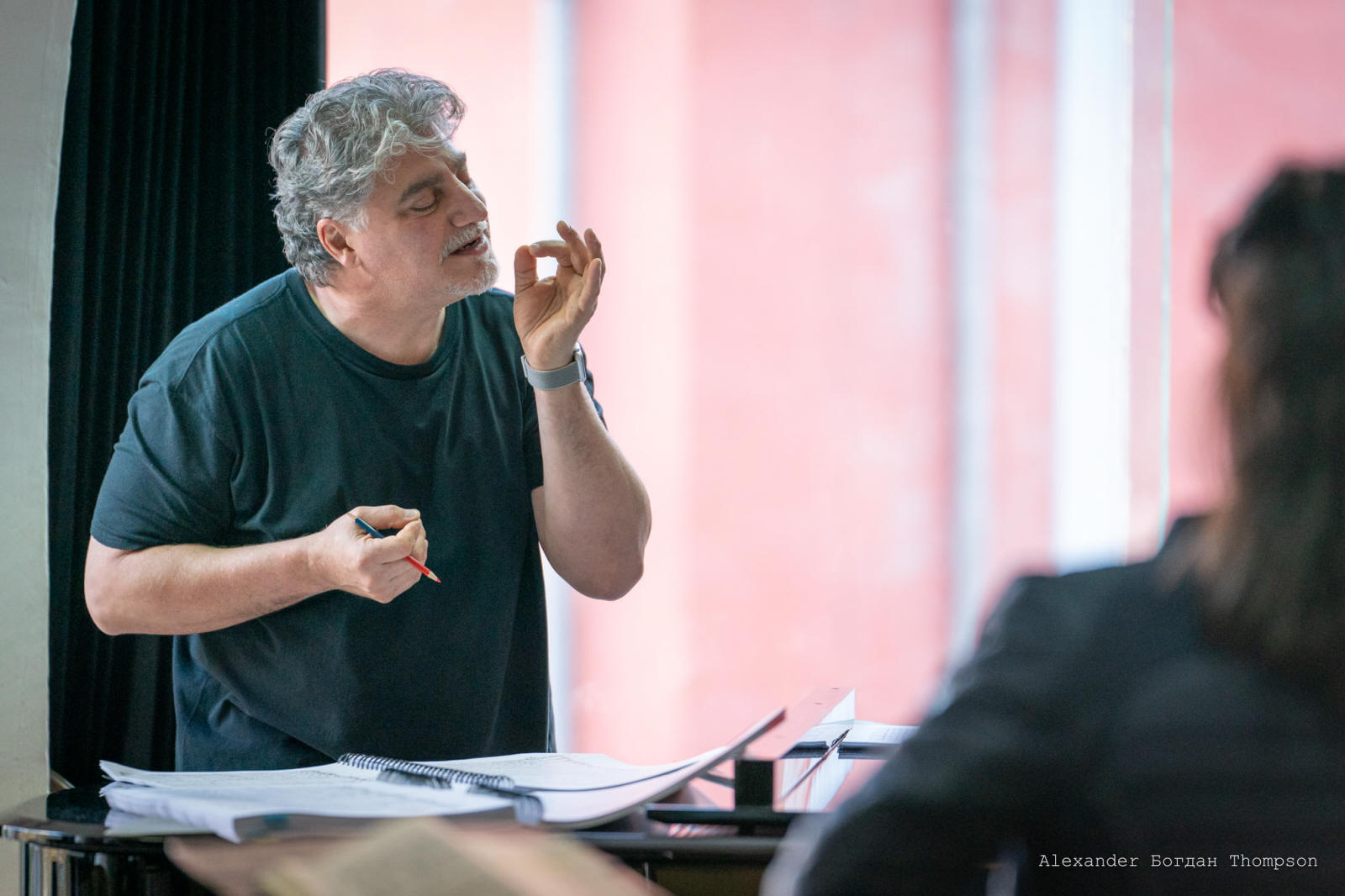
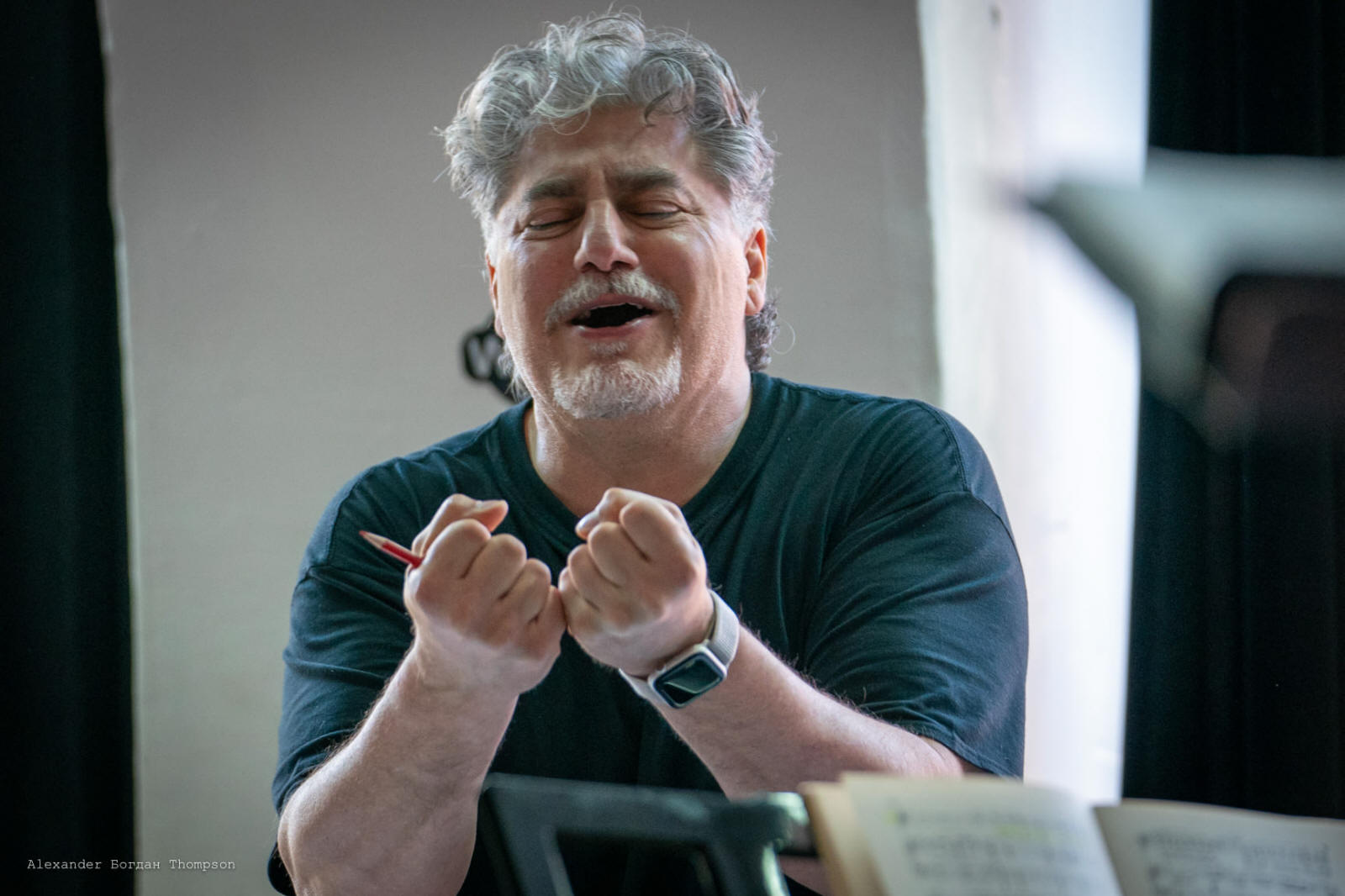
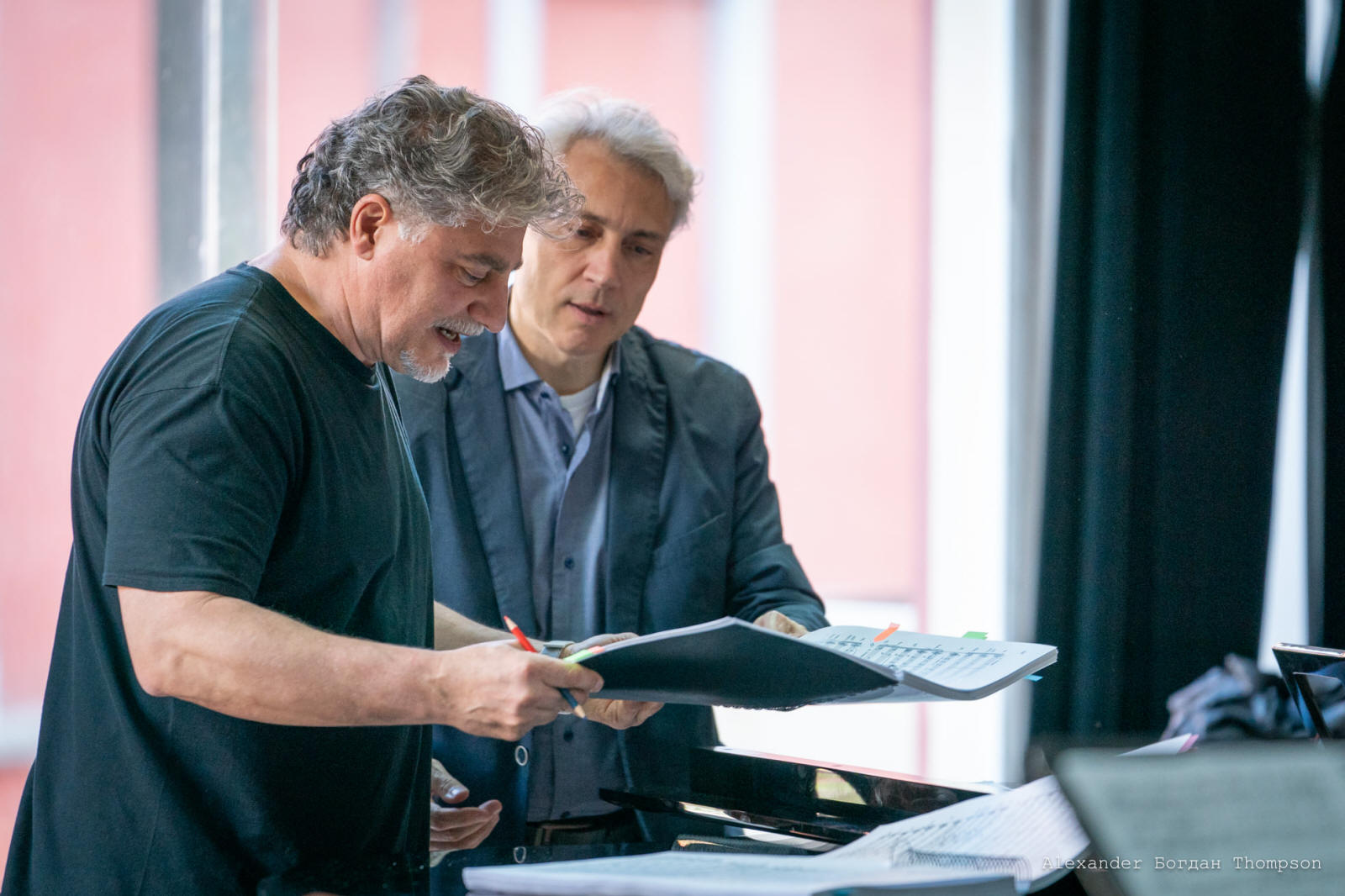
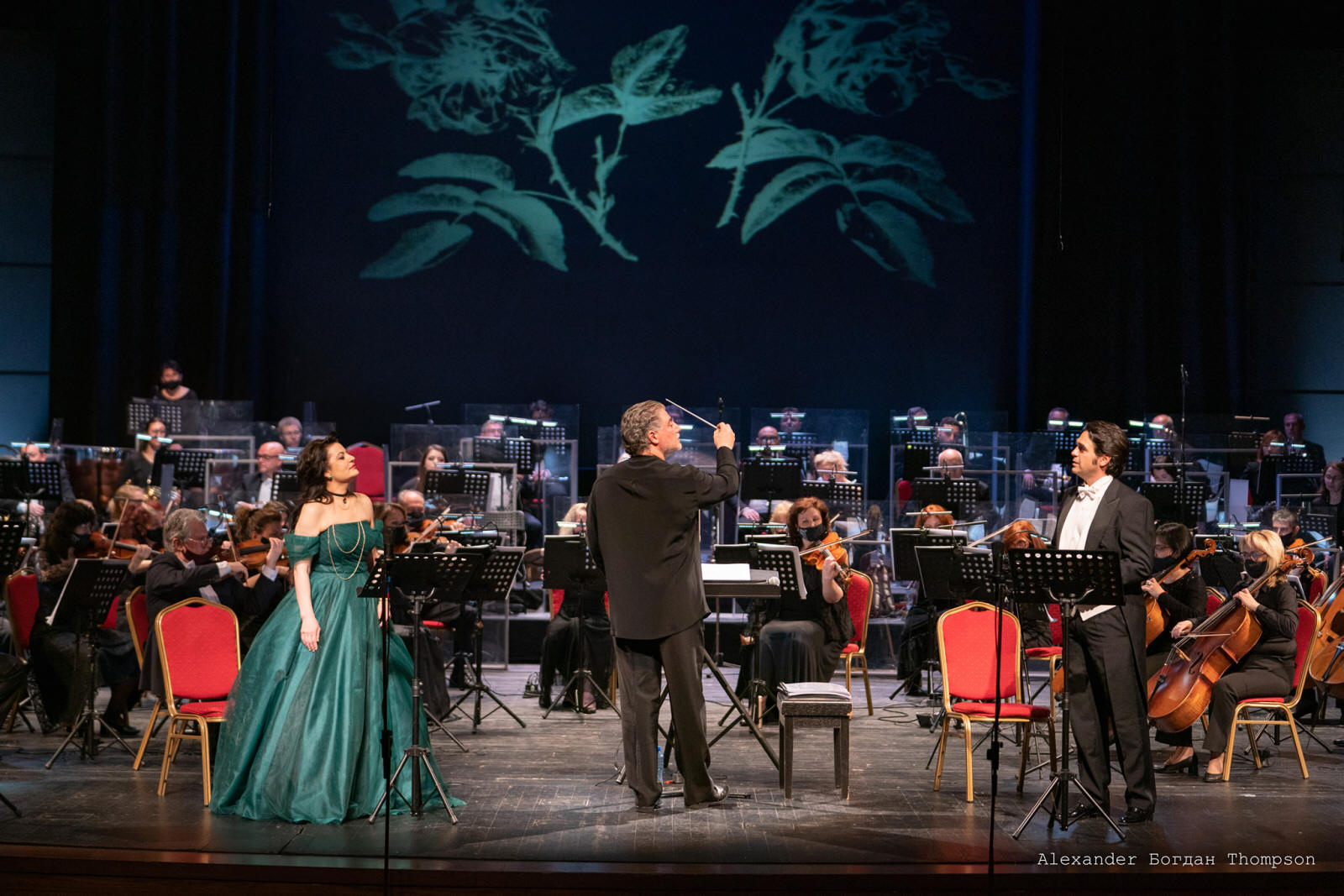
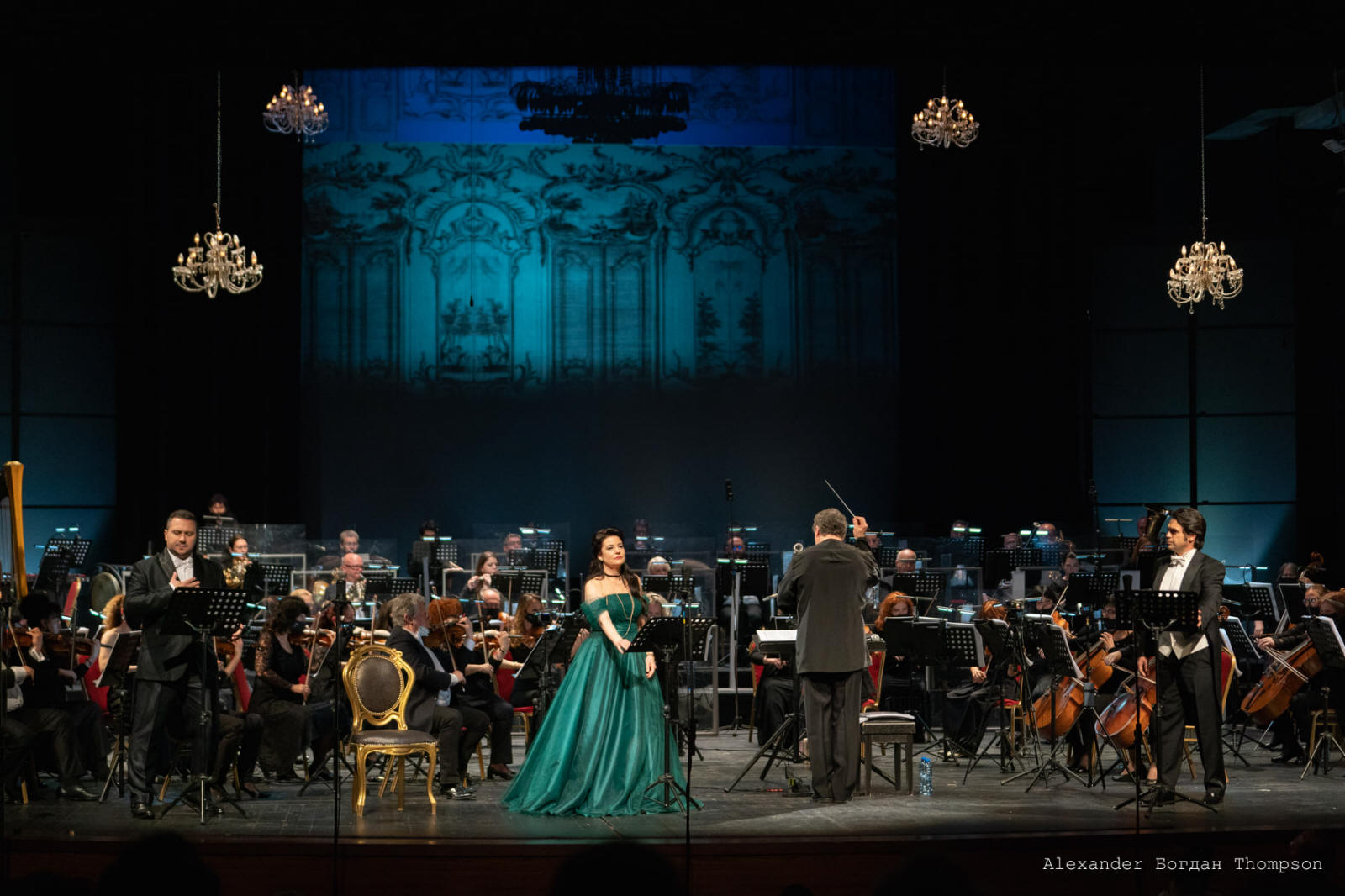
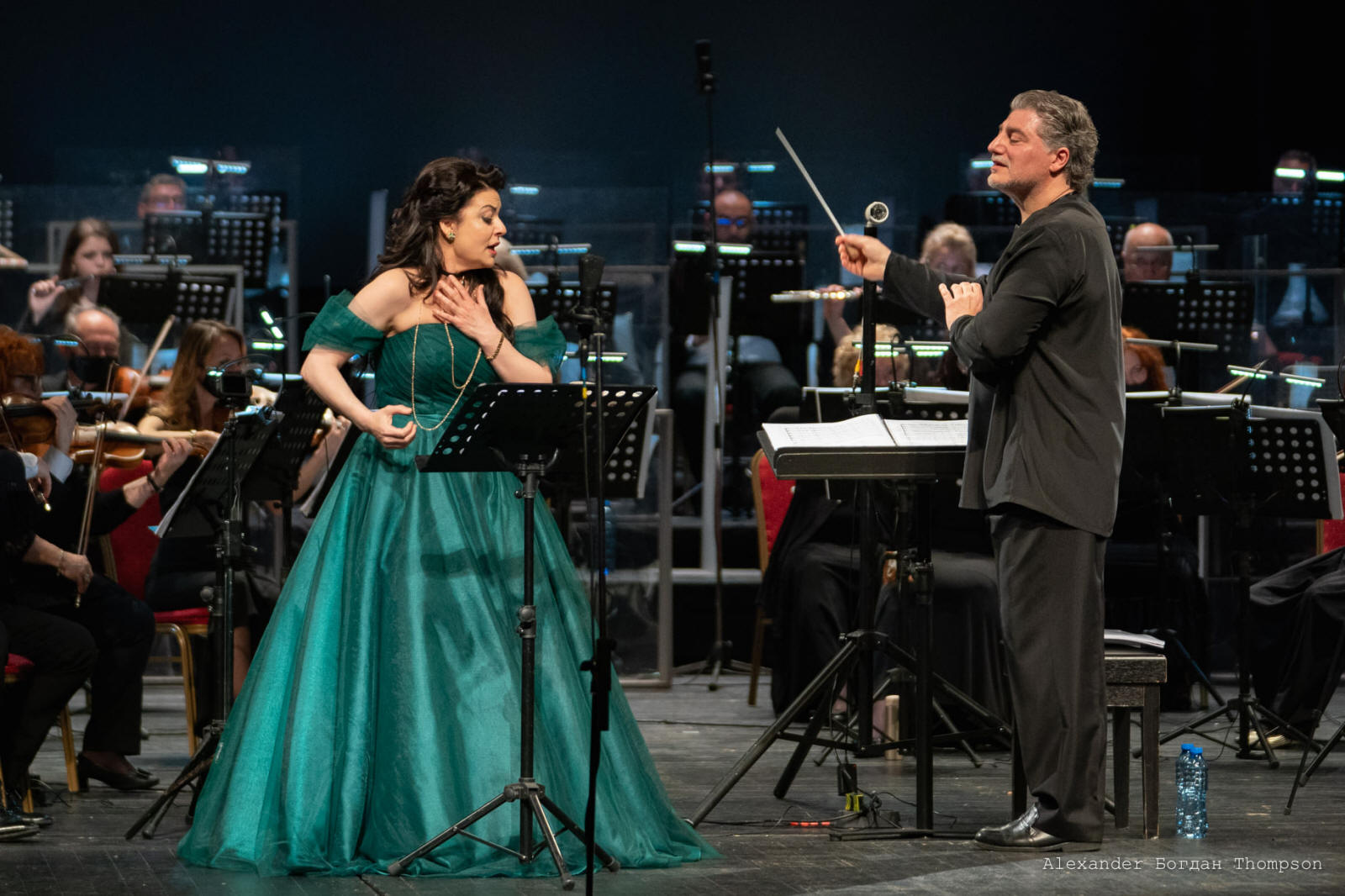
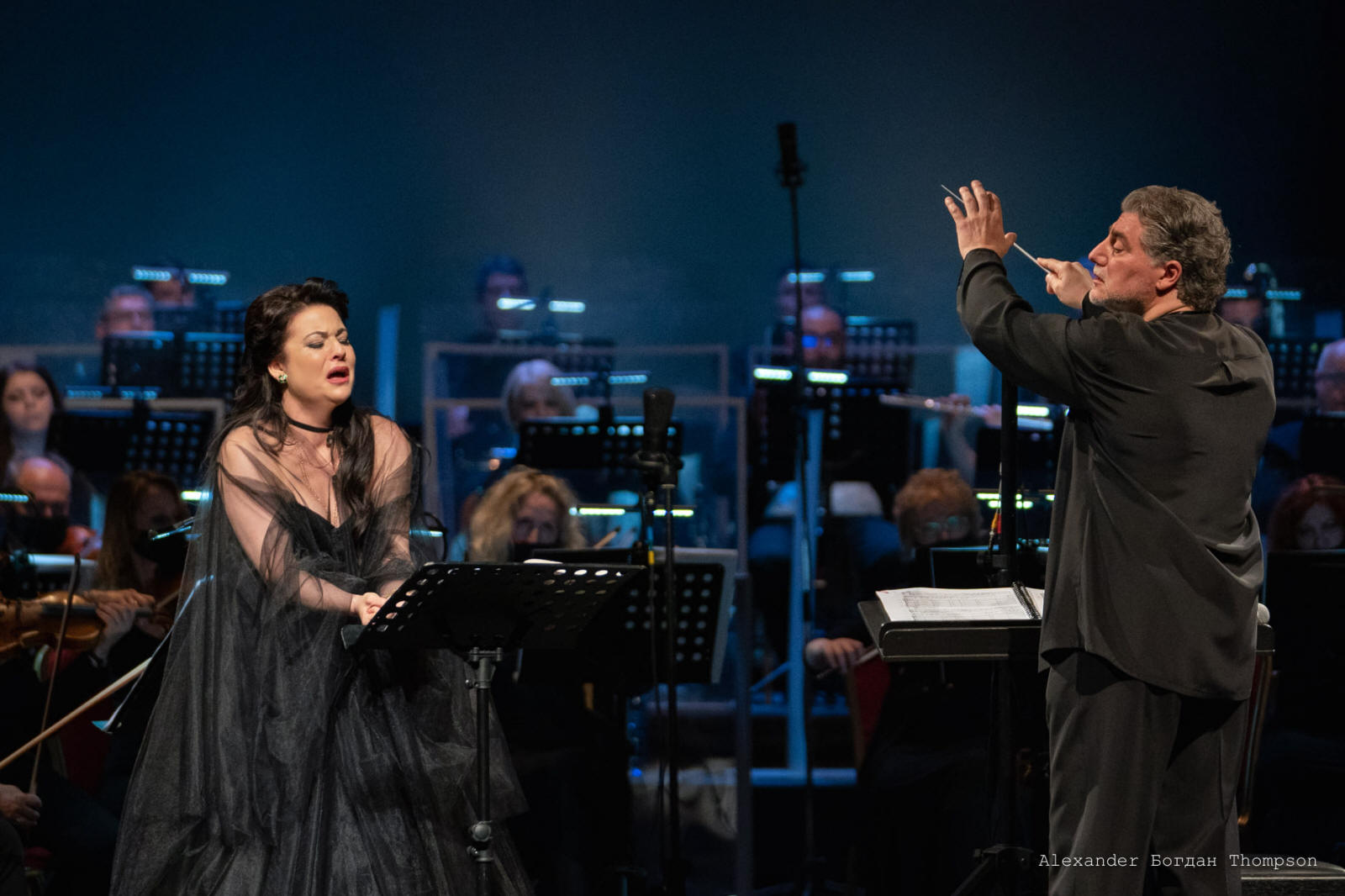
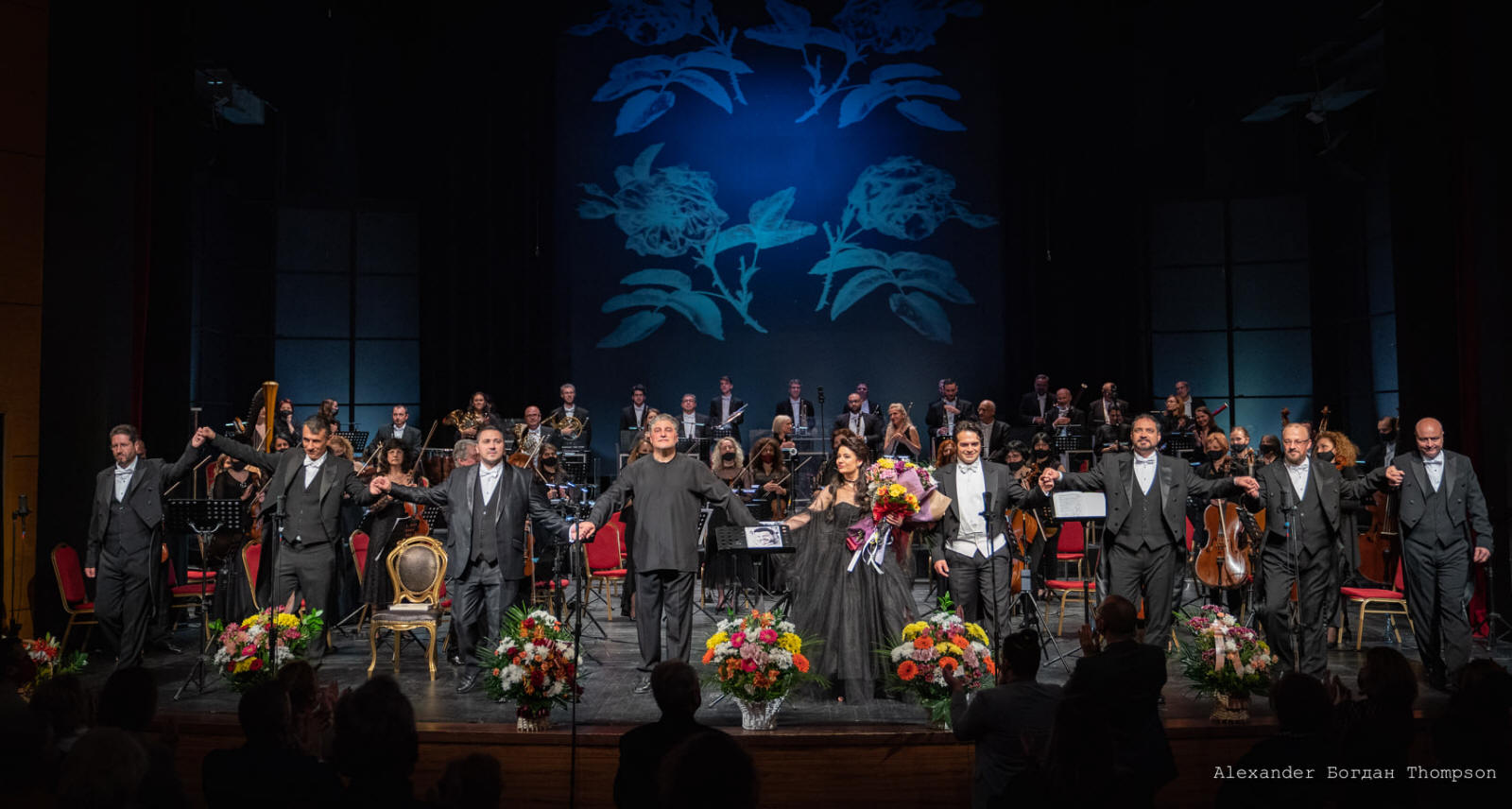
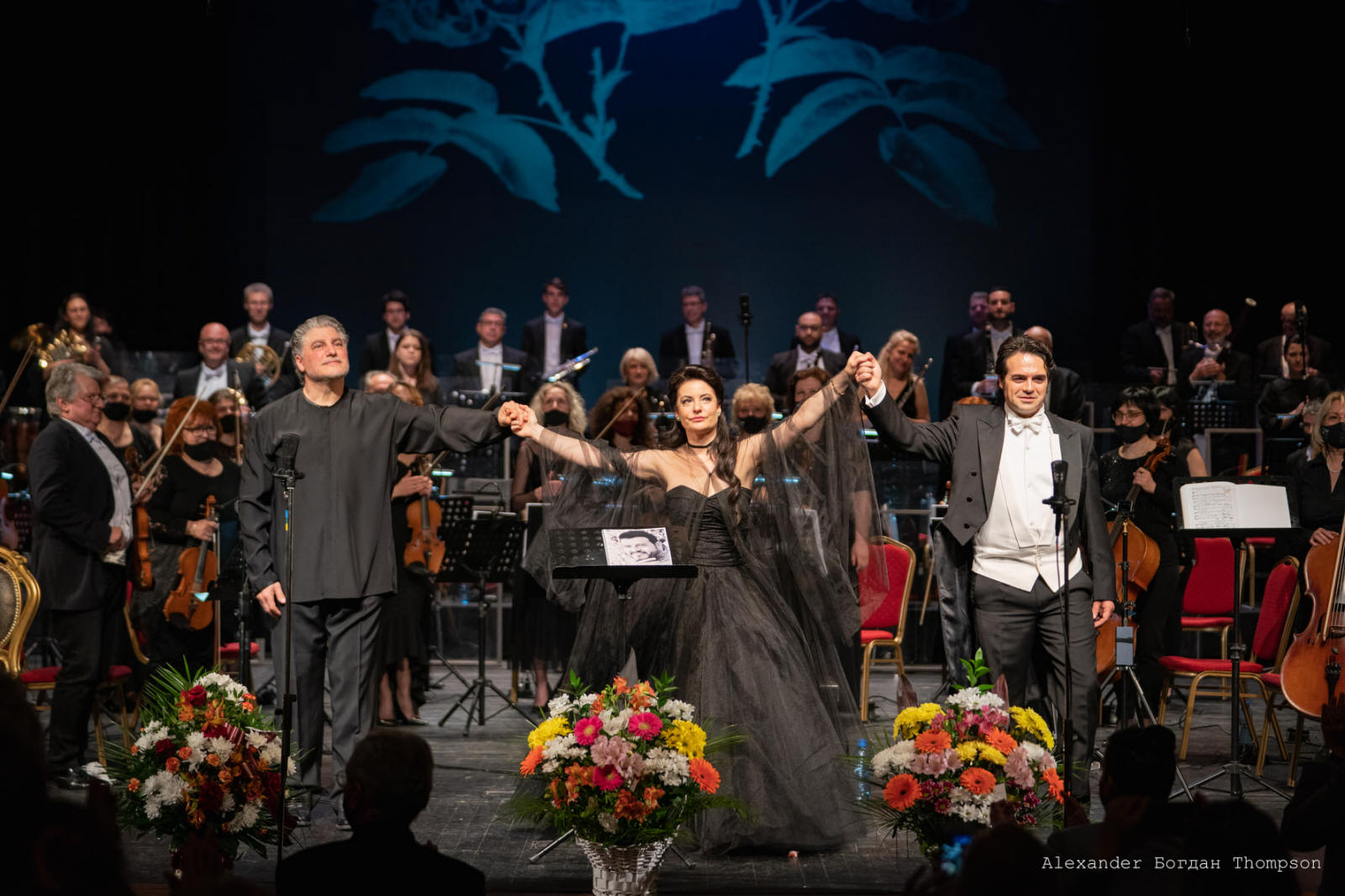
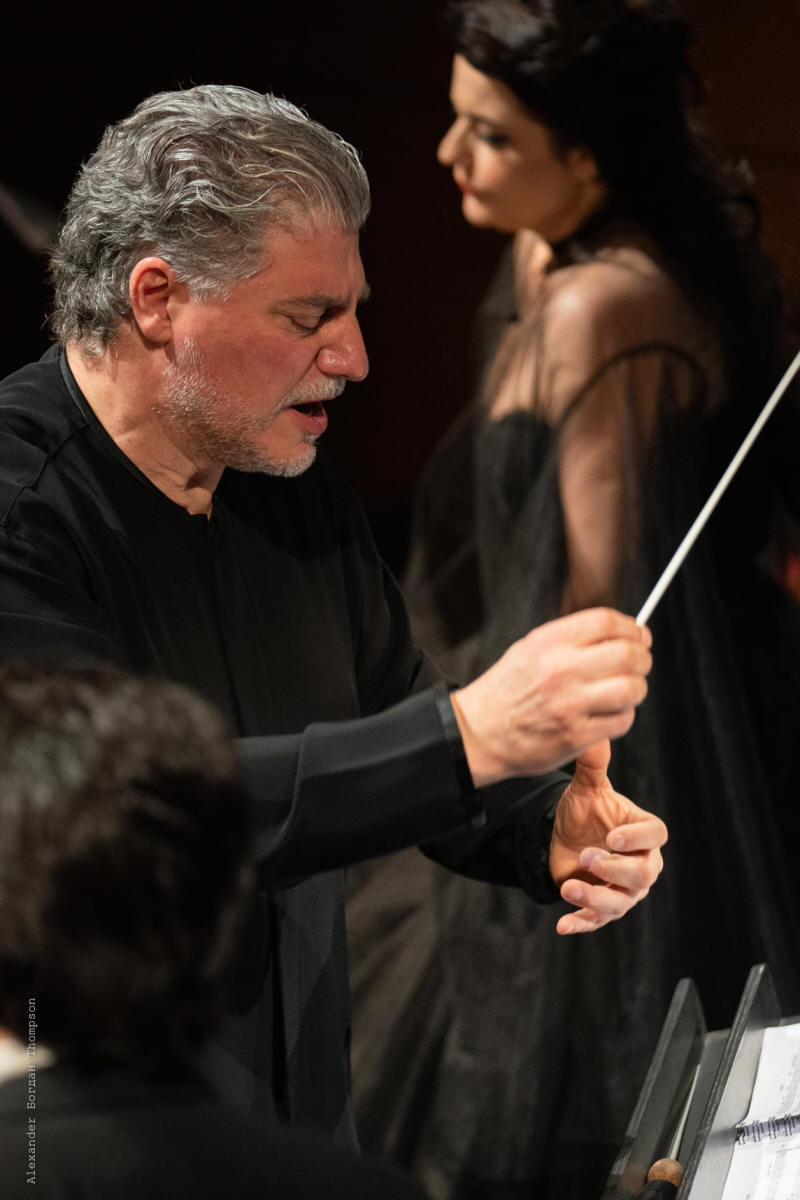
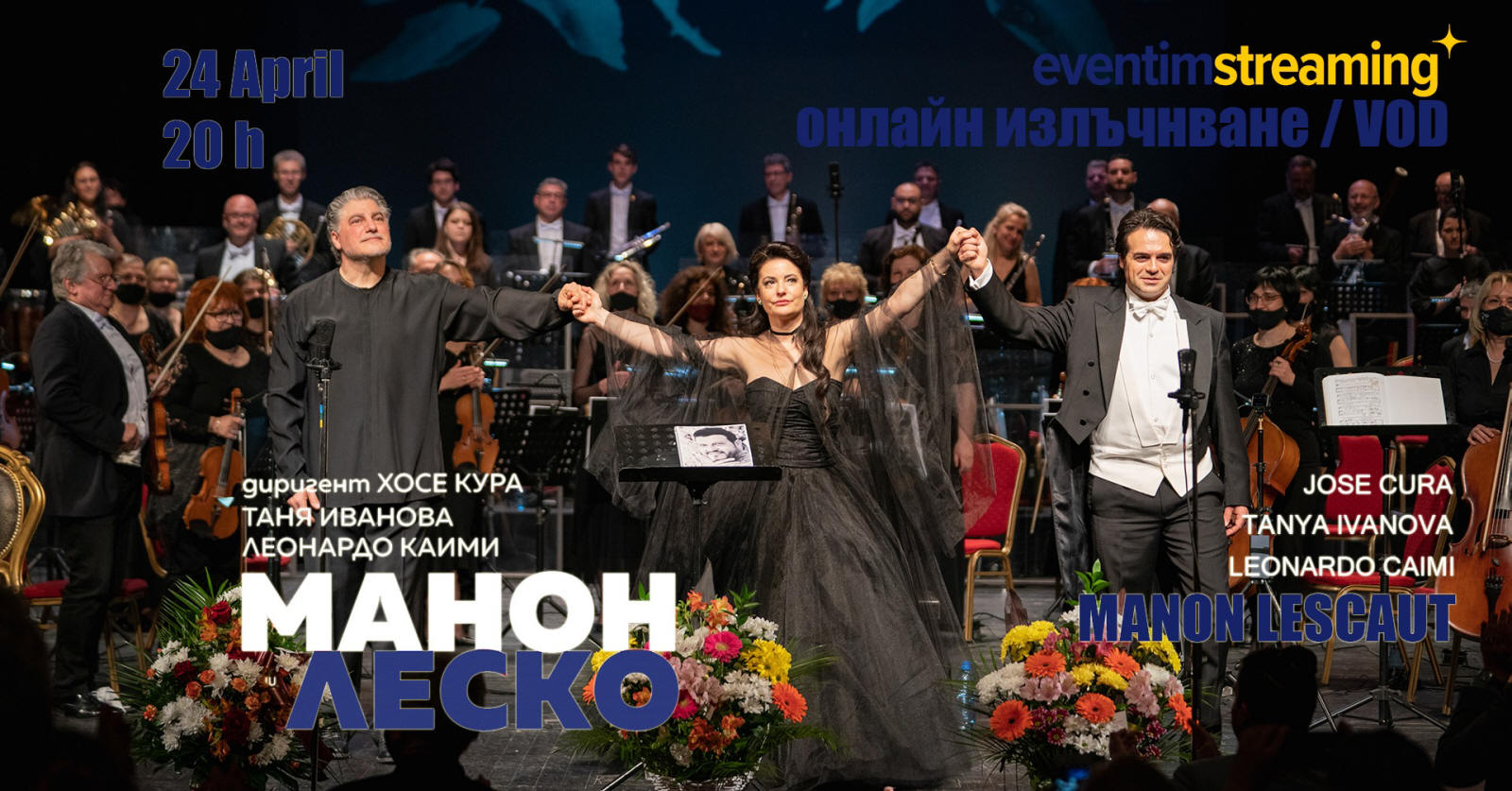
Manon Lescaut - Plovdiv 2021
 |
|
|
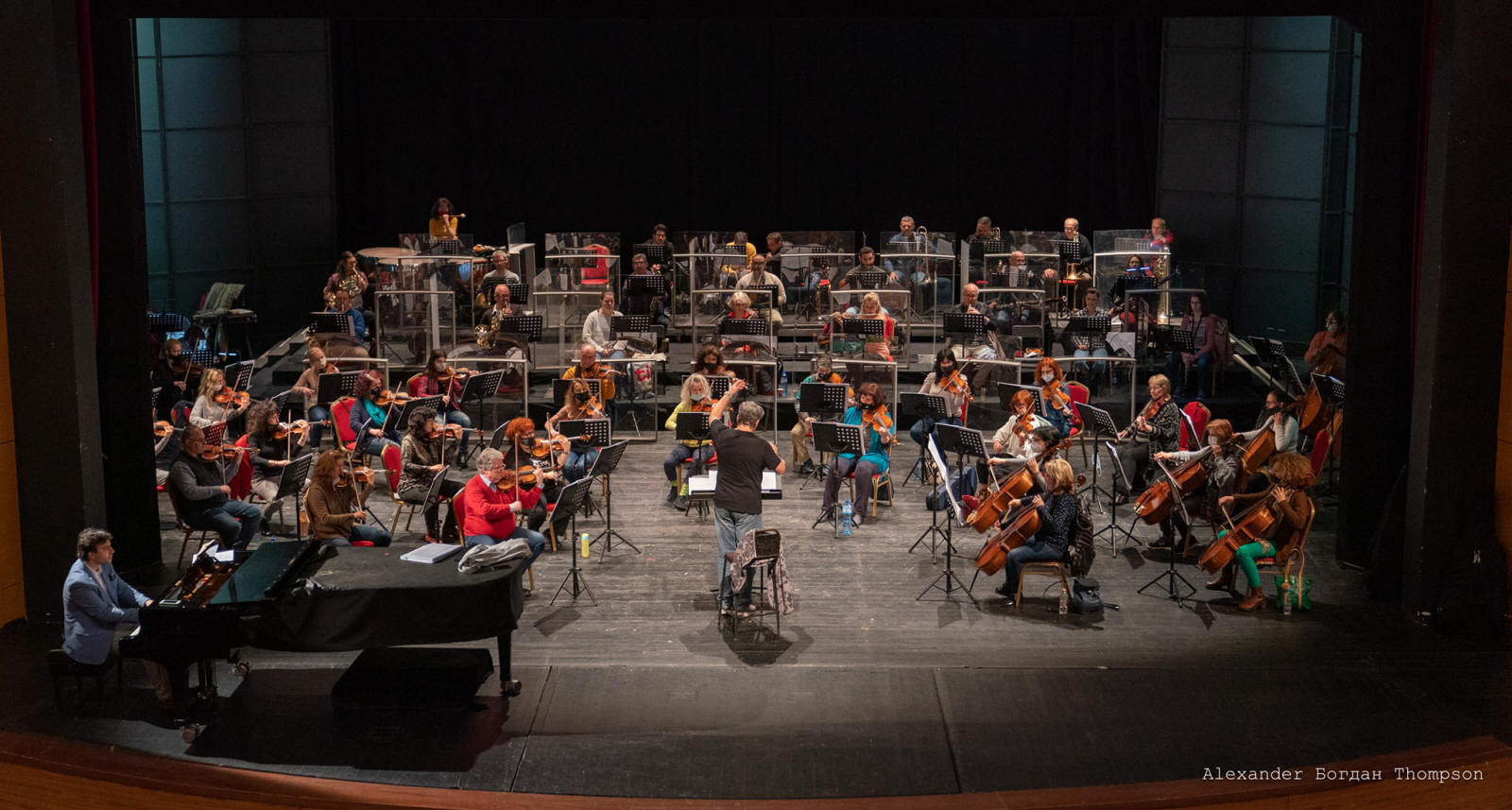
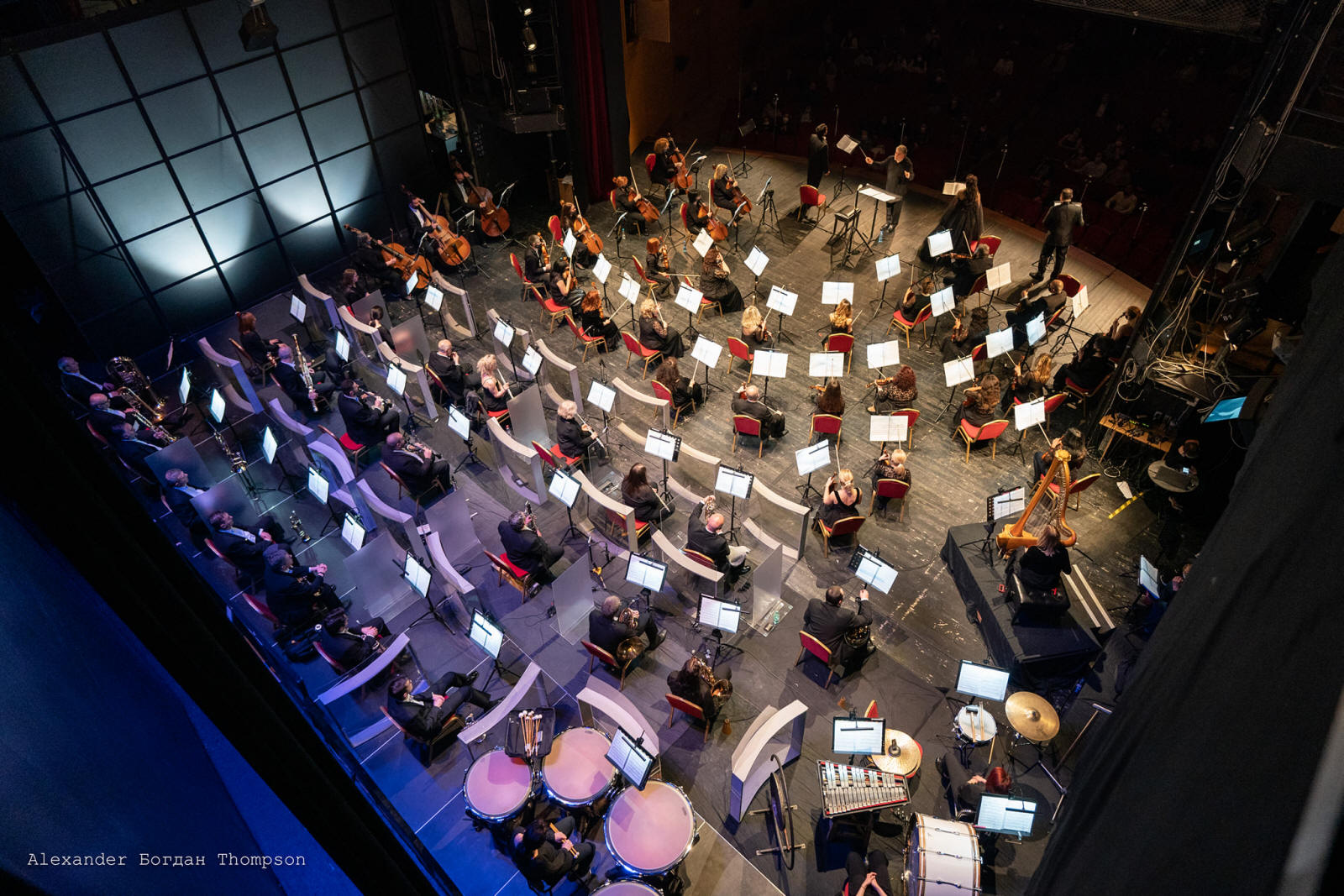
Rehearsal
|
|
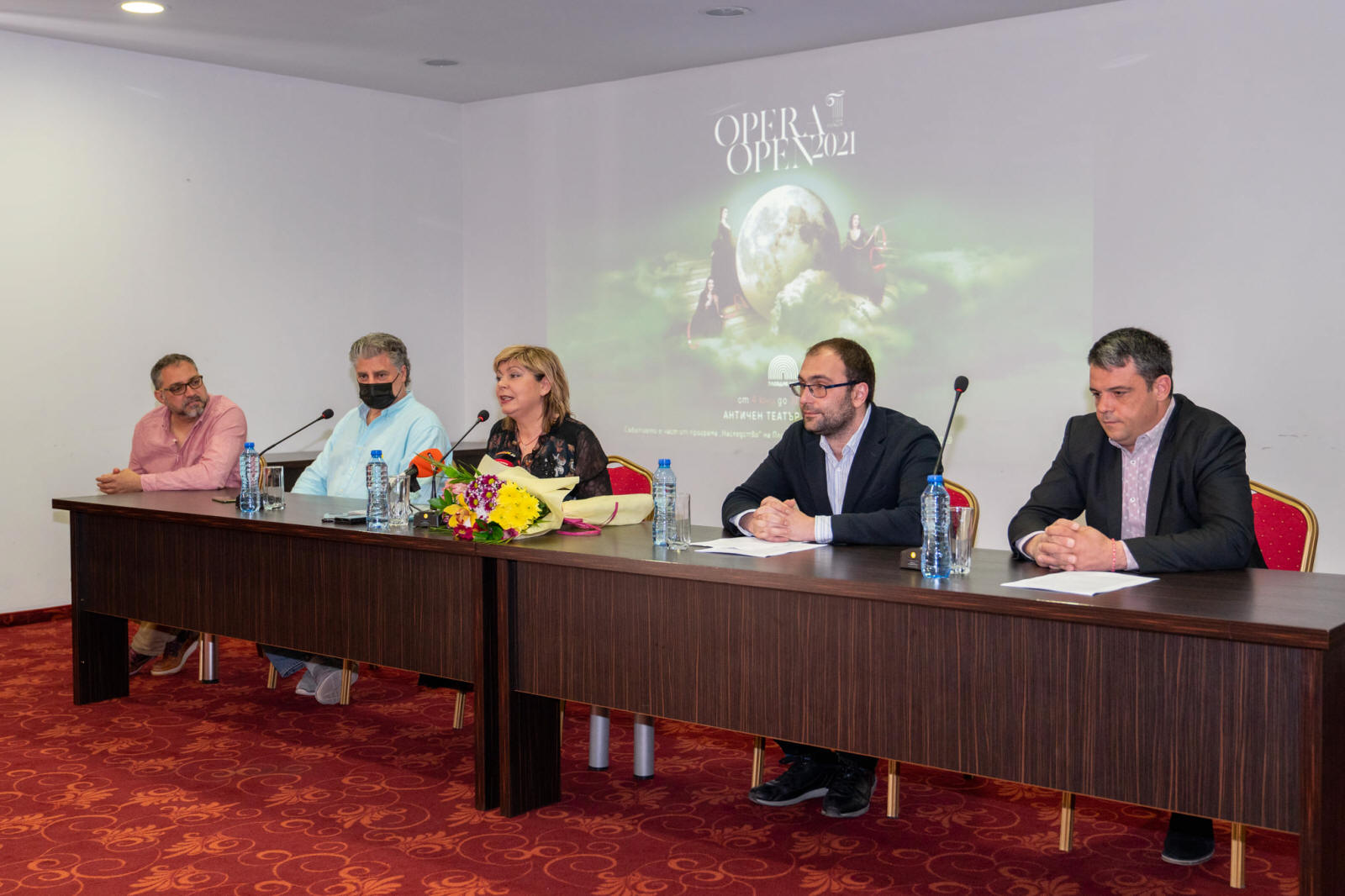
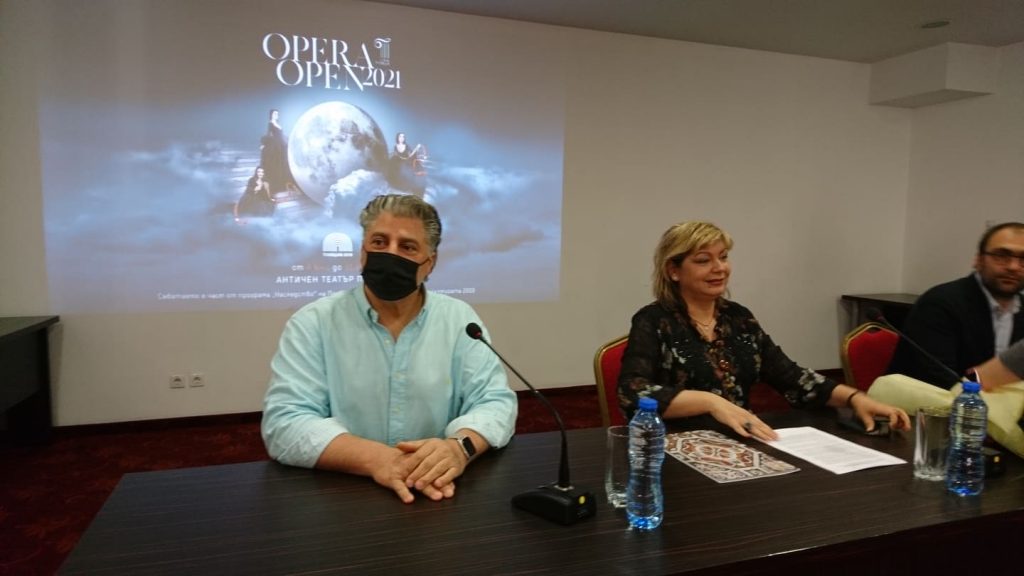
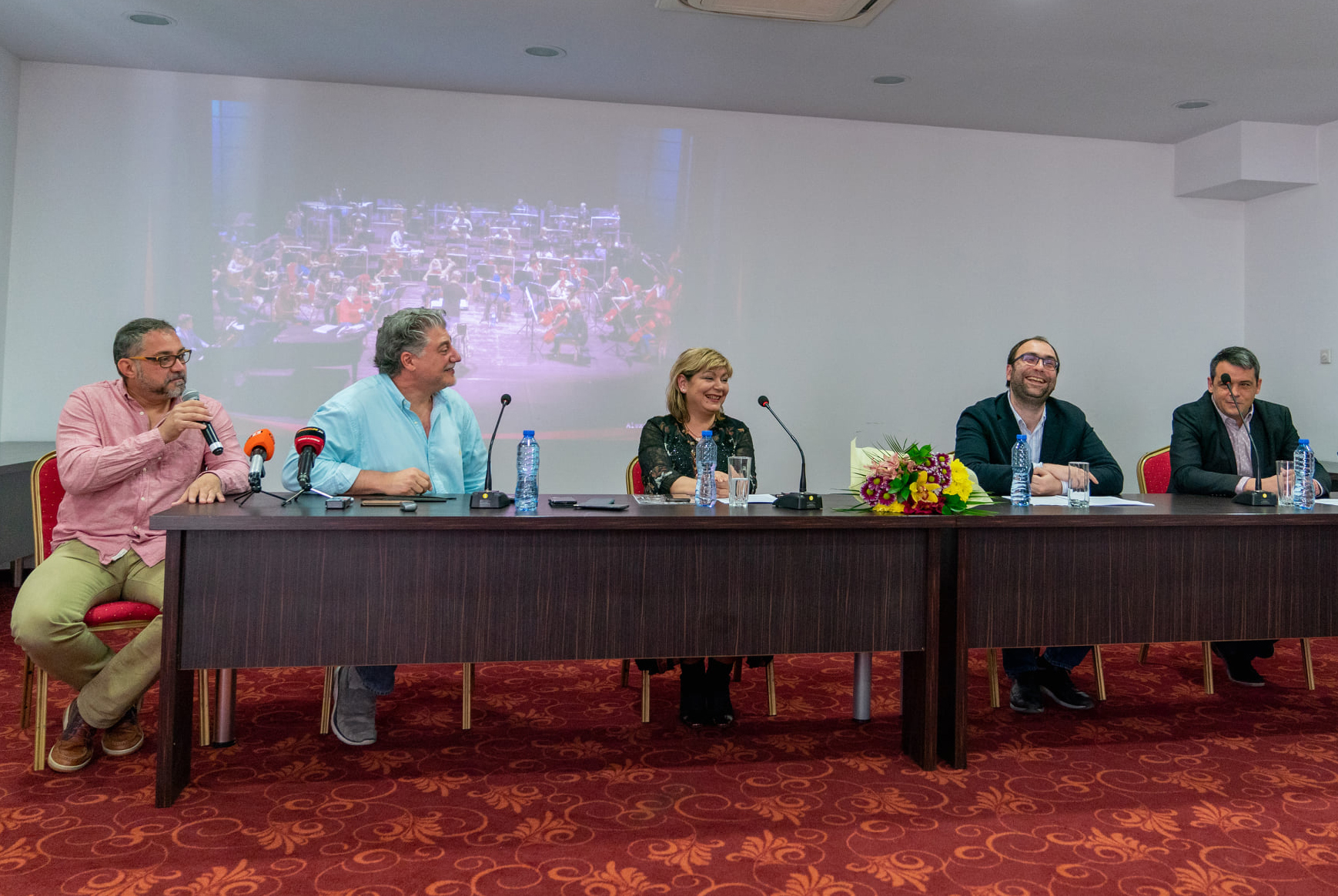
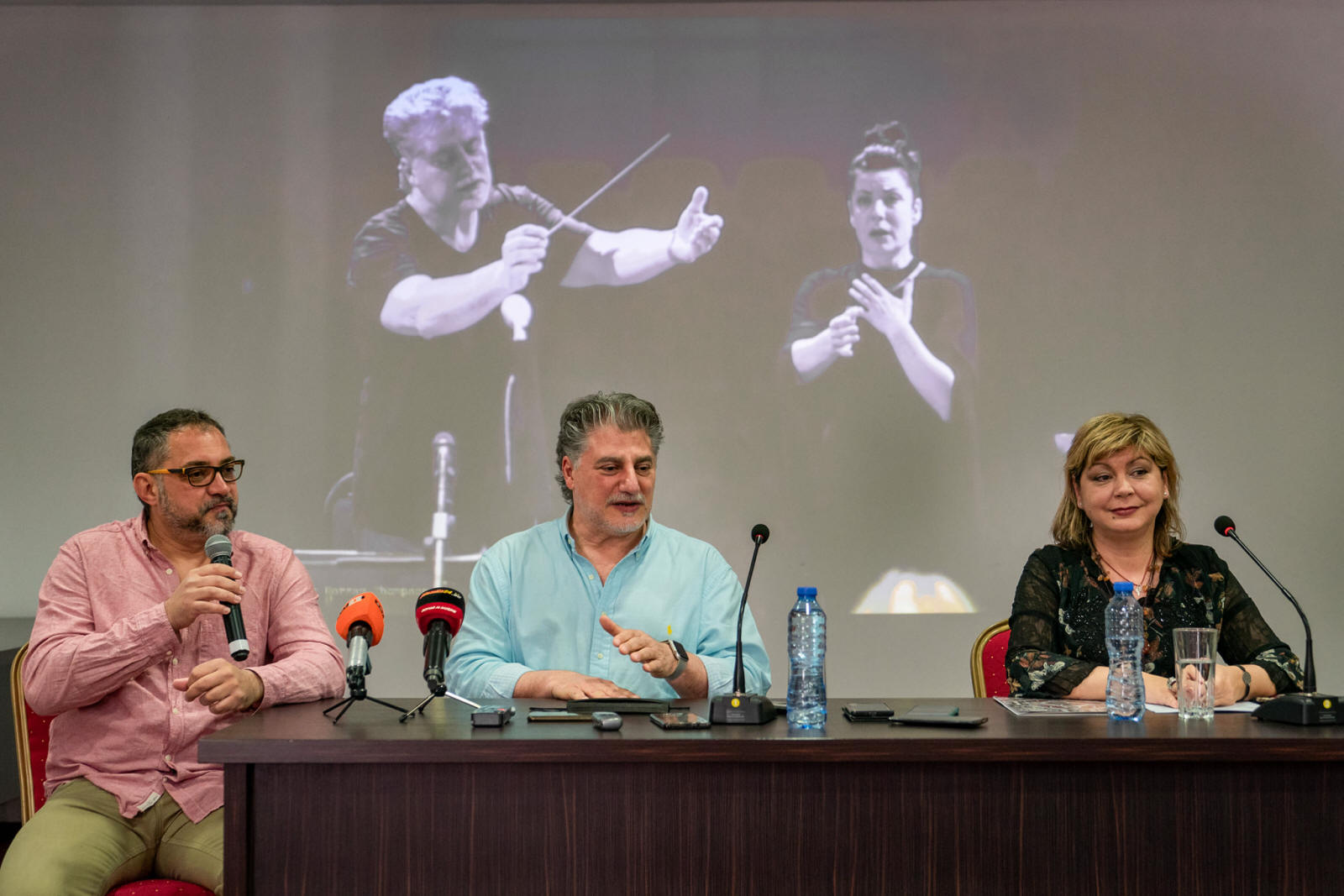
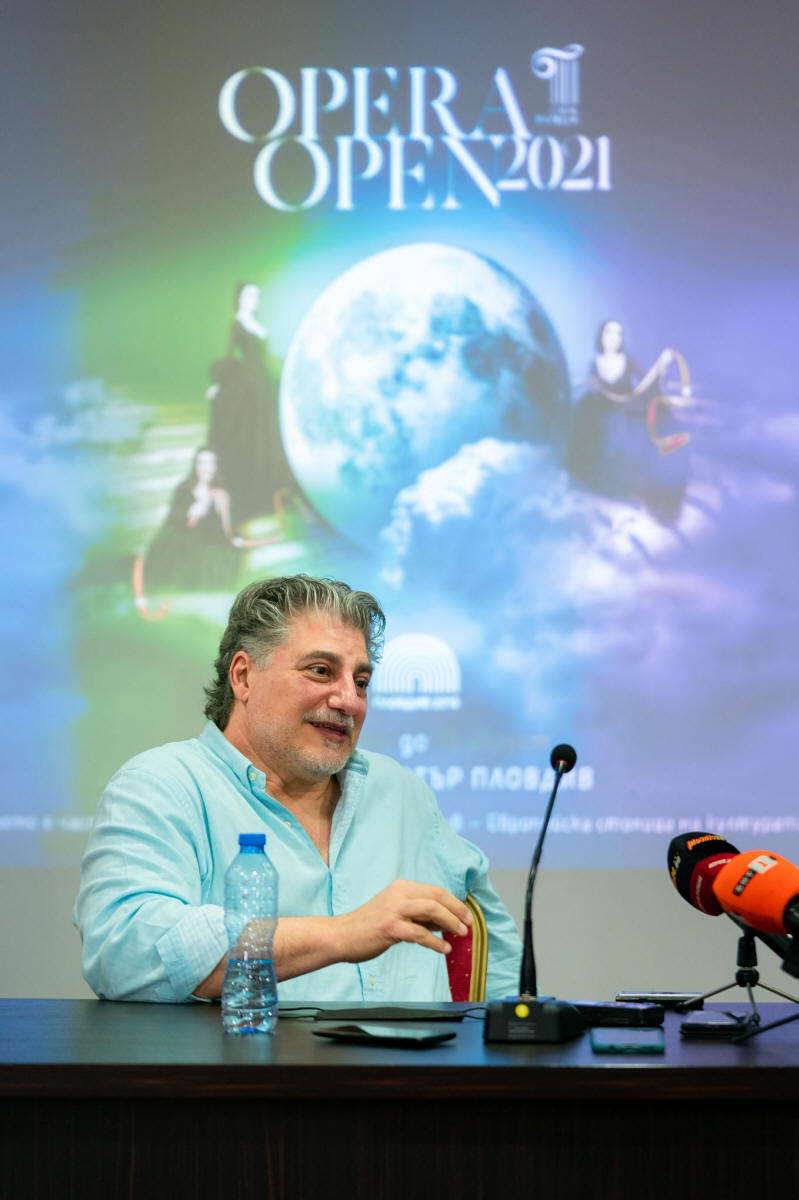
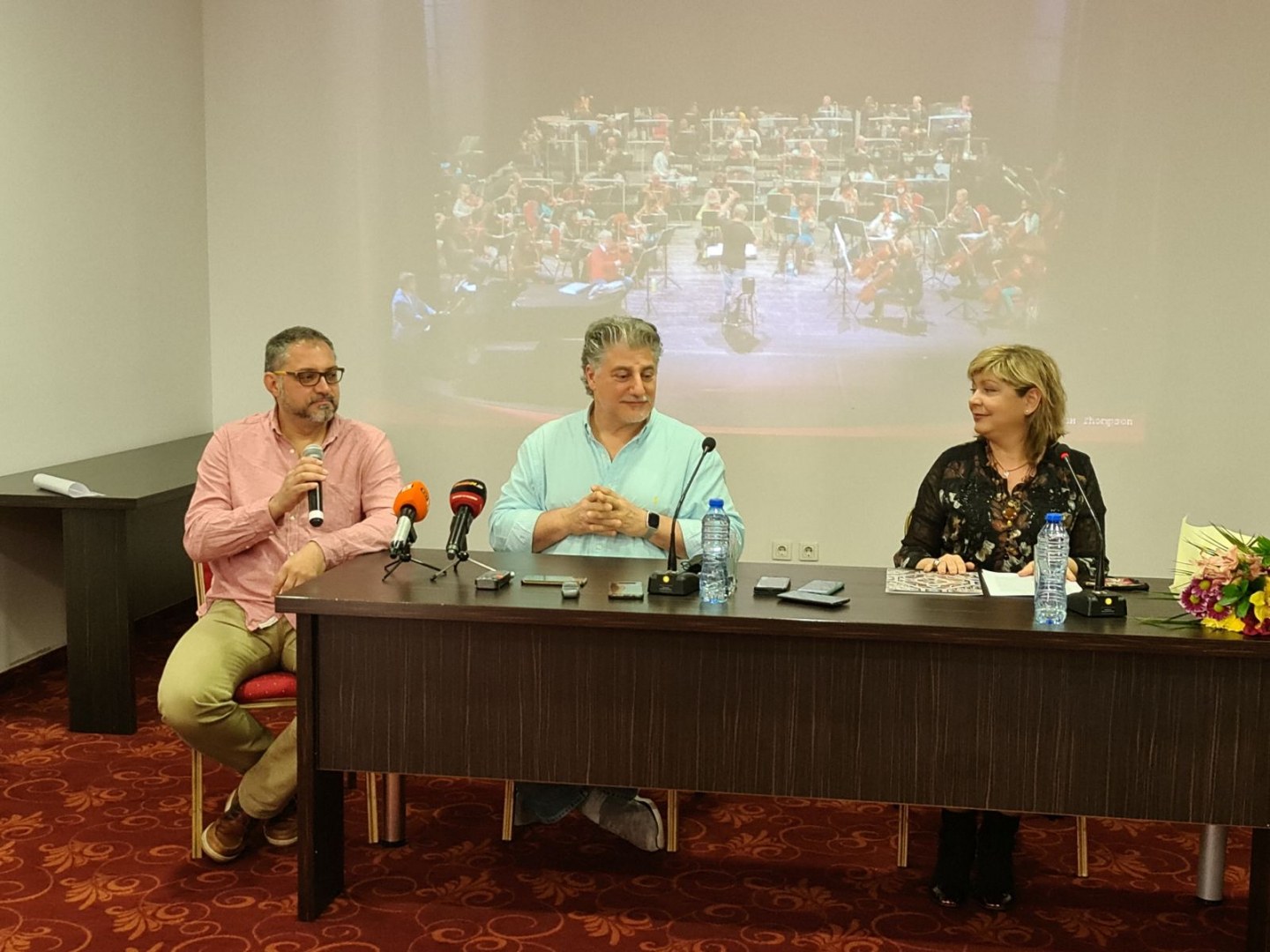
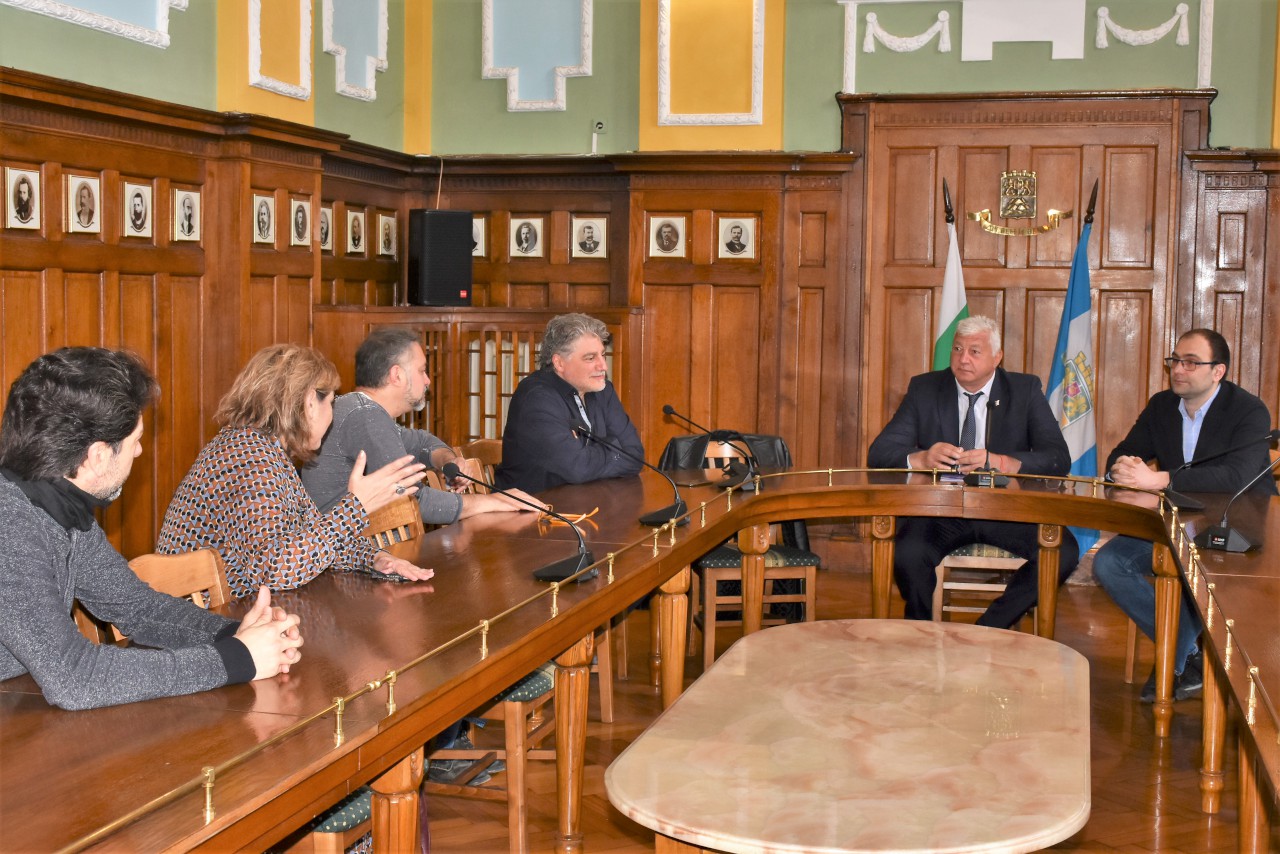
Press Conference
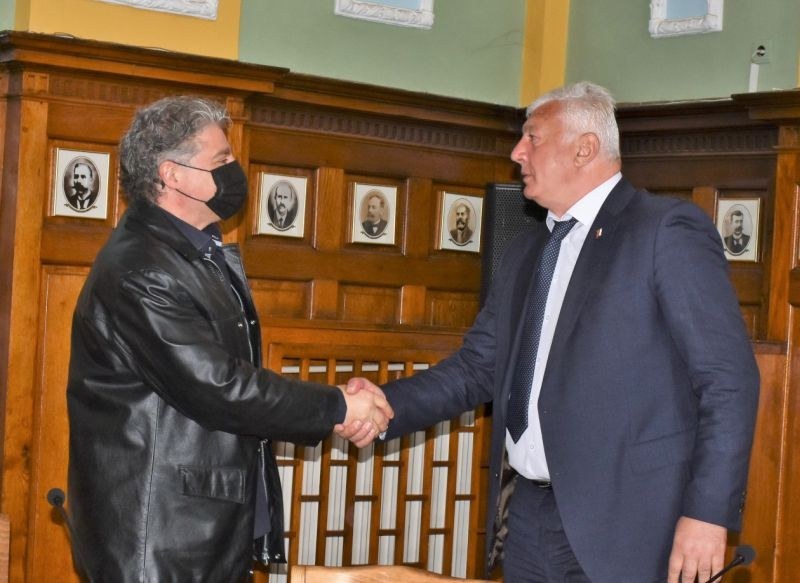
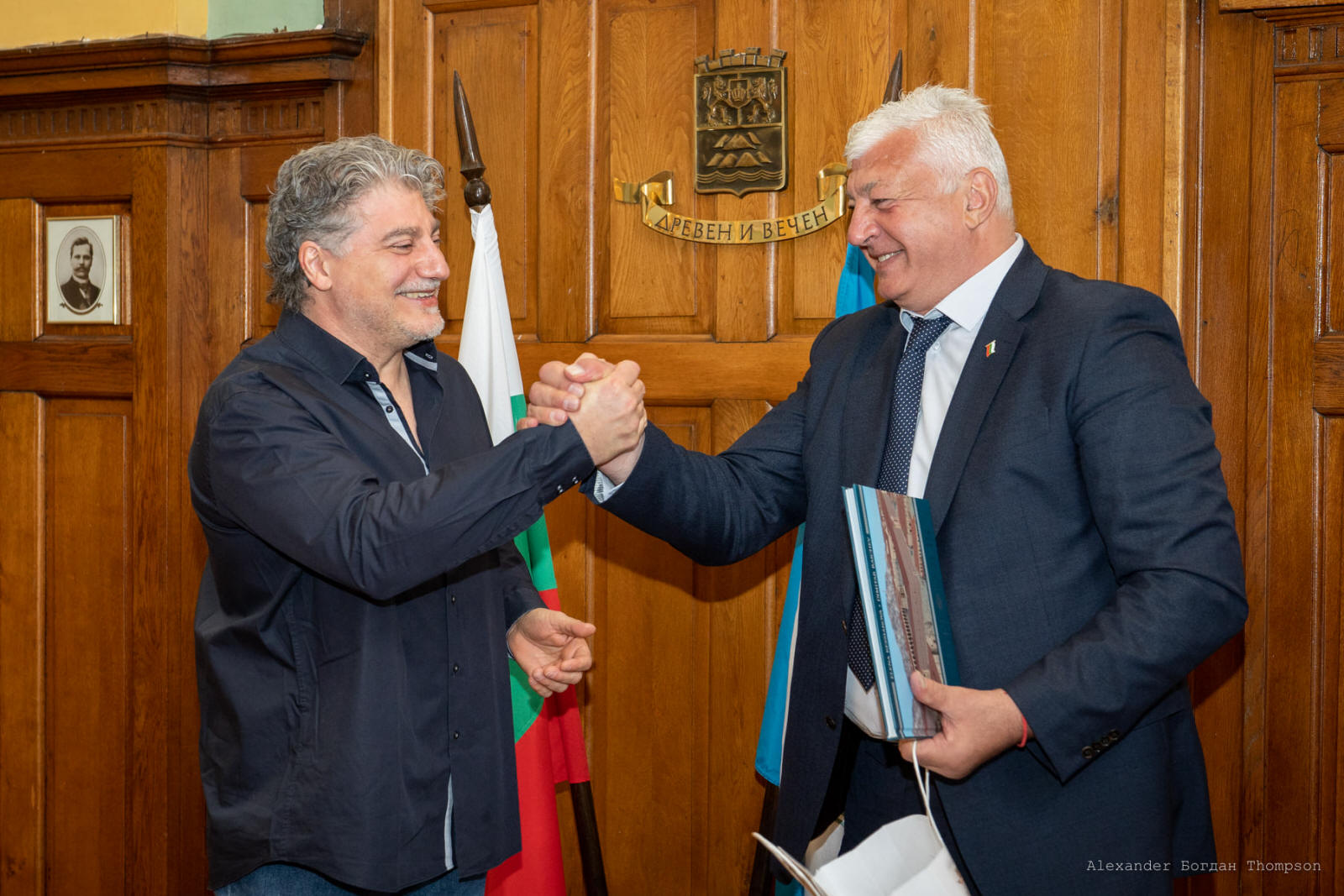
Visit with Mayor
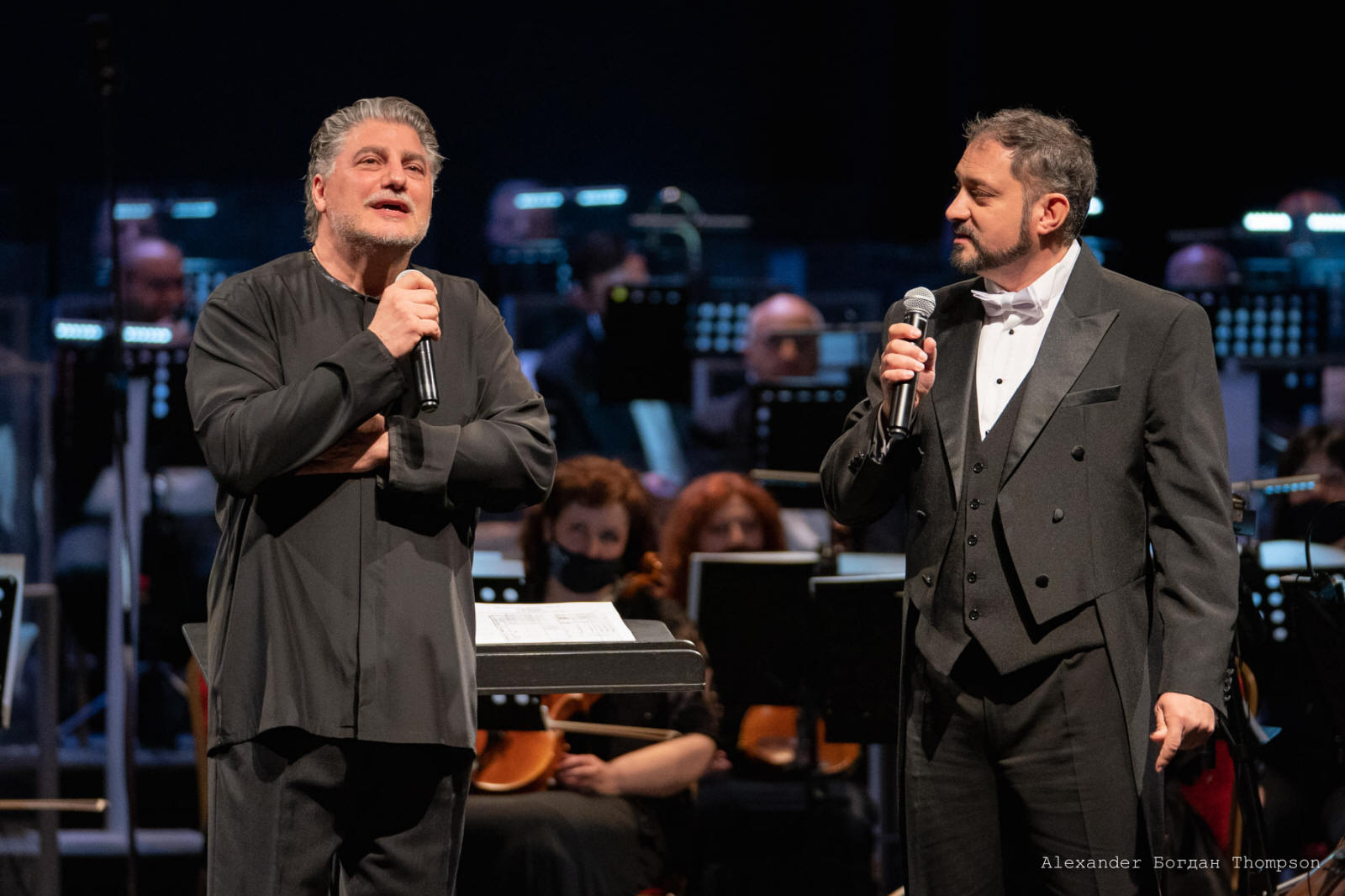
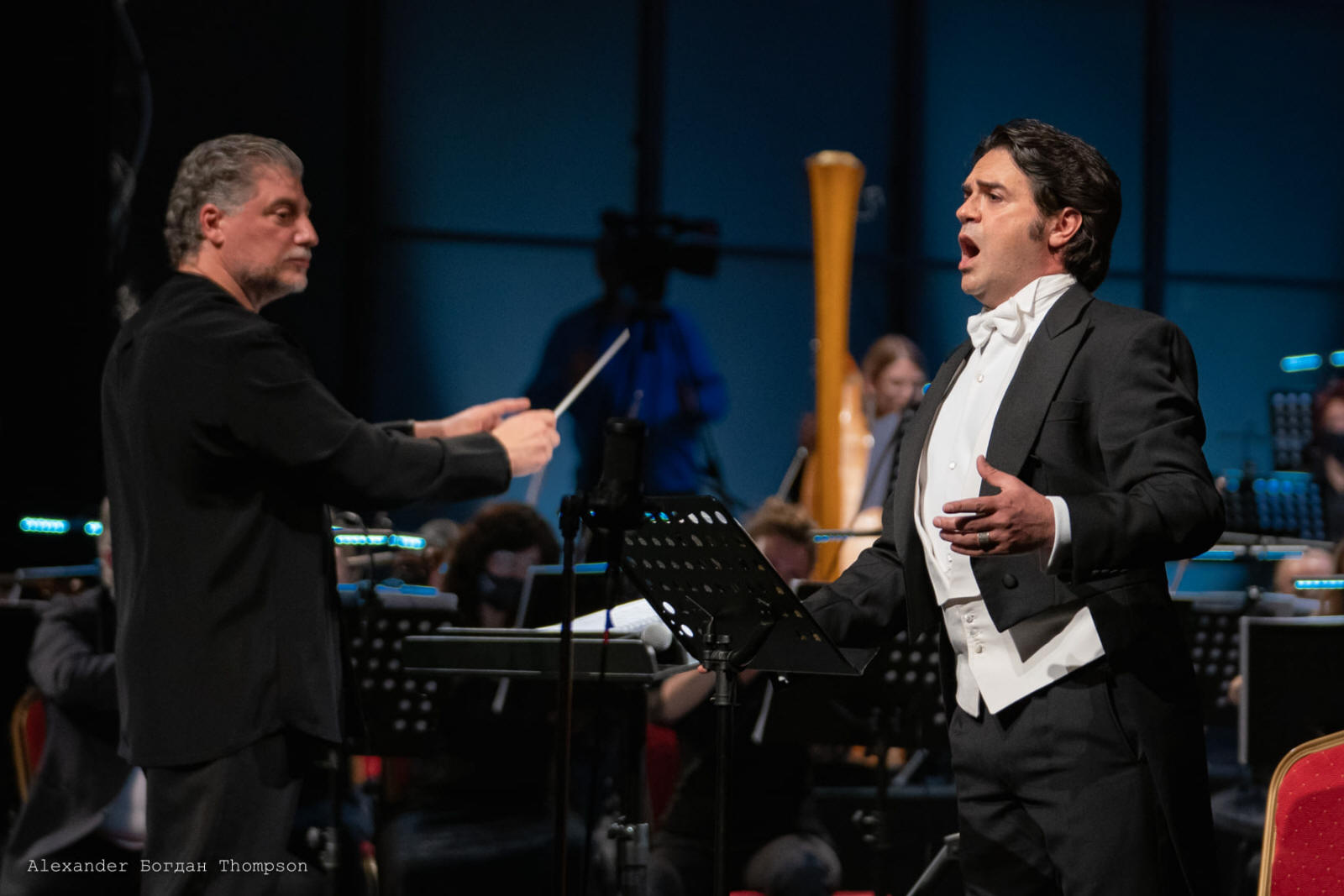
Performance
|
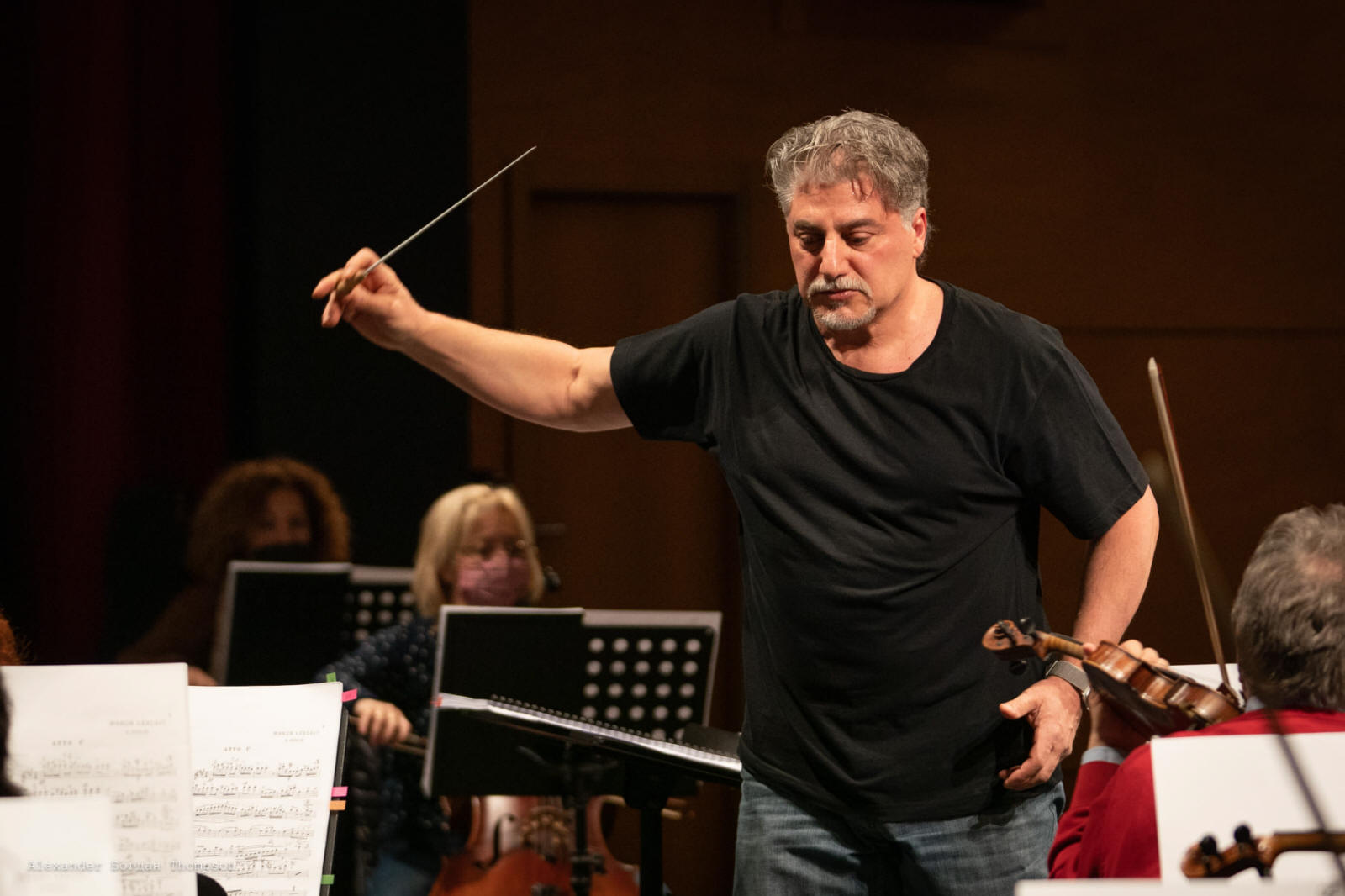
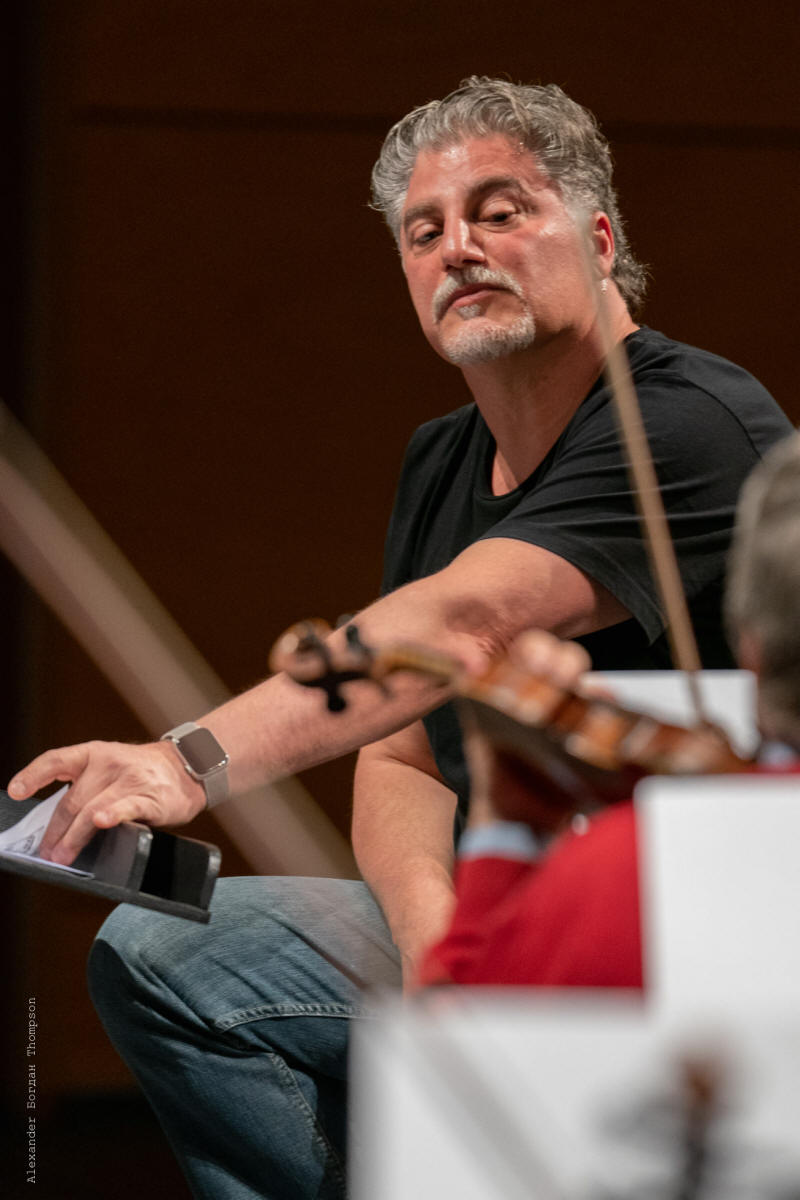
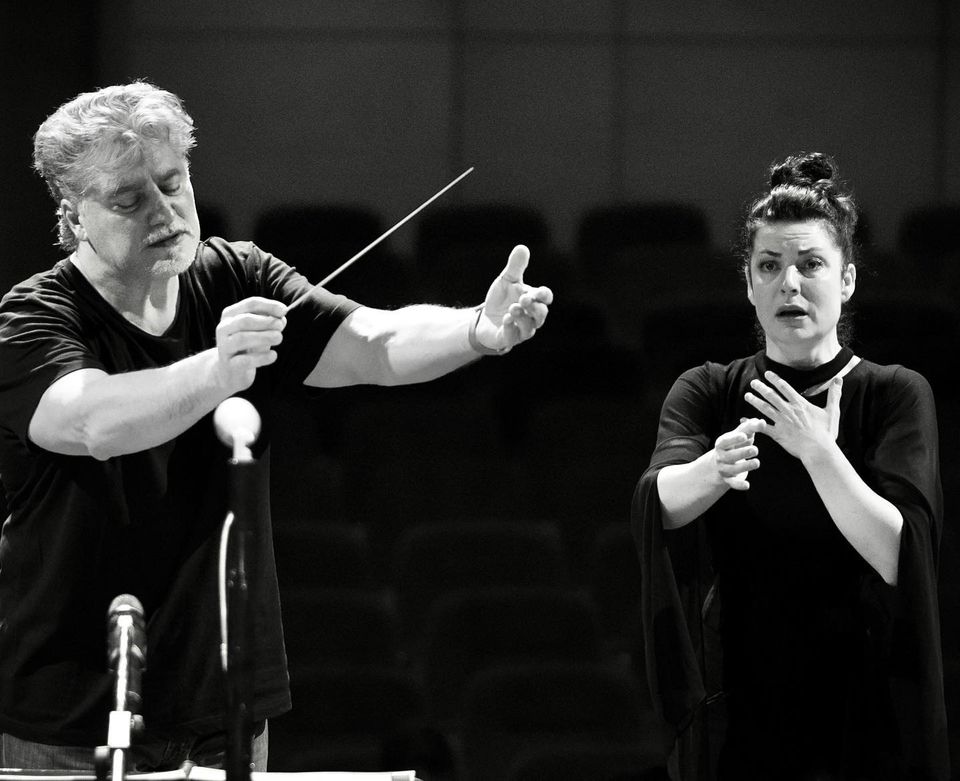
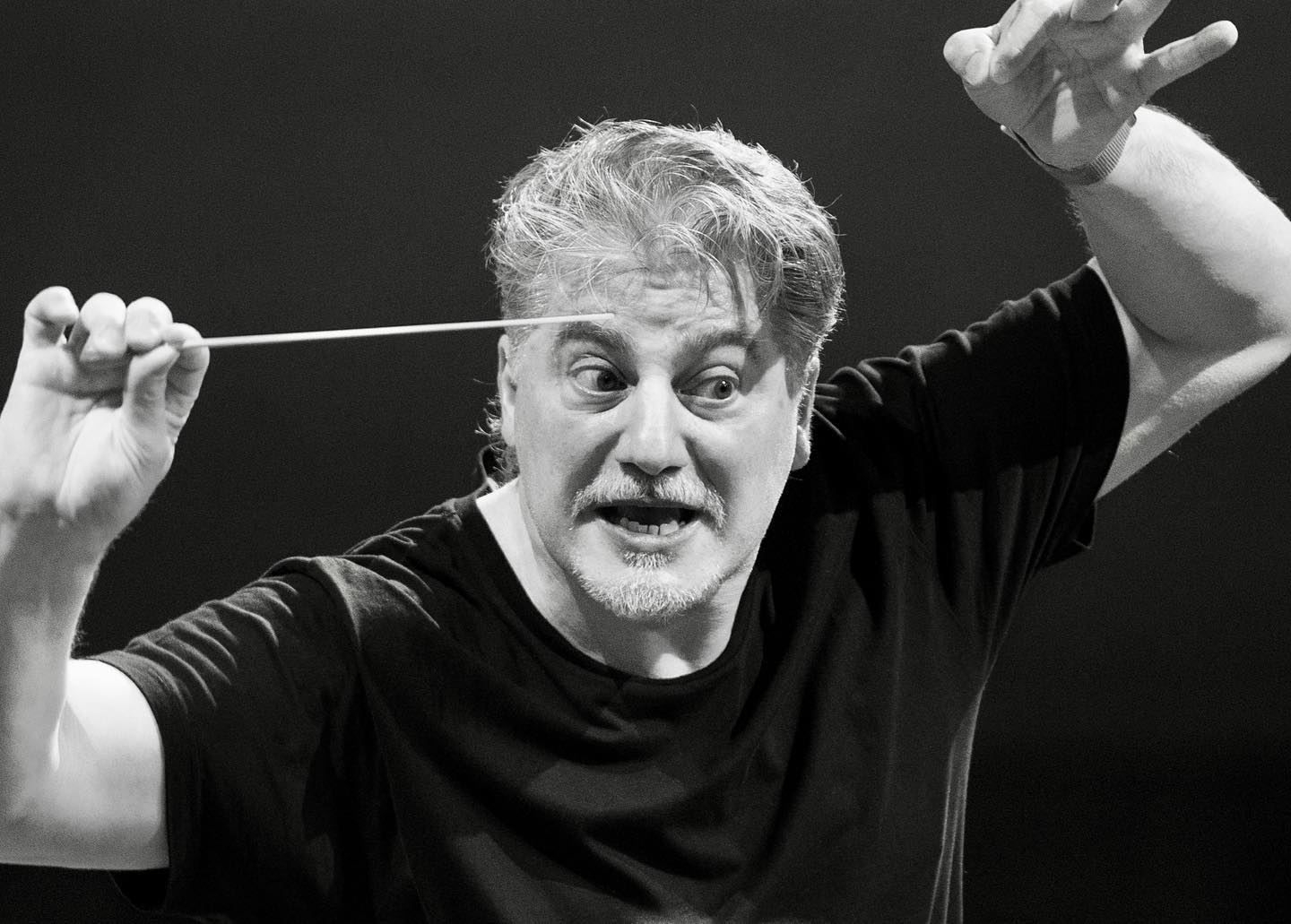




|
Note: This is a machine-based translation. We offer it only a a general guide but it should not be considered definitive.
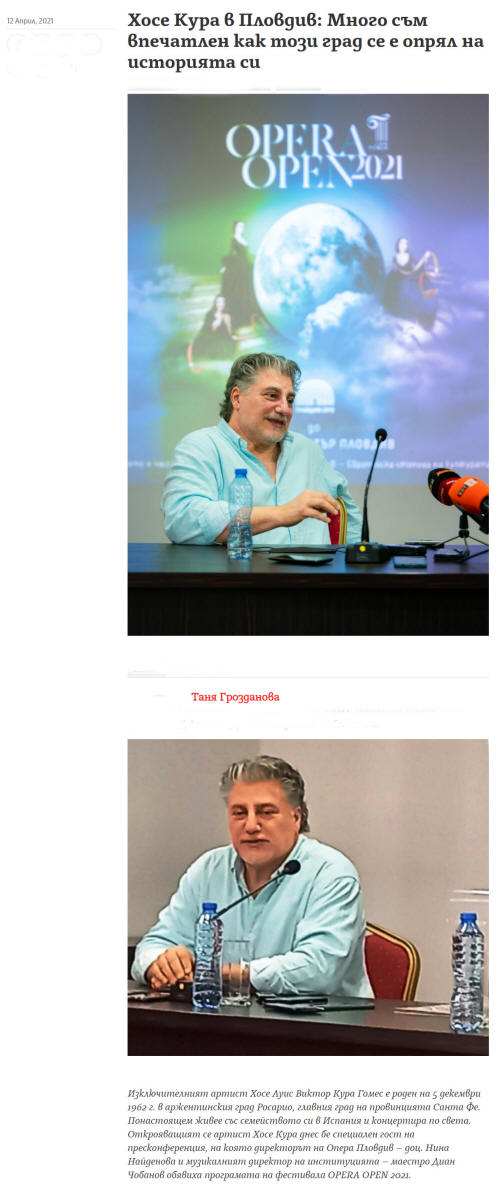
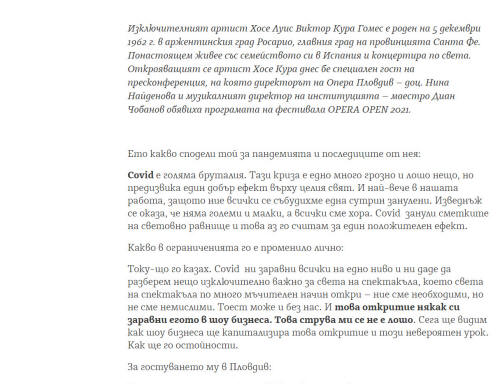
Jose Cura: The Pandemic equalizes everyone's ego. We need to capitalize on this lesson PlovdivTime 12 April 2021 [ Excerpt]
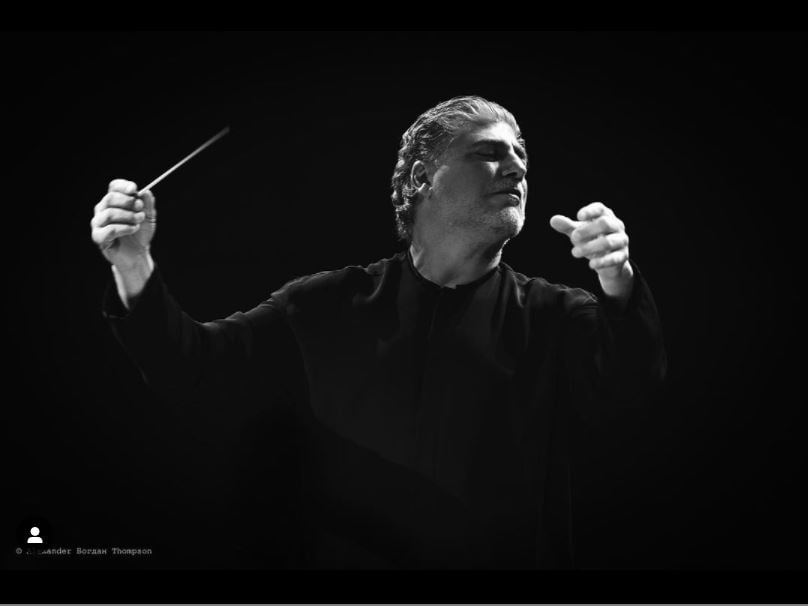
“Covid-19 is a very ugly thing, but it has had one positive effect all over the world and especially in our business, because we all woke up one morning and had to hit reset. It turns out there are no big or small people, just people. This had leveled the ego in show business. Now we need to see how show business will capitalize on this incredible lesson,” said the great opera singer José Cura, who is in Plovdiv for the premier of Manon Lescaut on 15 and 17 April at the Opera House. The maestro is visiting Plovdiv for the second time. The first was in 2019, when he was part of the Opera Open festival. "I have known the conductor Dian Chobanov since 2016. He played a very special role in my coming to Plovdiv. The maestro is a very interesting person. It has been my personal observation that chief conductors usually invite weaker colleagues so as not to be overshadowed. Chobanova is completely different because he always invites people he thinks are the best at the moment to work in his orchestra,” Cura said with a smile. He was adamant that after the first visit he did not think about it at all and accepted the second invitation without hesitation. "After a 40-year career, I can now afford to choose the stages to visit. I'm doing this for myself because it works well for me. Even during my first visit I realized that the Plovdiv Opera has everything you need to function well. Now I am staying in a house in the Old Town and yesterday I had a day off. I took a walk and remembered how beautiful and magnetic this place is. I also reached Nebet Tepe - it is impressive how this city draws on its history. Wherever you dig, it seems you will find traces of the Romans," he added. He readily accepted the invitation to conduct the concert performance of Manon Lescaut as a sign of respect for his colleague Kamen Tchanev, who passed away before his time, killed by Covid 19. “I knew him personally. He came to my rehearsals for Otello at the Ancient Theater in 2019. He wanted to sing the role and was already studying the part. I’m glad he was able to do that, even though he left us shortly afterwards. Now I get to know his wife Tanya Ivanova. That completes Kamen’s picture,” Cura said. In the concert performance of Manon Lescaut on April 15 and 17 at 7 pm in the House of Culture Boris Hristov the Argentinean will stand behind the conductor's desk. Soloists are Tanya Ivanova, Leonardo Kaimi (guest), Svilen Nikolov, Vladimir Nikov, Momchil Karaivanov, Evgeniy Arabadzhiev, Boris Kuchkov, Georgi Devedjiev, Nikolay Bachev, Zhivko Peychev. The orchestra and the choir of the State Opera-Plovdiv take part in the performance. Jose Cura also revealed that in addition to singing at this year's Opera Open in Tosca he had talks with the management about his participation in the opera Manon Lescaut in 2022.
|

  |
|
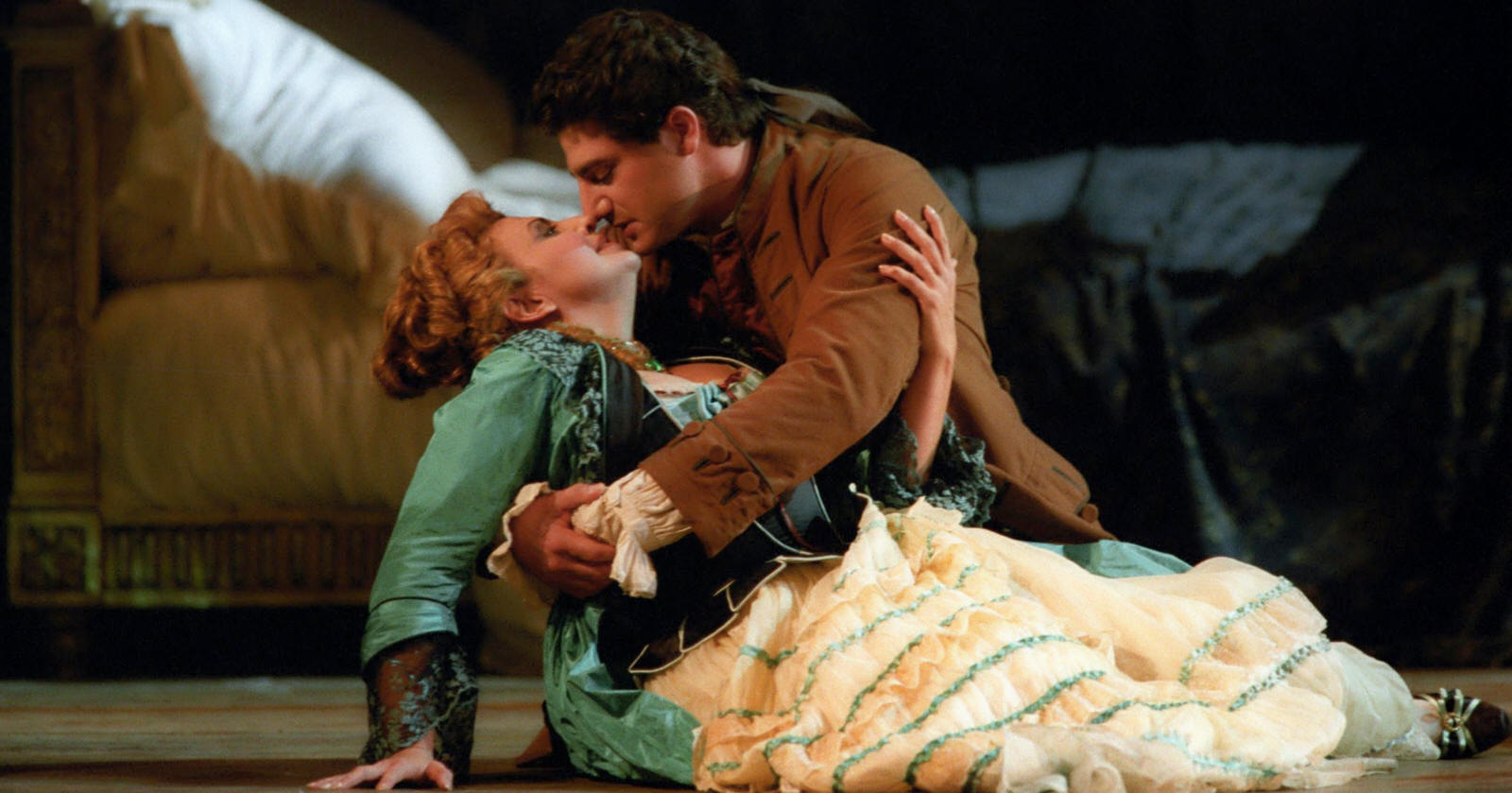
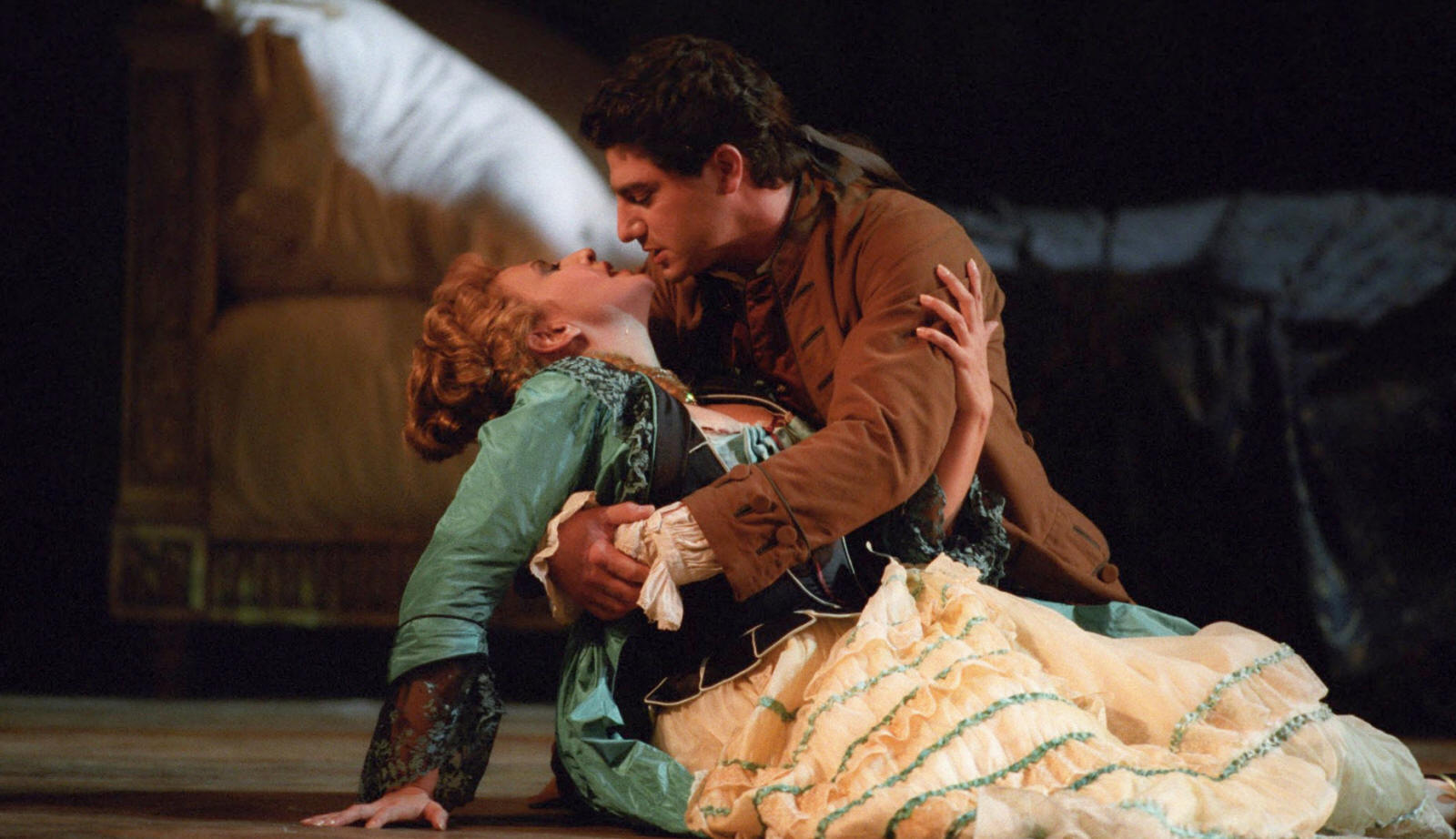
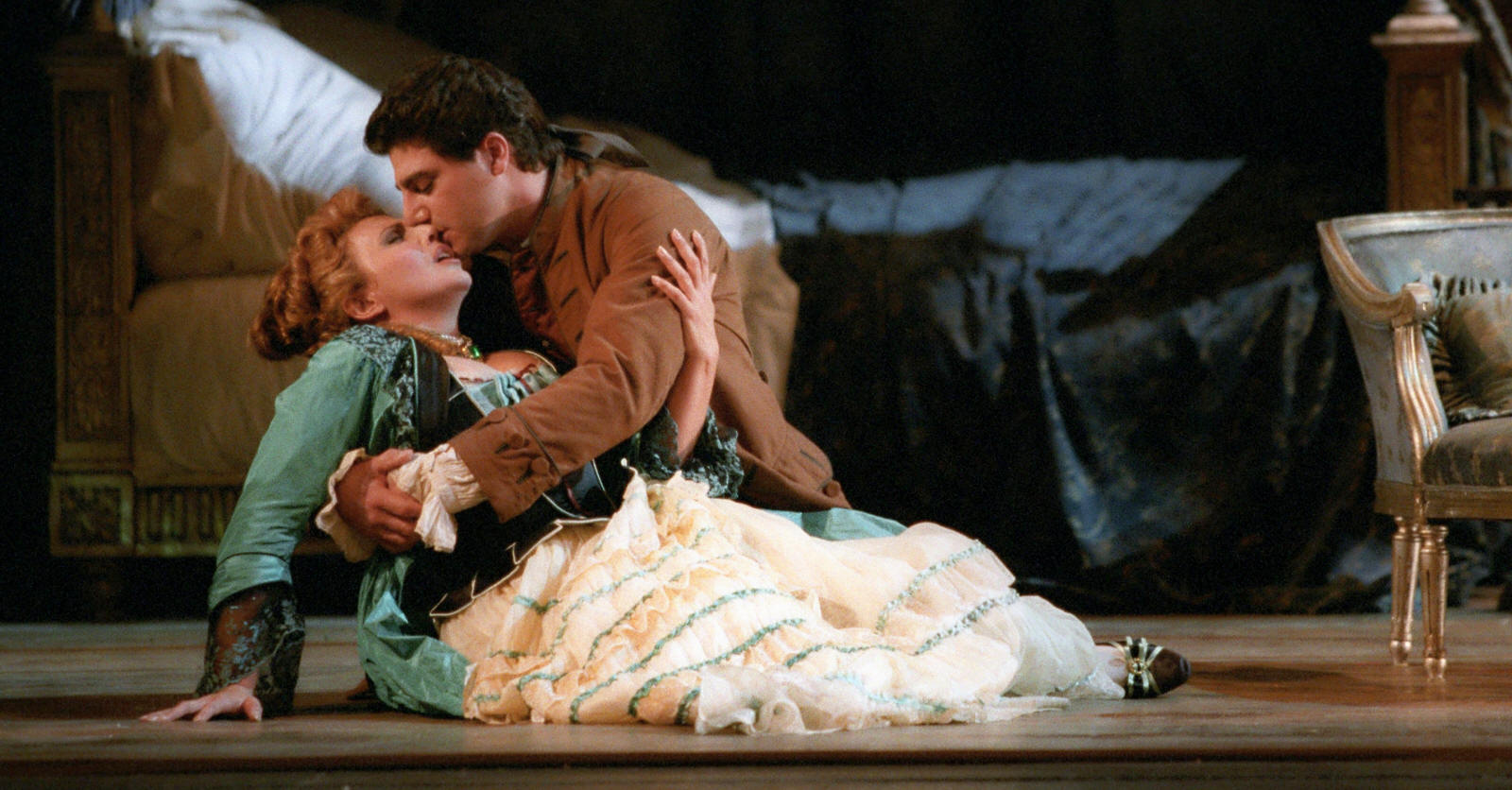
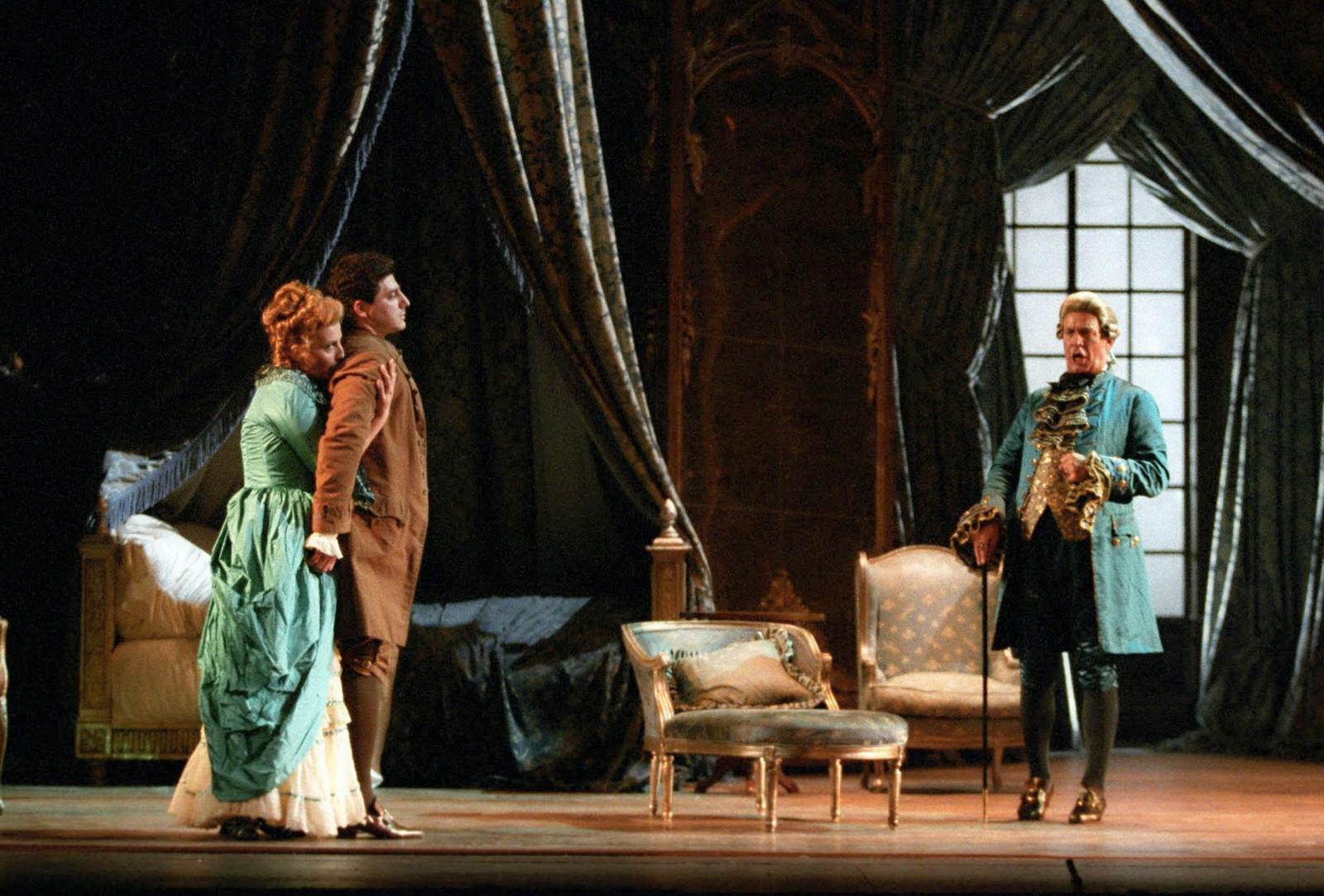
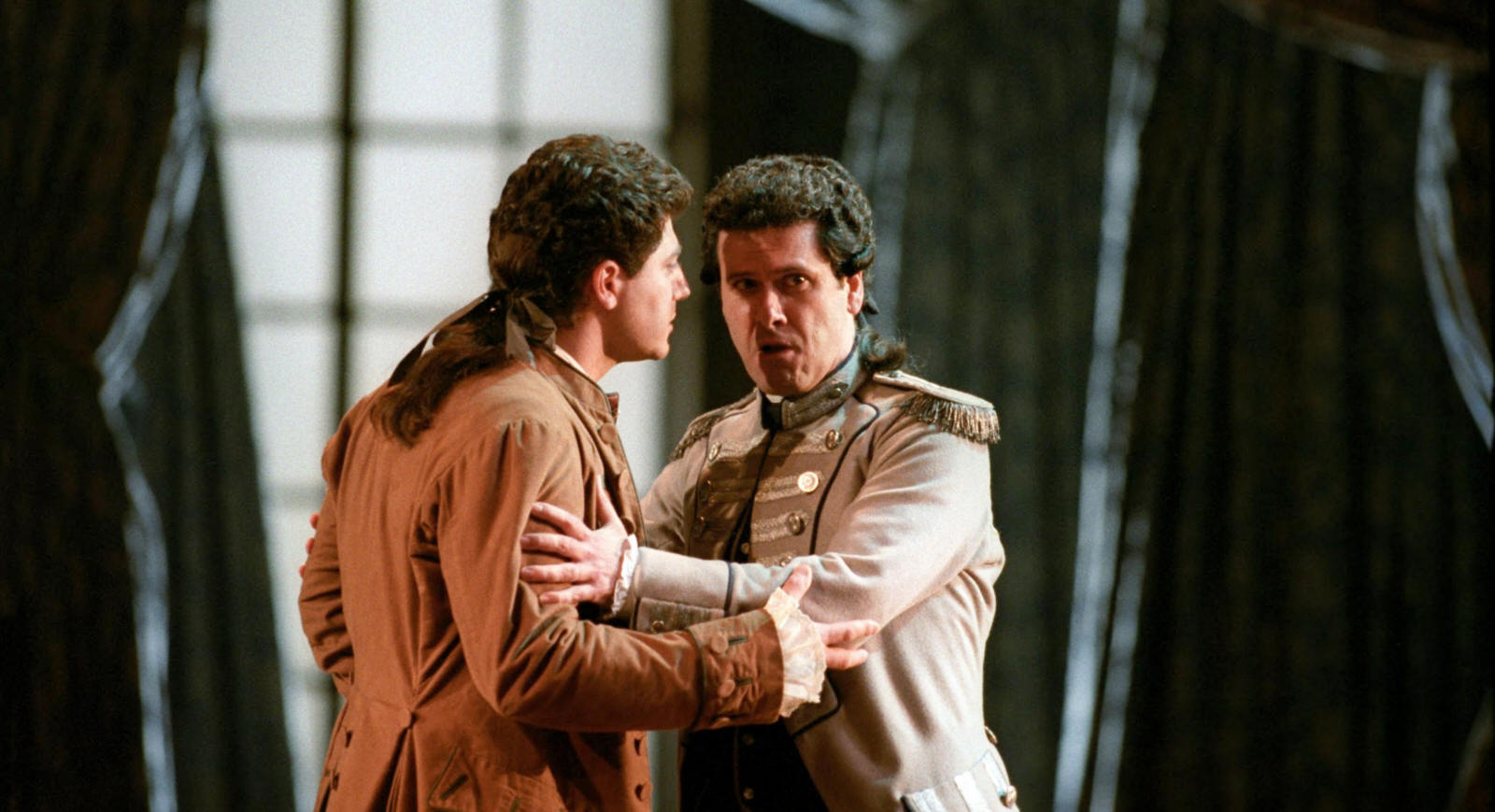
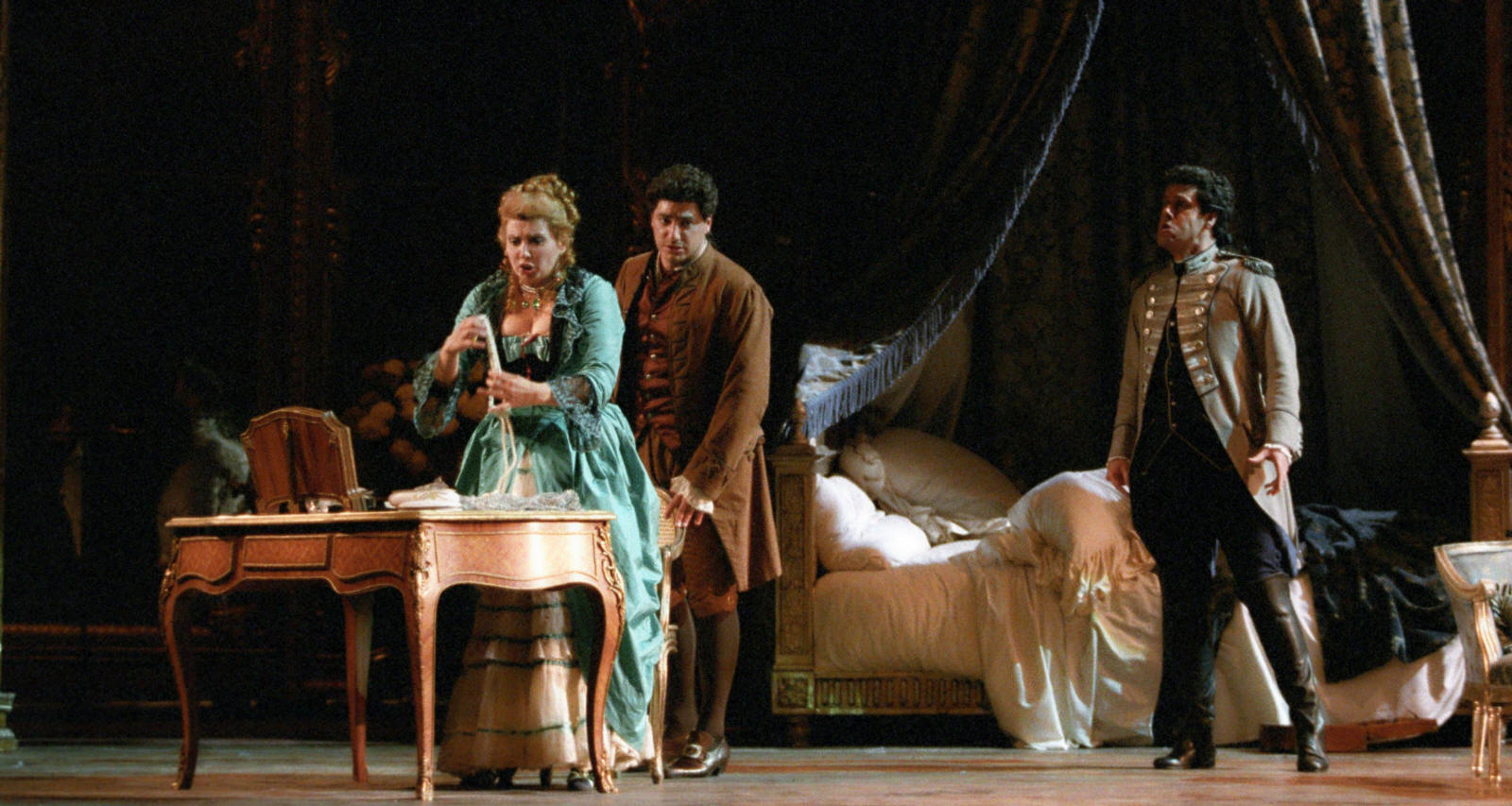
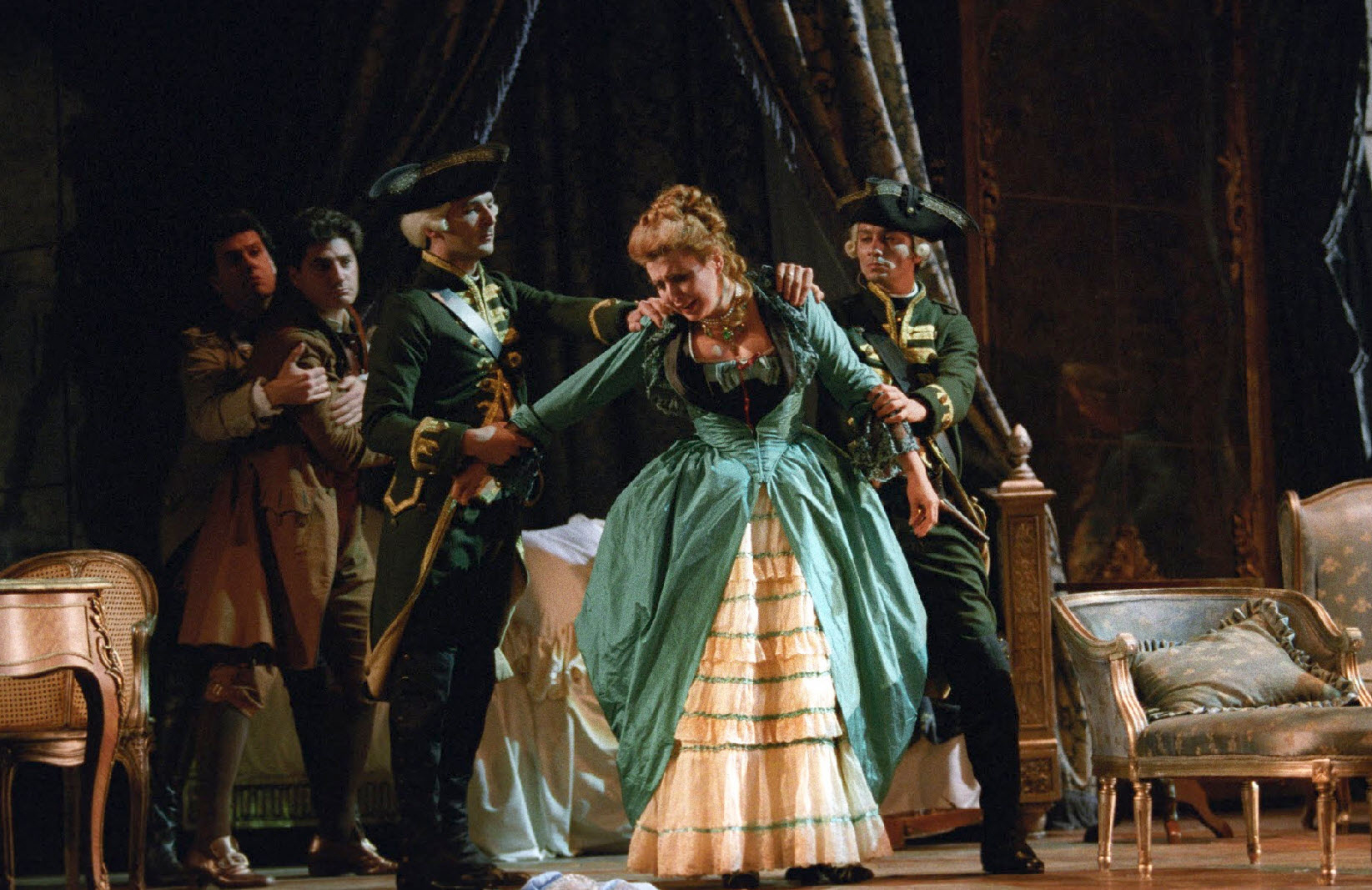
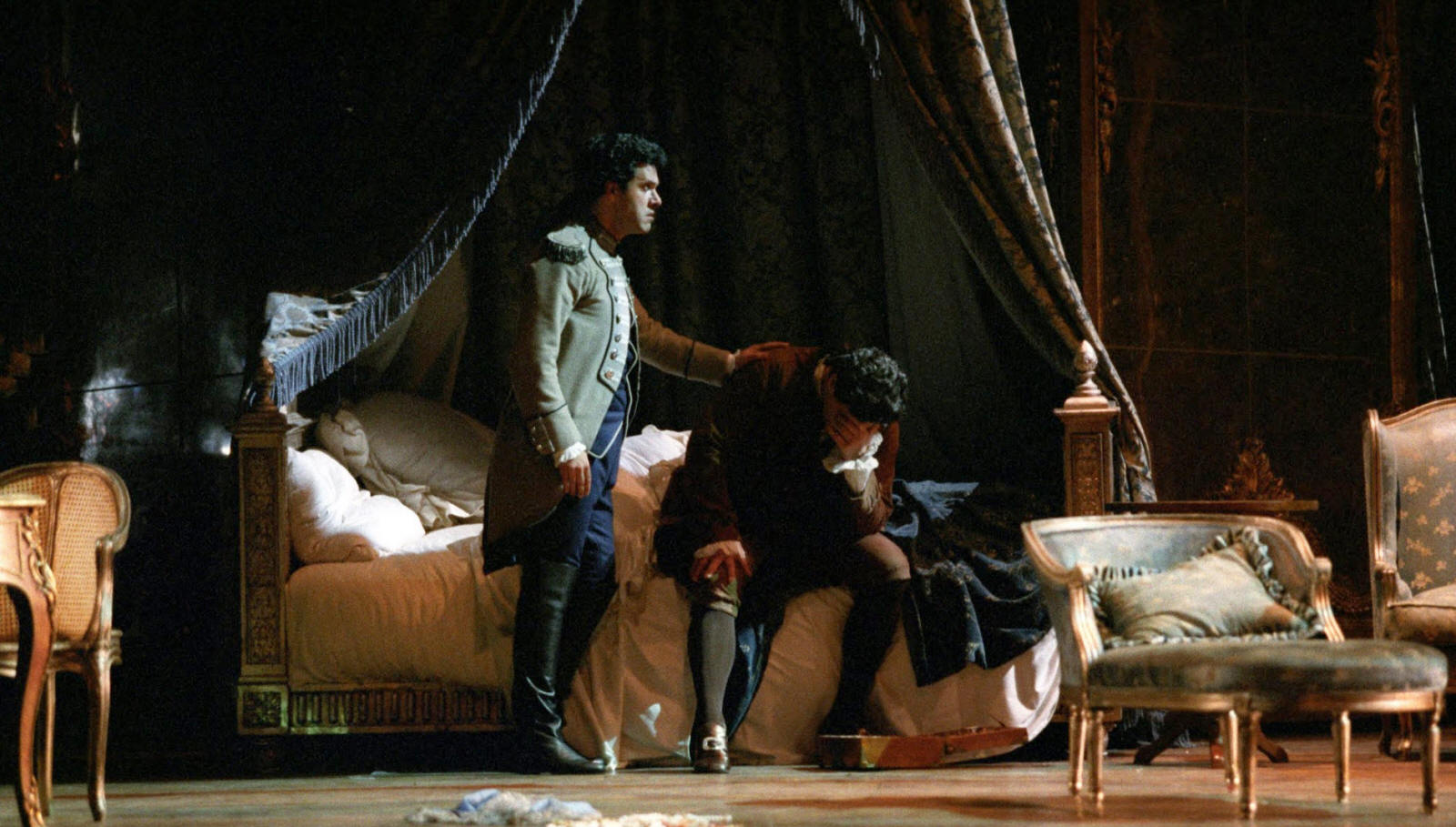
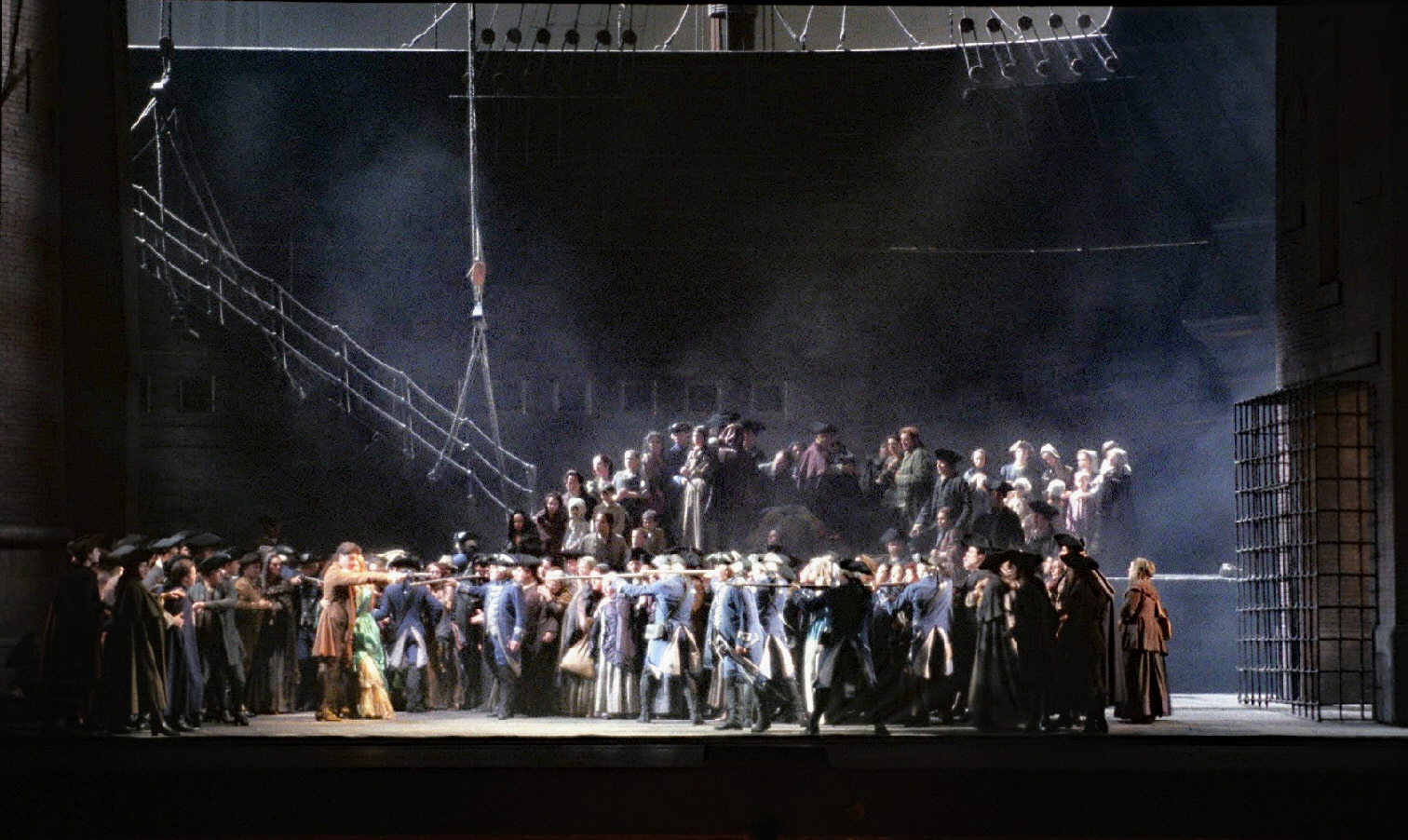
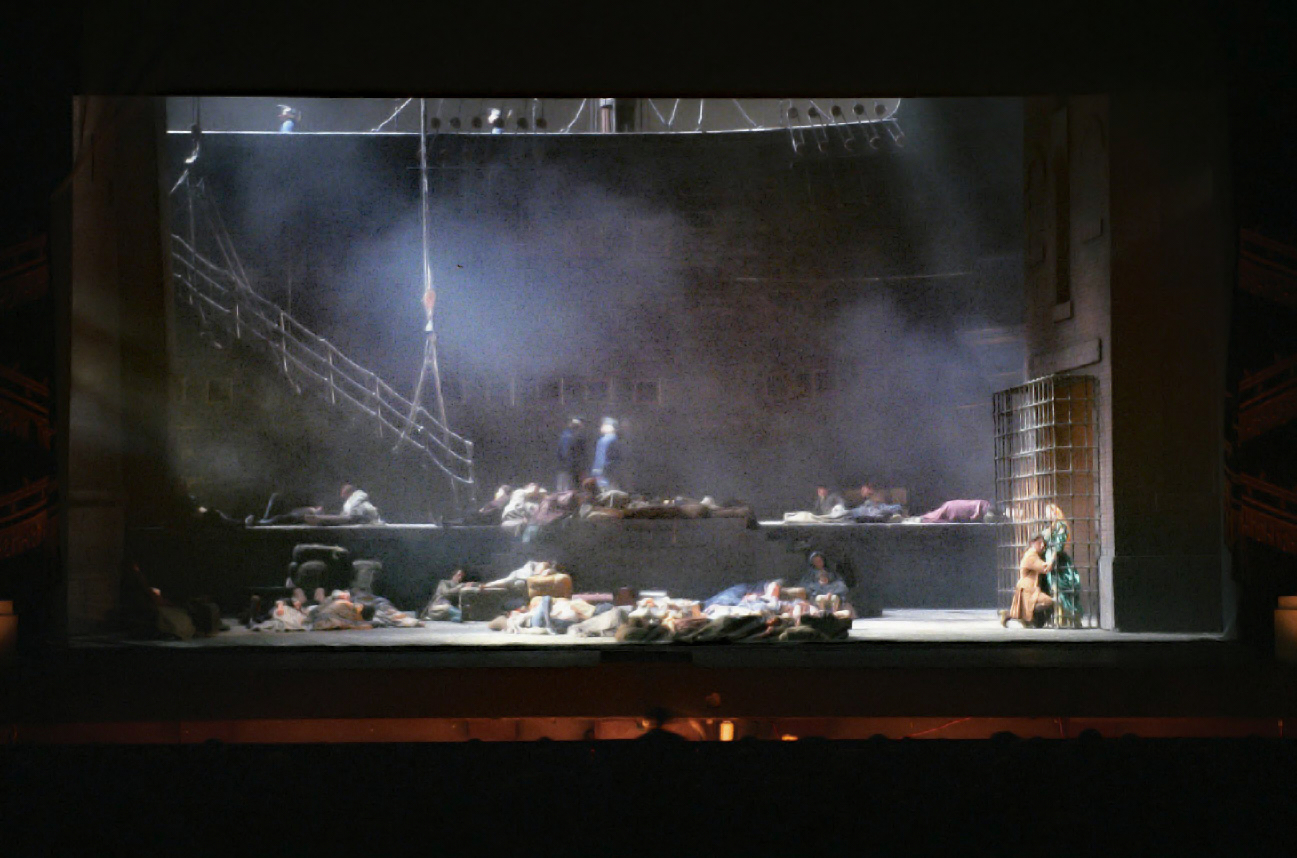
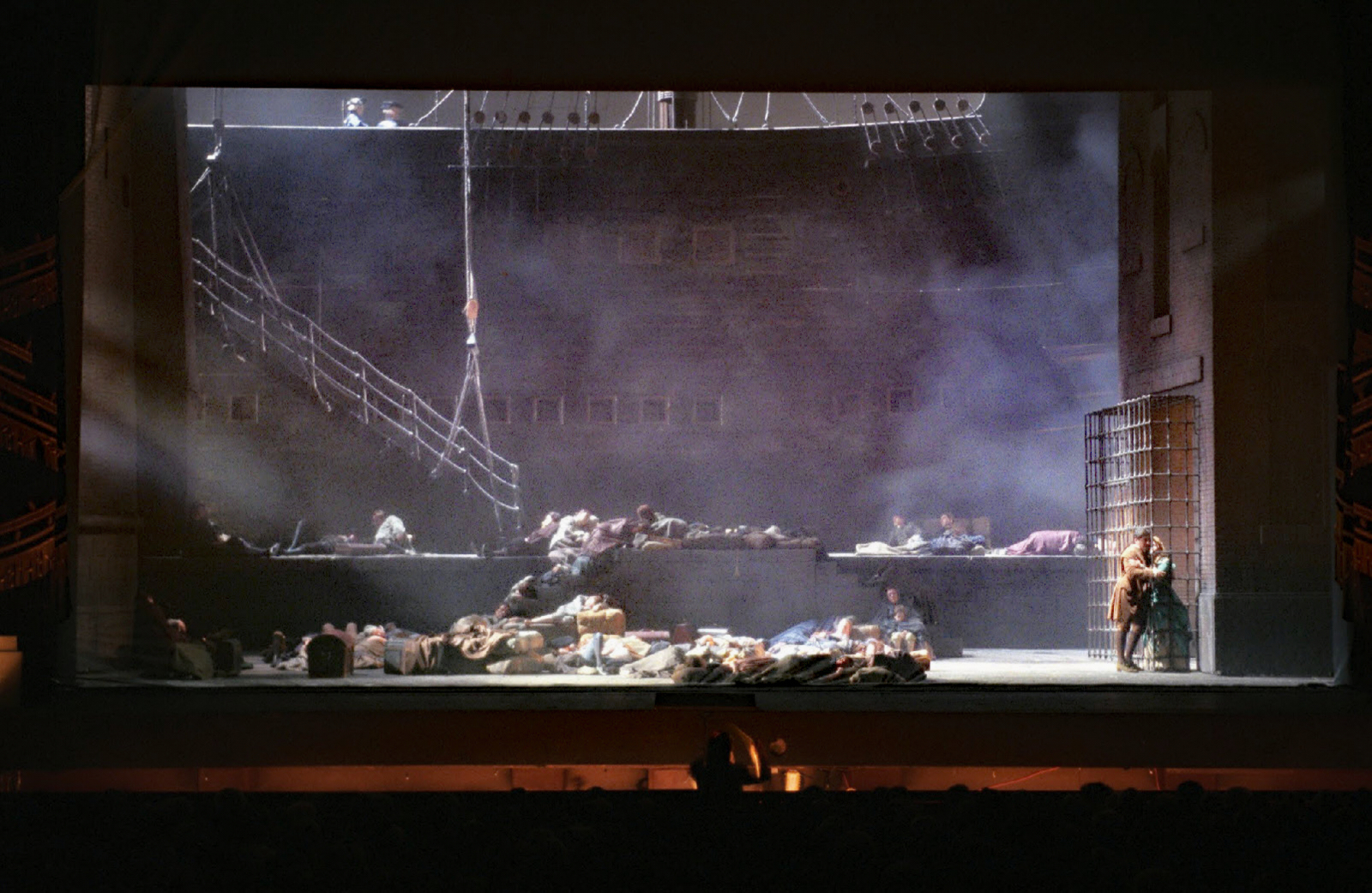
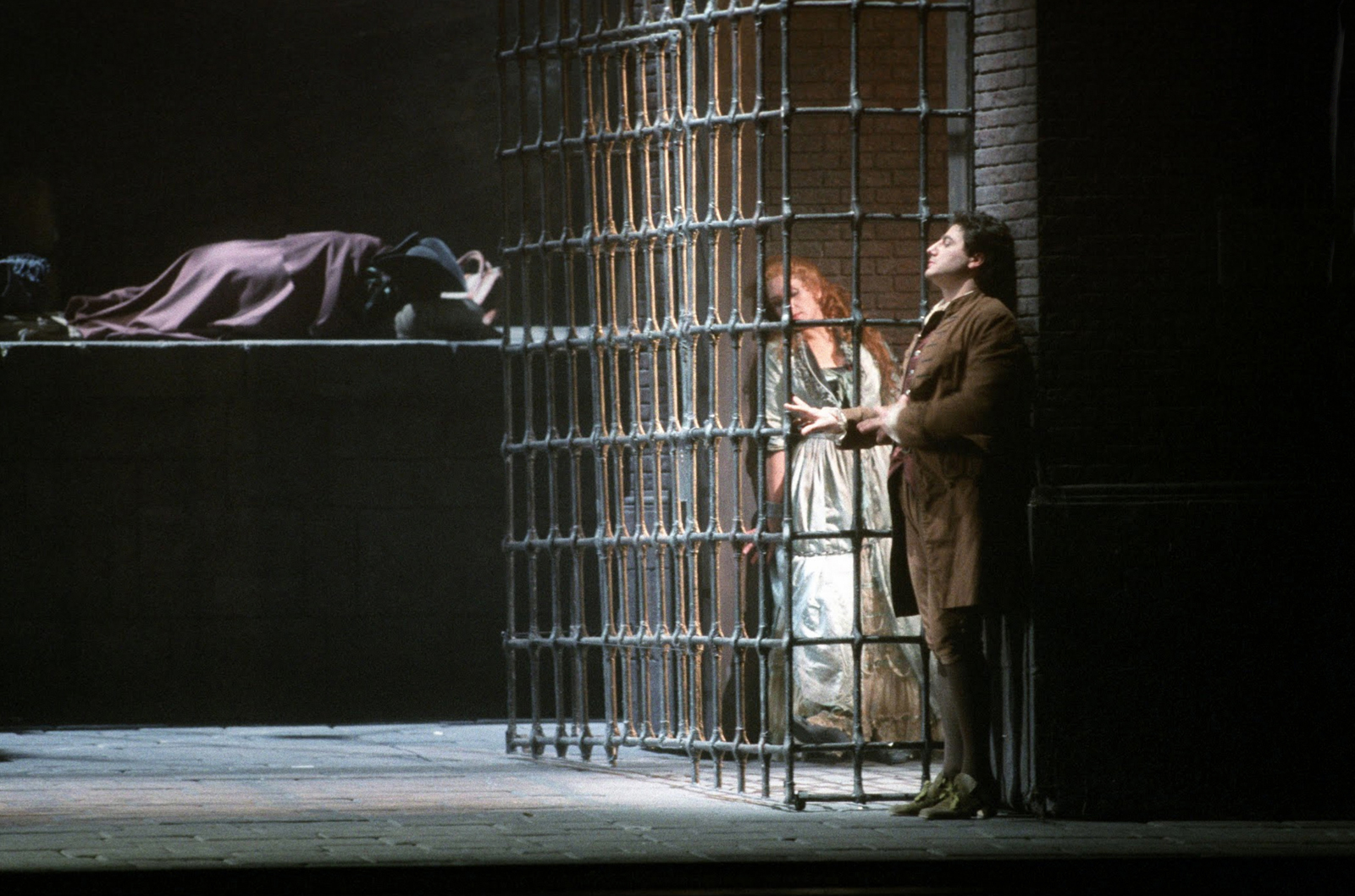
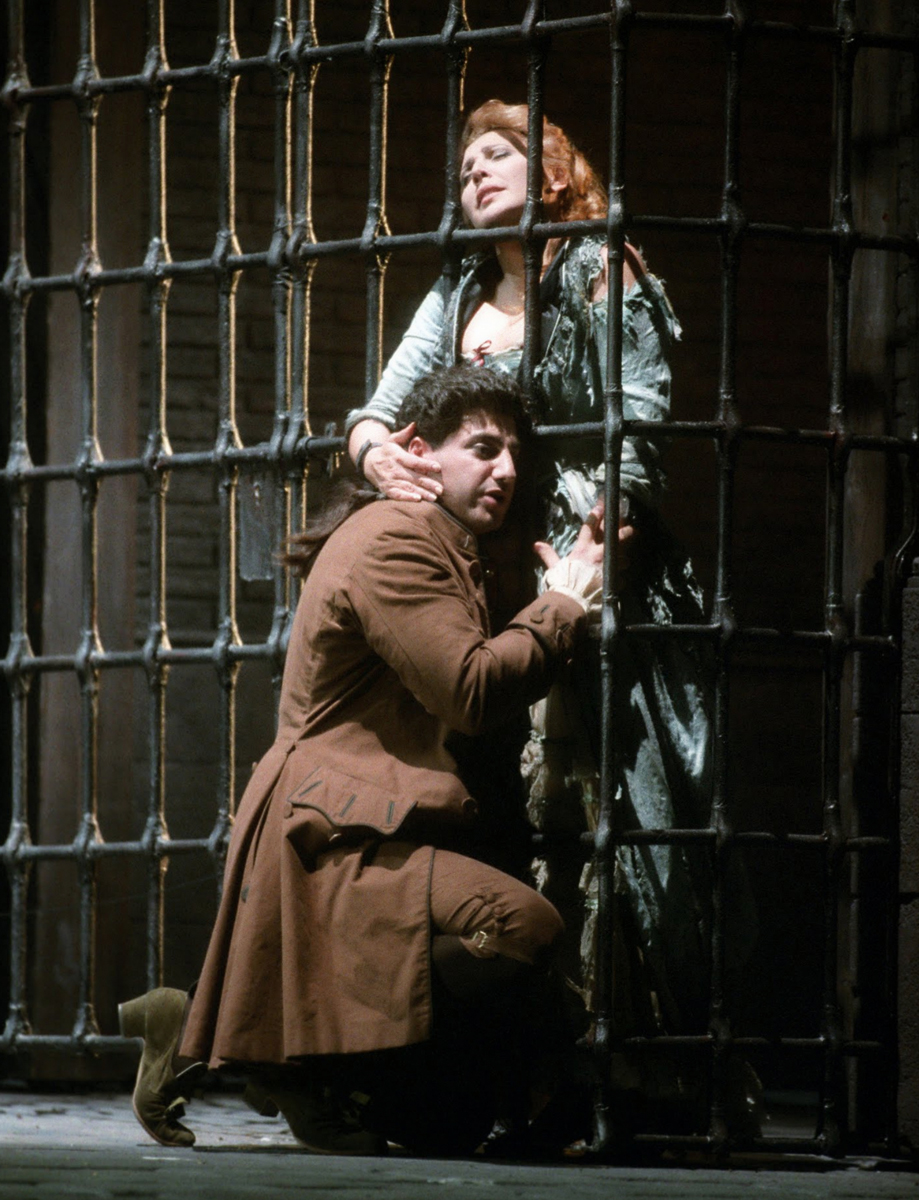
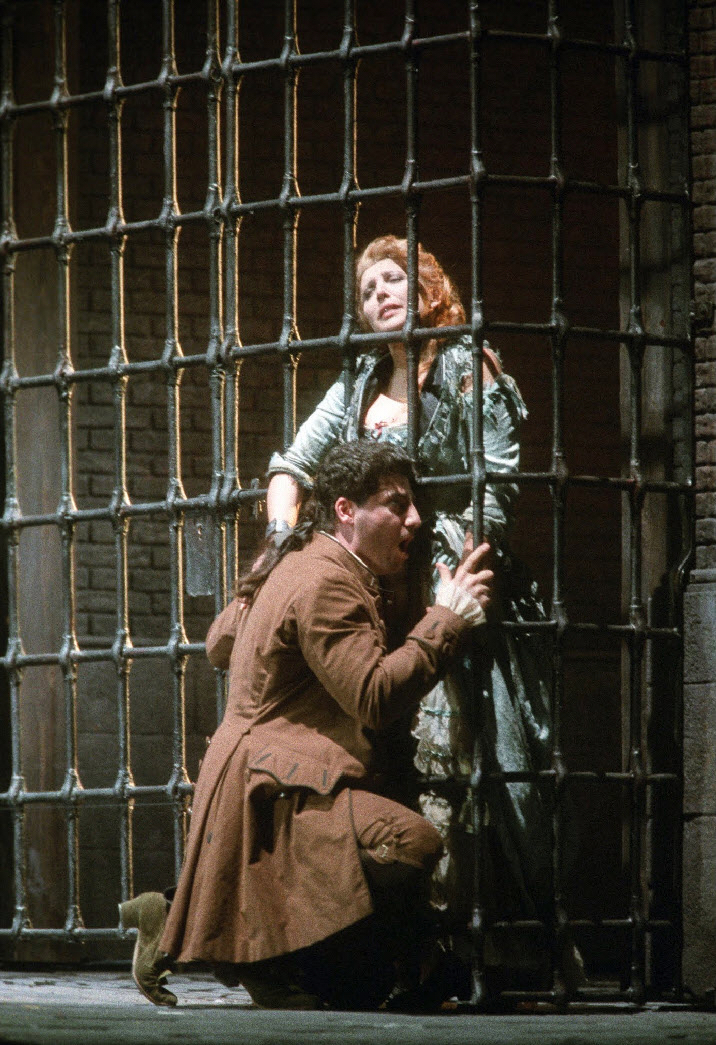
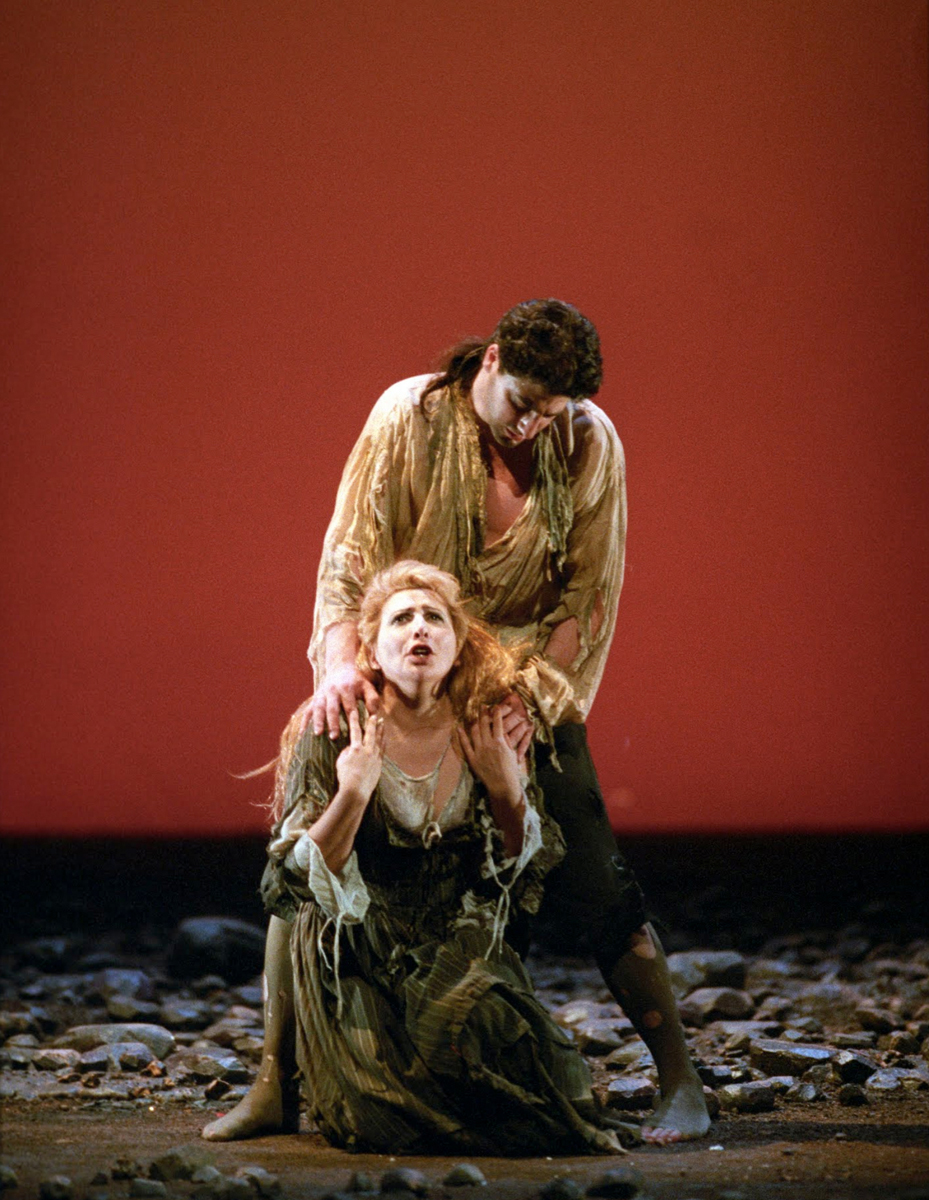
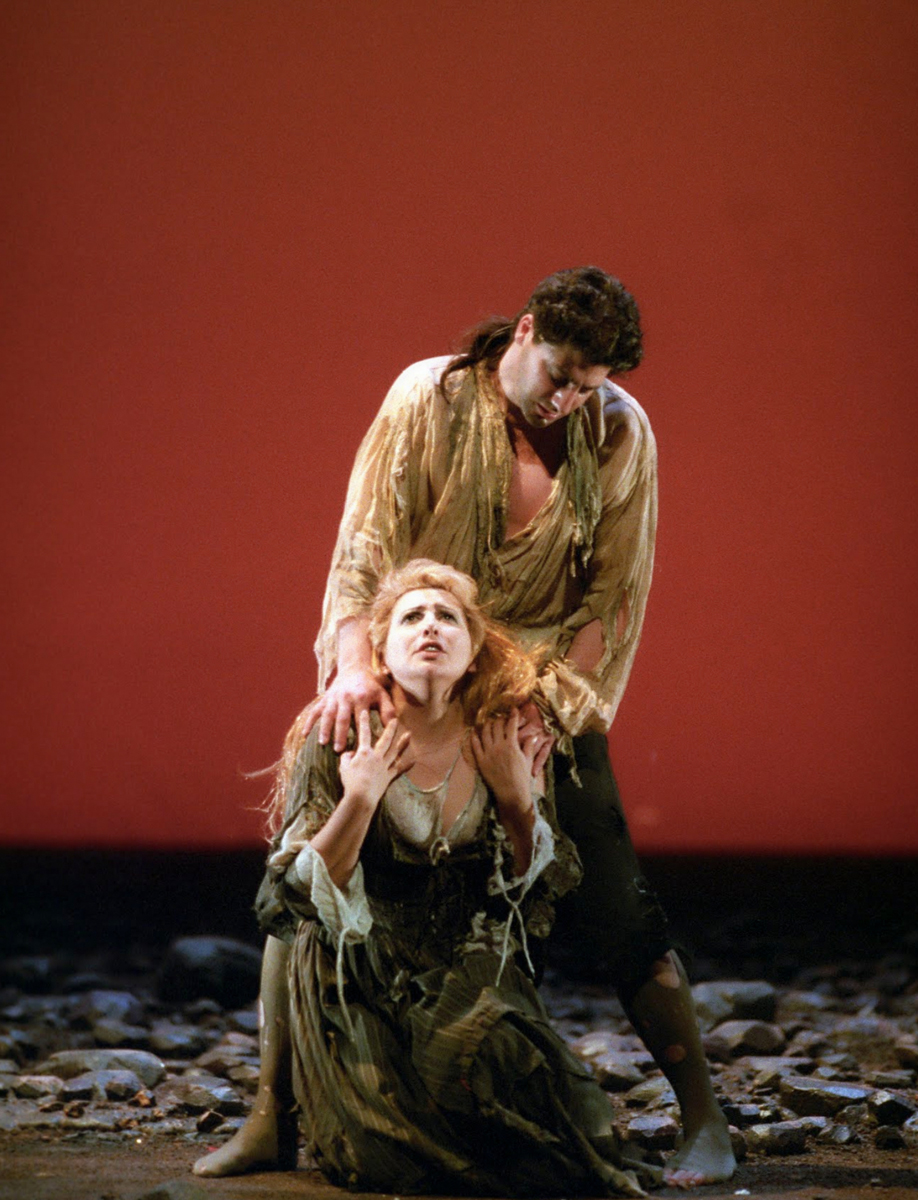
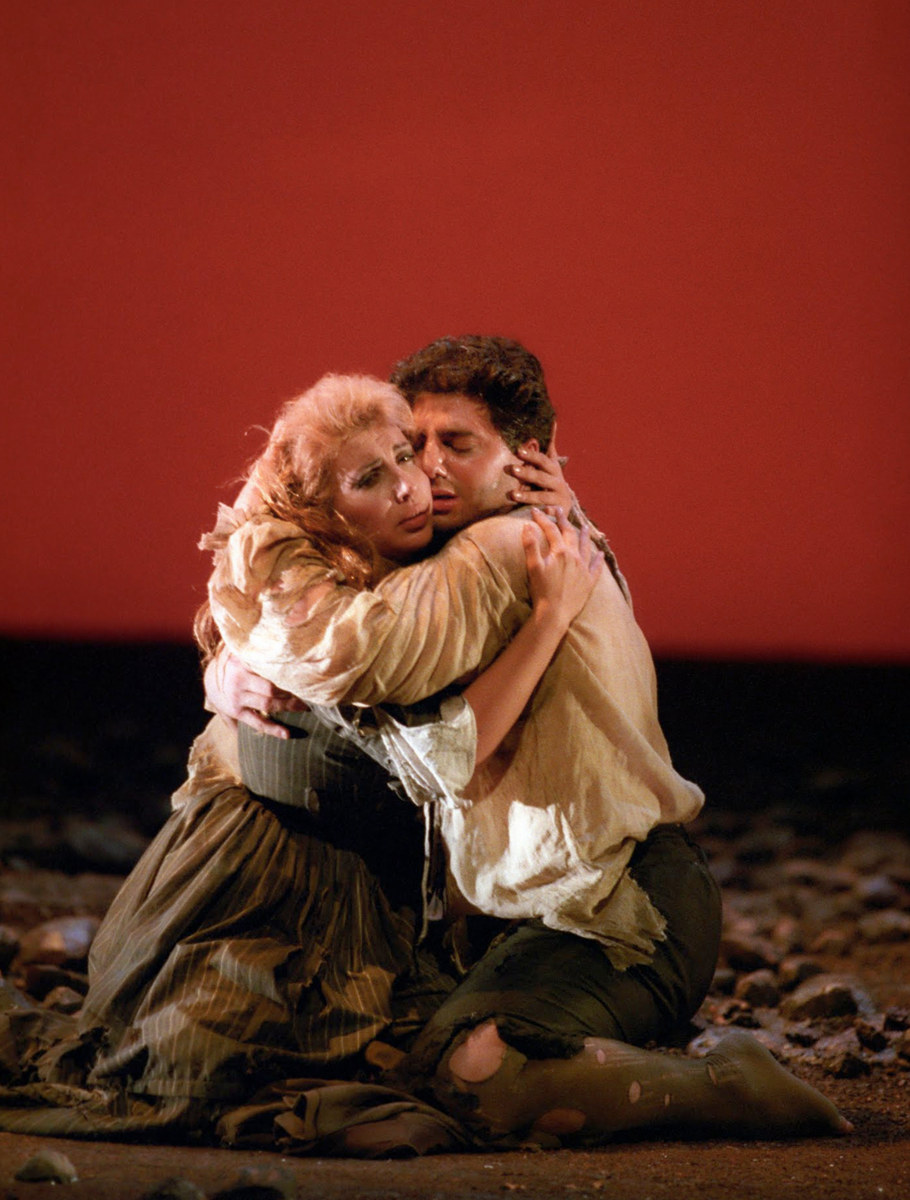
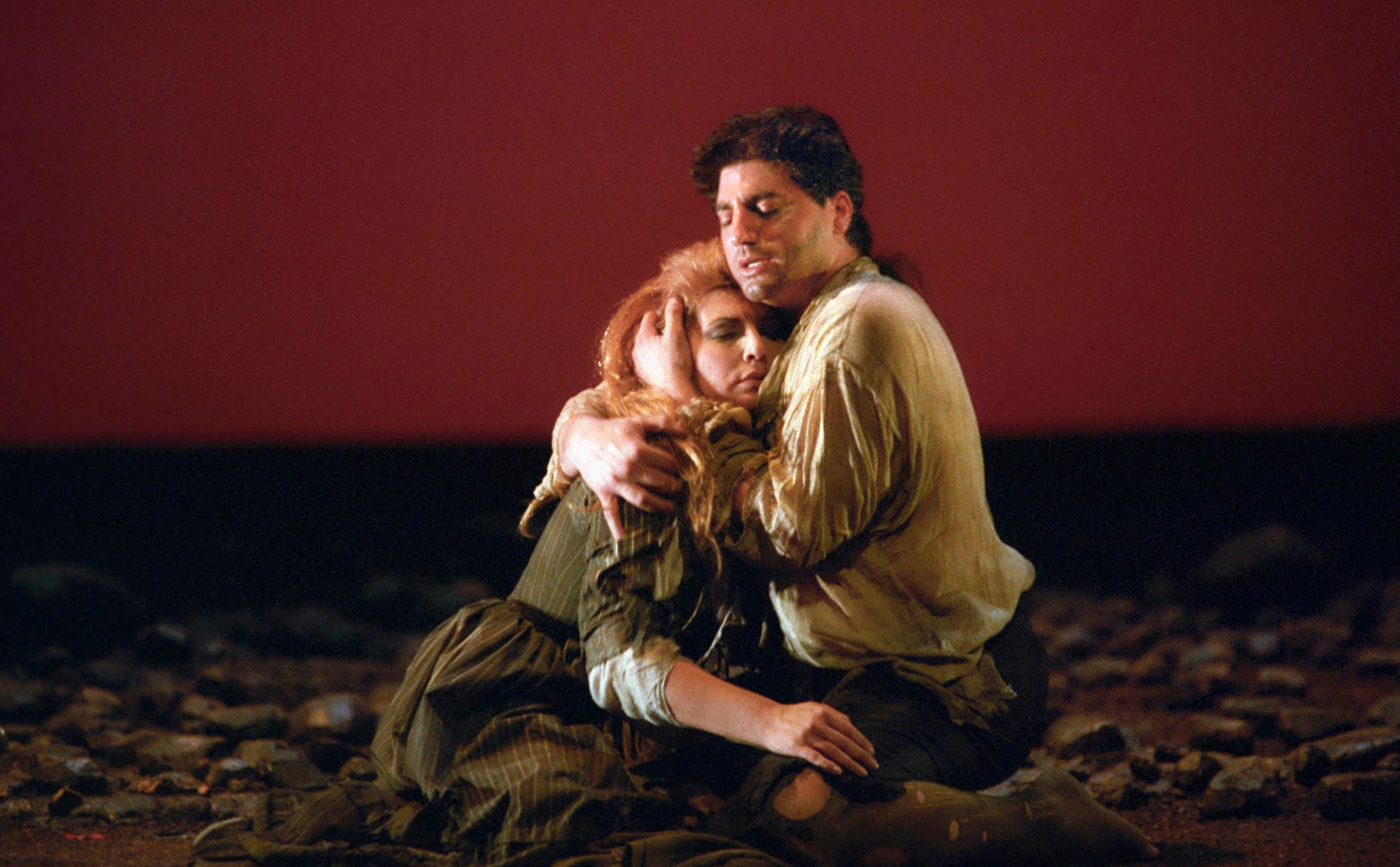
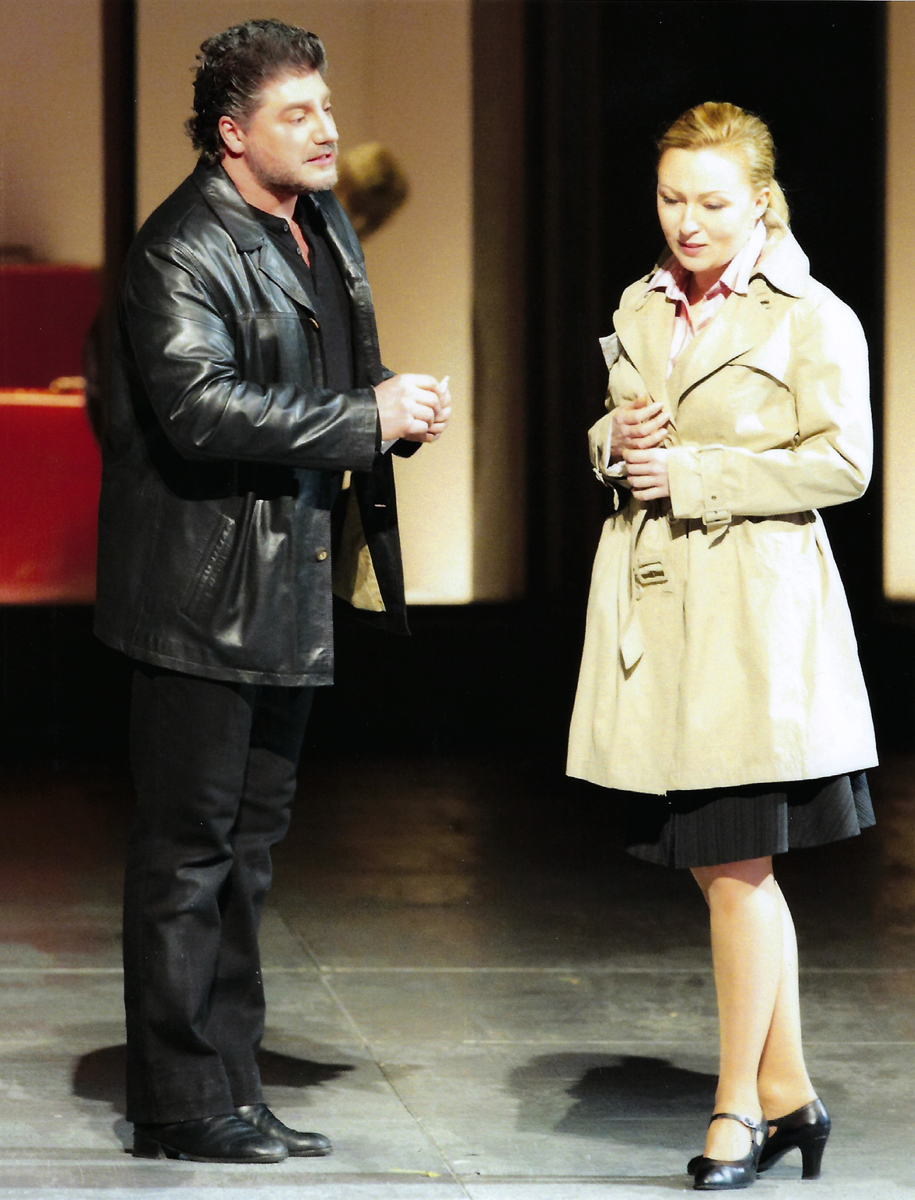
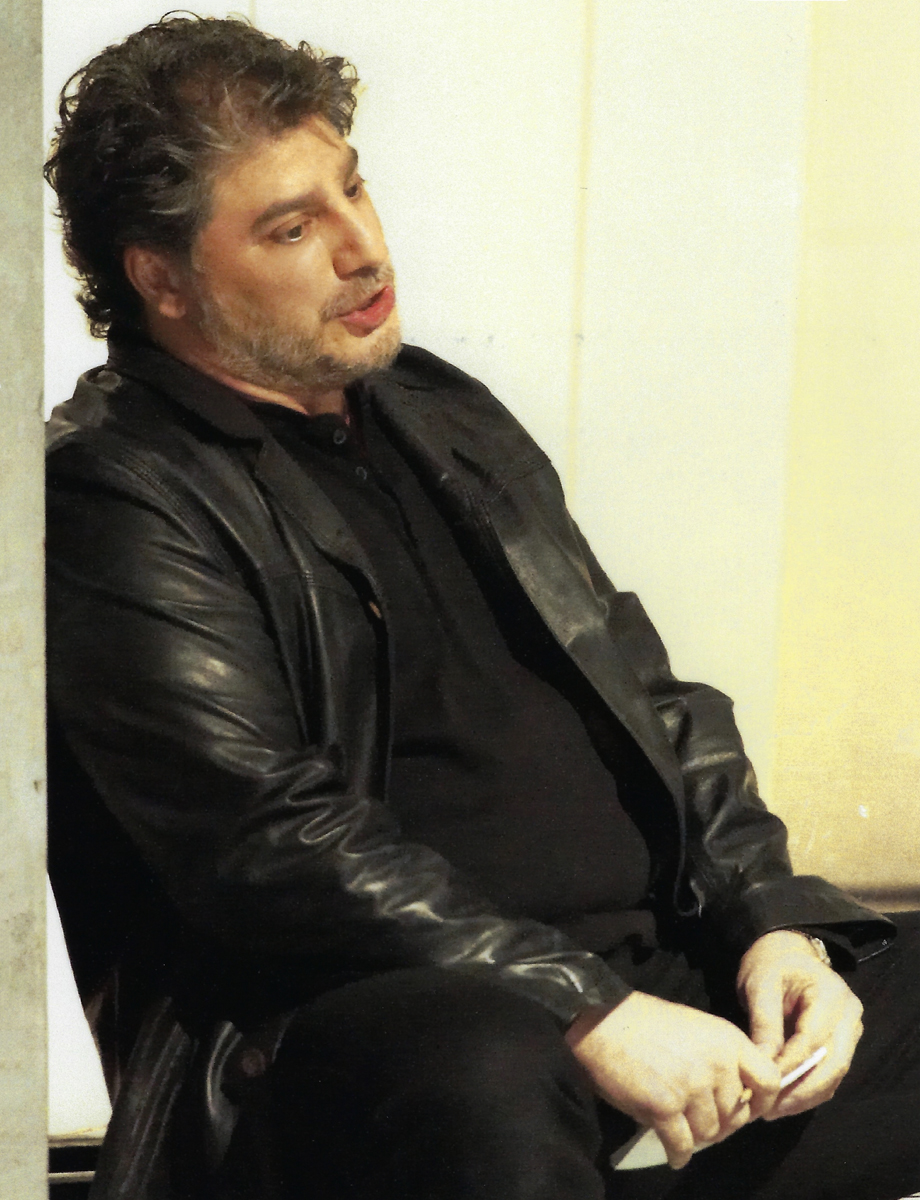
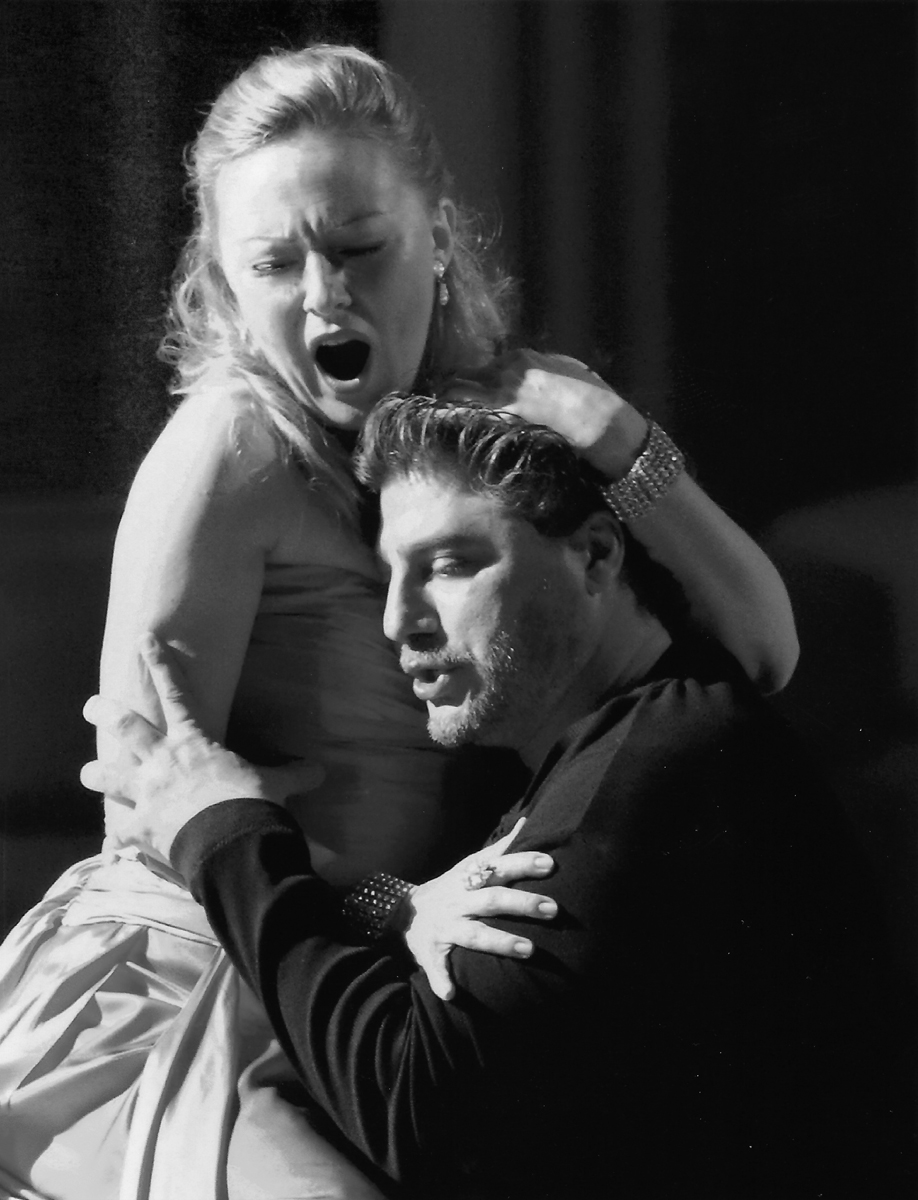
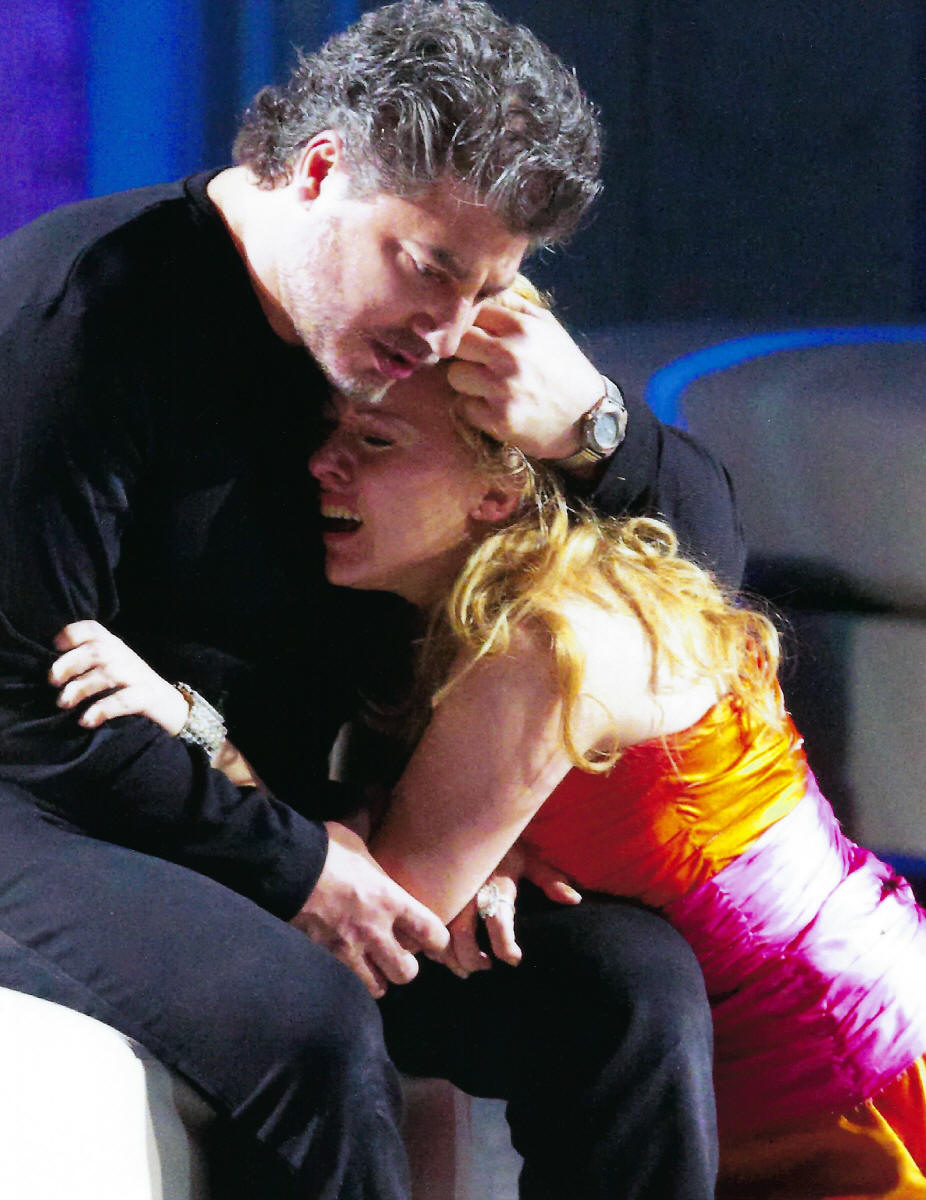
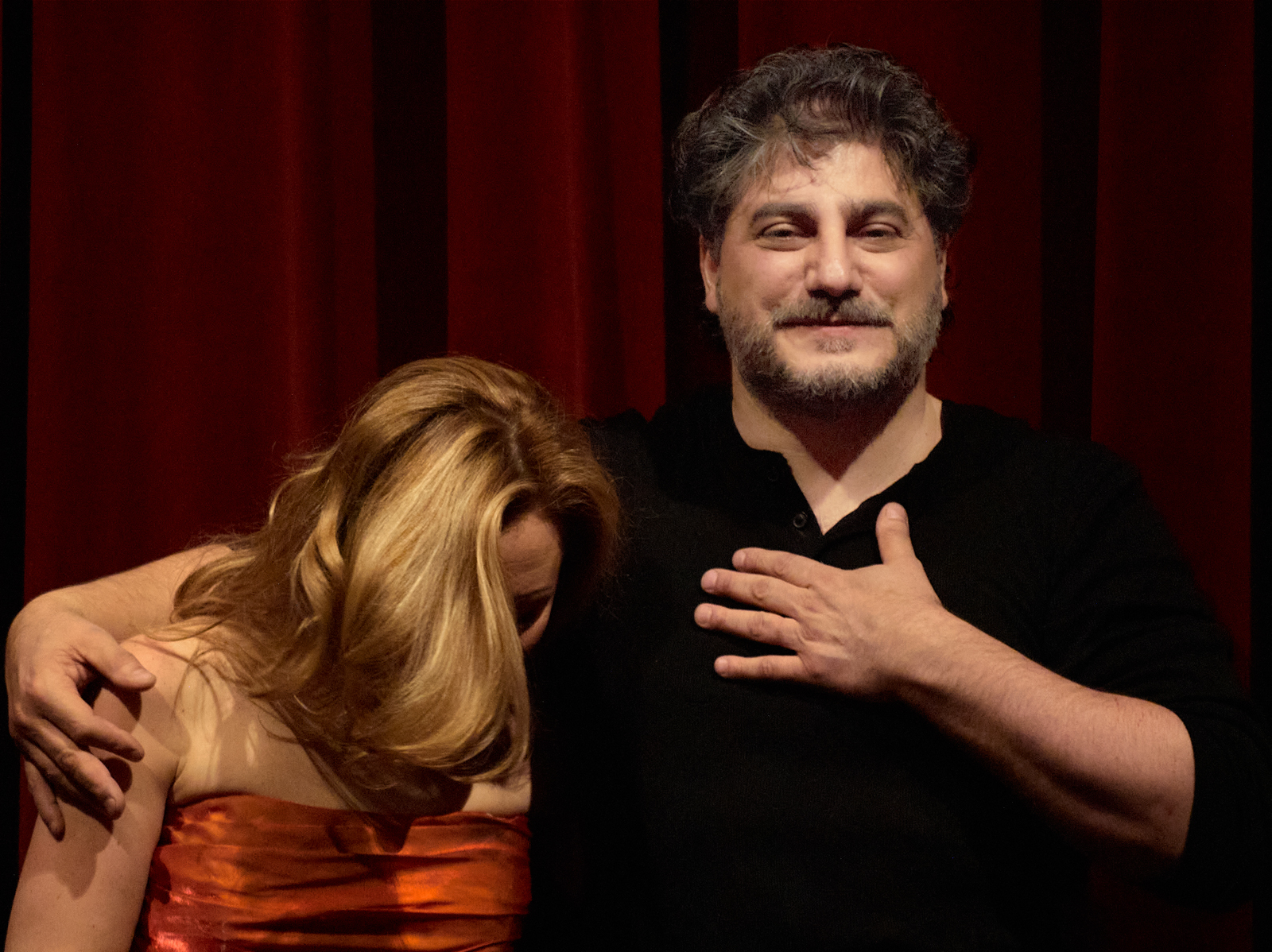
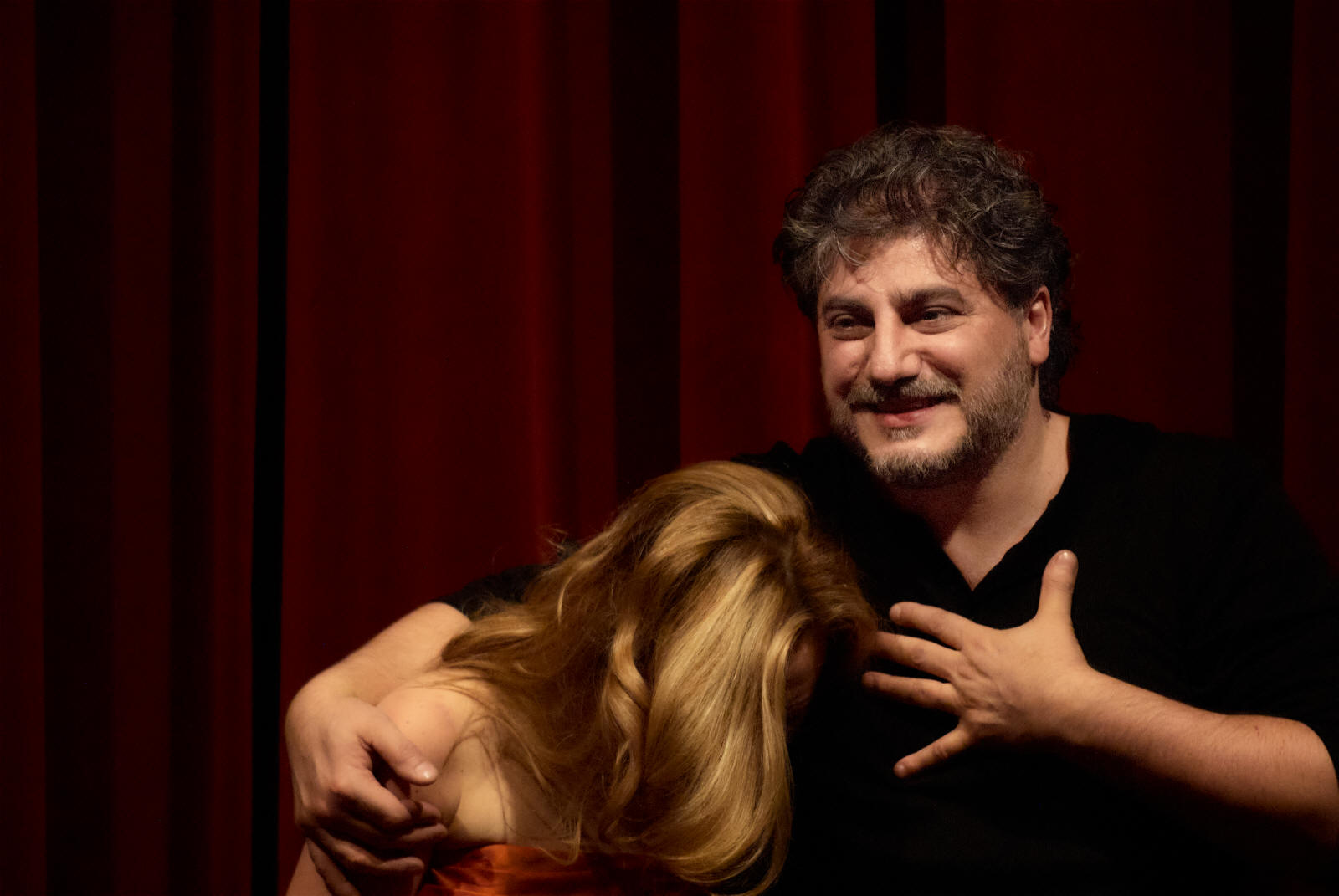
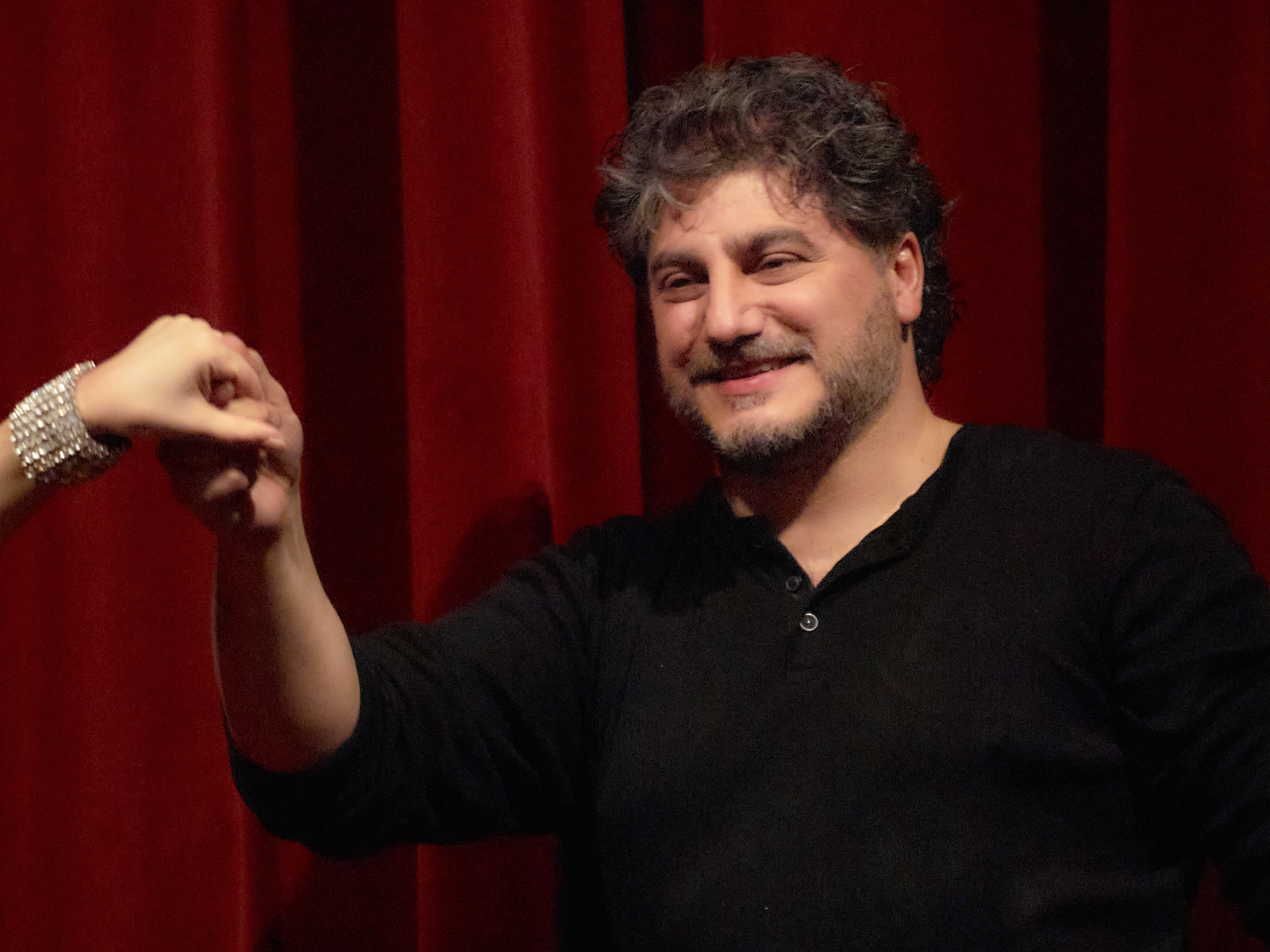
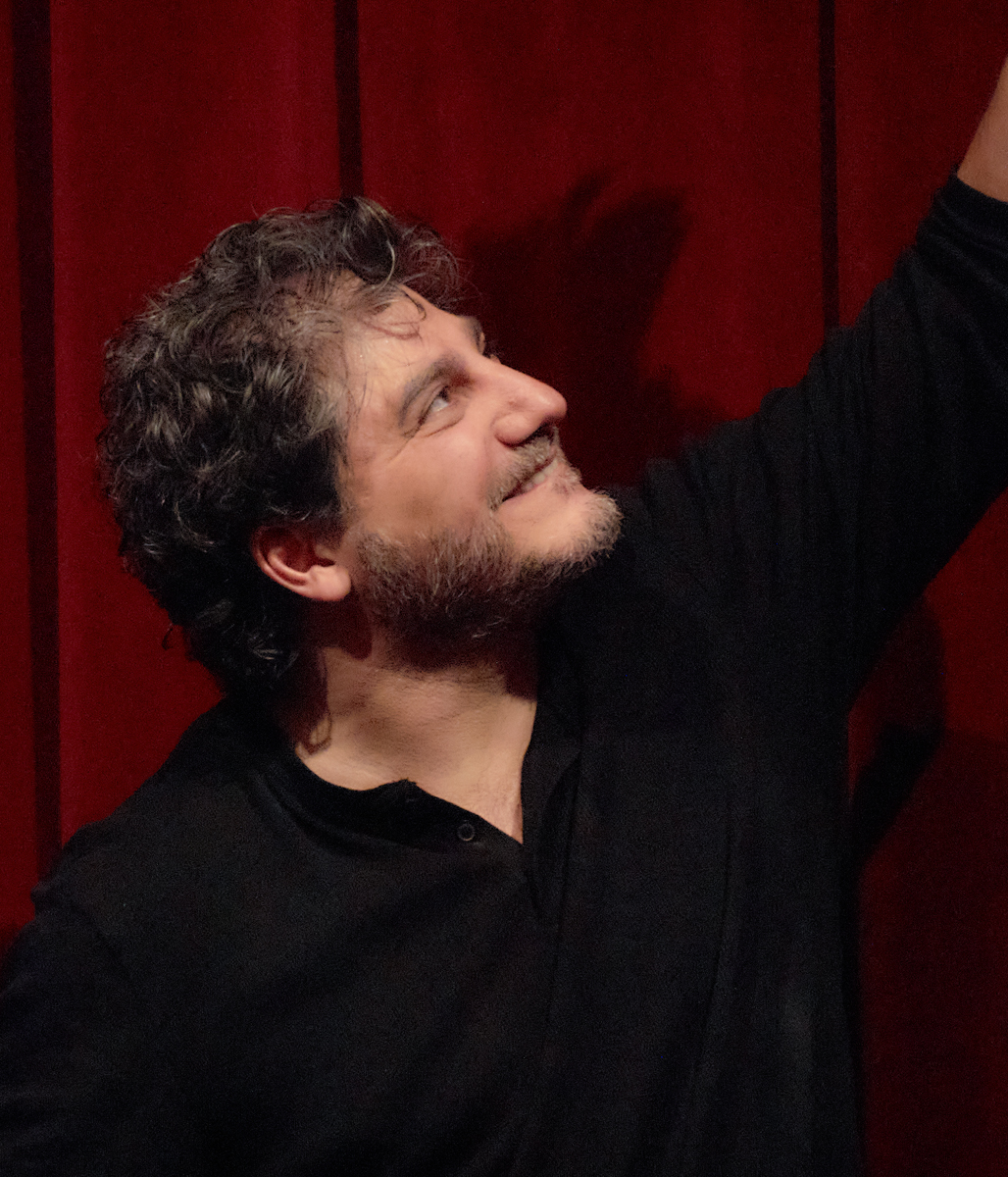
Manon Lescaut - Vienna 2010
|
|
|
|
|
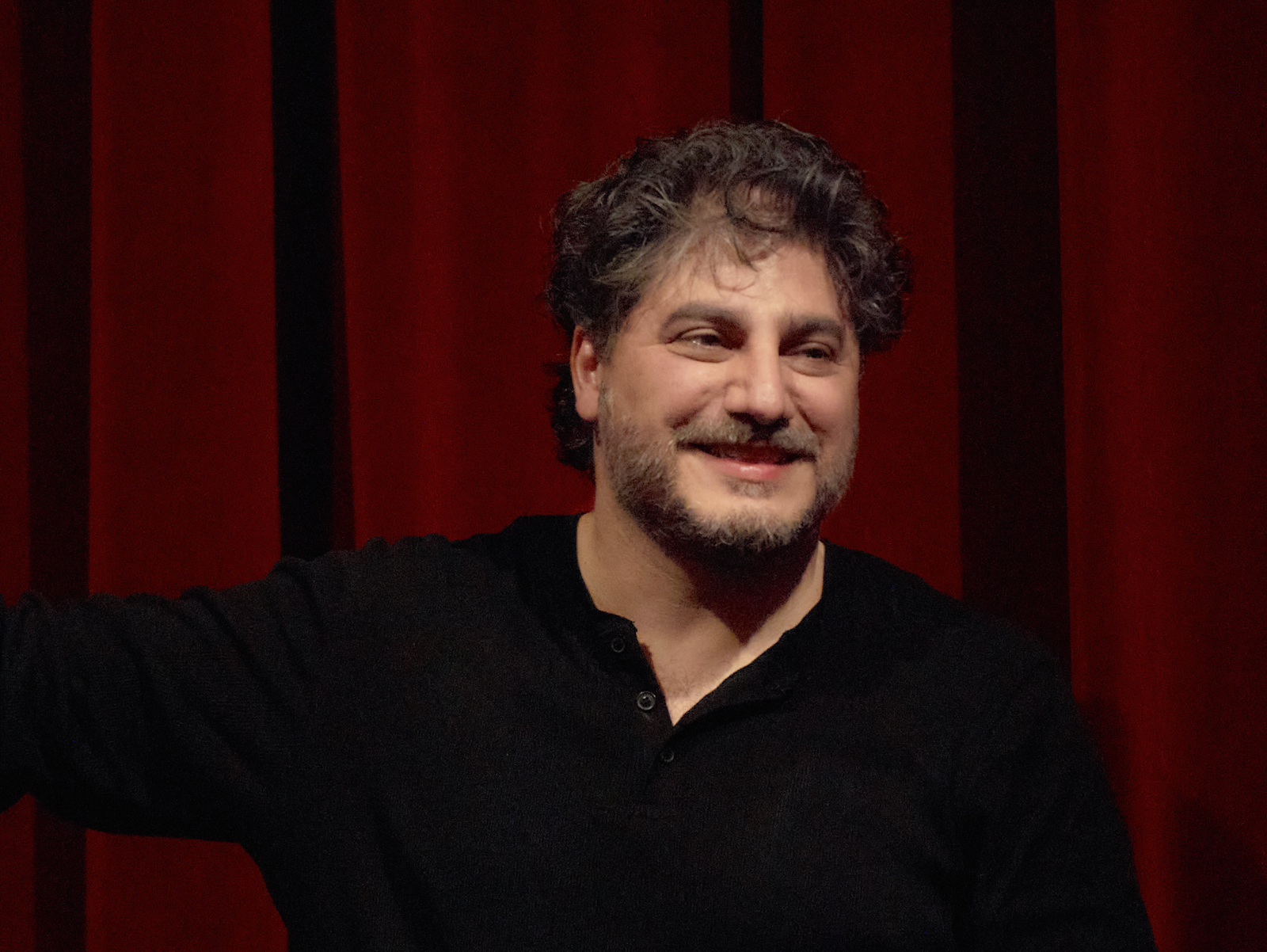
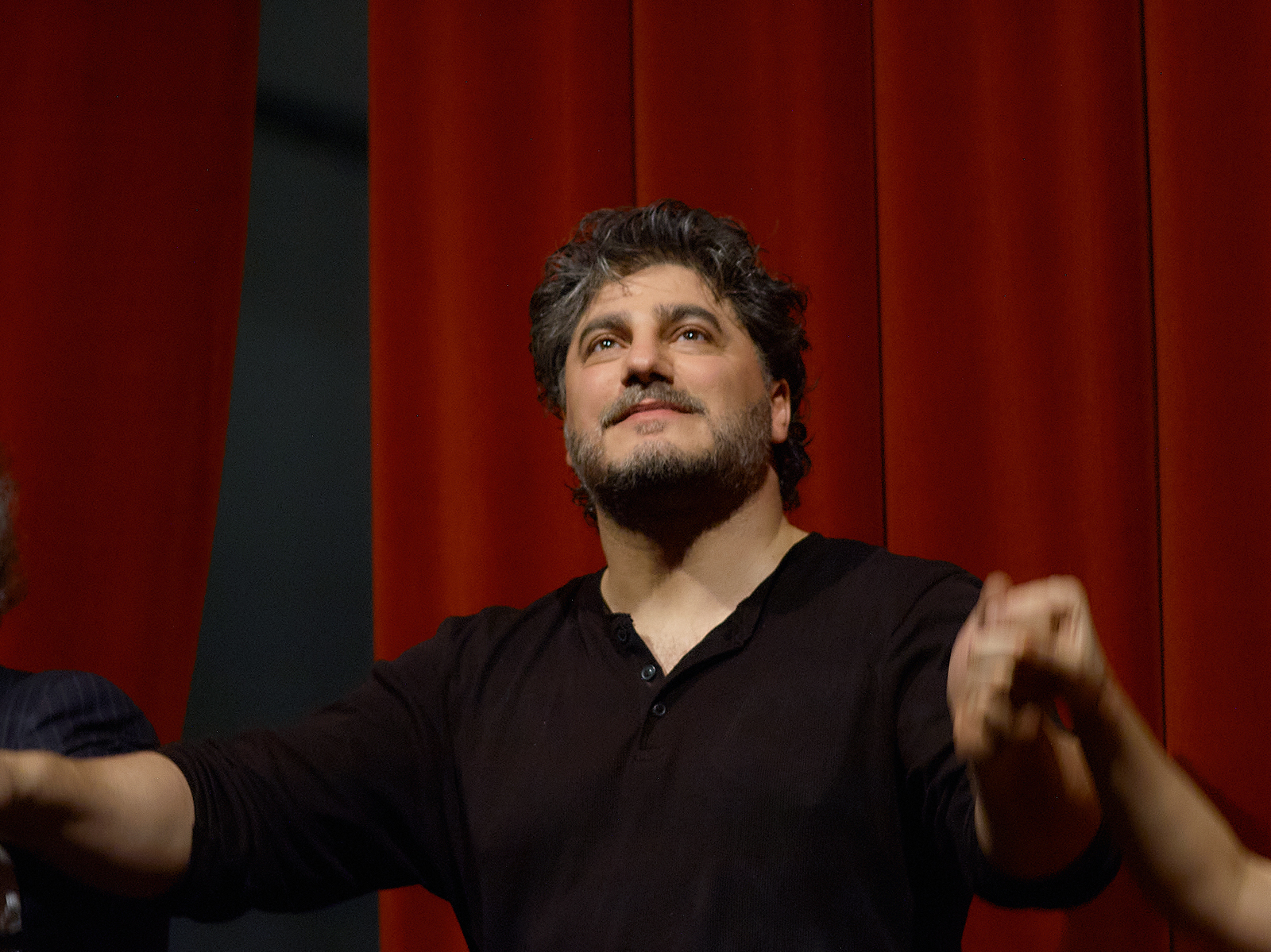
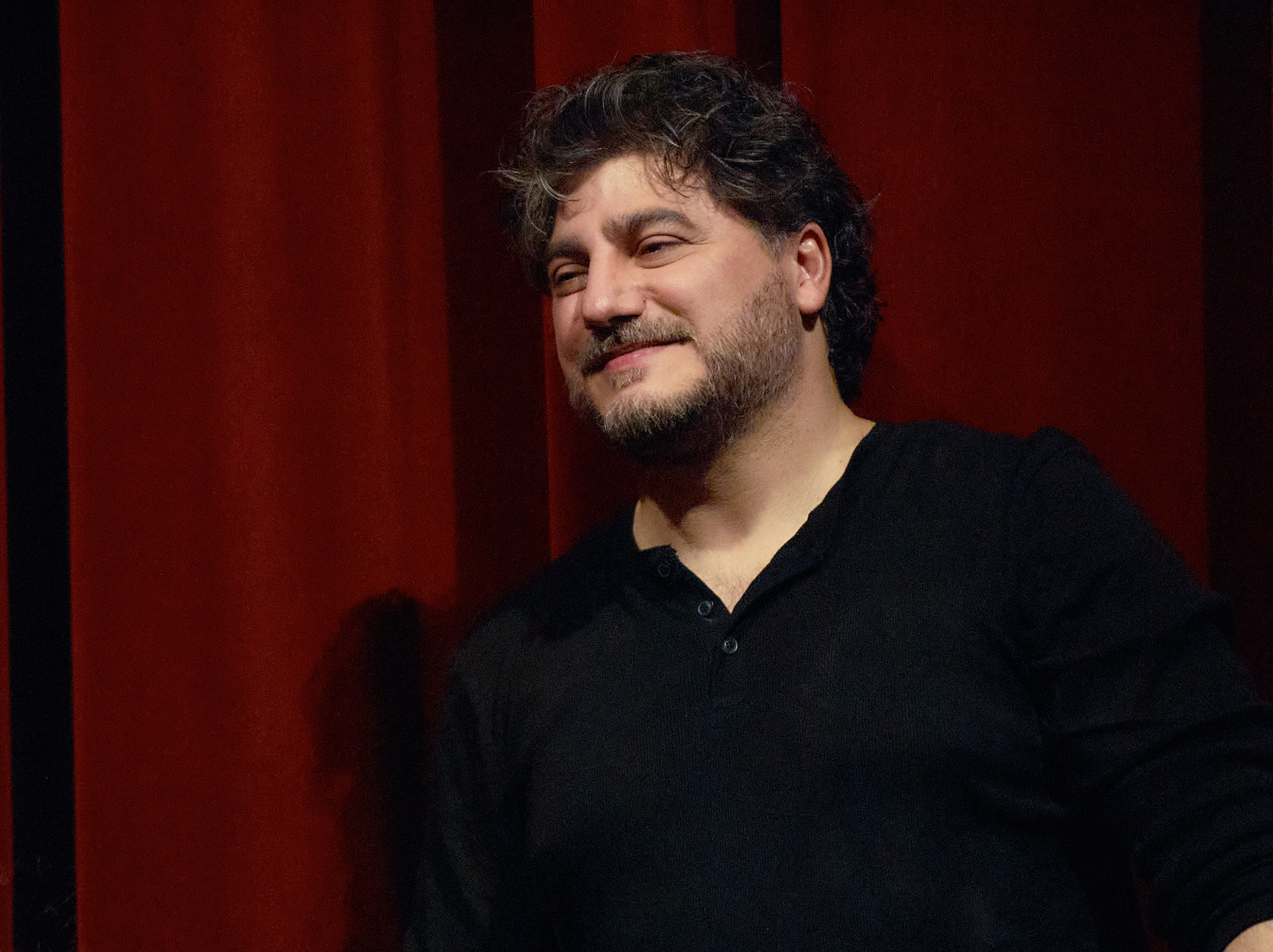
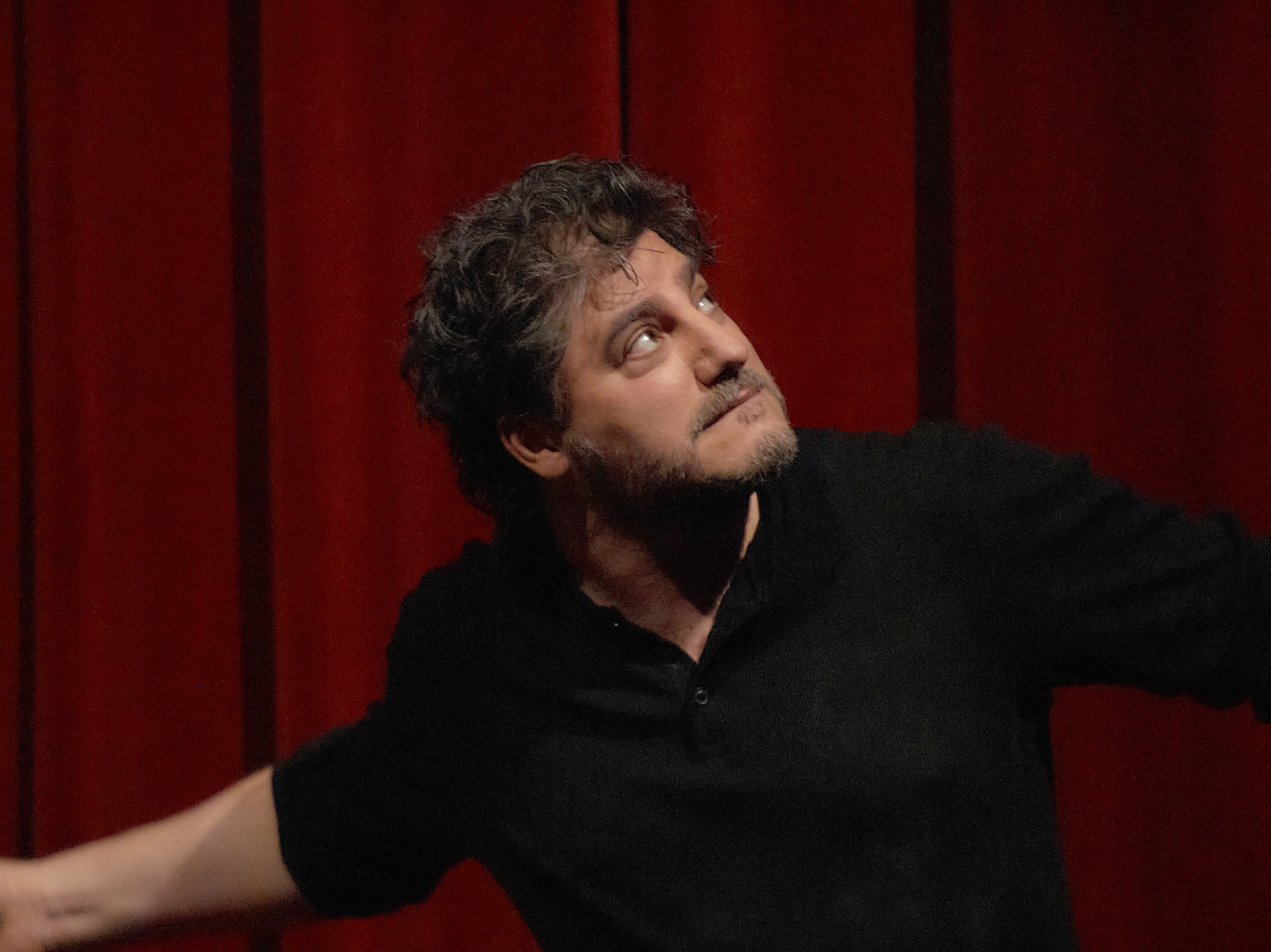
|
|

|
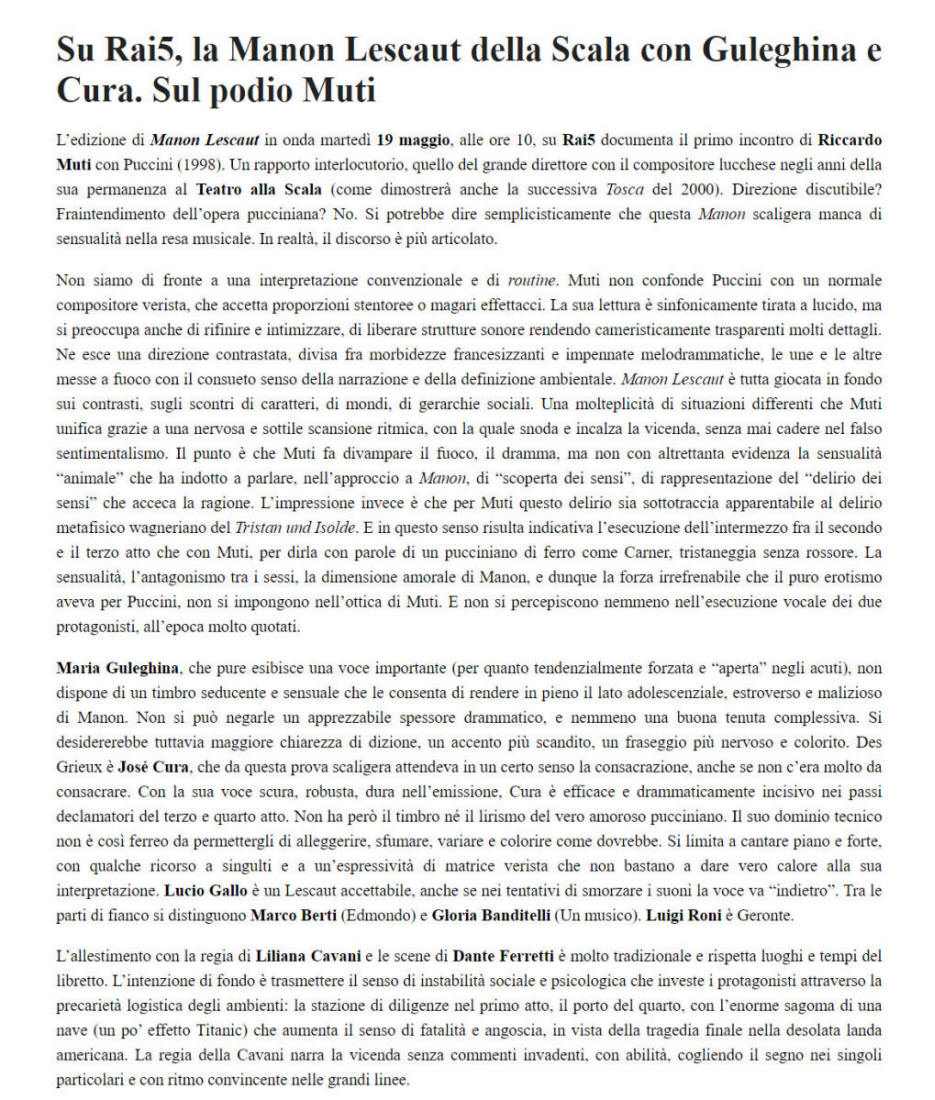
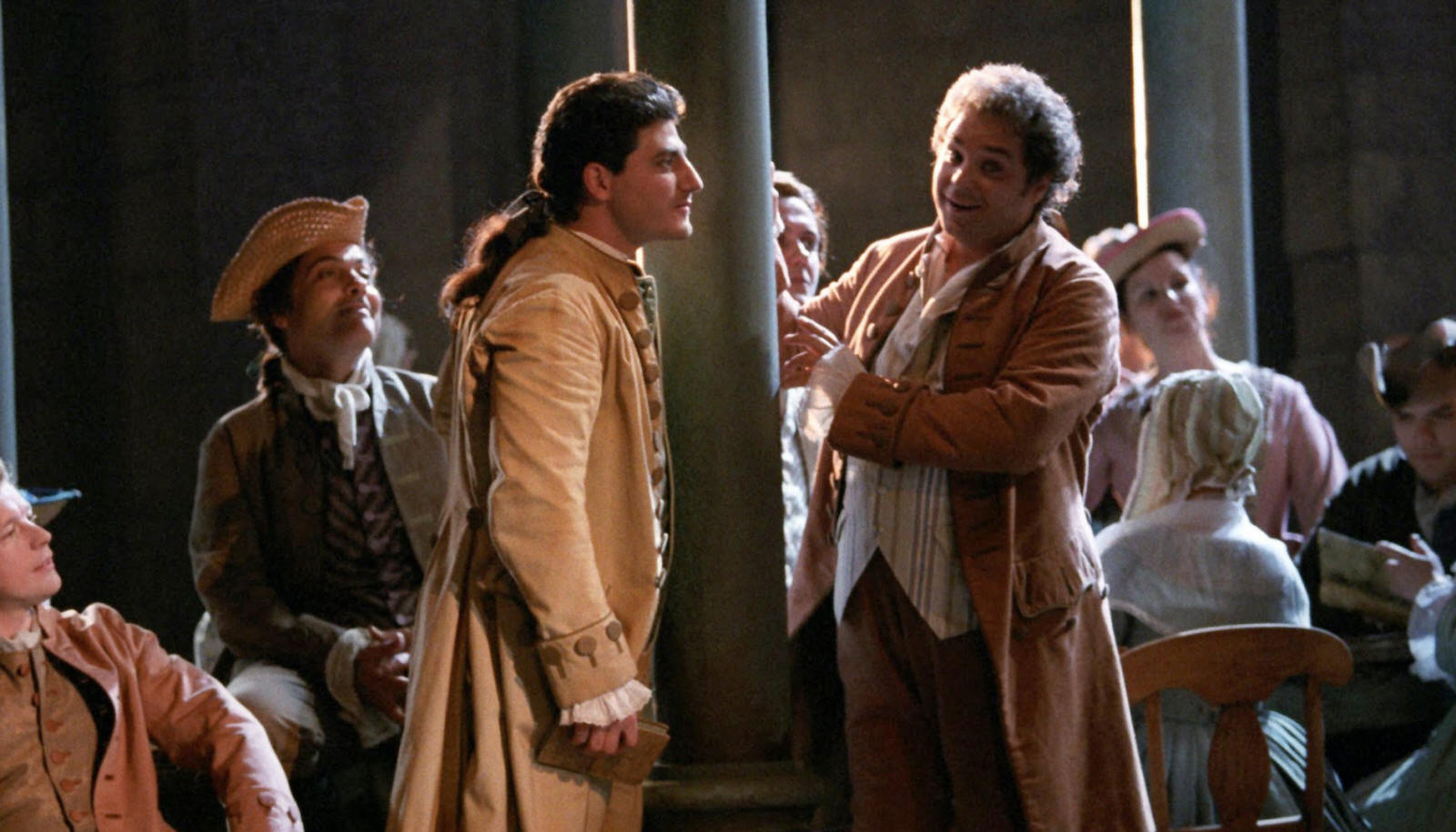
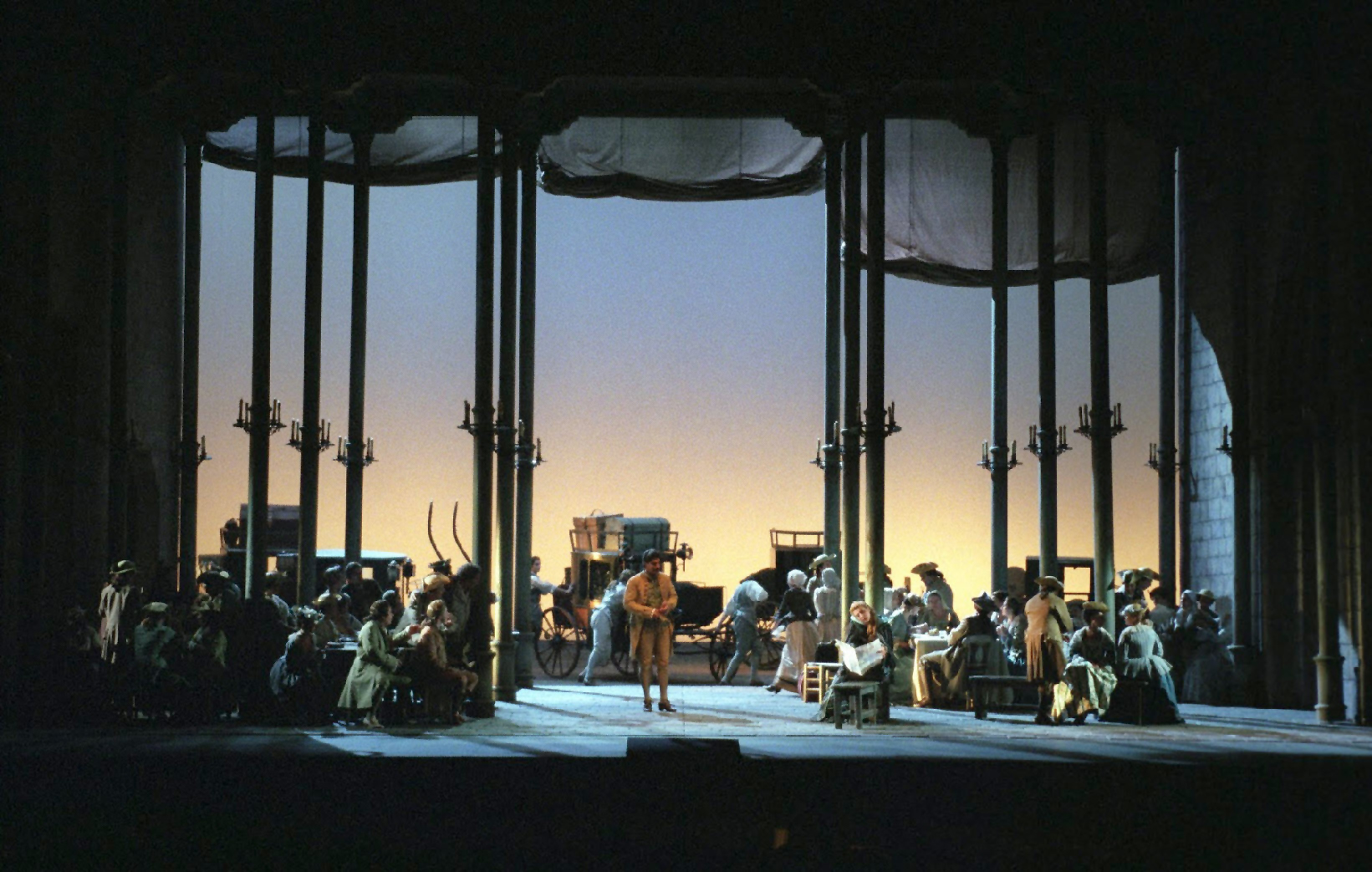
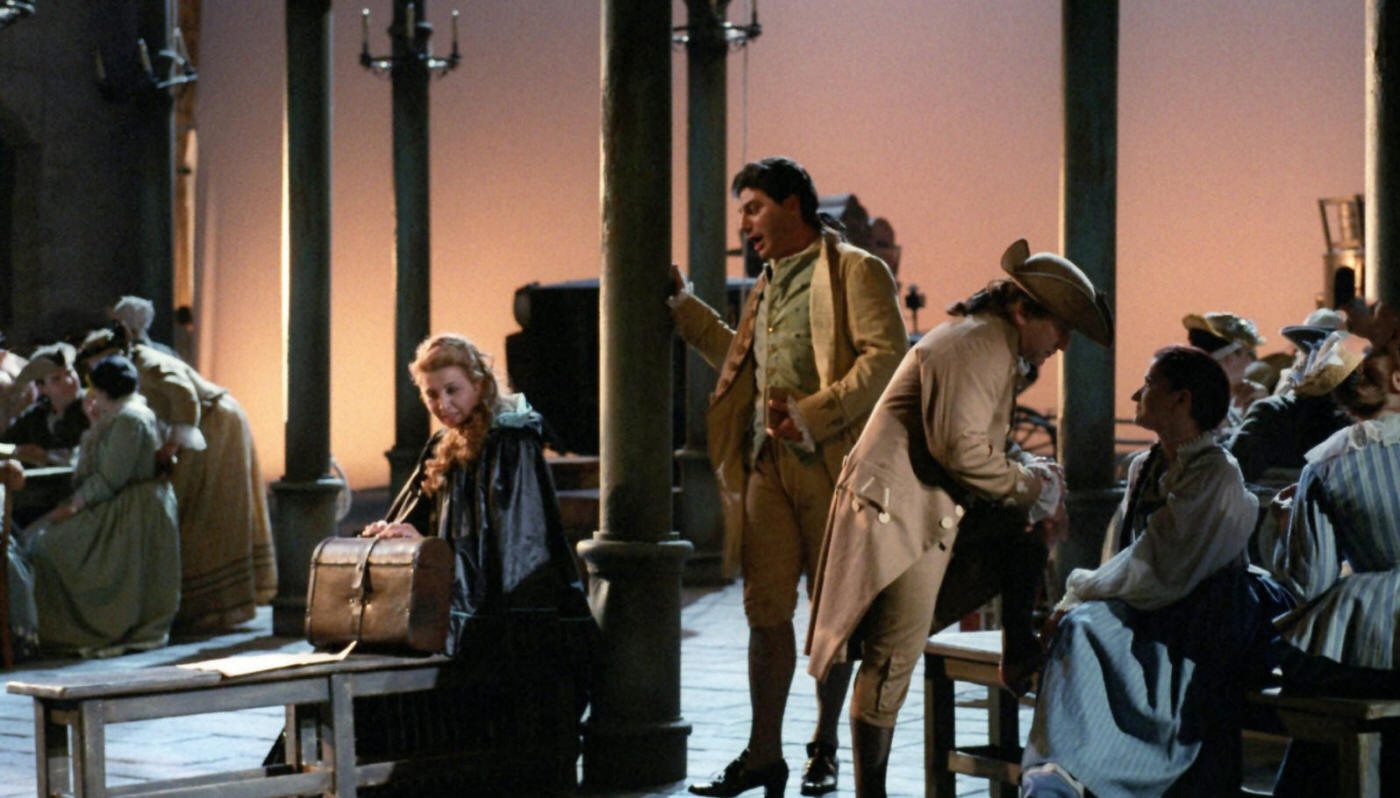
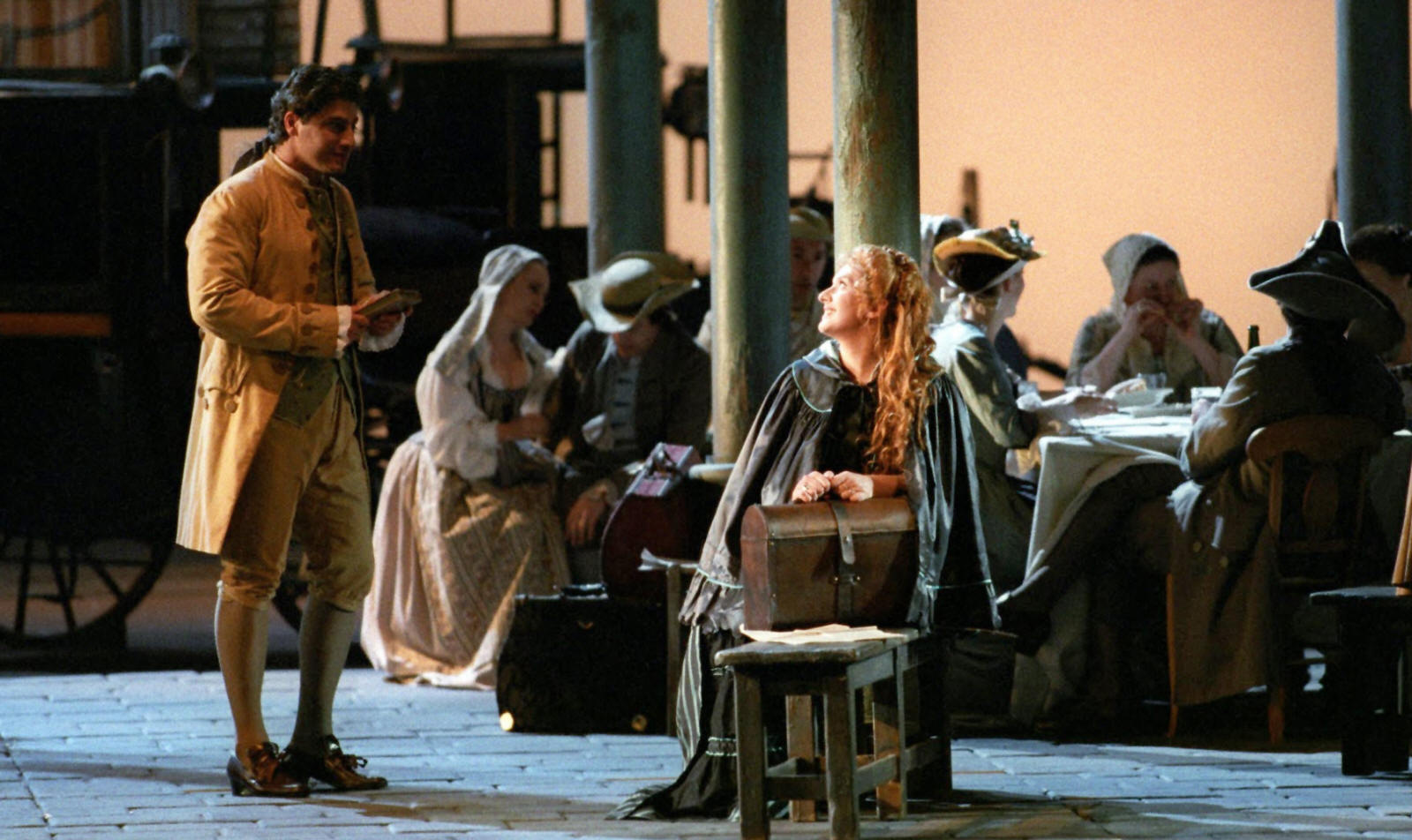
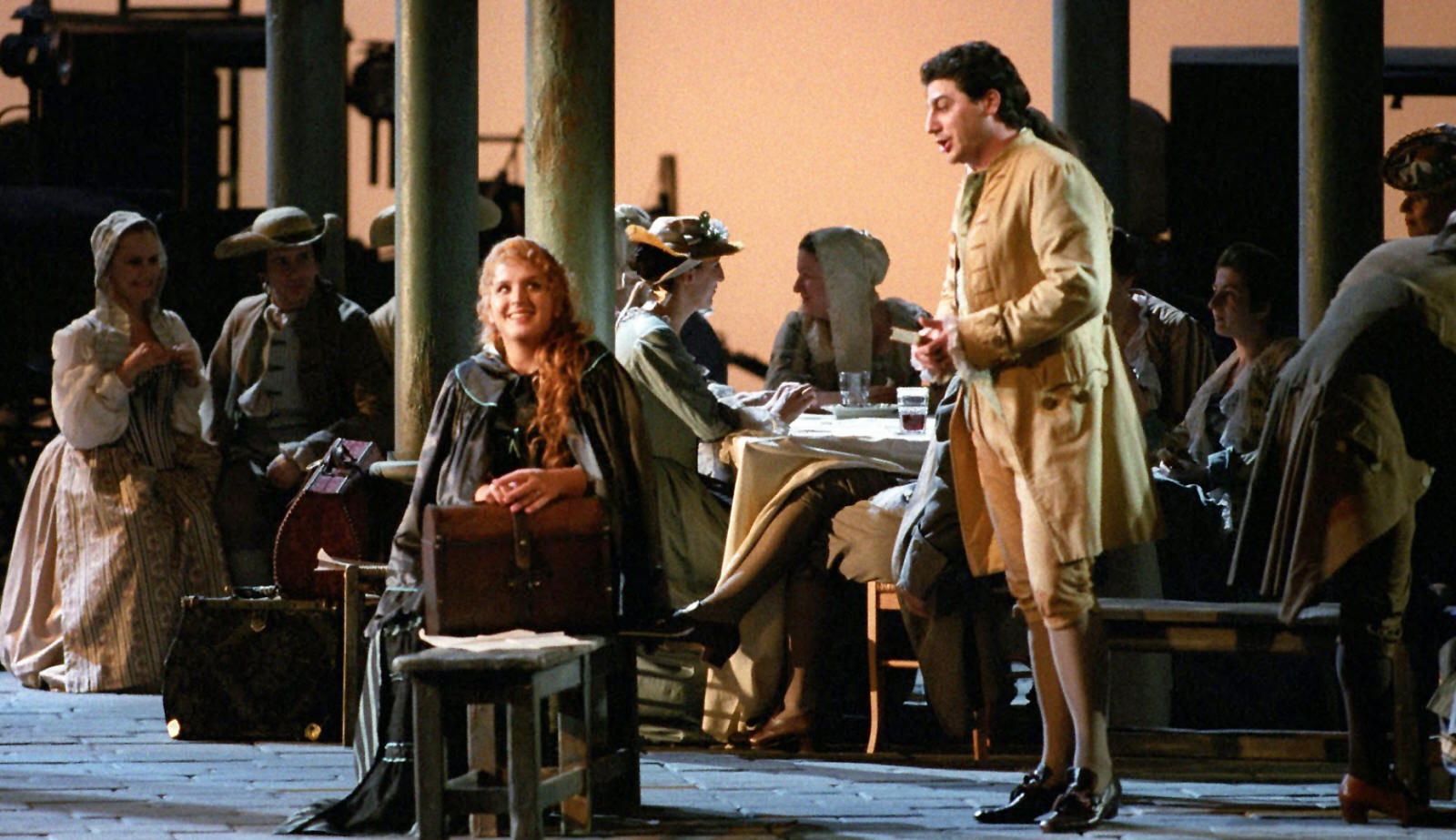
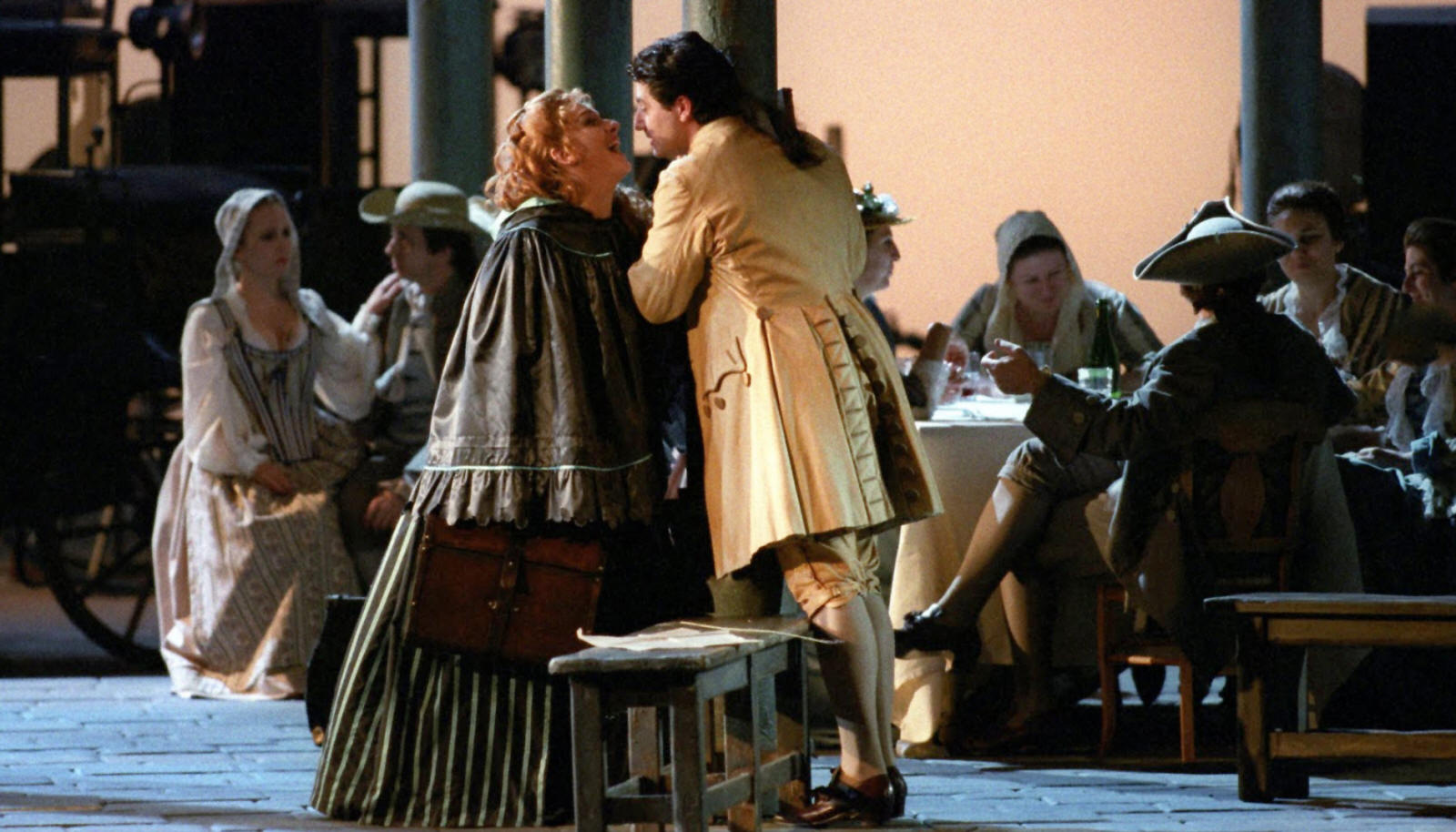
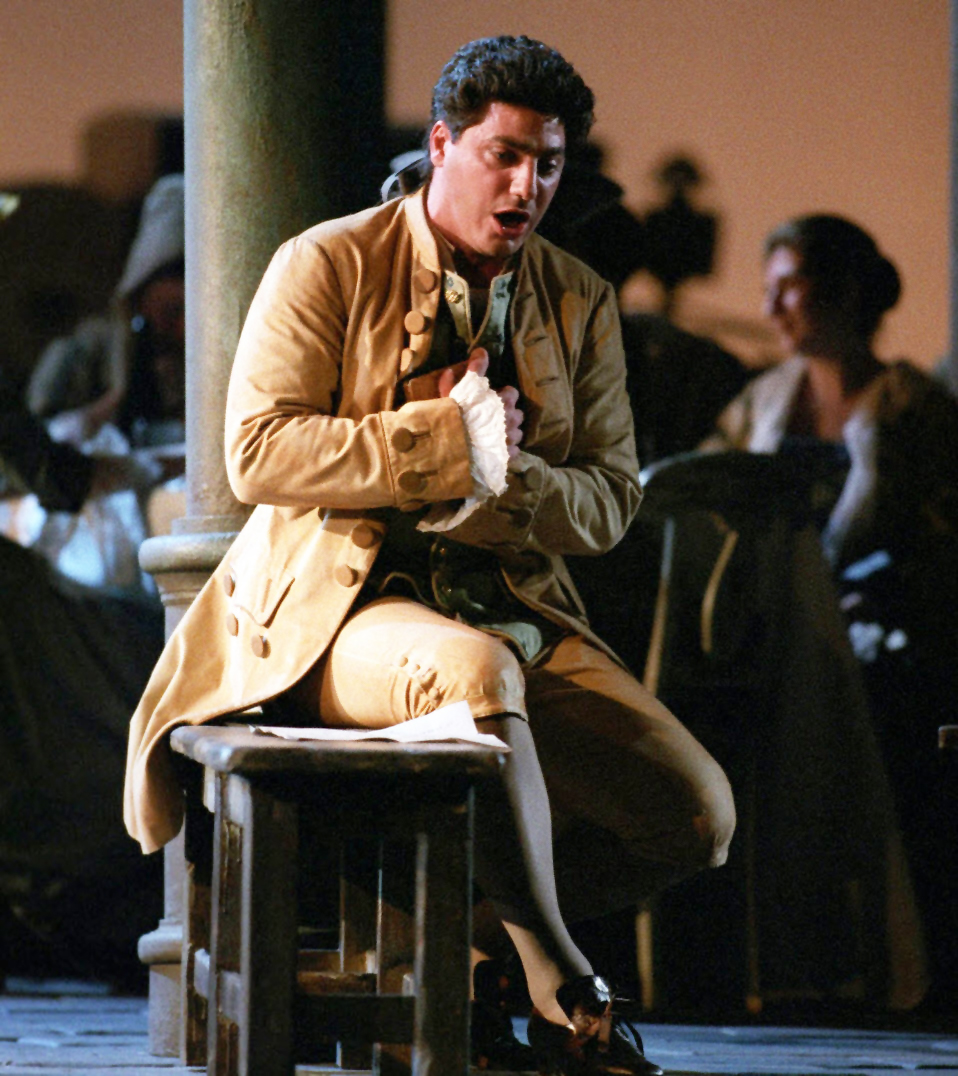
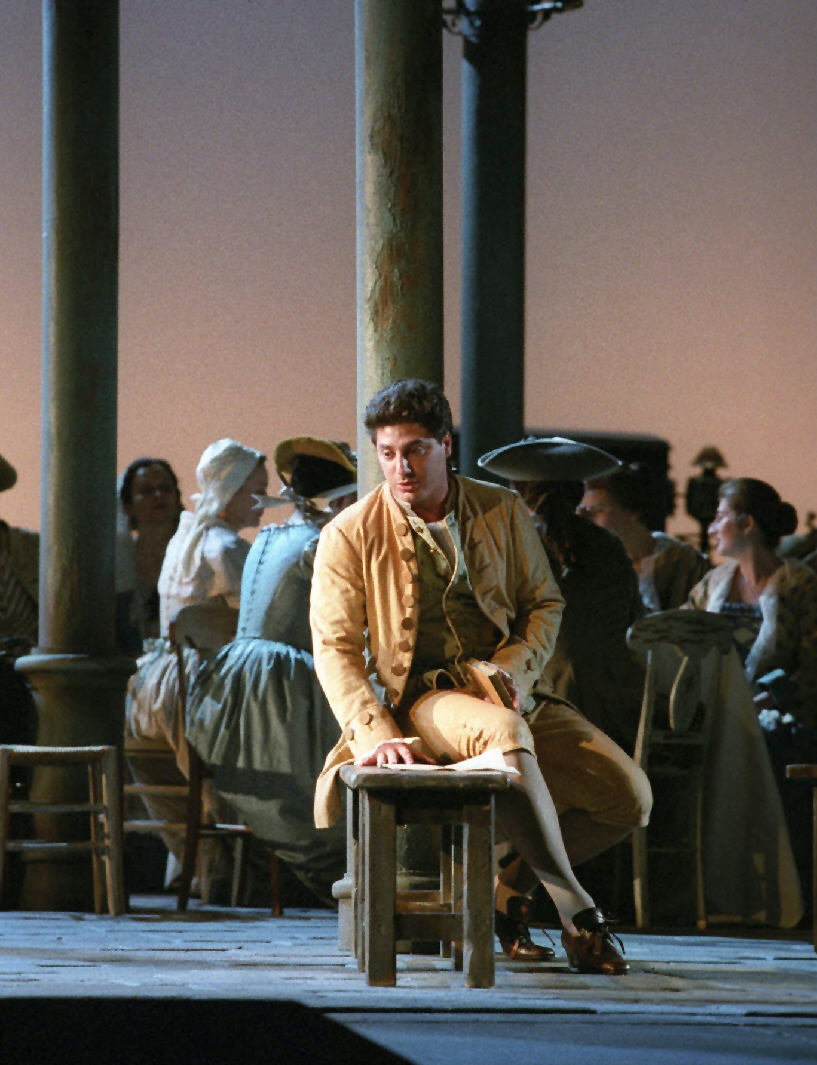
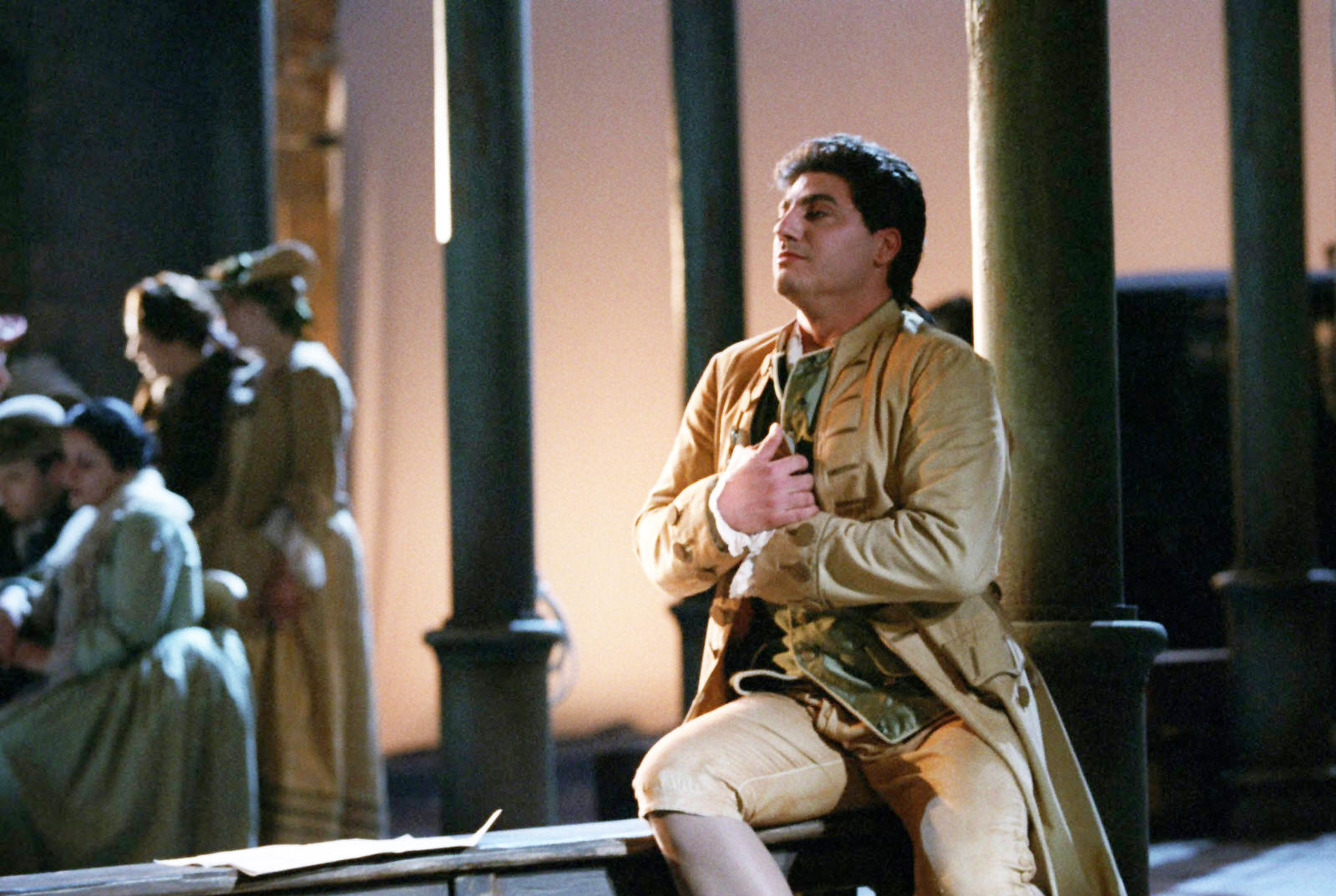
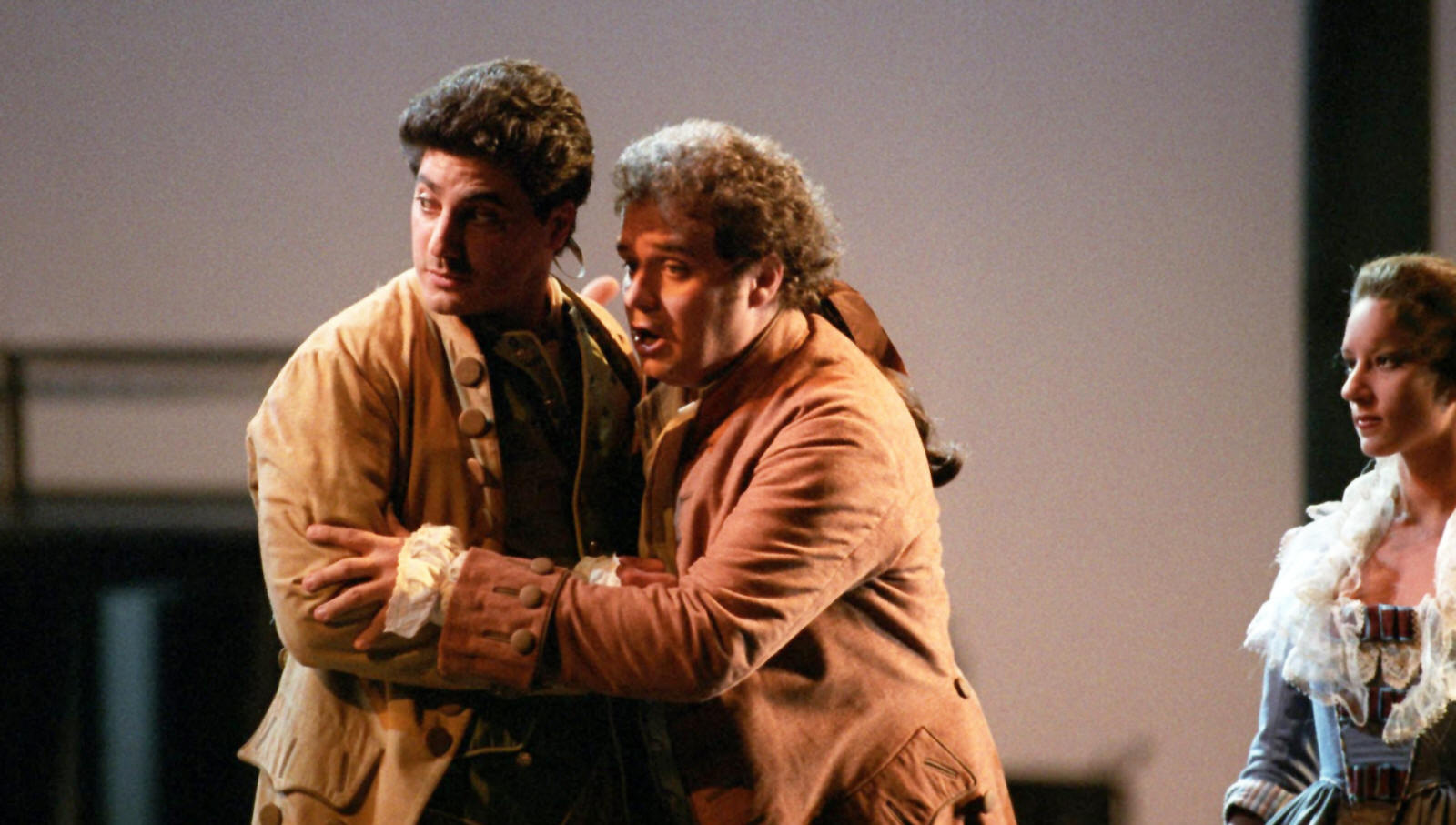
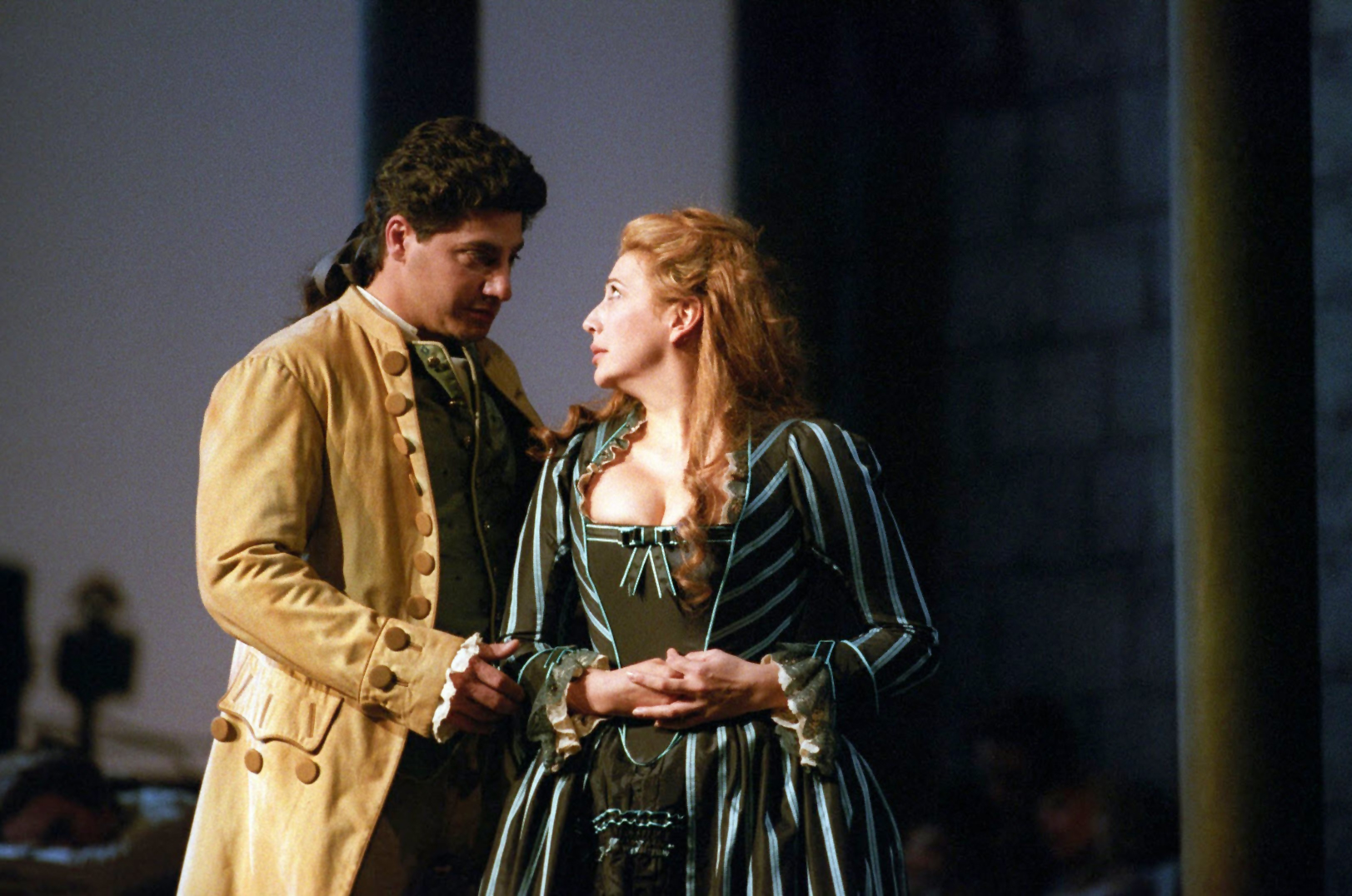
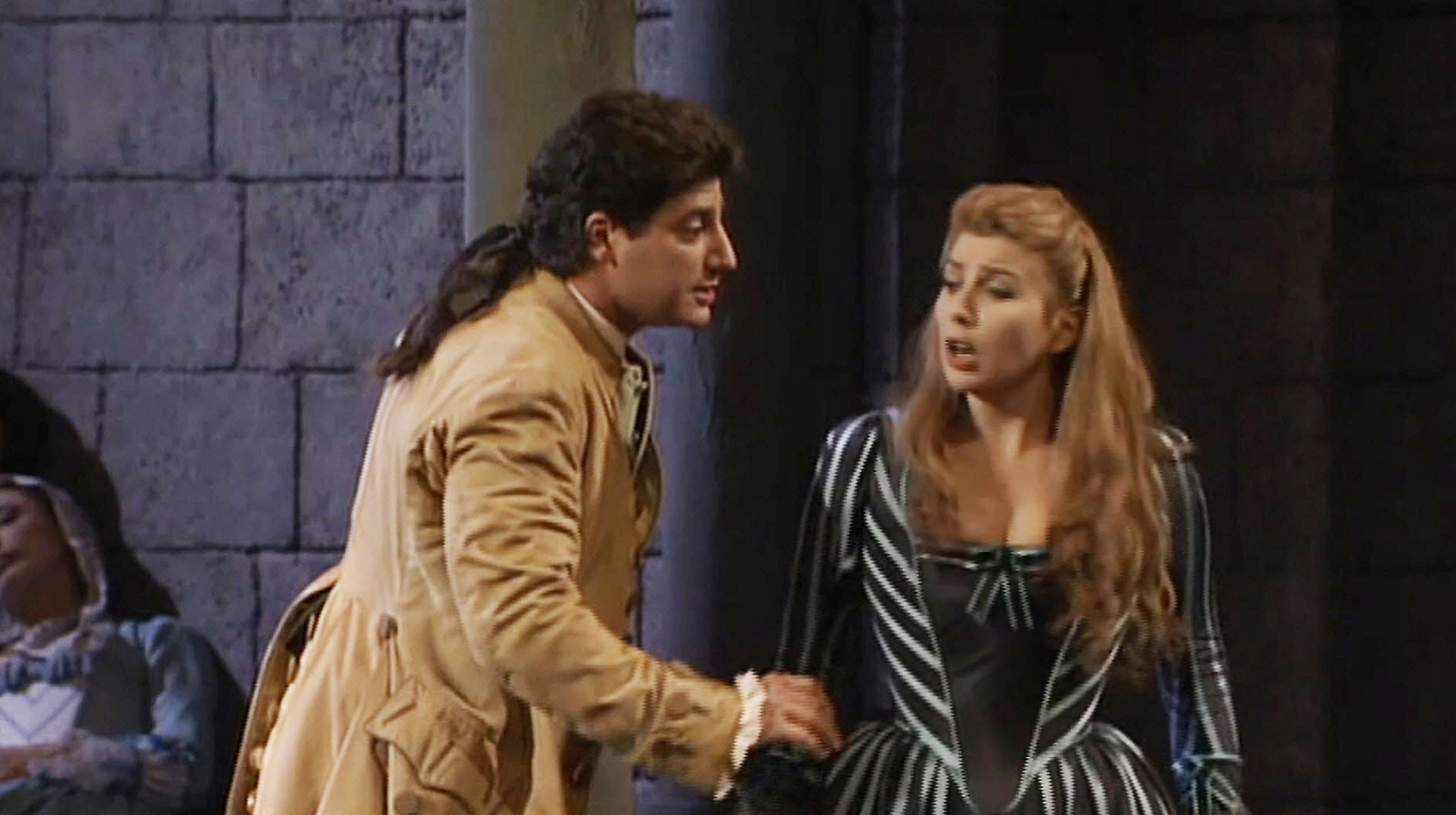
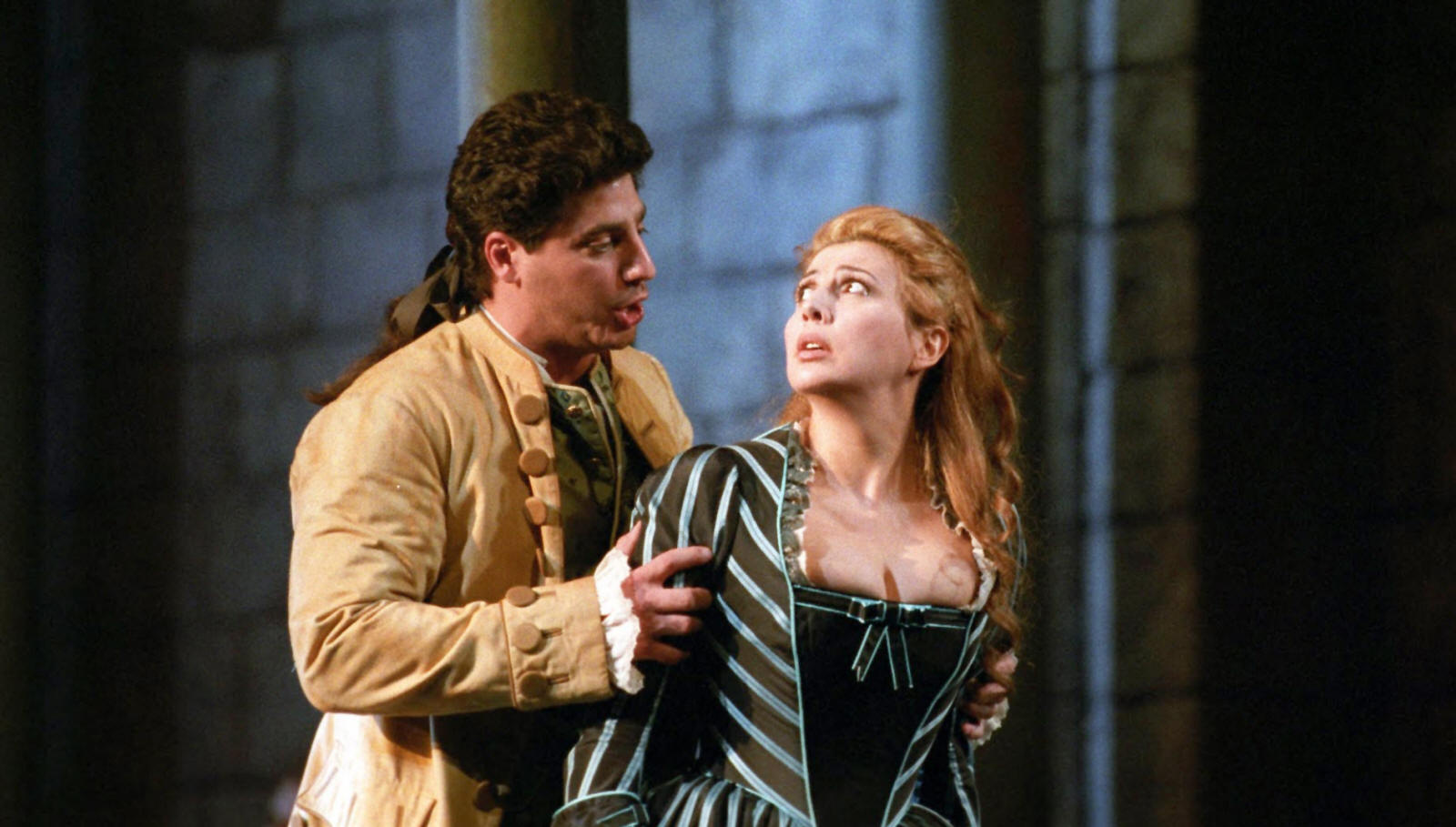
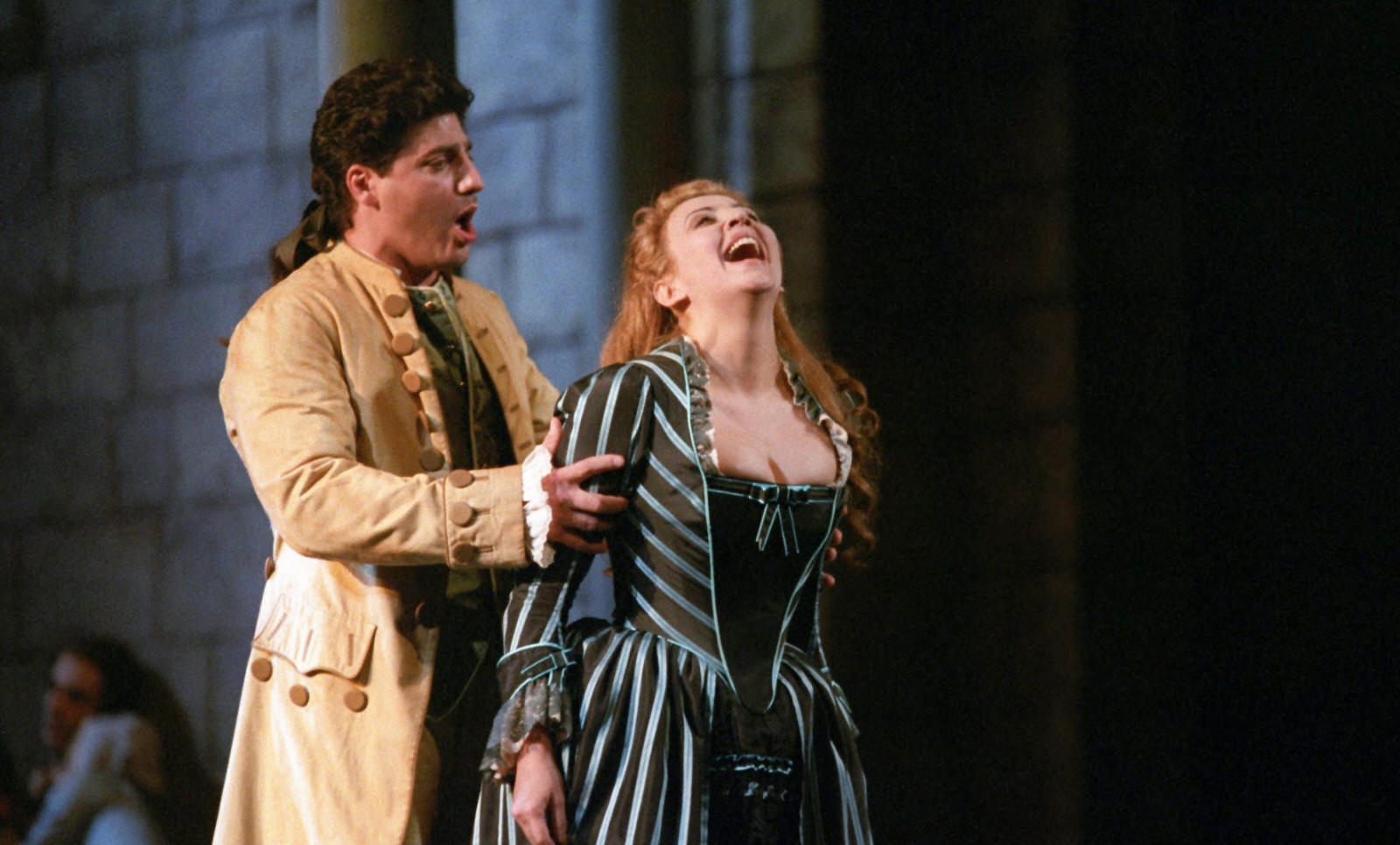
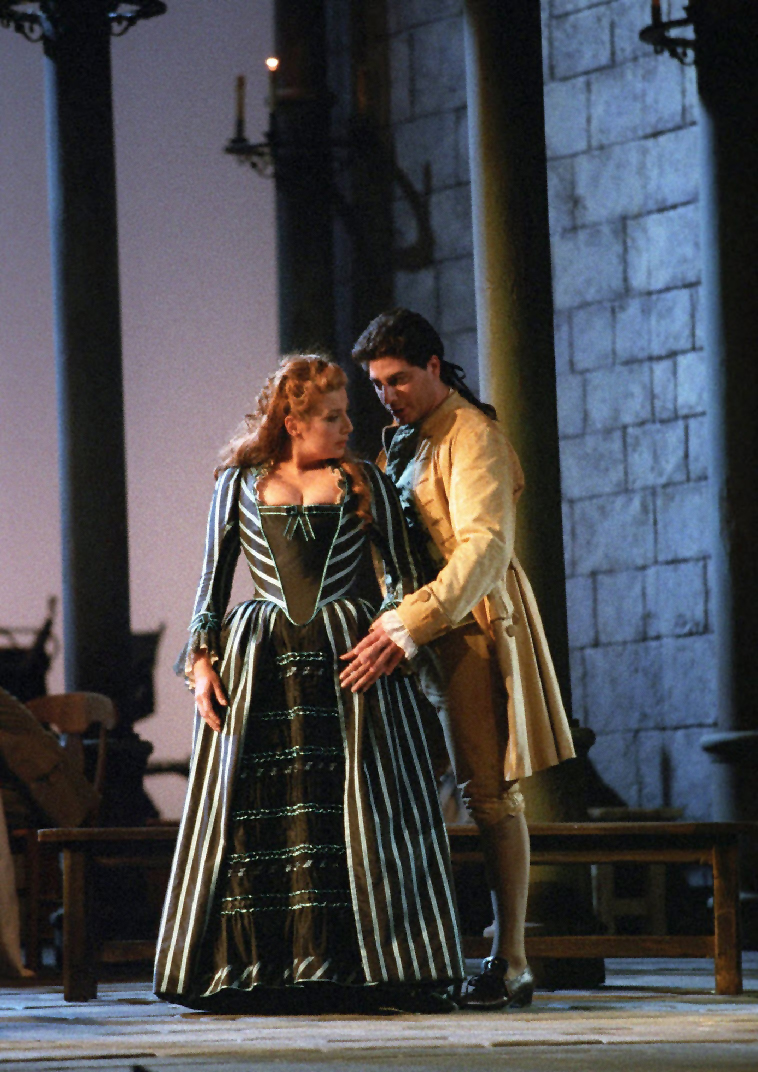
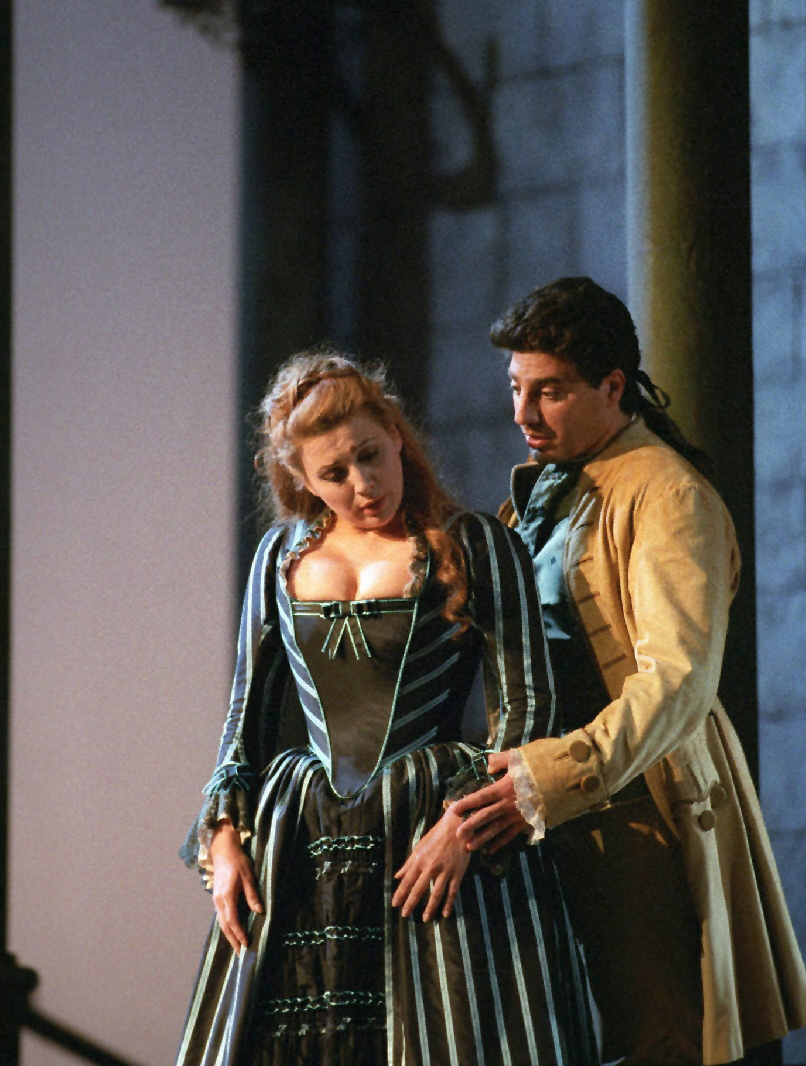
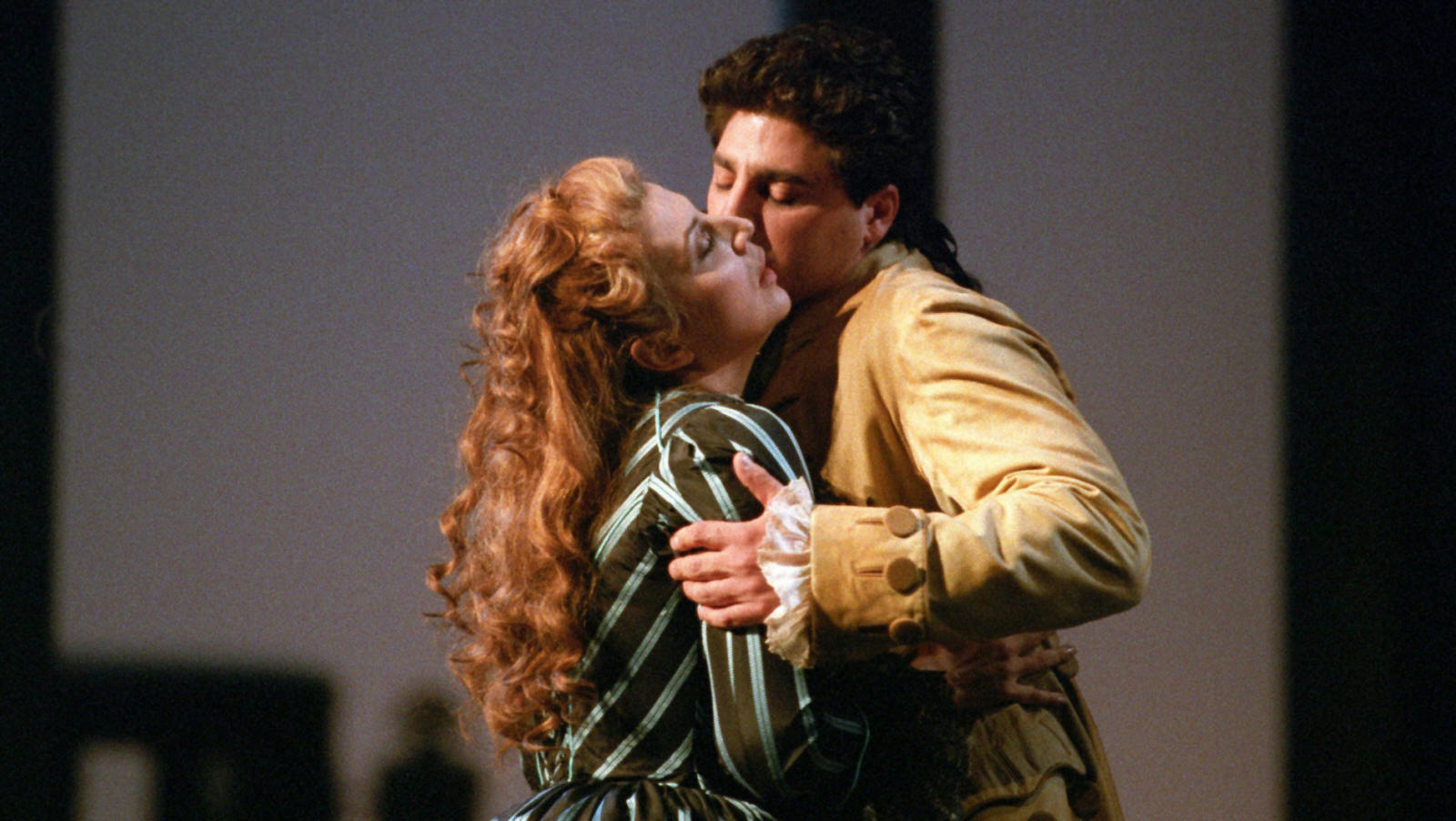
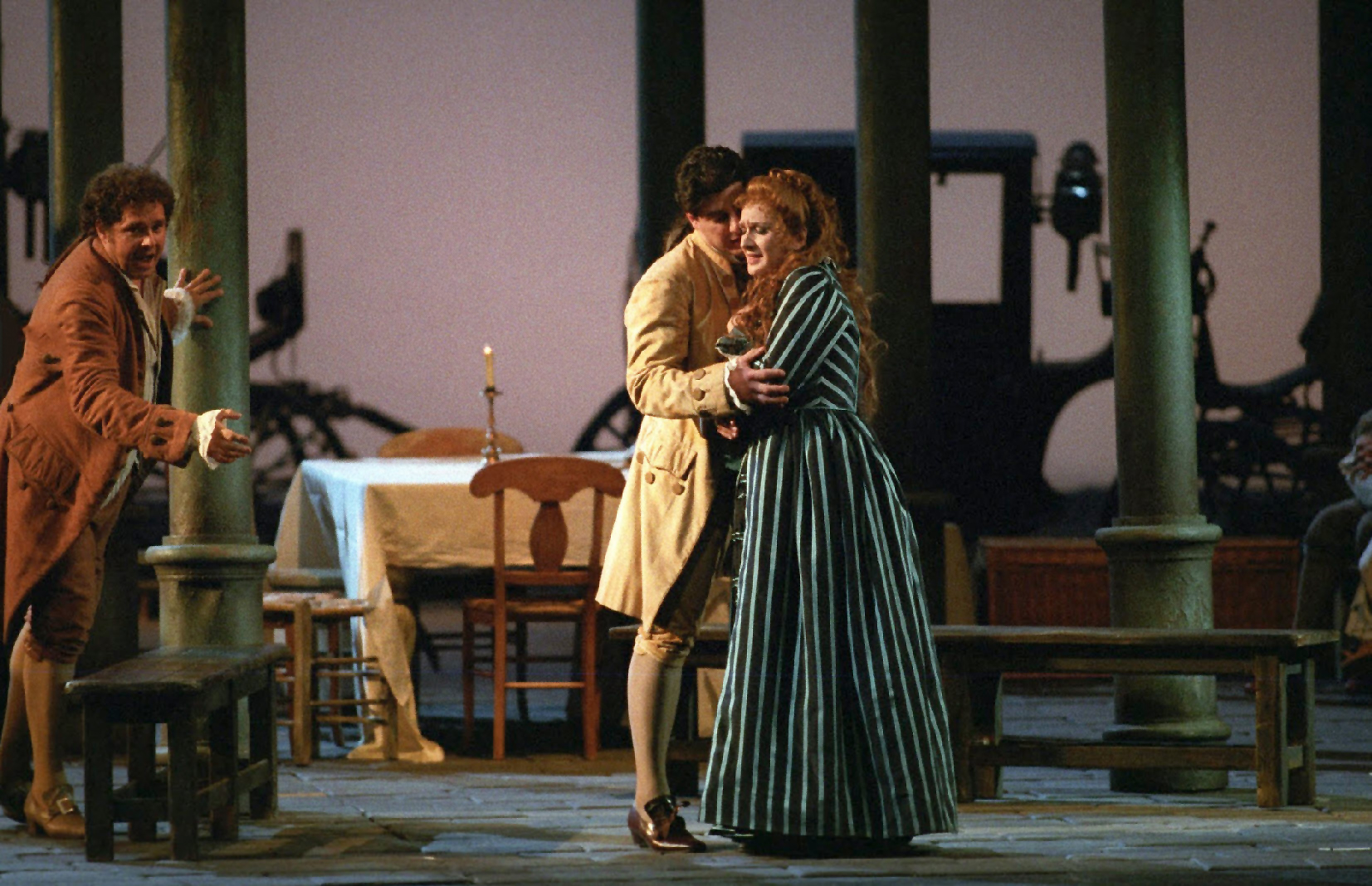
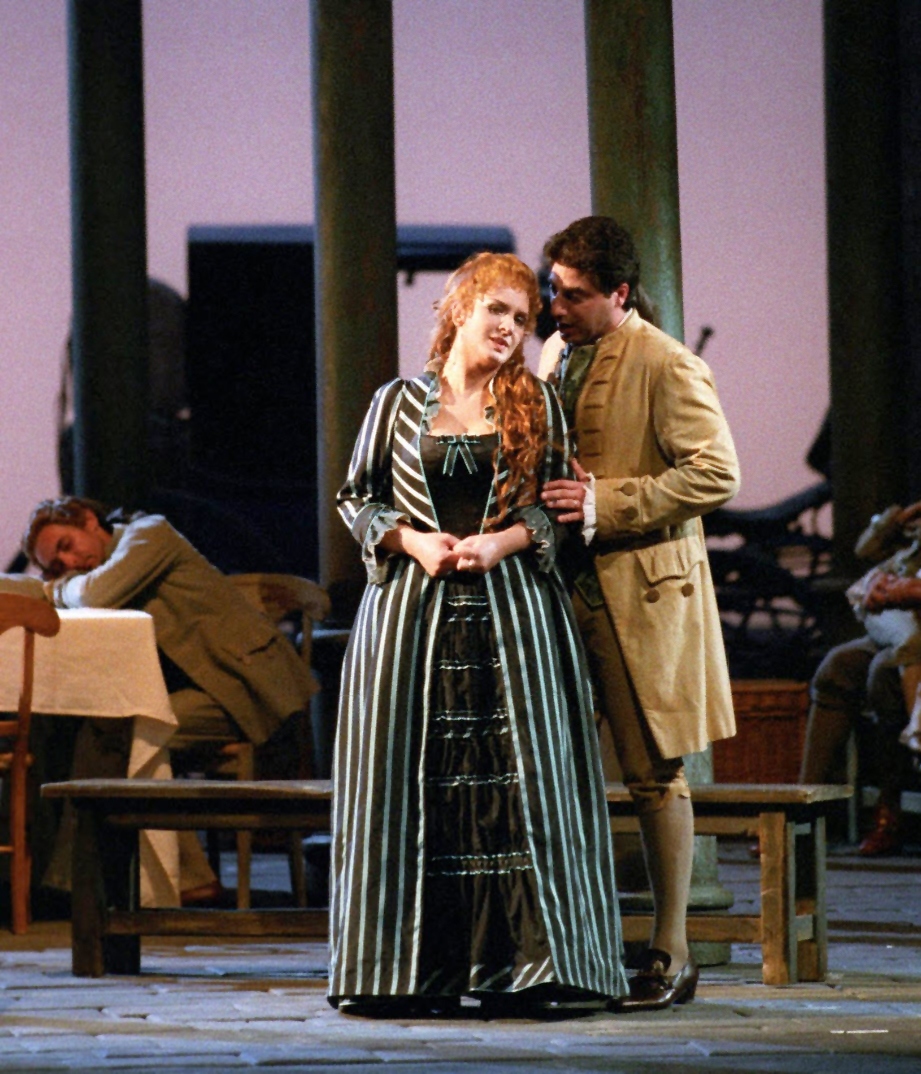
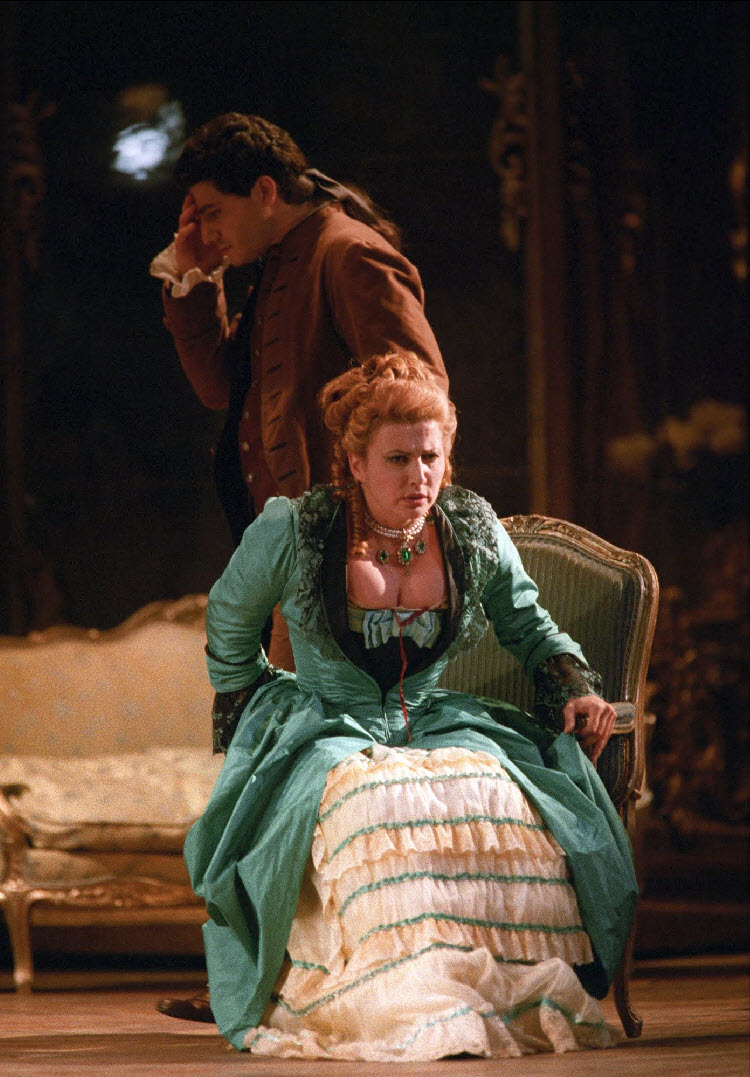
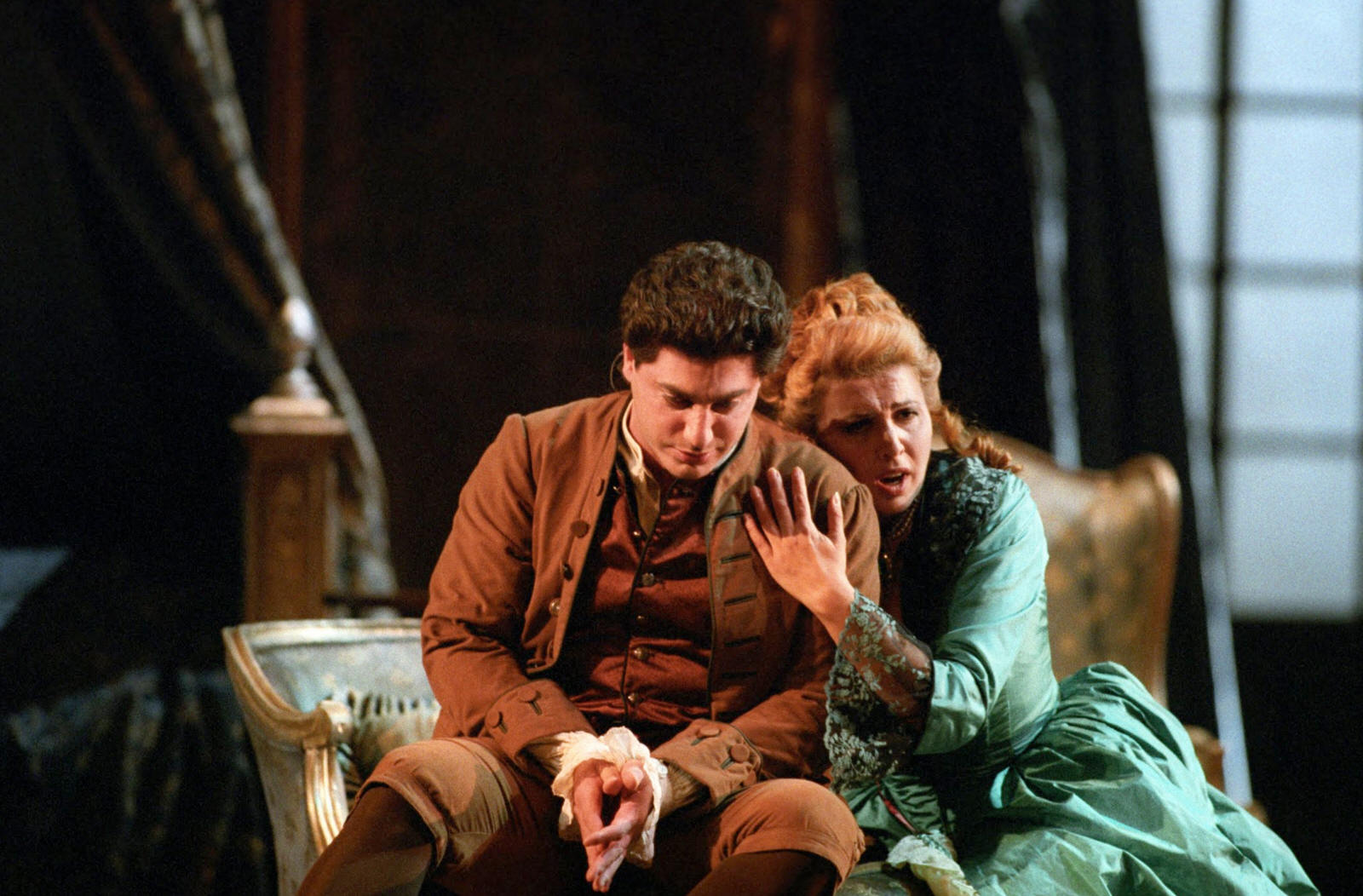
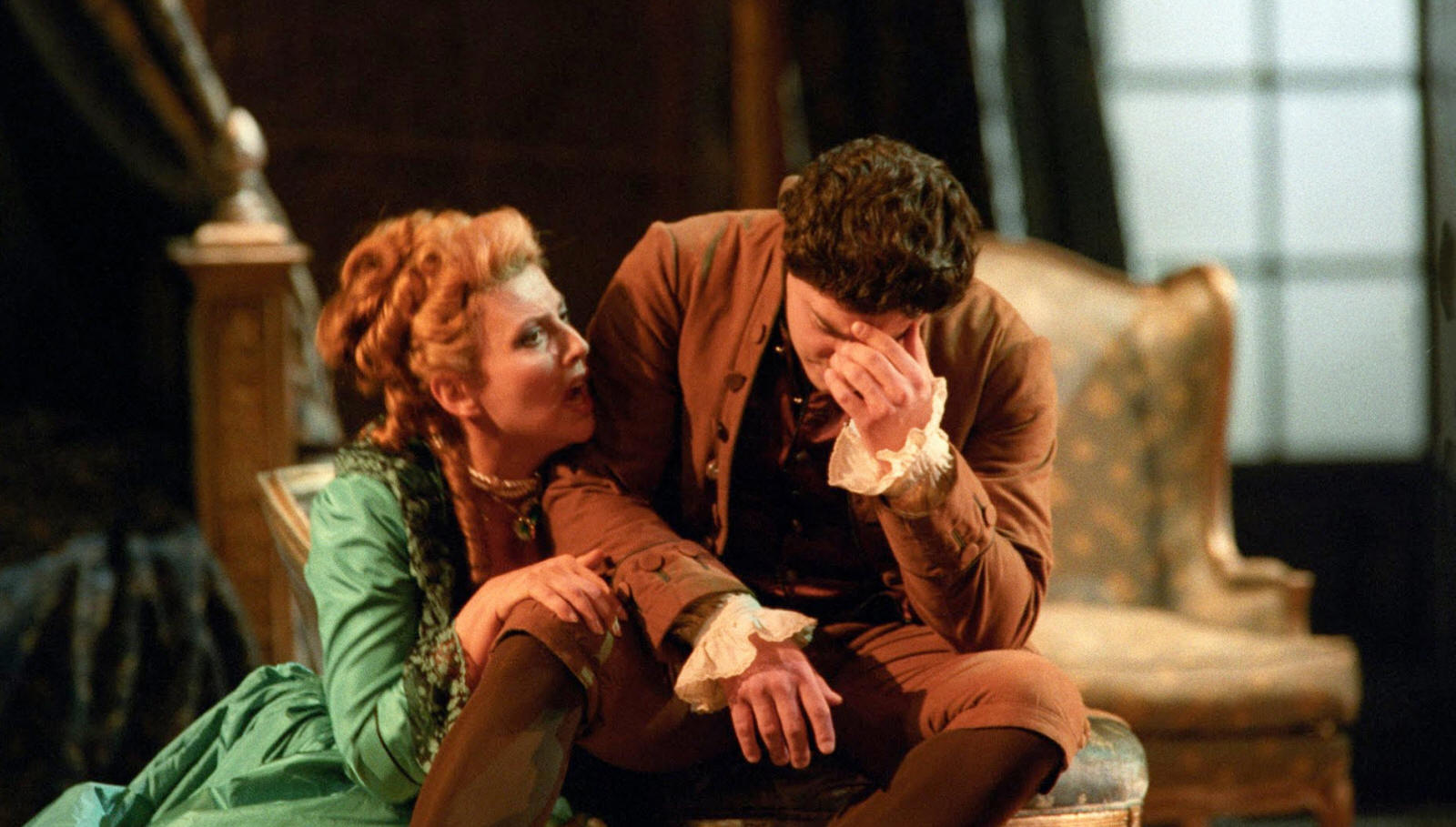
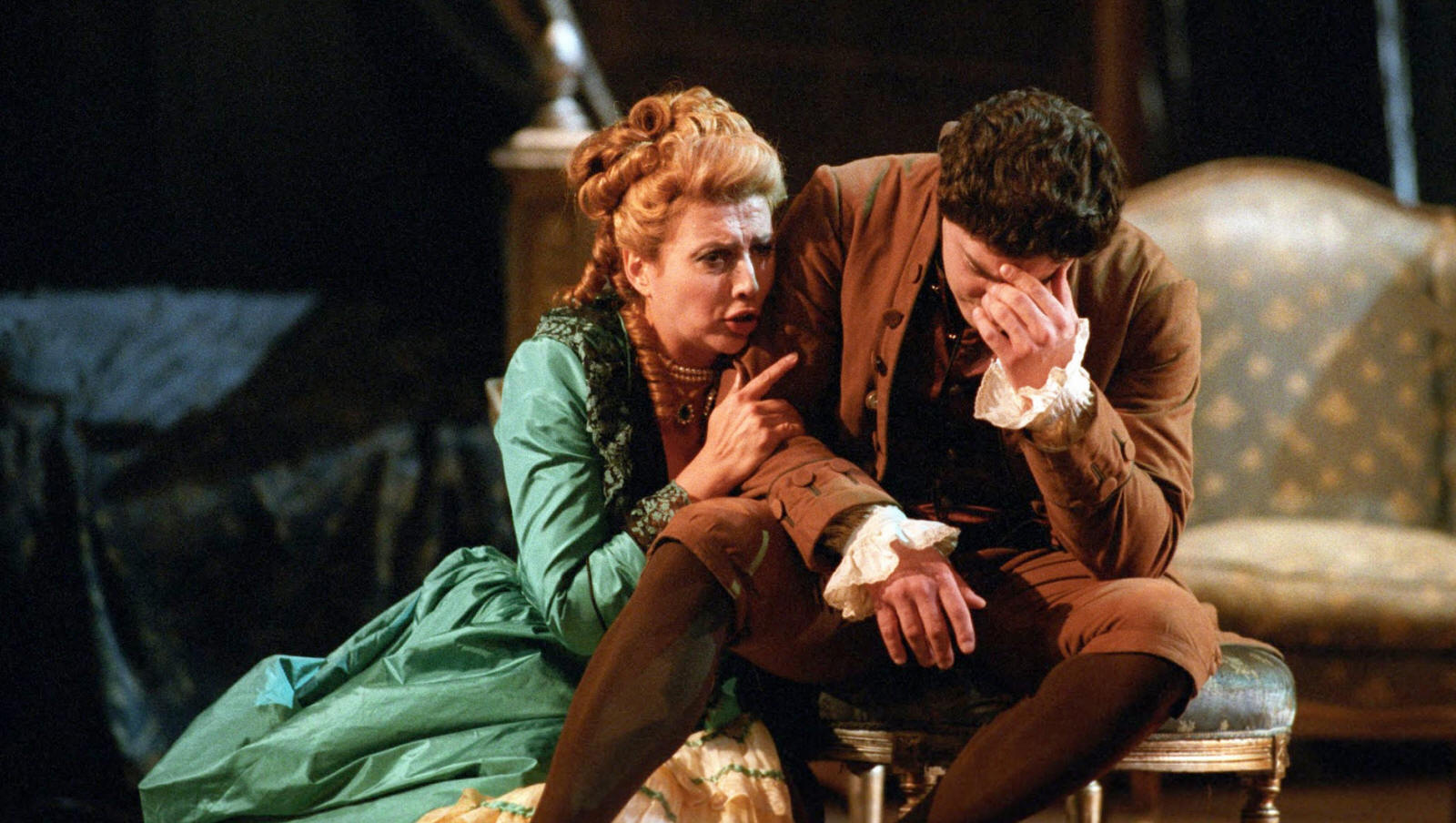
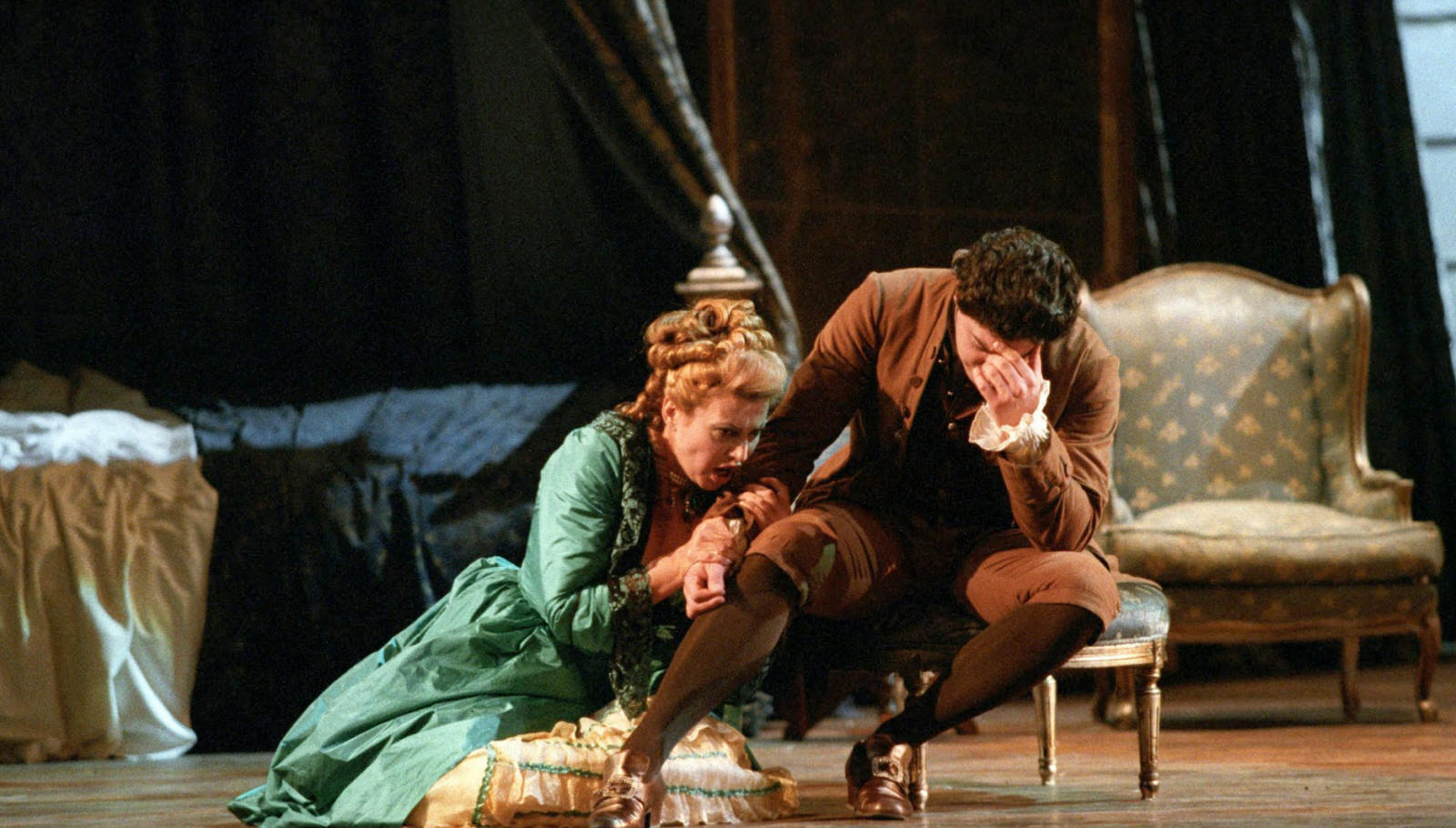
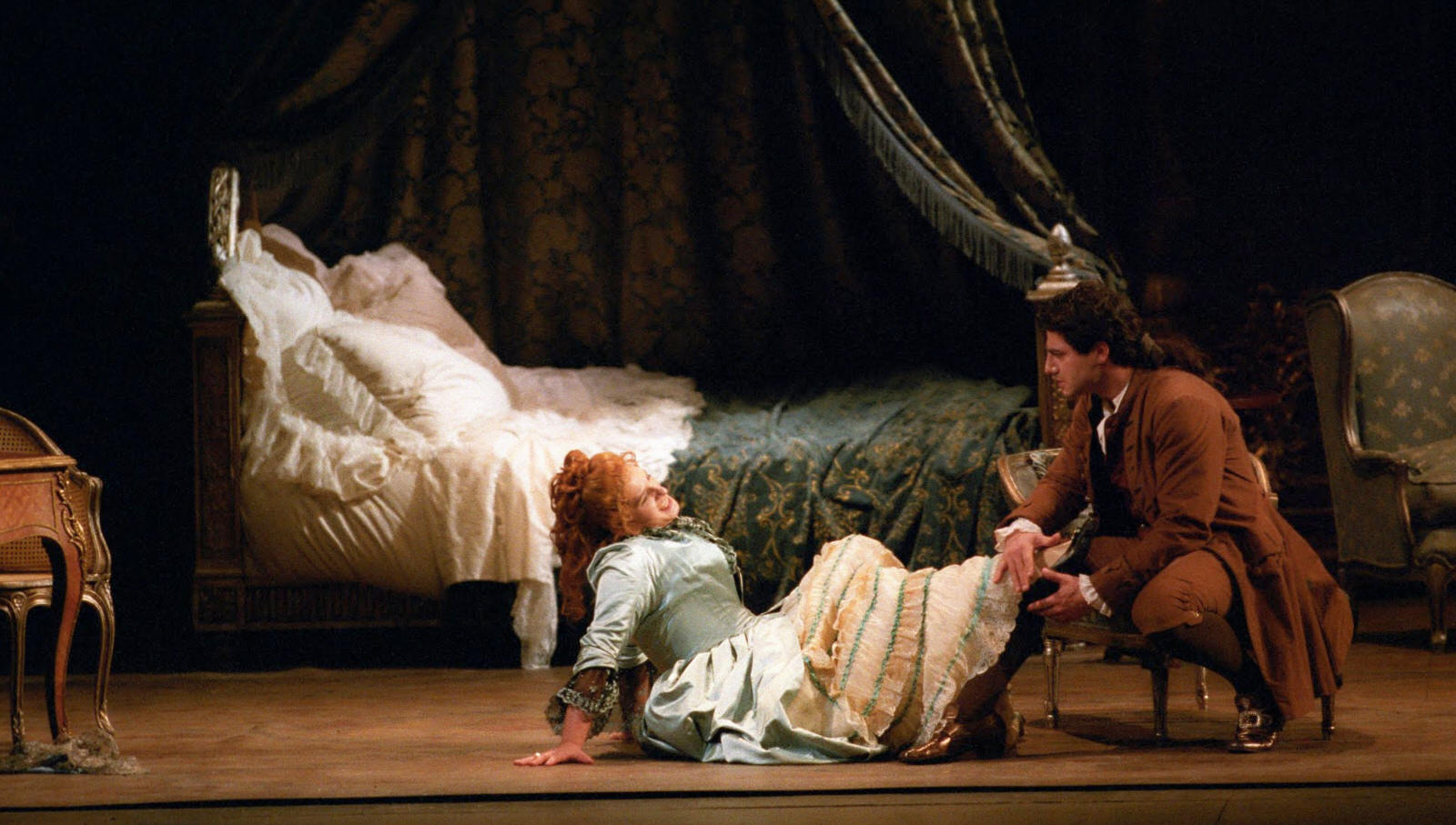
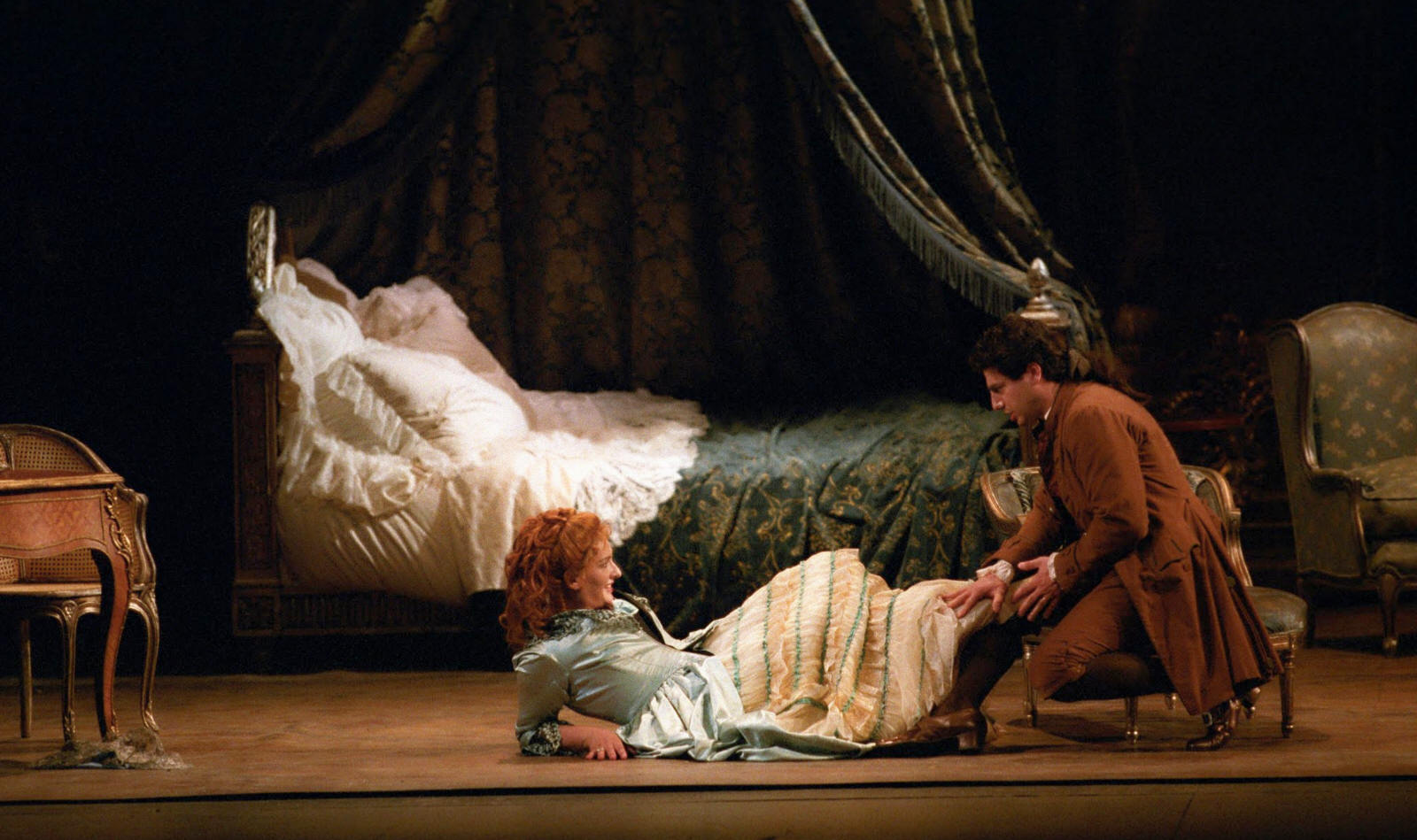
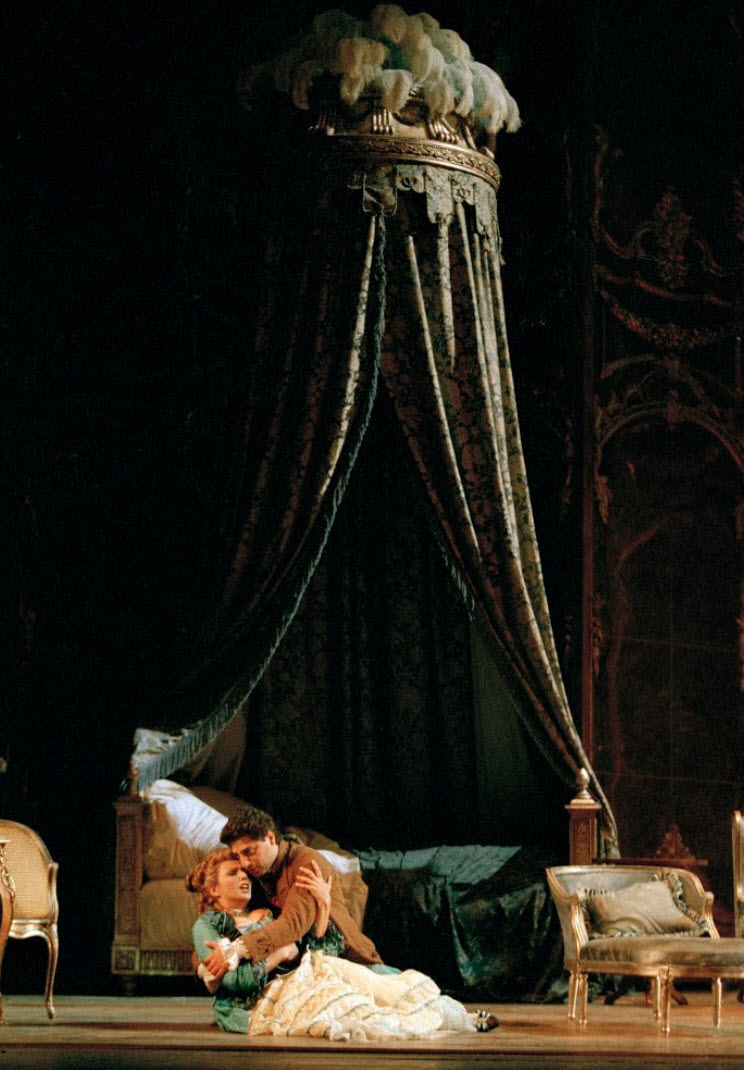
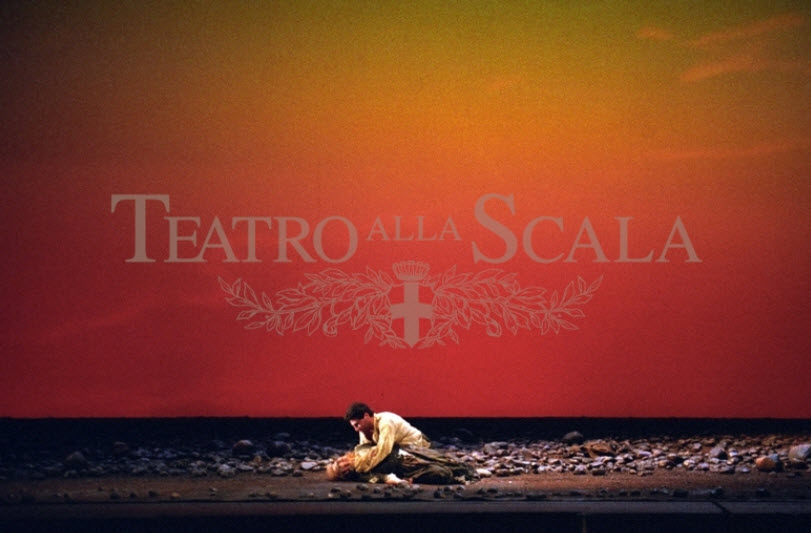
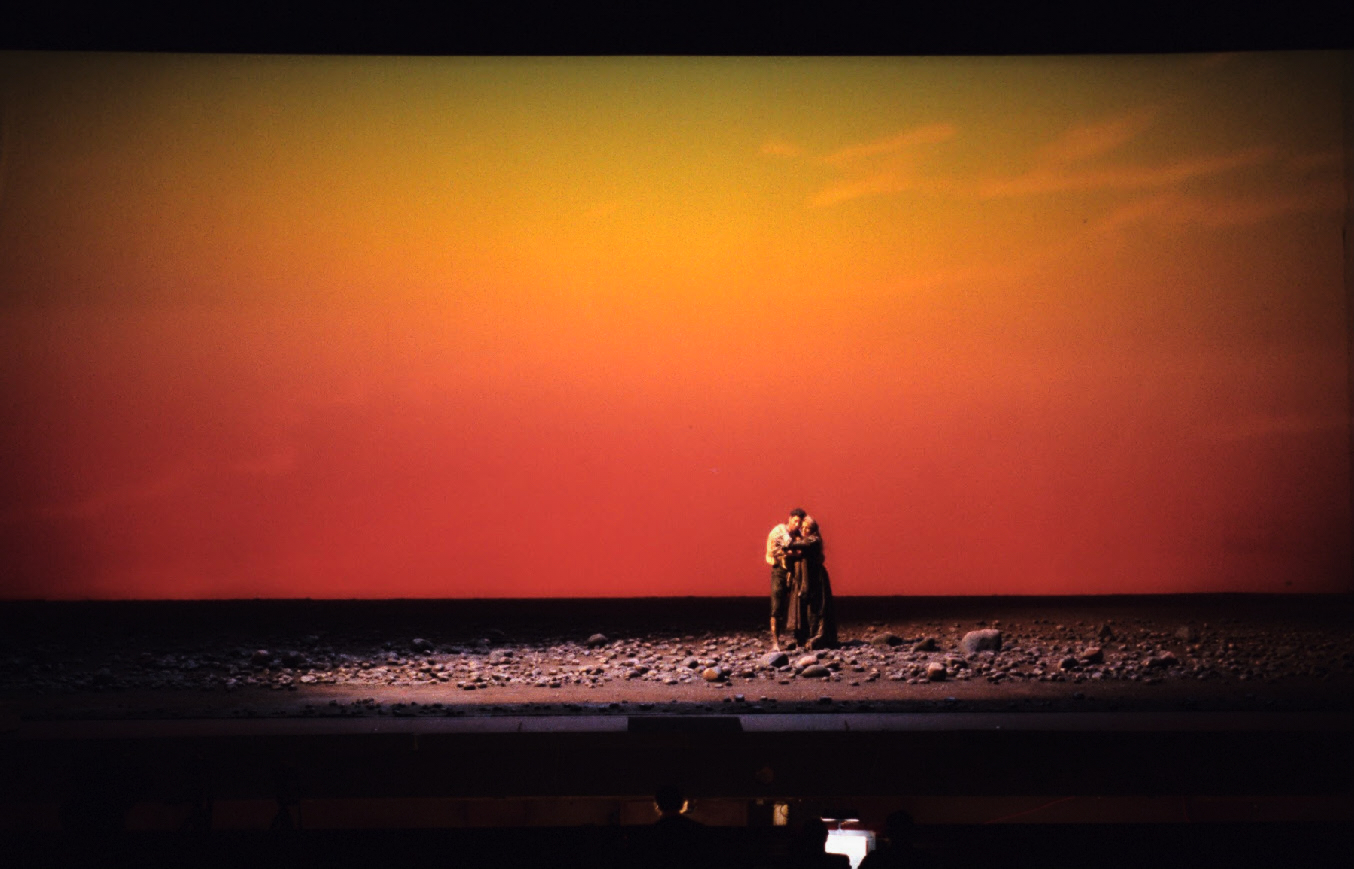
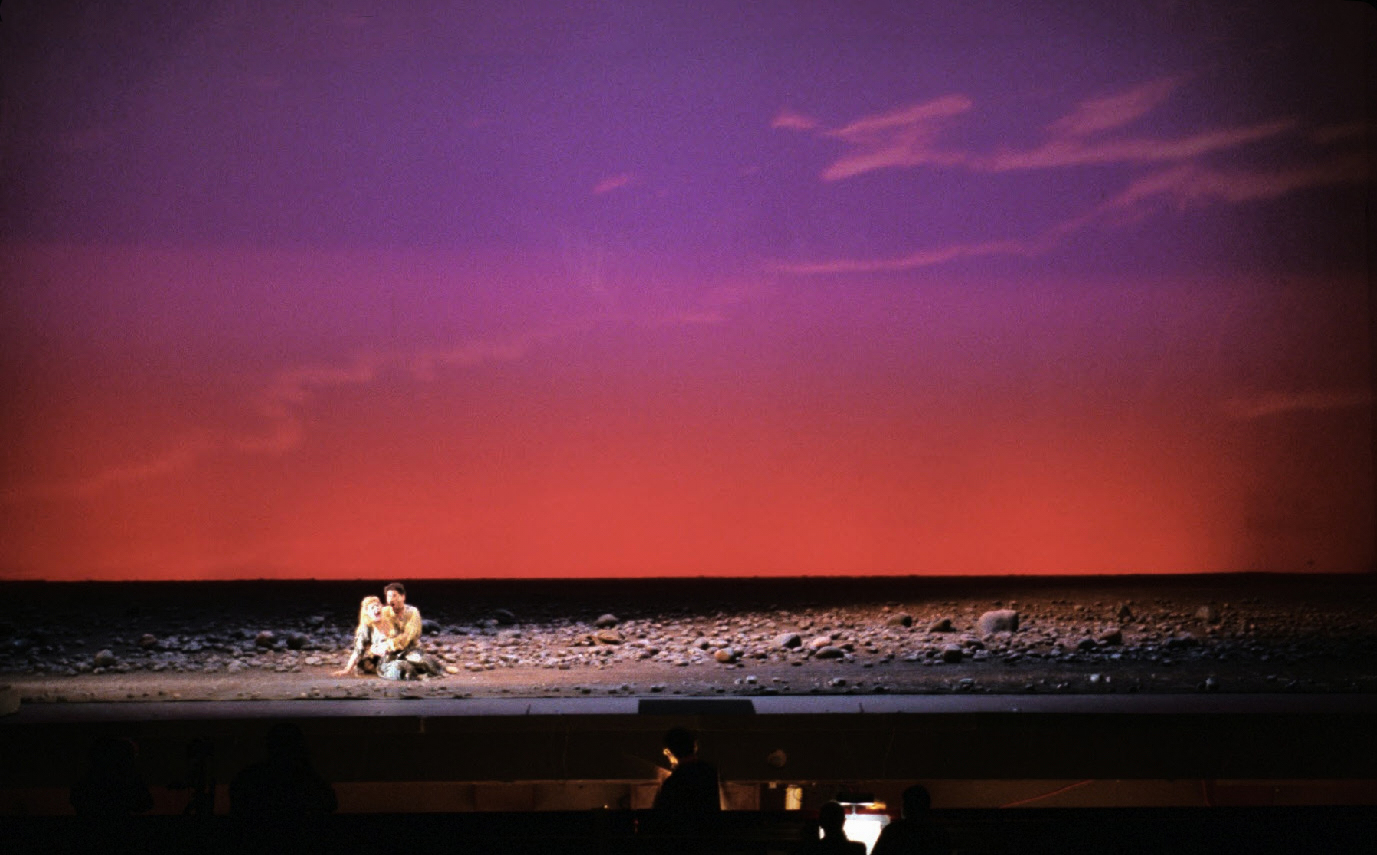
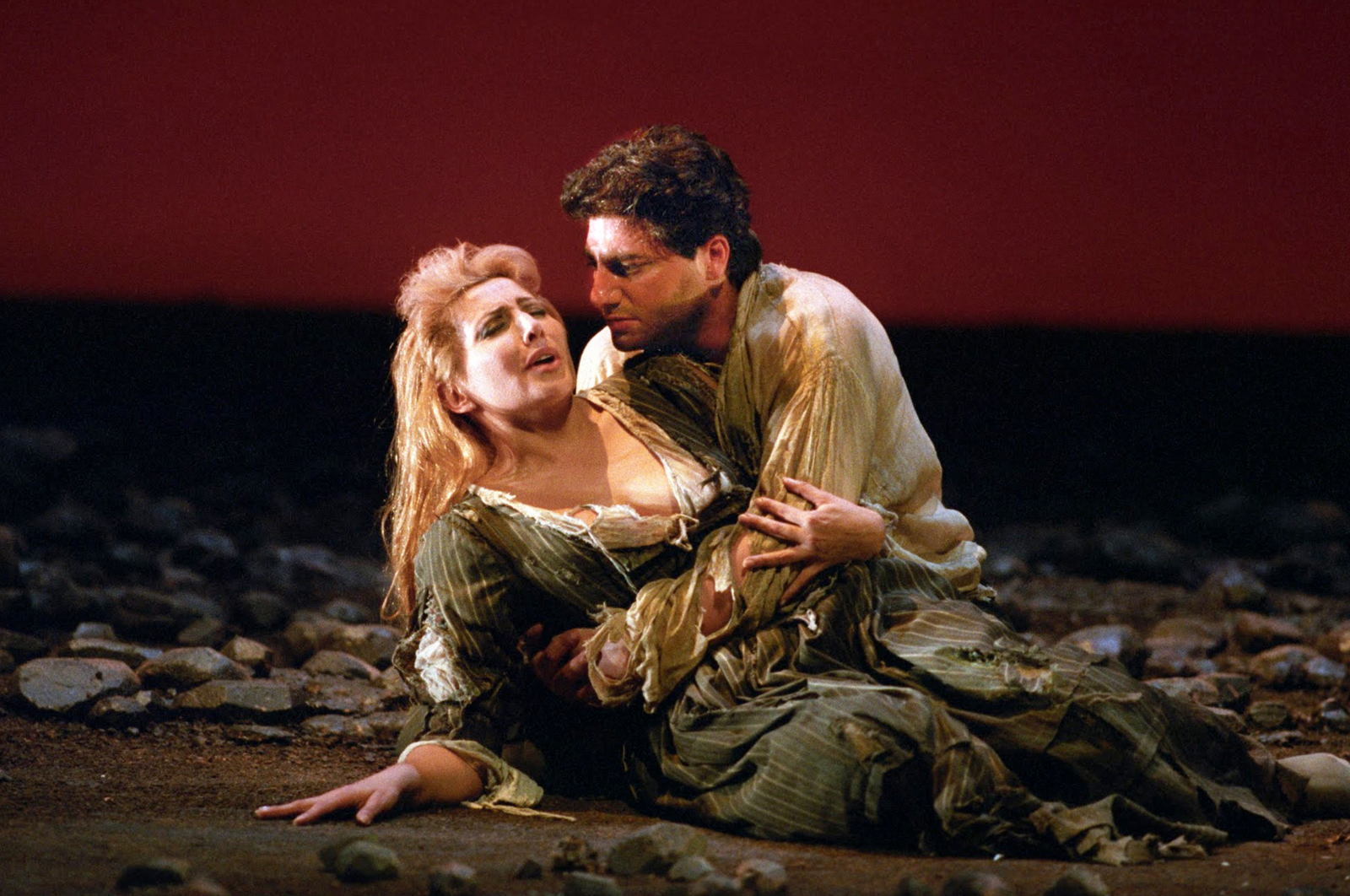
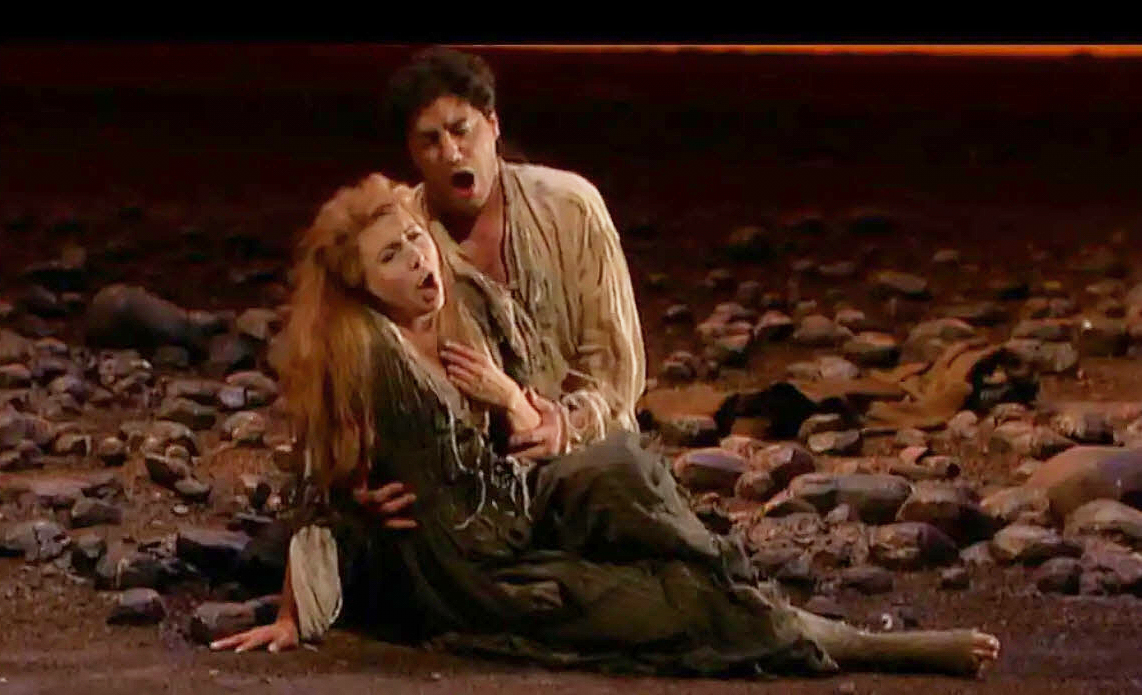
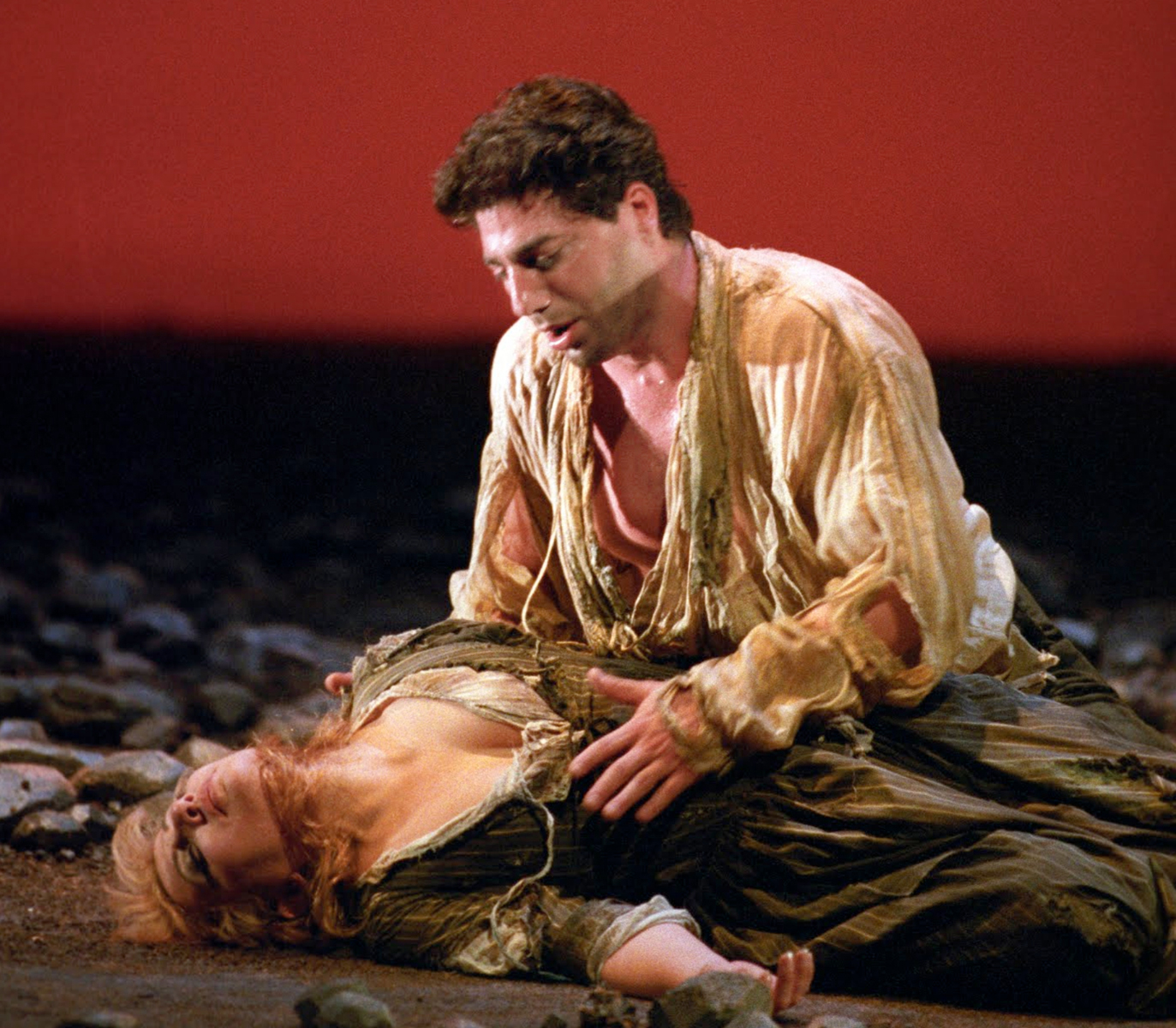
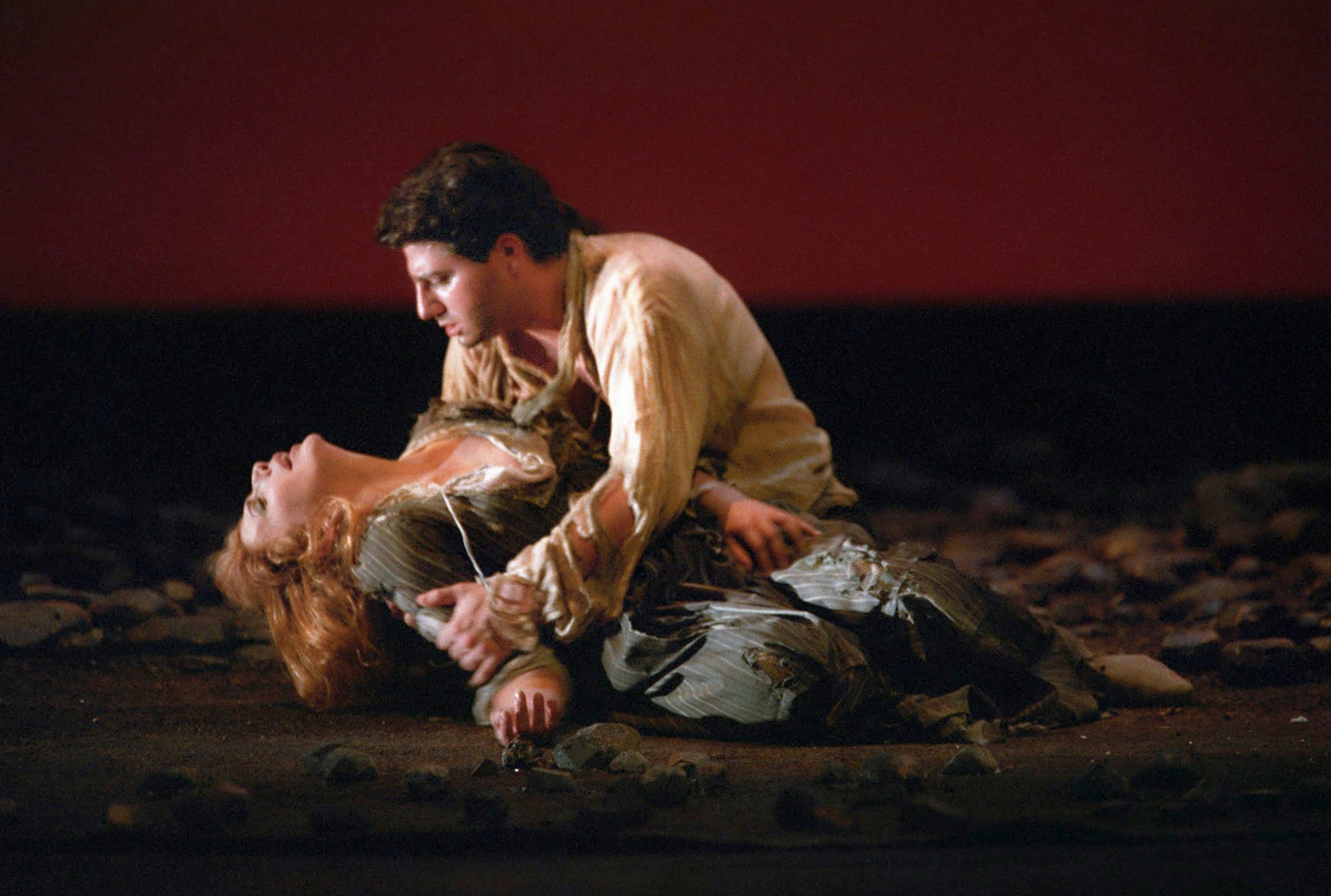
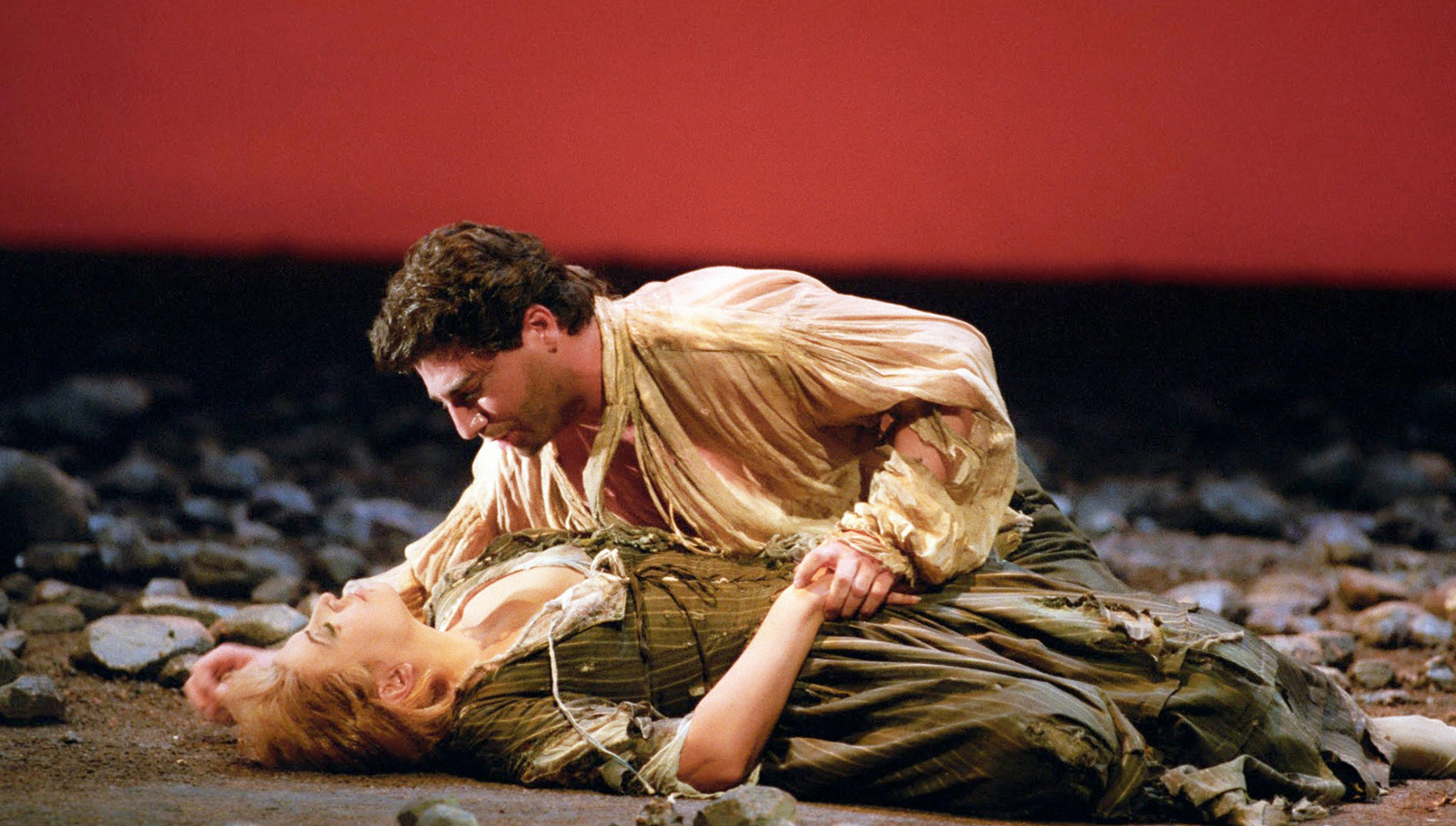
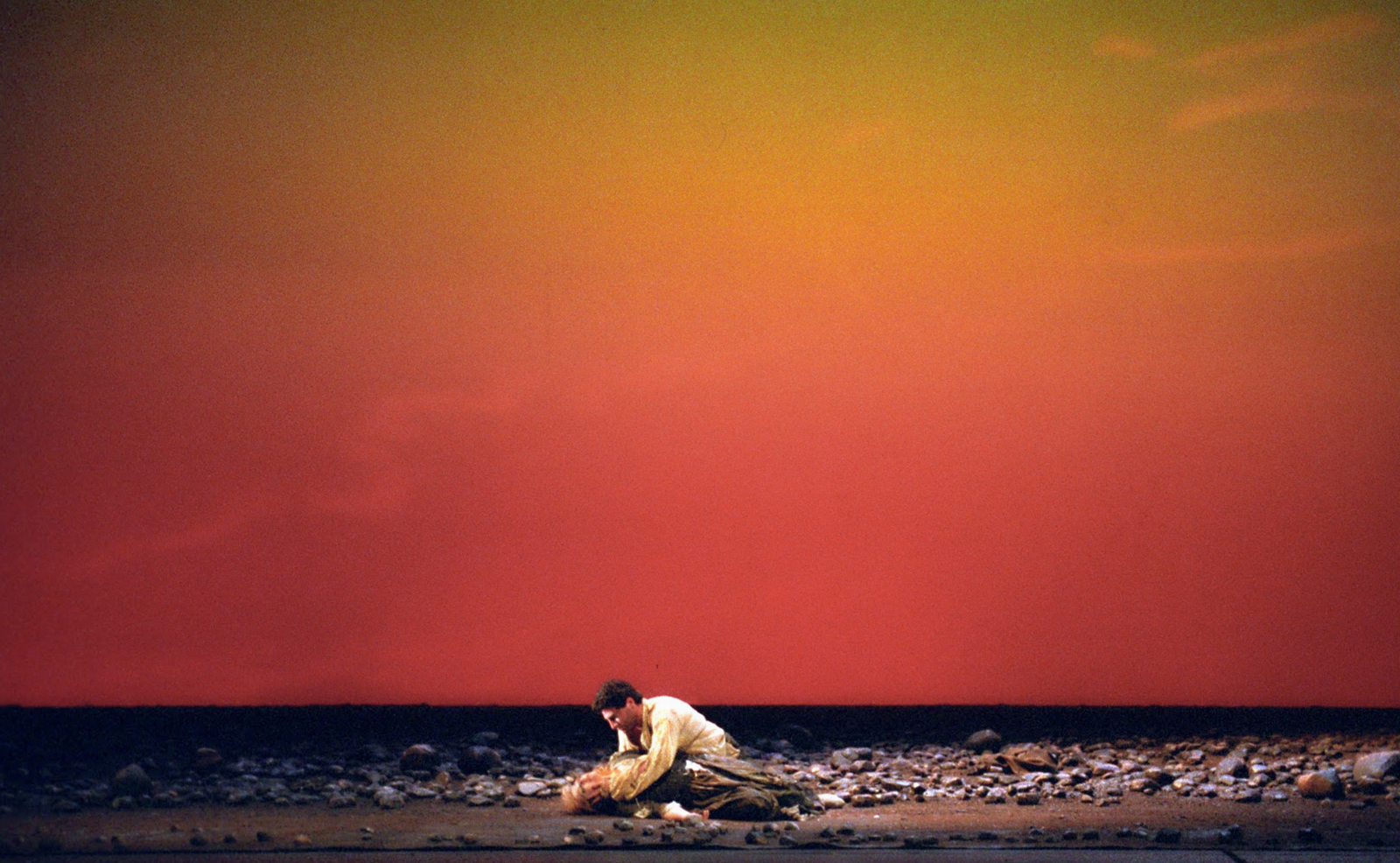
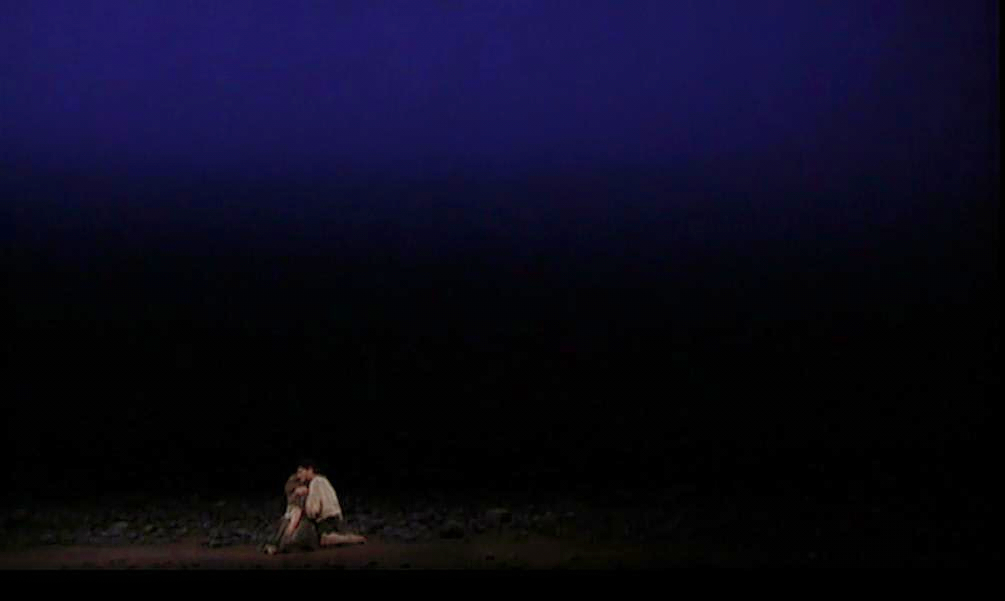
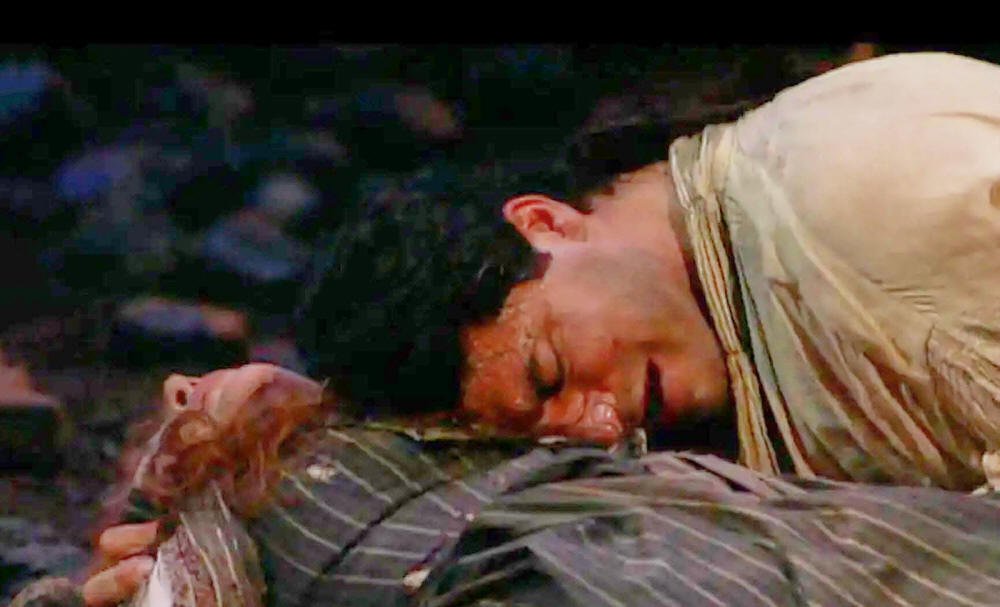
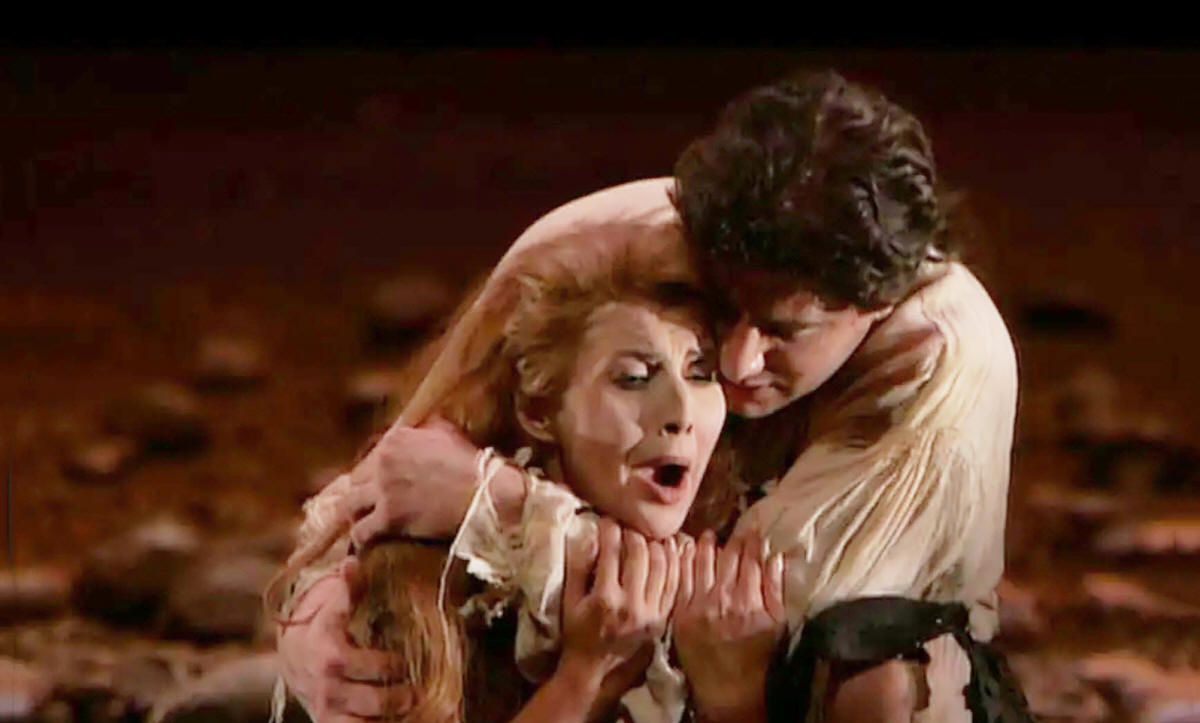
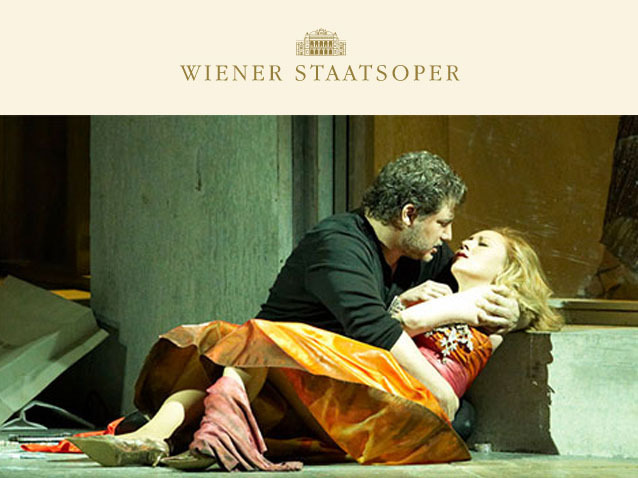
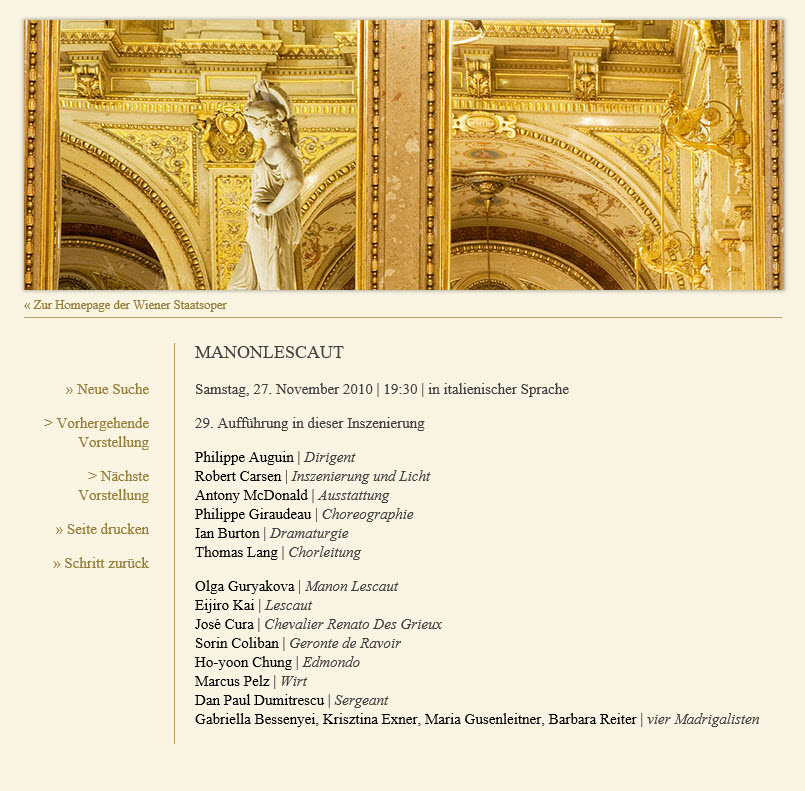
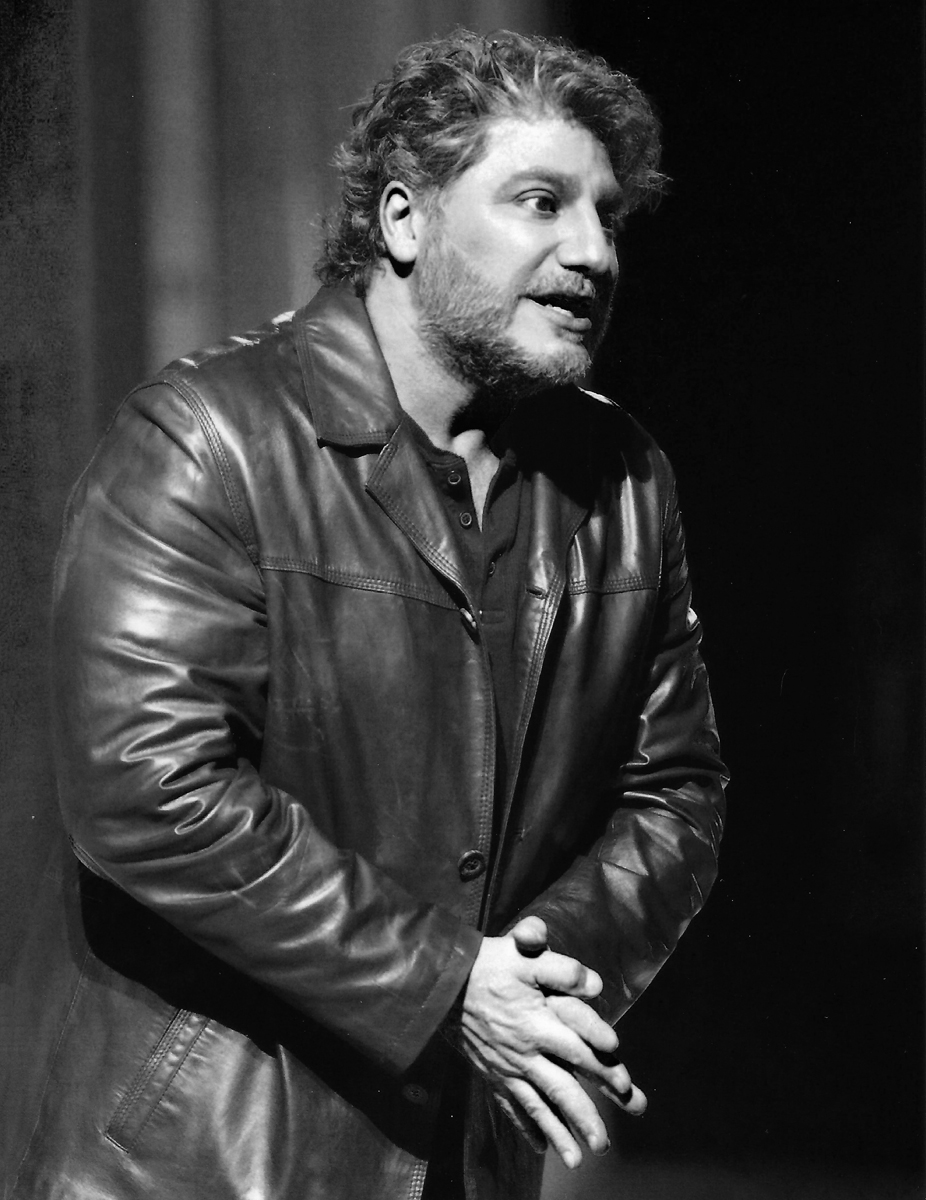
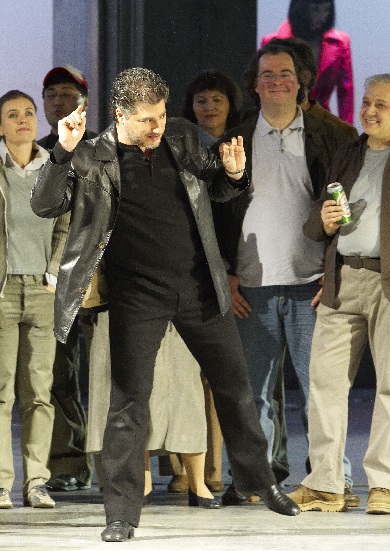
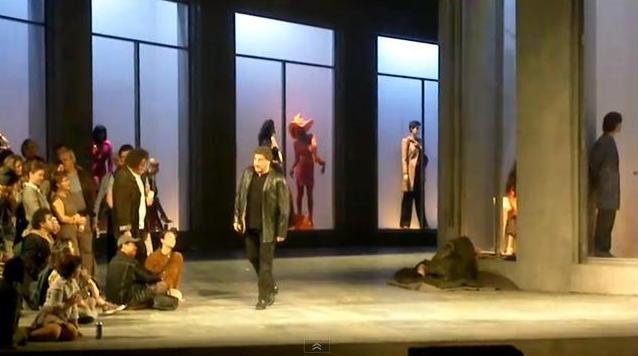
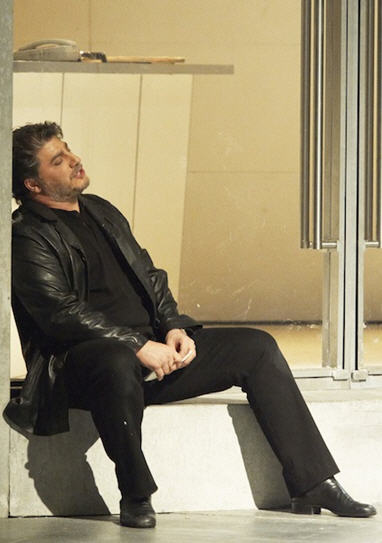
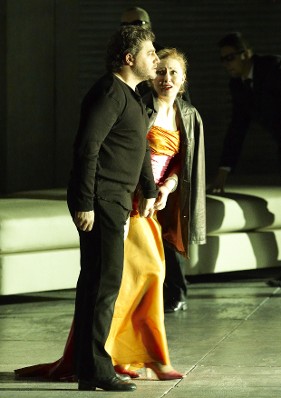
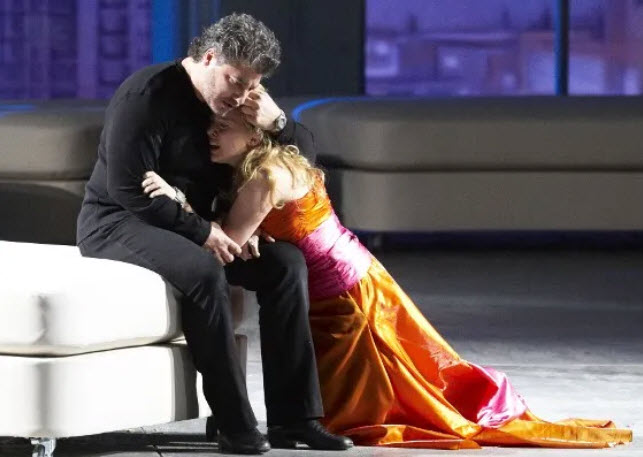
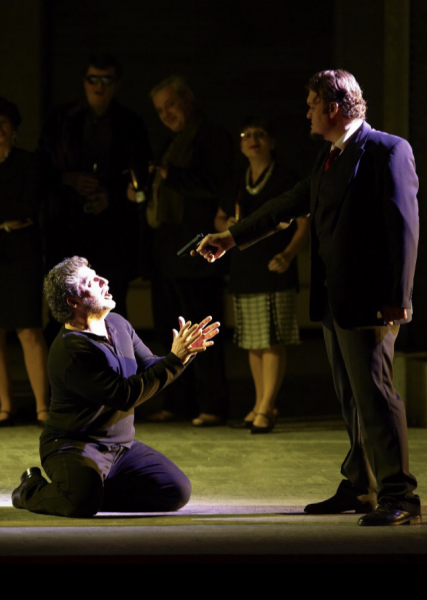
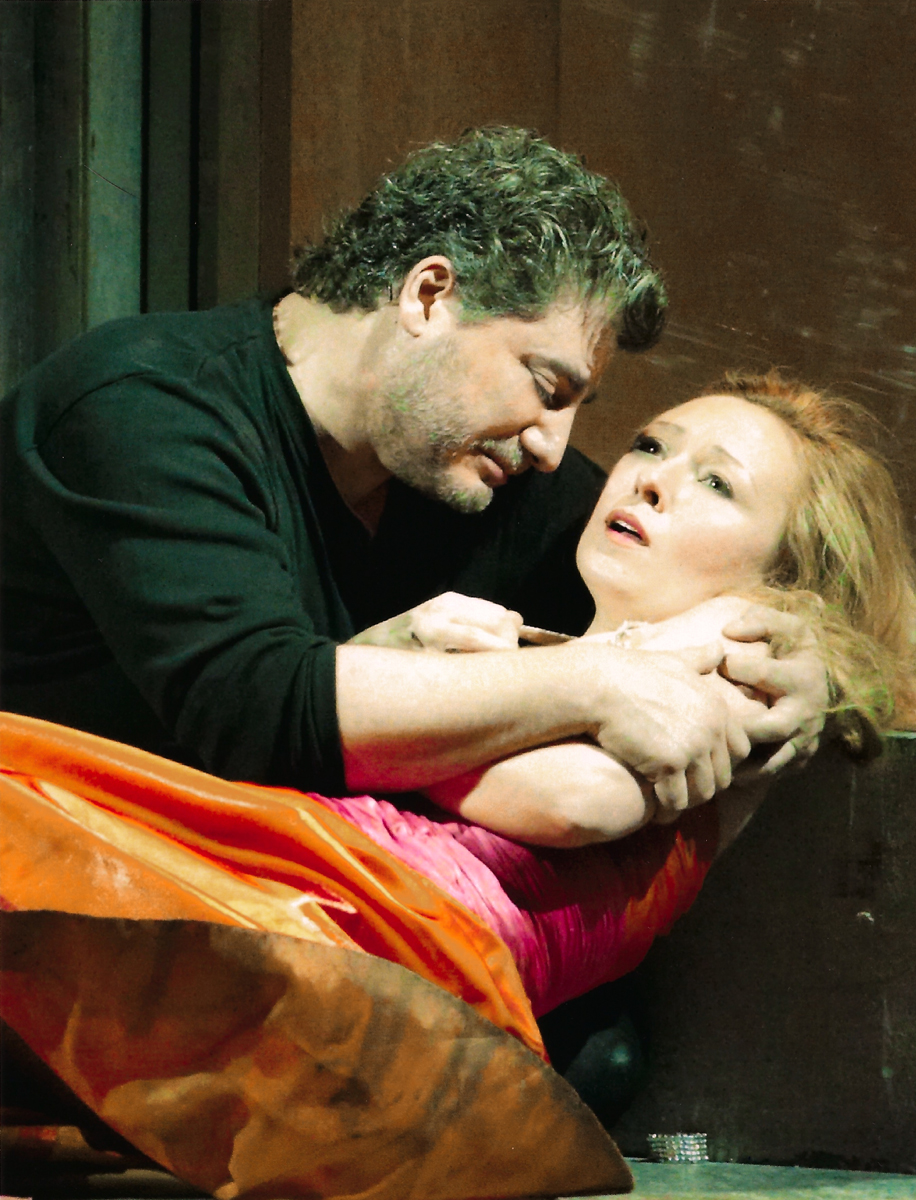
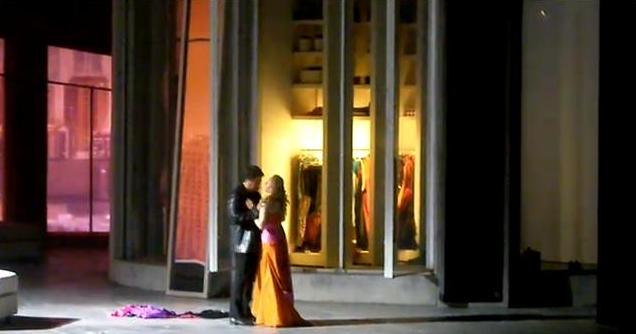
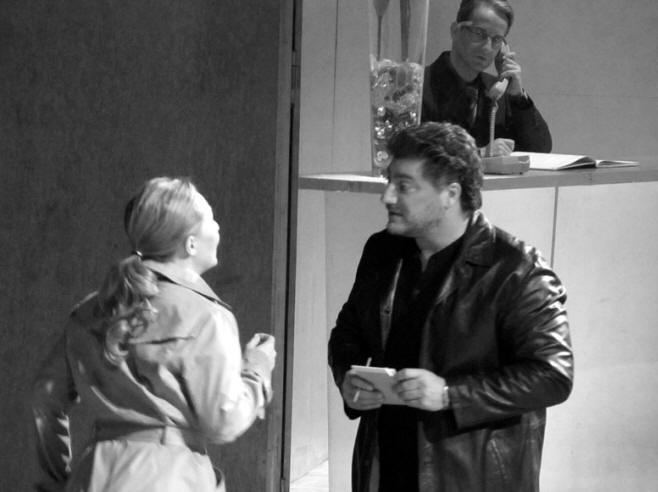
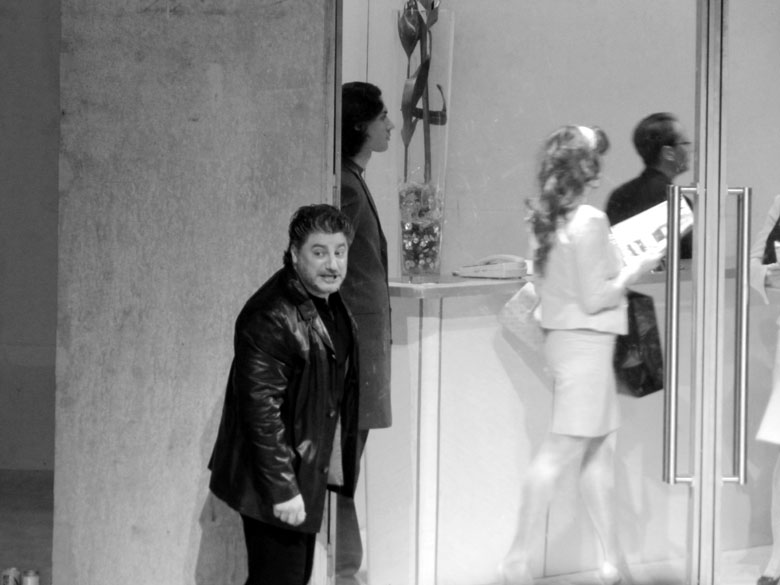
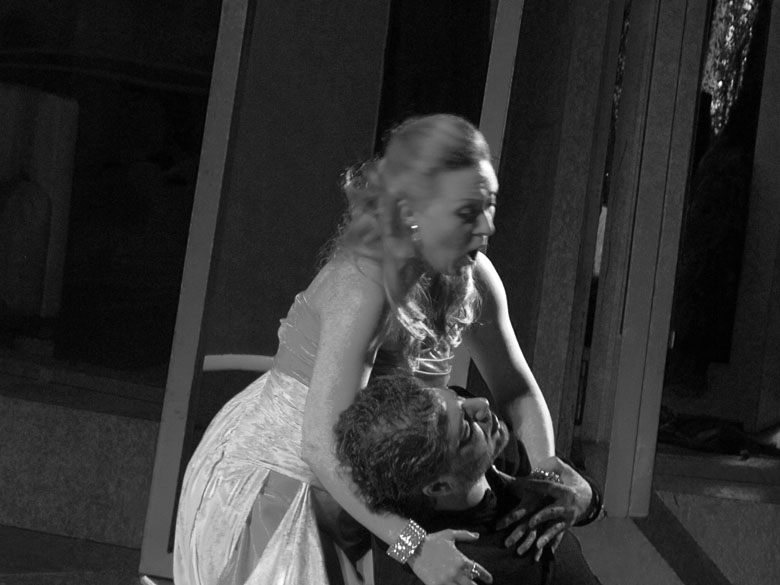
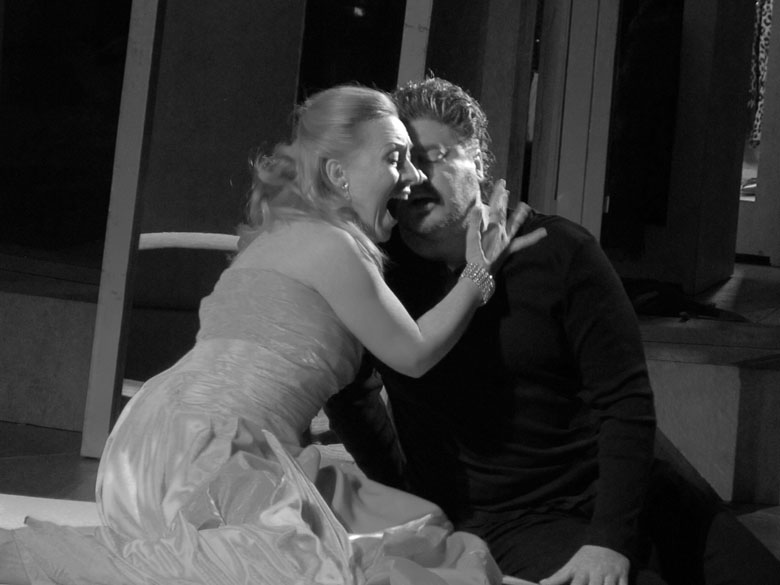
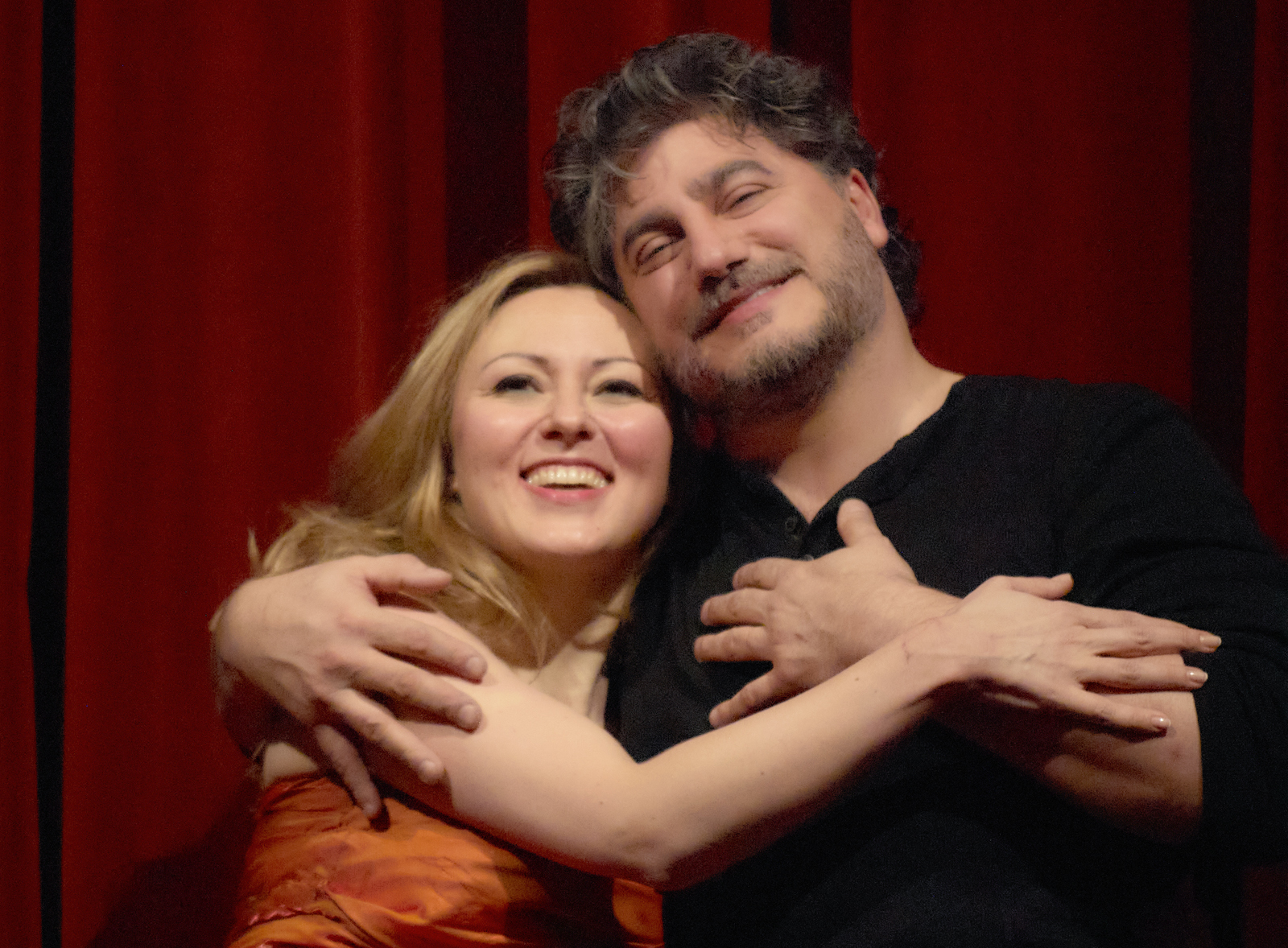
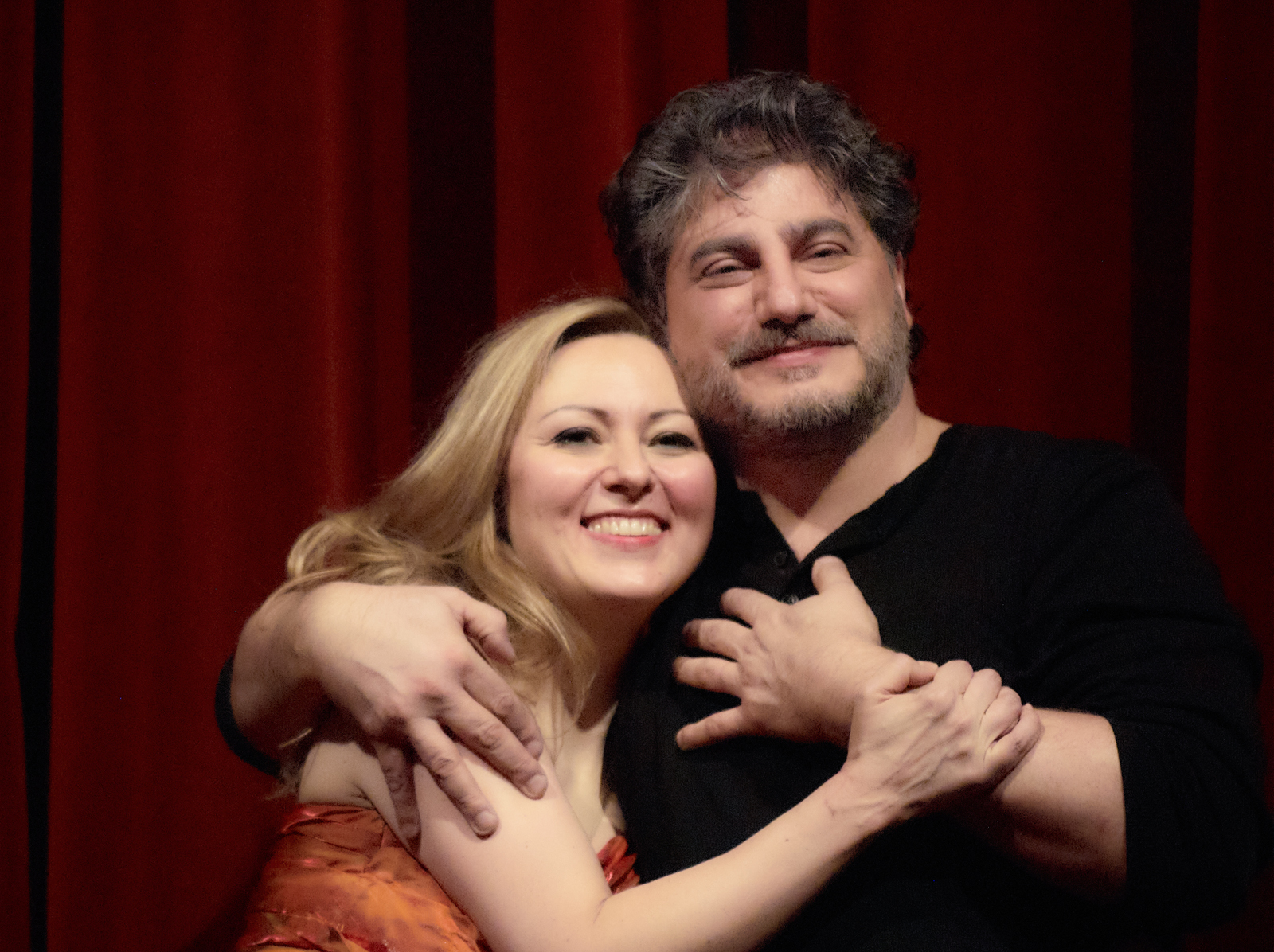
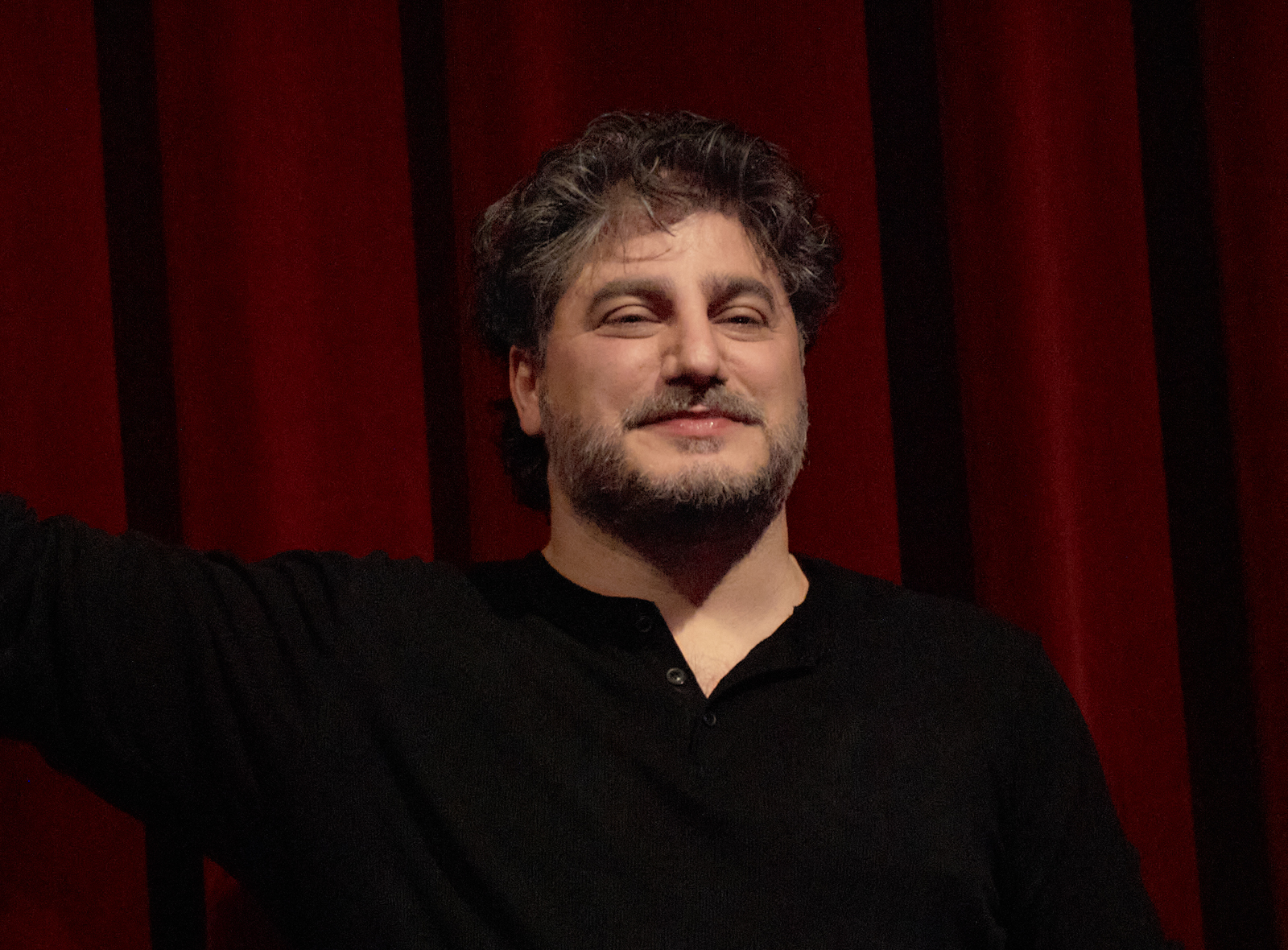
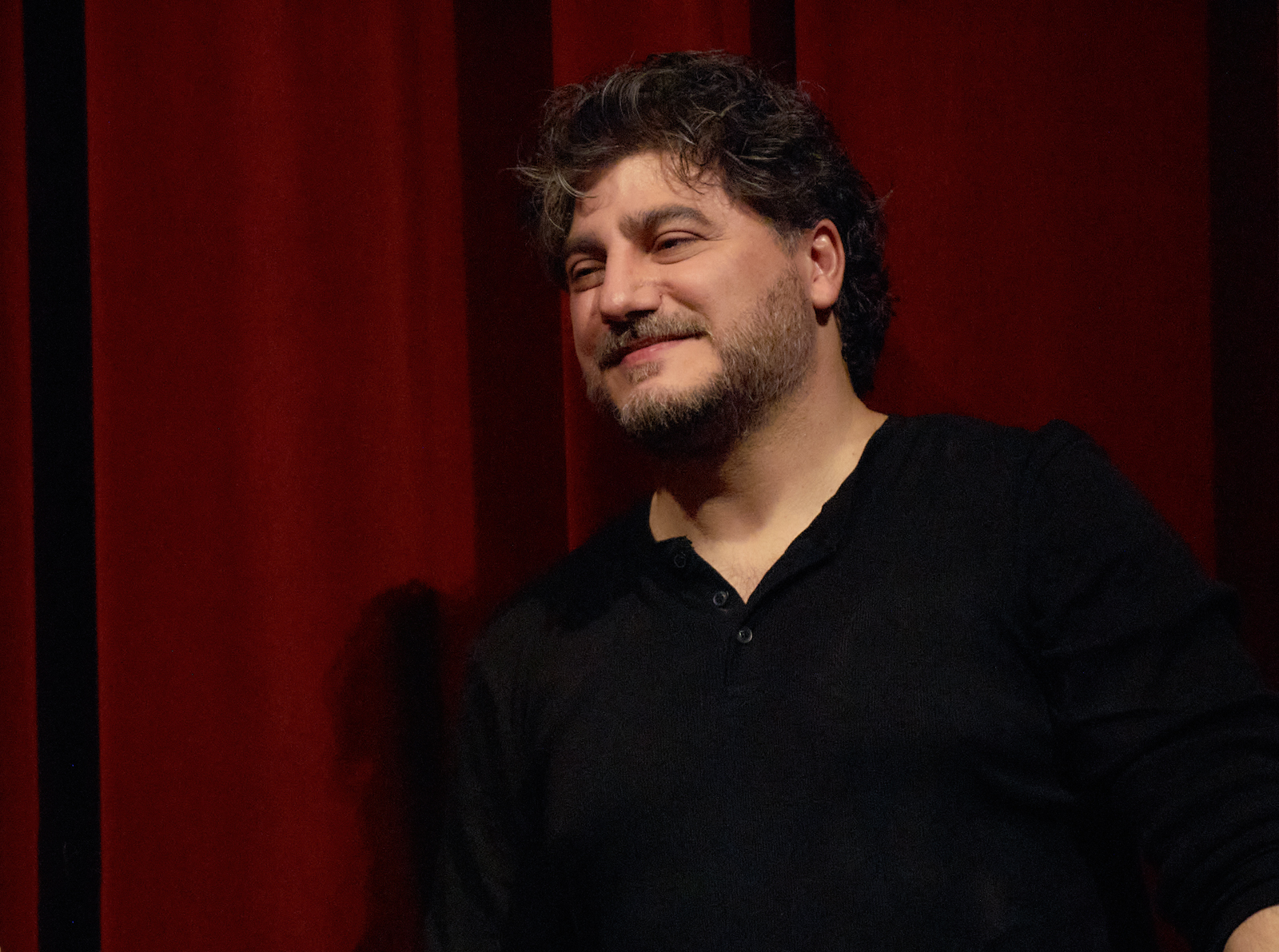
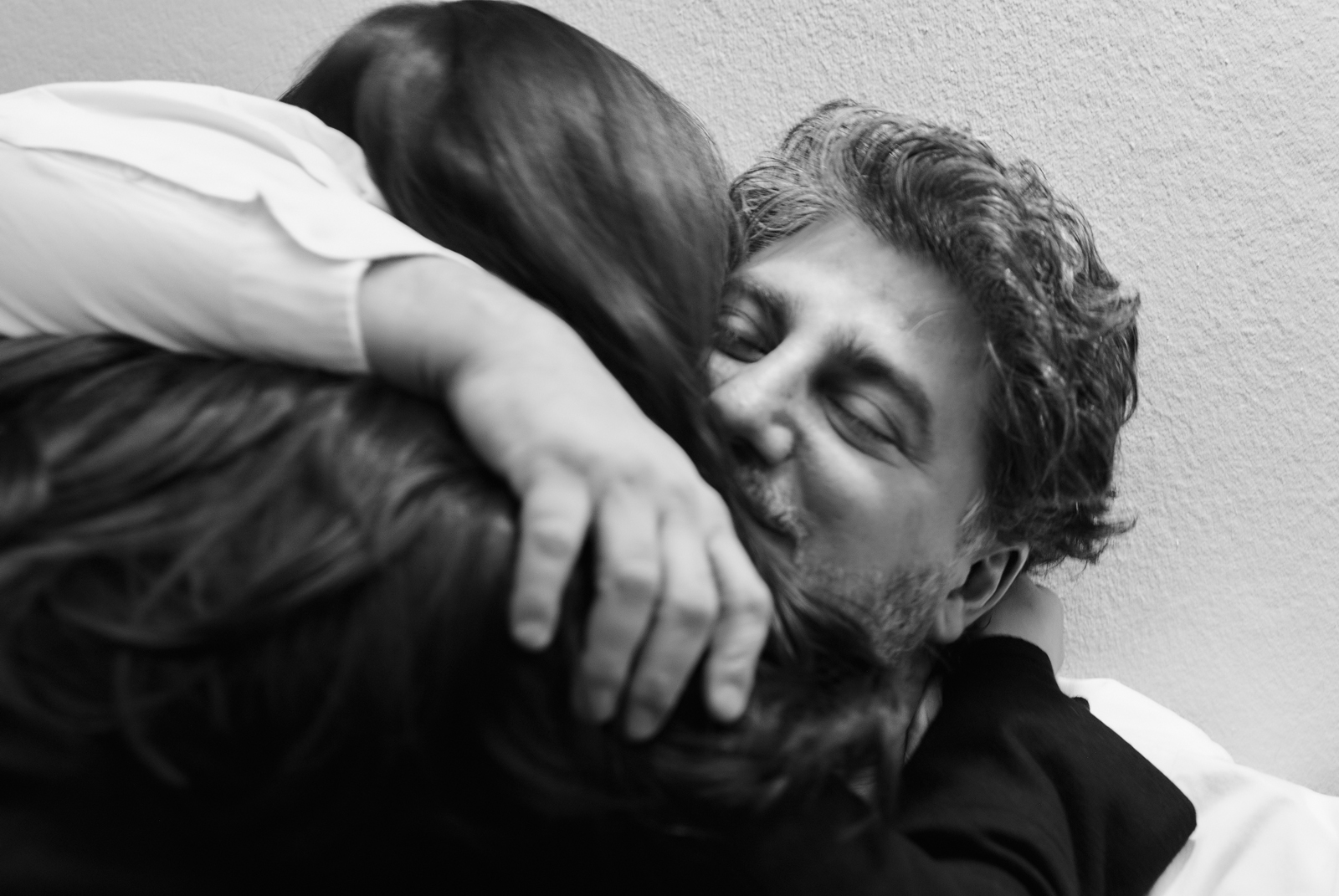
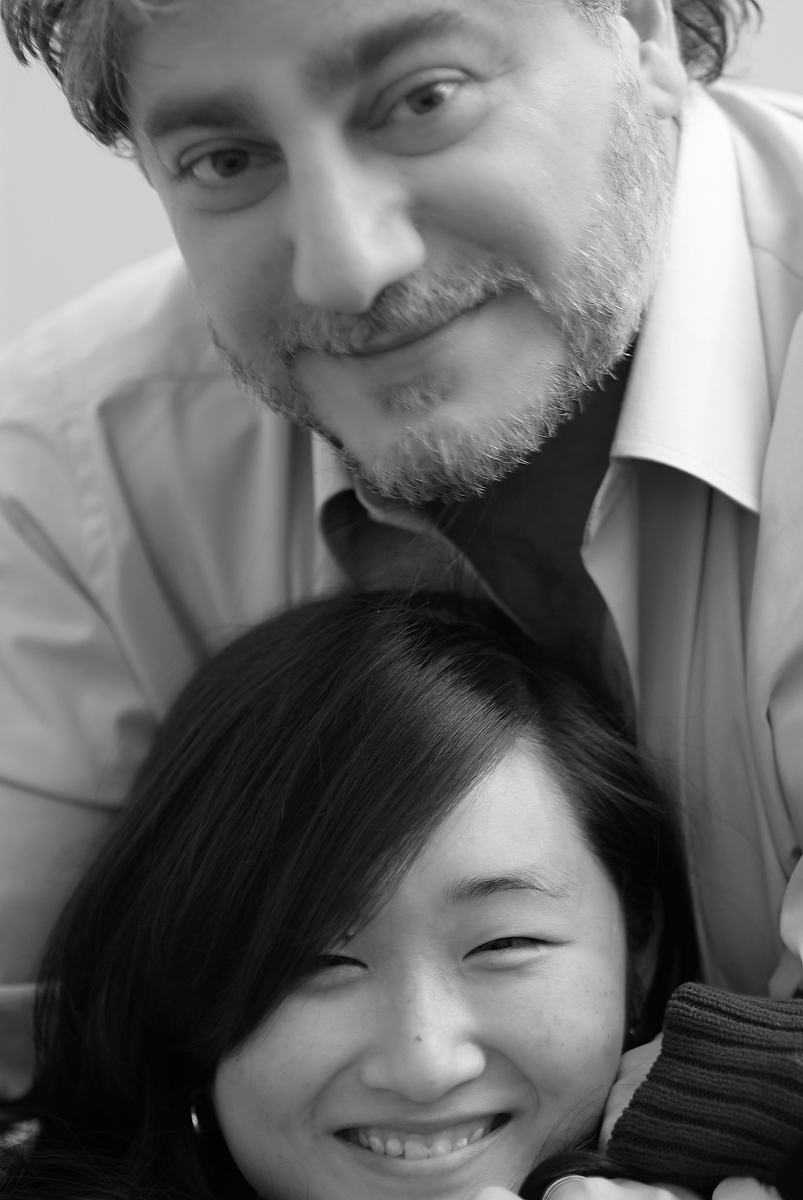
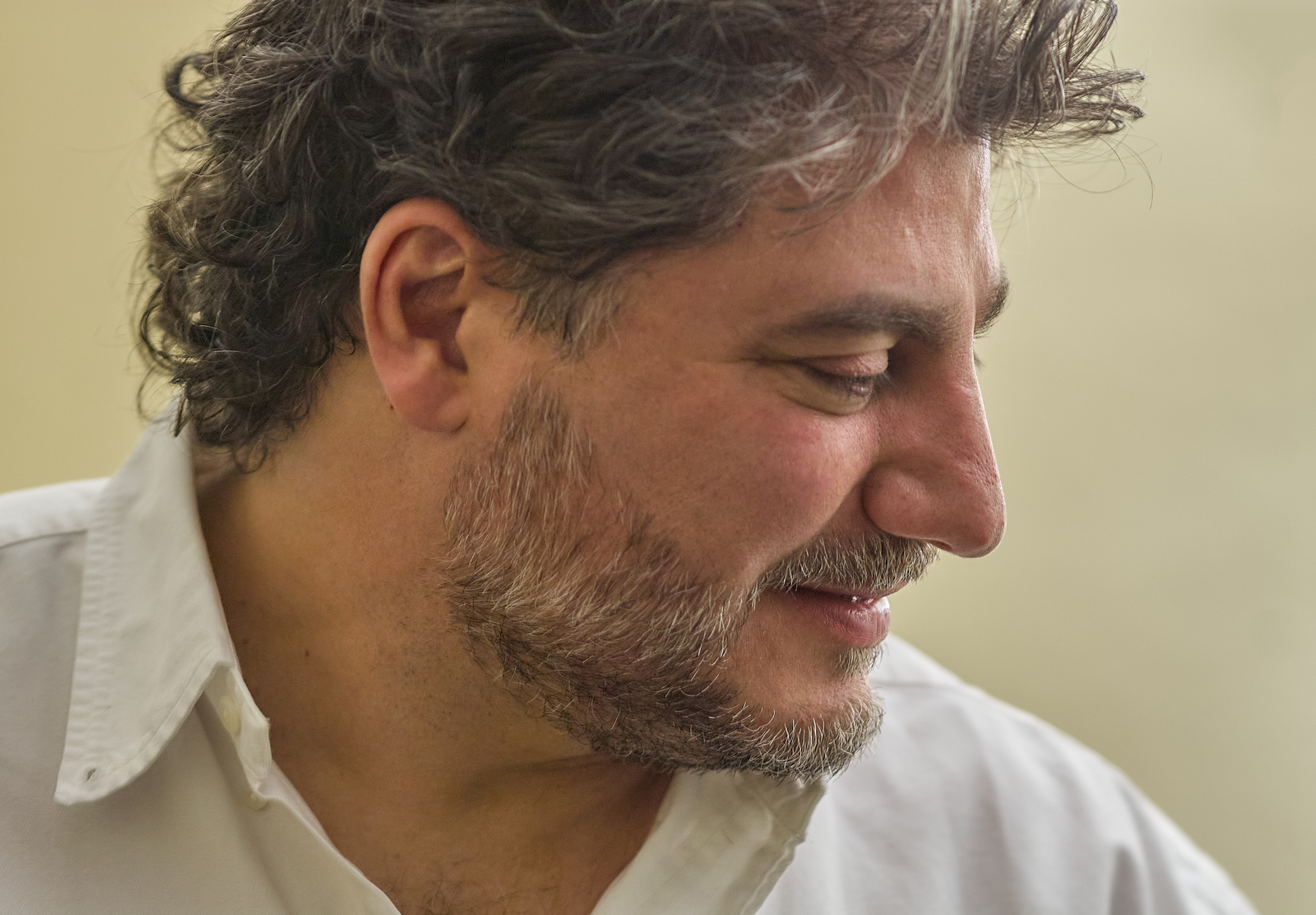
Manon Lescaut in Vienna By Kira and Deb One of us hated it with surprising passion; one of us thought it contained some intriguing concepts. One of us wanted to leave after the first act; the other wanted to see how the director pulled off the Louisiana desert death scene. But no matter how different our experiences in the seats, in the end we both agreed on one point: this opera was saved by the tenor. In spite of Puccini’s lush music it can be a little bit hard to love Manon Lescaut, an opera focused almost exclusively on the exquisite exceptionalism of ‘me.’ Every character is selfish, focused on whatever he or she wants: Manon wants riches, Des Grieux wants possession of another, Geronte wants the latest model of arm candy. Using selfishness as a predicate for destruction, even with the gloss of “love” to soften it, can result in a depressing evening. To balance the non-stop pursuit of me-me-me, a successful production needs to ensure that Manon’s youthful vivacity illuminates the role and her childlike innocence charms the audience; if not, humanity gets a little bit lost, the love story gets a little bit trampled, and the tragedy gets a little bit dulled. Without proper care, Manon the character becomes unlikeable and the tragedy droops and drags: without a beating heart, the opera never comes alive. The truth is that Manon Lescaut is a fragile masterpiece that easily shatters if a director fails to reveal the emotional core of the work. And that brings us to the 2010 production of Manon Lescaut mounted by the Vienna Opera. Robert Carson, the director, sought to tell a cautionary tale about modern materialism but instead buried the tragedy under the weight of his personal vision, electing to ignore the libretto when convenient—with some unintended humorous results. What was left was an earthbound and emotionally flat production. Carsen’s bleak vision focused with laser-like cruelty on women who accept offers of a better life from lecherous men but ignored the process by which those men gain wealth and status: men may steal, men may cheat, men may even kill all in the name of power and money, but women are made to suffer for attempting to climb the social ladder. On the other hand, men of lower power status, like Des Grieux, may be all swagger and judgment but ultimately ineffectual: Des Grieux can’t save Manon from rape or public humiliation or even death. In the end, he strips Manon of her last bit of glitter as she dies in childish perversion. There is no catharsis. Olga Guryakova as Manon never channeled an impressionable, volatile teenager or a young woman discovering first love—perhaps hers is just too dark and robust an instrument. As an actress, she seemed self-involved, never convincing in her scenes with Des Grieux. Geronte, a somewhat pathetic, farcical (if lecherous) character in Puccini’s text, is portrayed with differential demeanor by Sorin Coliban. He employed his bass with ease but bland sameness throughout the opera, failing to add any shade of malice in his tone even as he oversaw murder, conducted rape, and threatened worse. In Carson’s reworking, he also became the captain of the ship that should have taken Manon and Des Grieux to the States, though there was no reason why a man who had his assistant killed for little reason would show sudden pity. That leaves Renato Des Grieux. José Cura, musician, actor and tenor in one professional package, was given an impossible task: make a naturally charismatic, commanding individual into a flailing, ineffectual sop who gets everything wrong and proves to be something of a cringe-worthy coward. That said, there is little that Cura can do to dim his artistic lights and in general (with a rave moment here or there of seeming apathy) generally carried an opera that should by rights belong to the soprano. The Vienna Opera House needed José Cura in this opera to keep it from sinking completely. Thank goodness they had him. Still, in the end Carson purposefully shatters the work. Des Grieux, the black, stalwart picture of anti-consumerism, has led Manon to the center of consumerism—a shopping mall—and refuses to quench Manon’s thirst—or, if you will, to provide her with a consumer fix that will give her life. When he sees her in a sparkling tinsel necklace he pulls it from her neck, an act of cruelty. In the end, Dess Grieux allowed Manon to die rather than give her a ‘fix’ and risk having to share her once more with the world—a complete perversion of Puccini. Robert Carsen once said, "Opera itself is a mixture of head and heart. You have the words which are maybe more intellectually based—they have a more concrete quality—and you have the music that is more emotional. The two together create a tension that allows opera, when it works, to be unbelievably satisfying because you're challenged mentally while, at the same time, being fulfilled emotionally." Sadly, in this case Carsen doesn’t live up to his own standards, denying us both the intellectual truth of the lyrics he ignores and the emotional sway of the music he misuses. Shame on him, but much applause for those brave singing actors who did their best bring some of Puccini’s humanity into Carsen’s sterile tale of greed and corruption. |
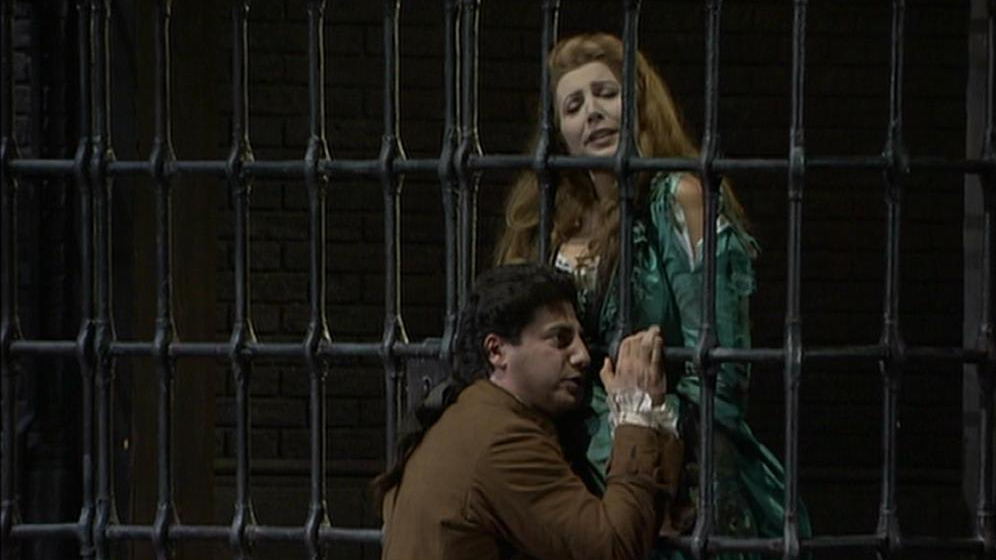
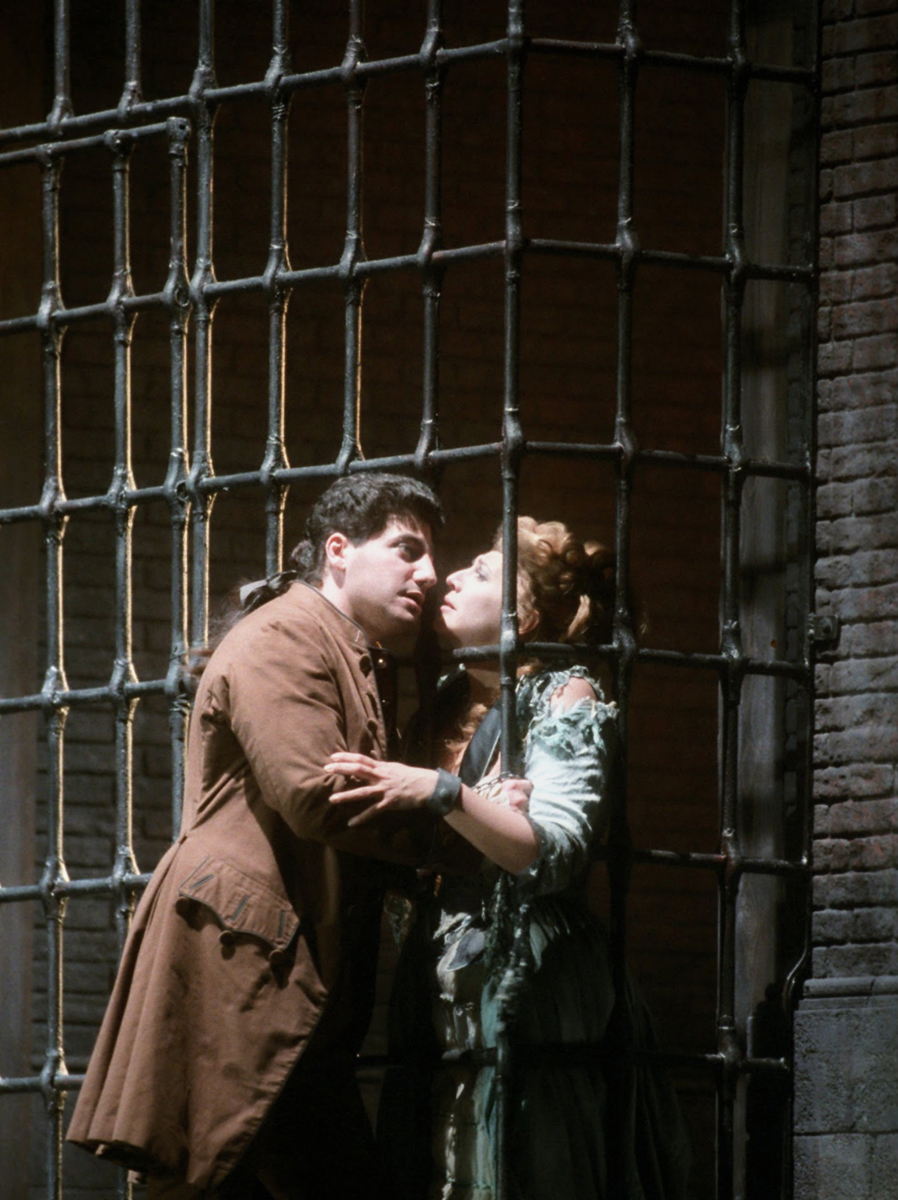
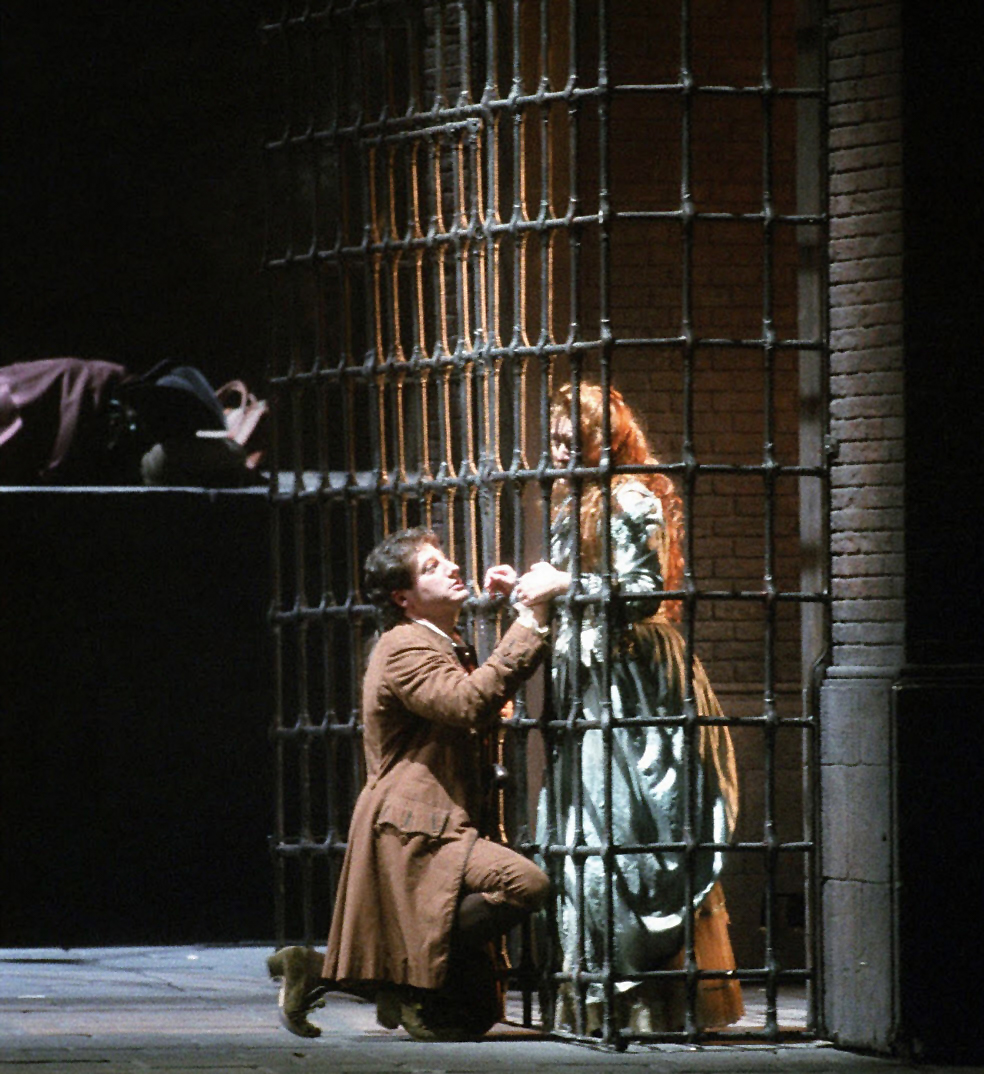
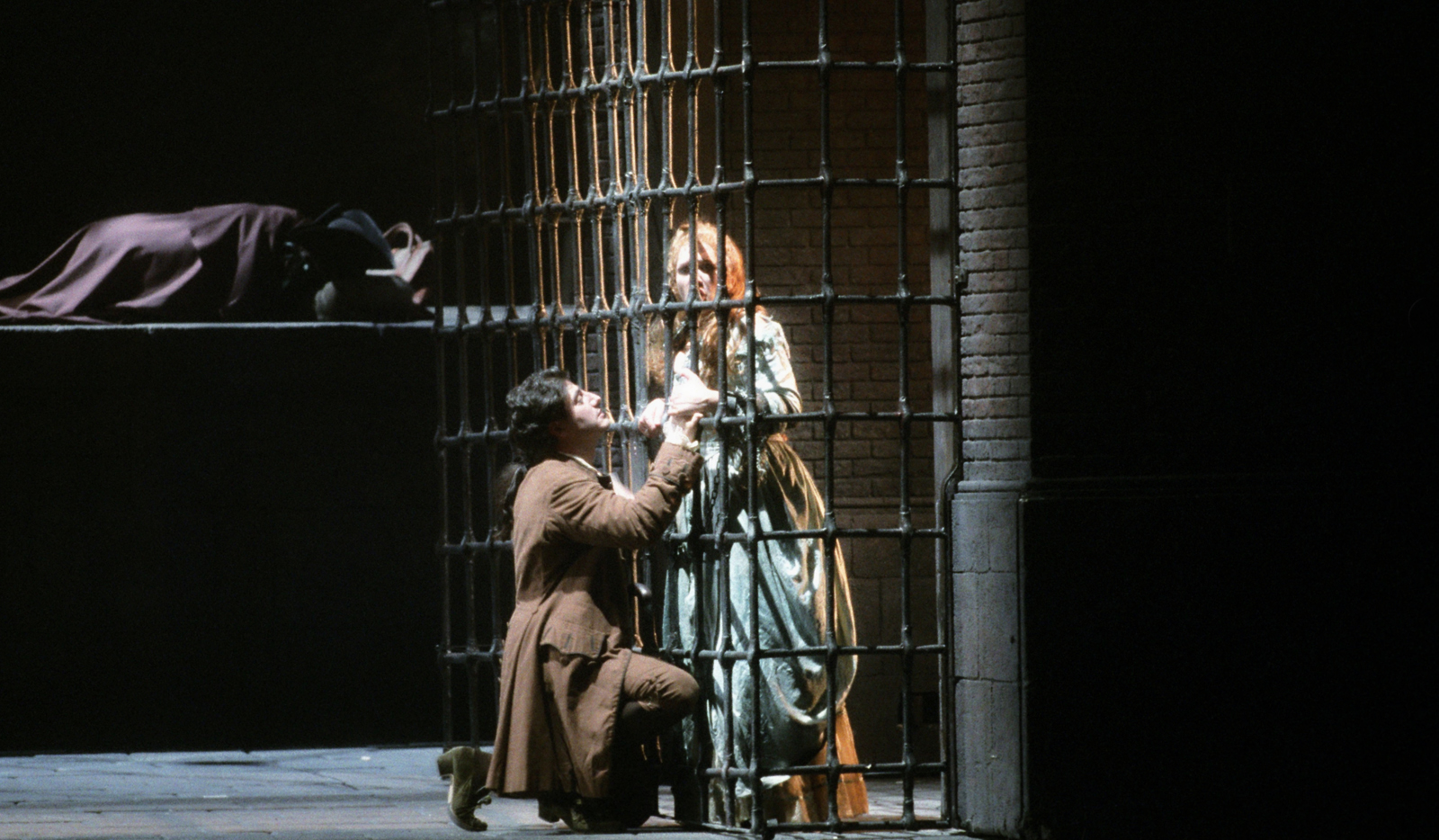
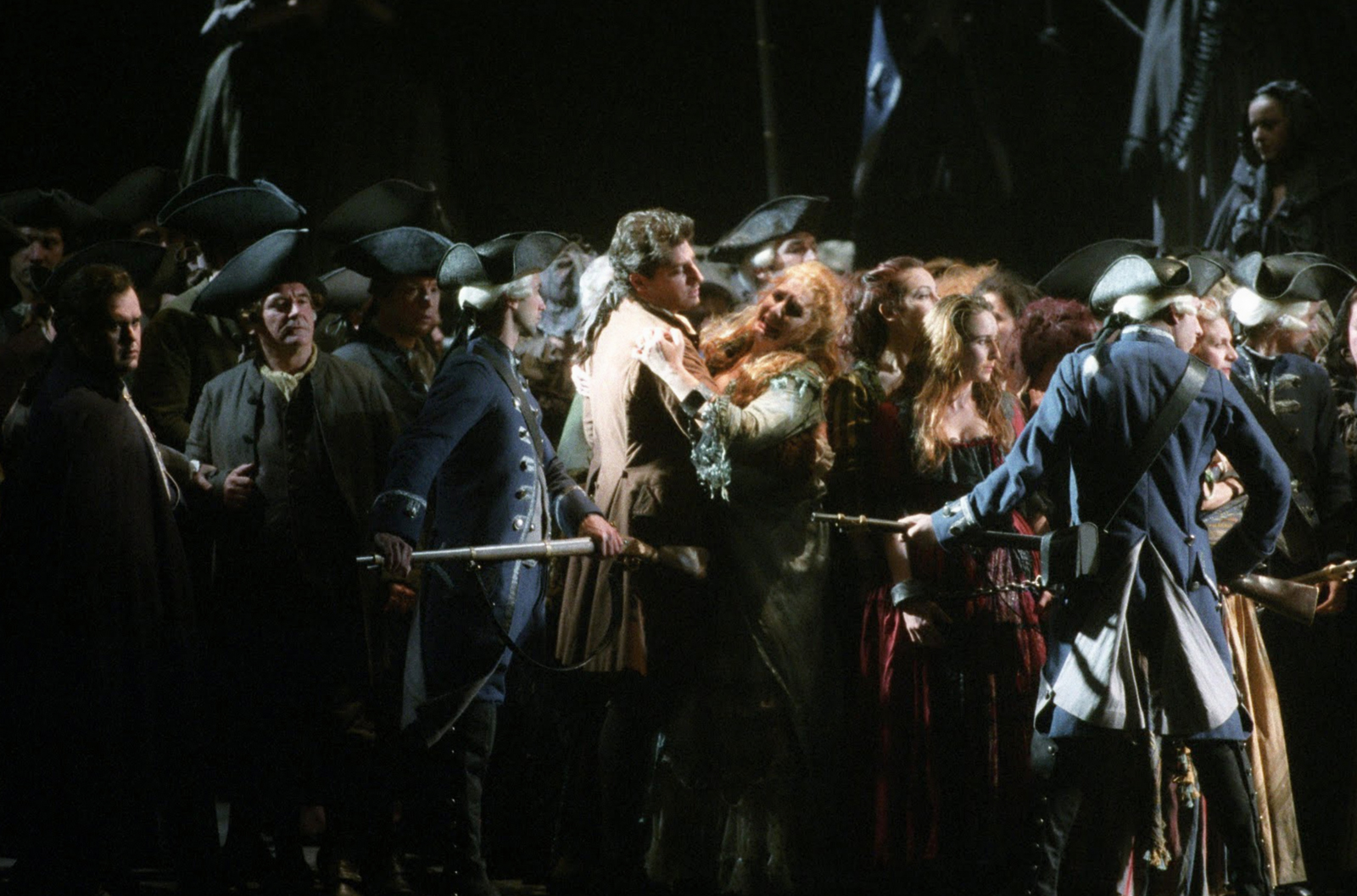
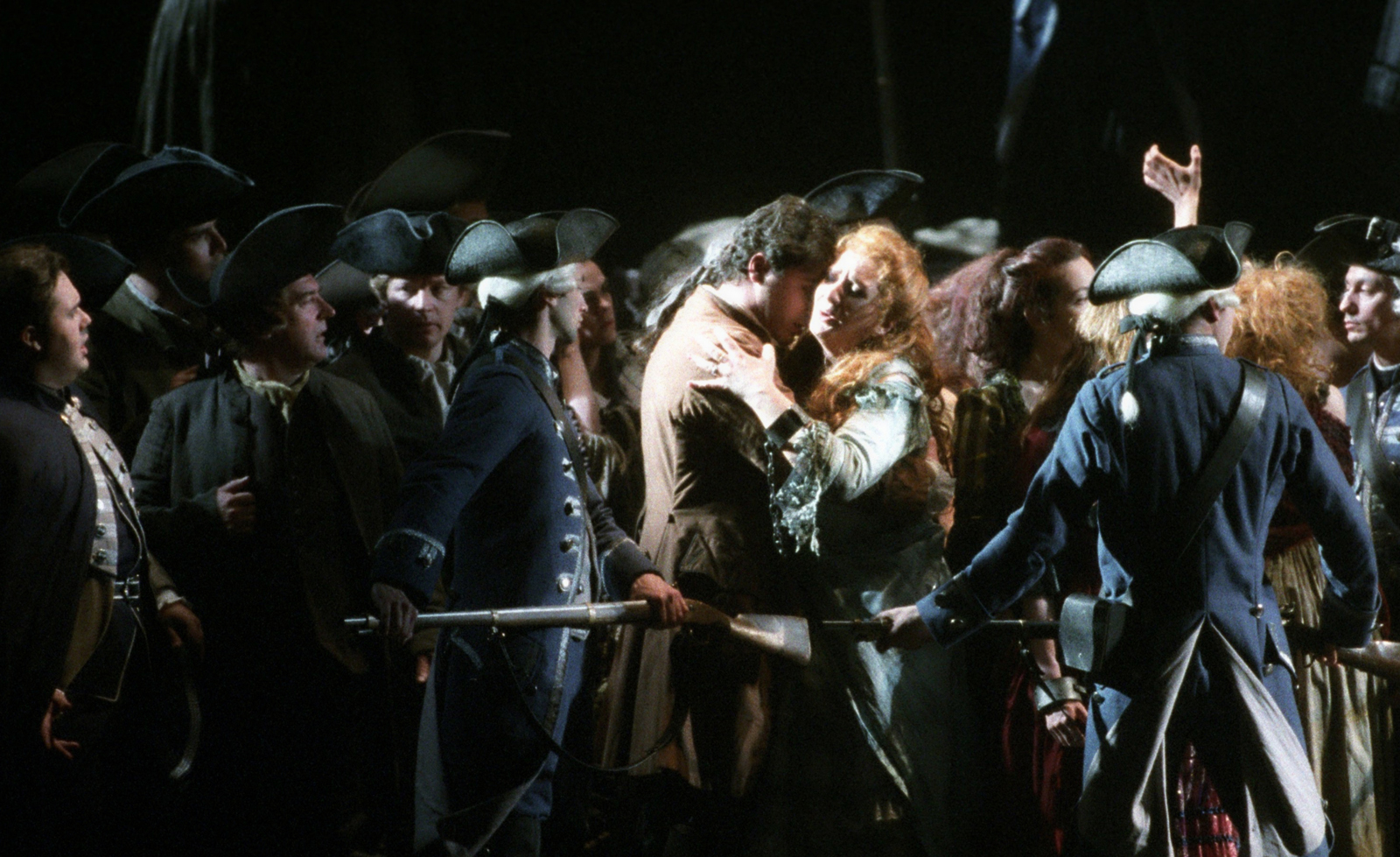
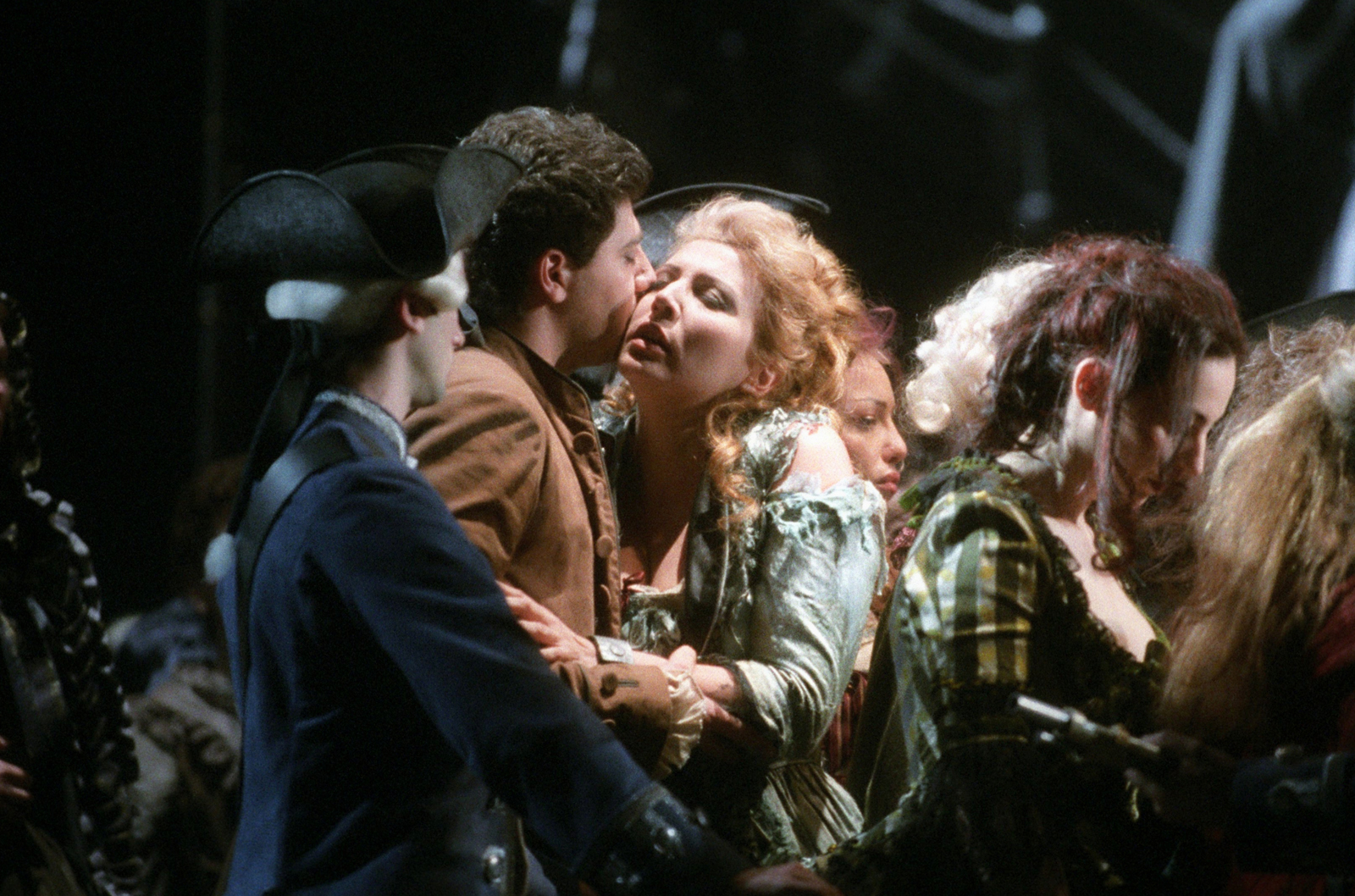
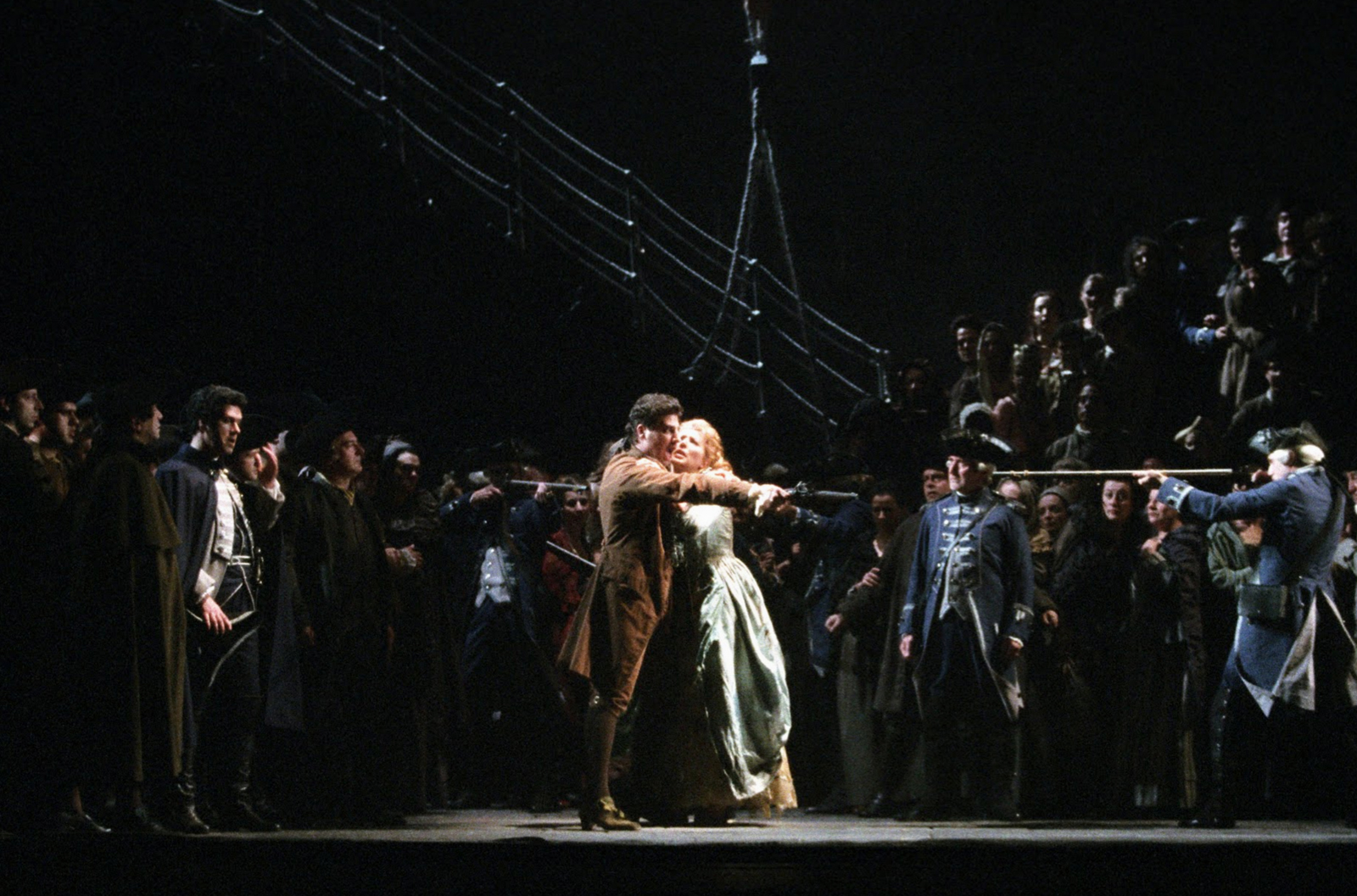
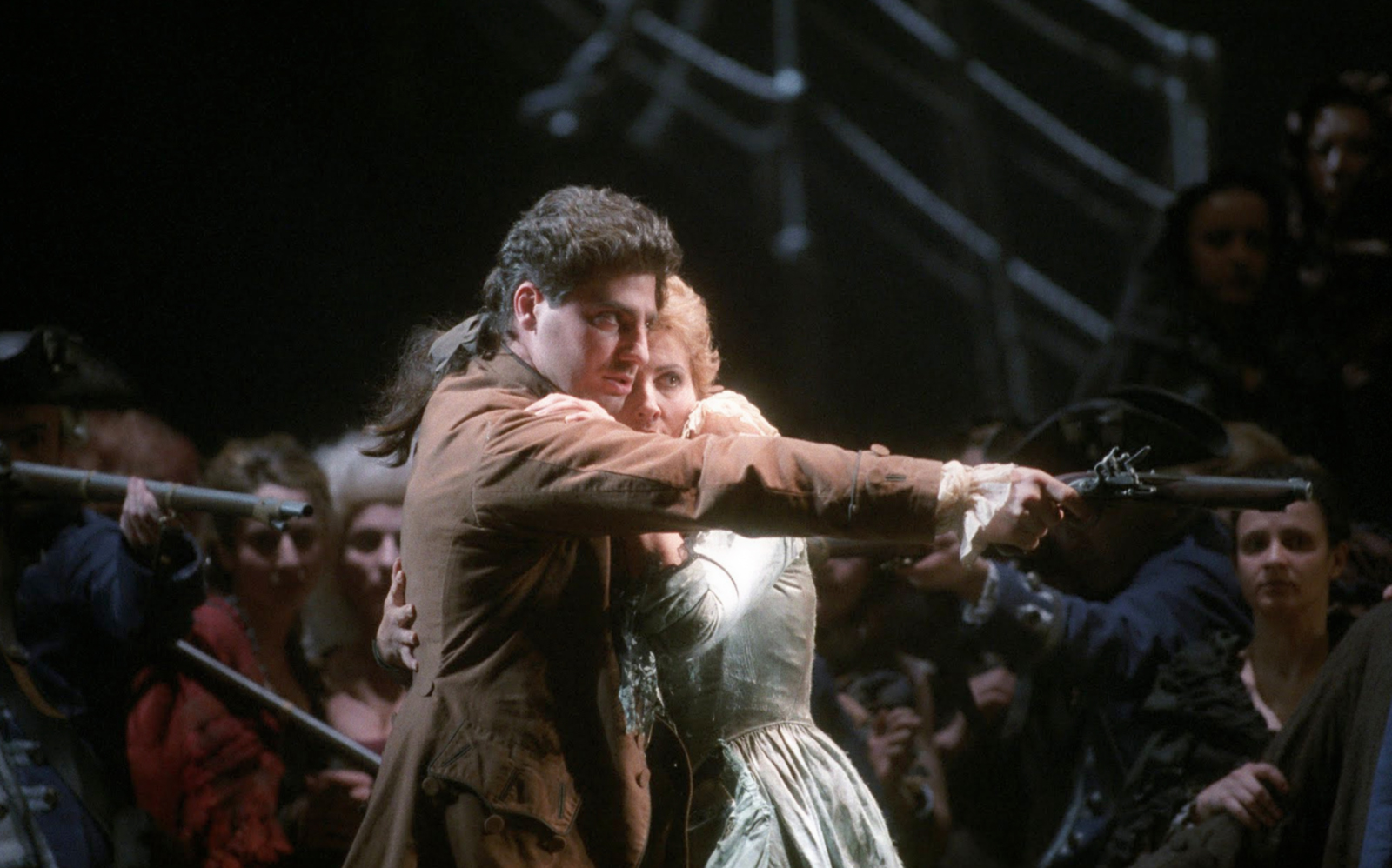
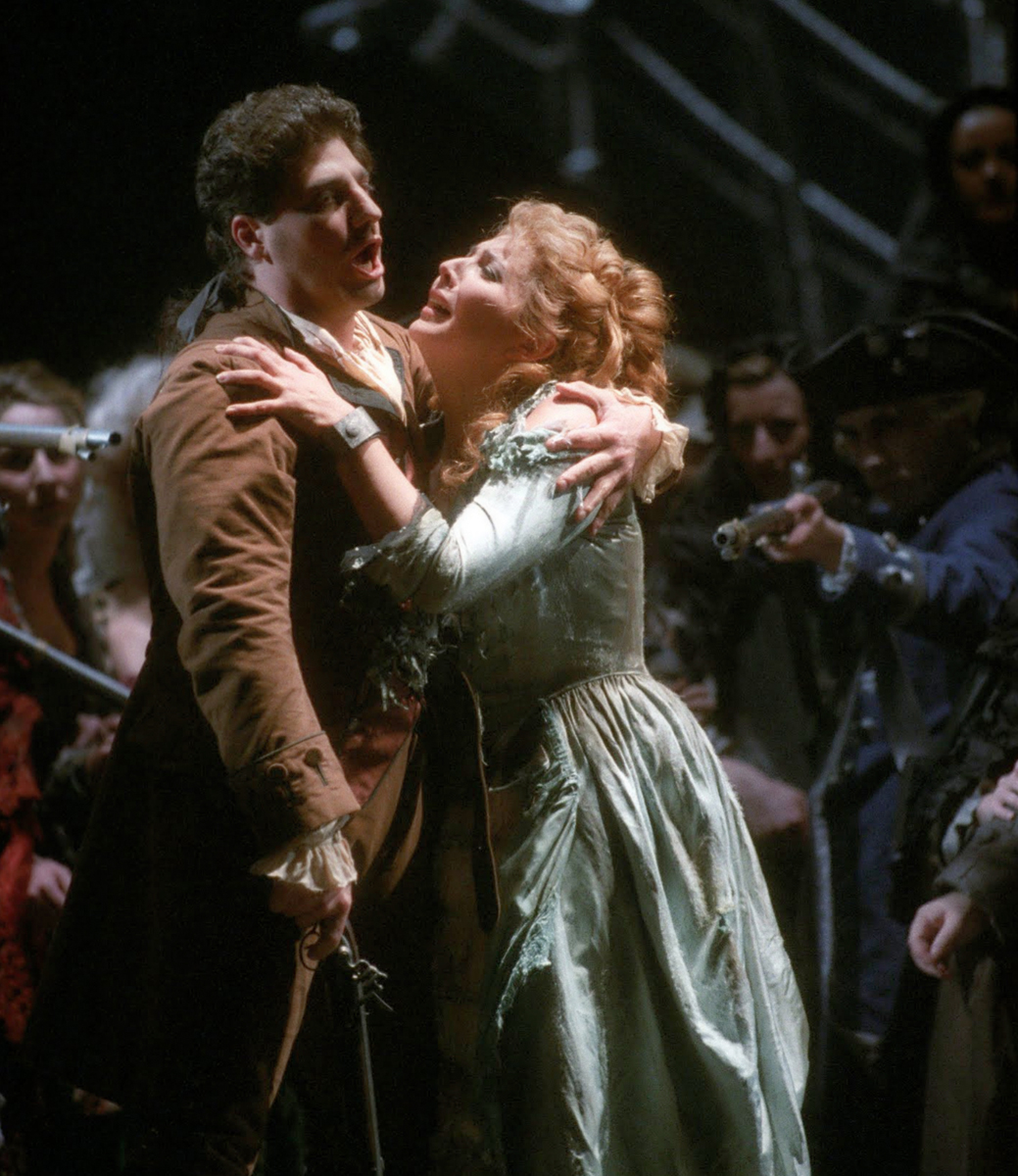
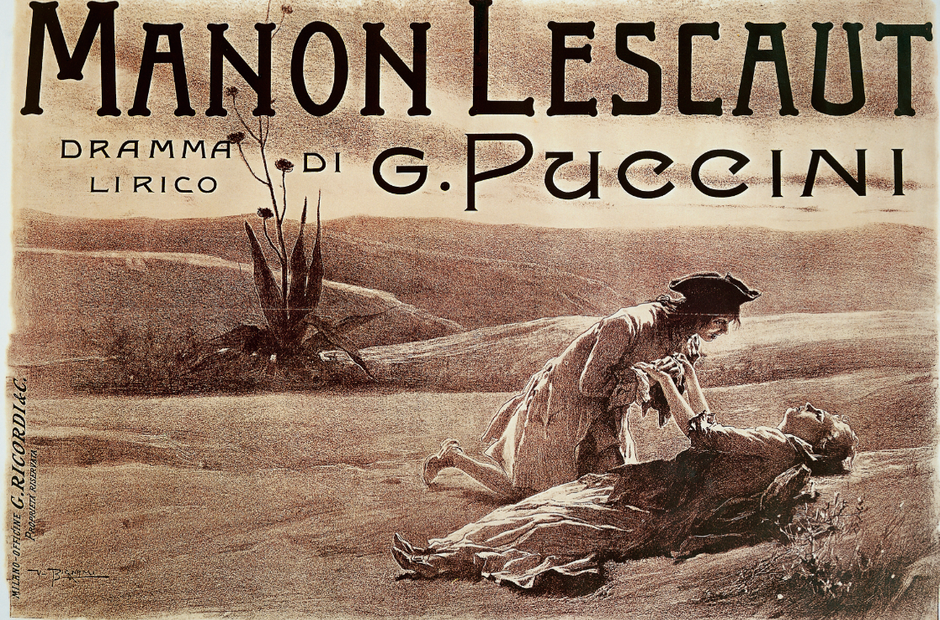
Manon Lescaut - Milan 1998
|
|
|
Reviews from 1998 Manon Lescaut
|
|
|
|
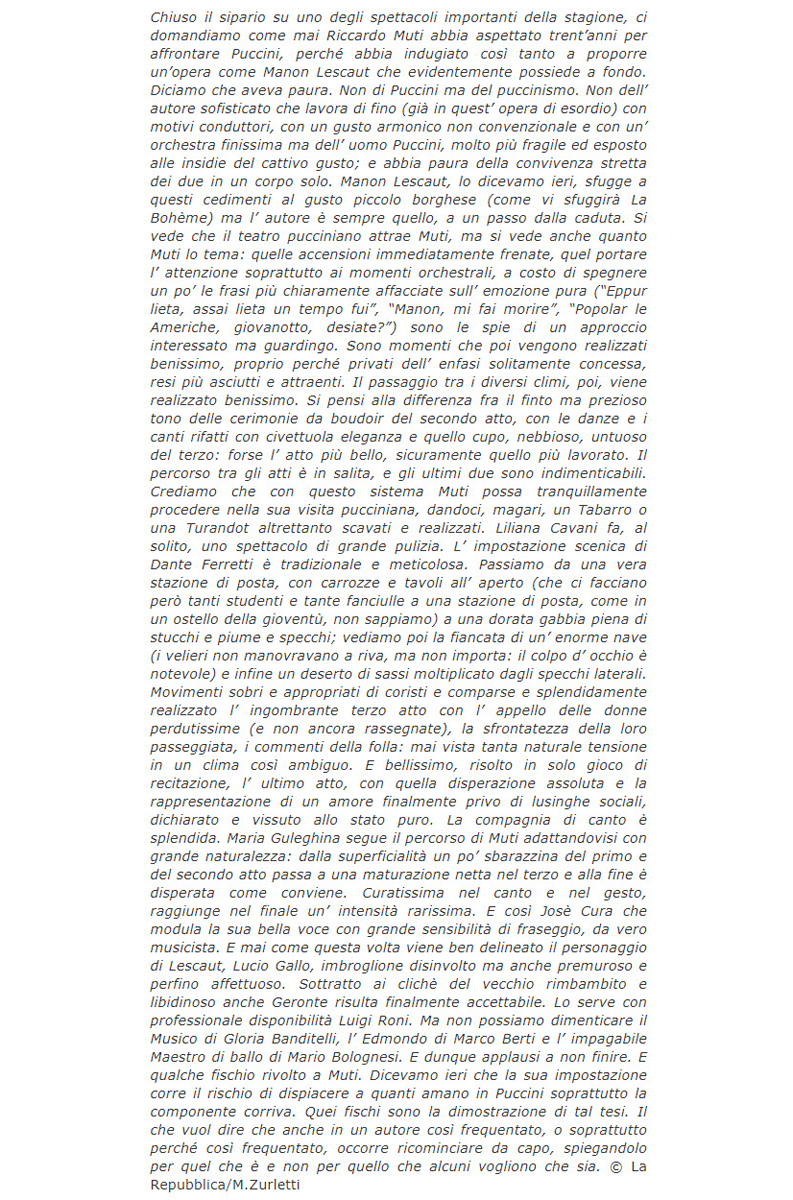
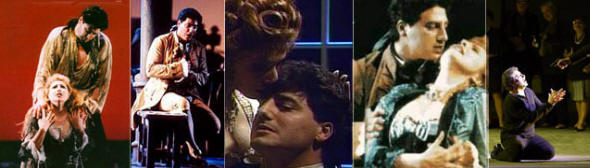
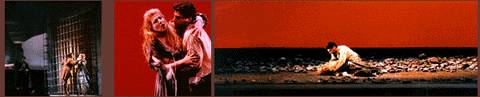
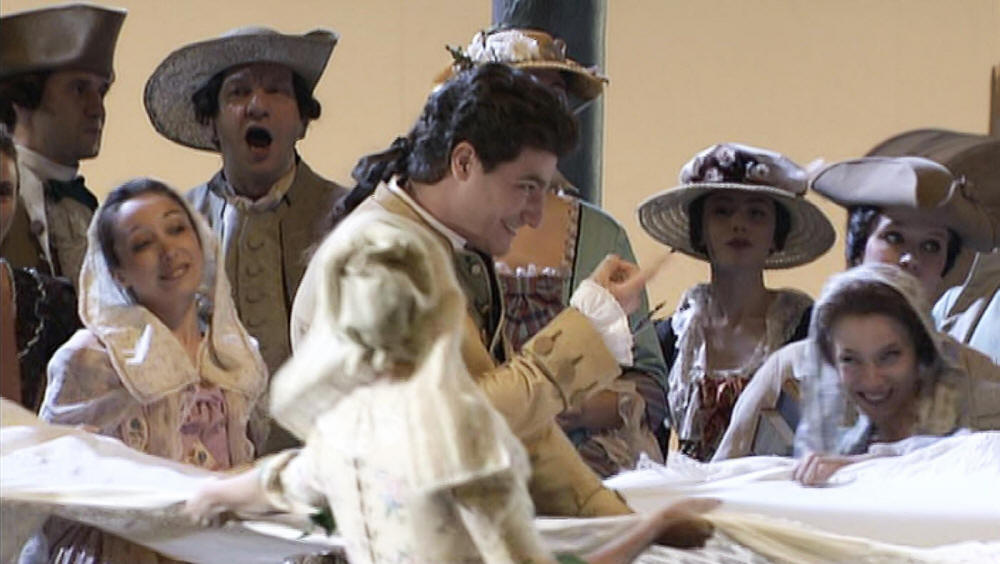
|
Cura has never
shied away from the most demanding and taxing of Verdi, Puccini
and Verismo materials, nor from roles such as Des Grieux (from
Manon Lescaut) that are normally considered beyond
his heroic-dark range with their extremely high tessituras--a point
in which he differs from [other singers]
Eckhard Henscheid,
2004 |
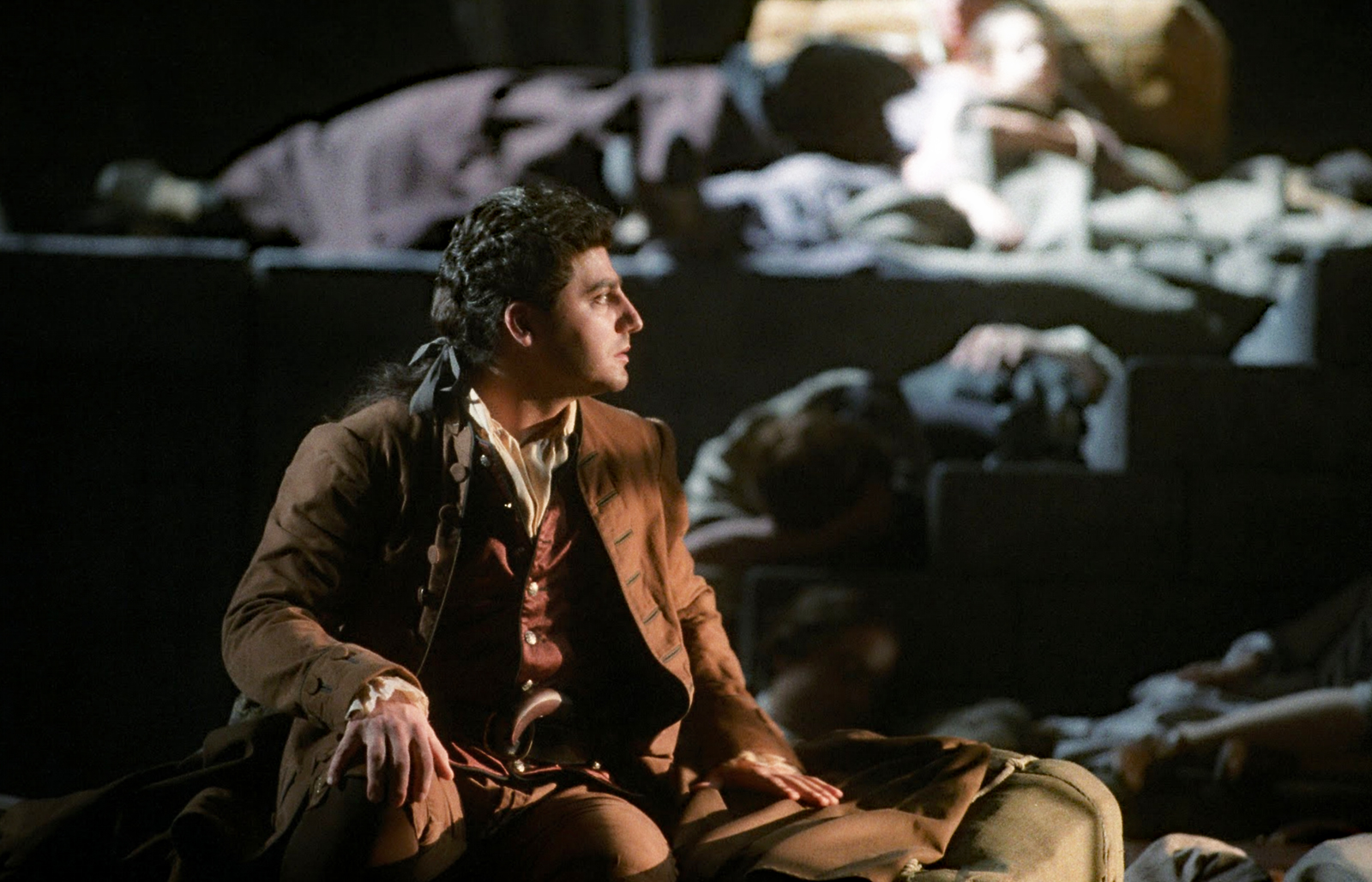
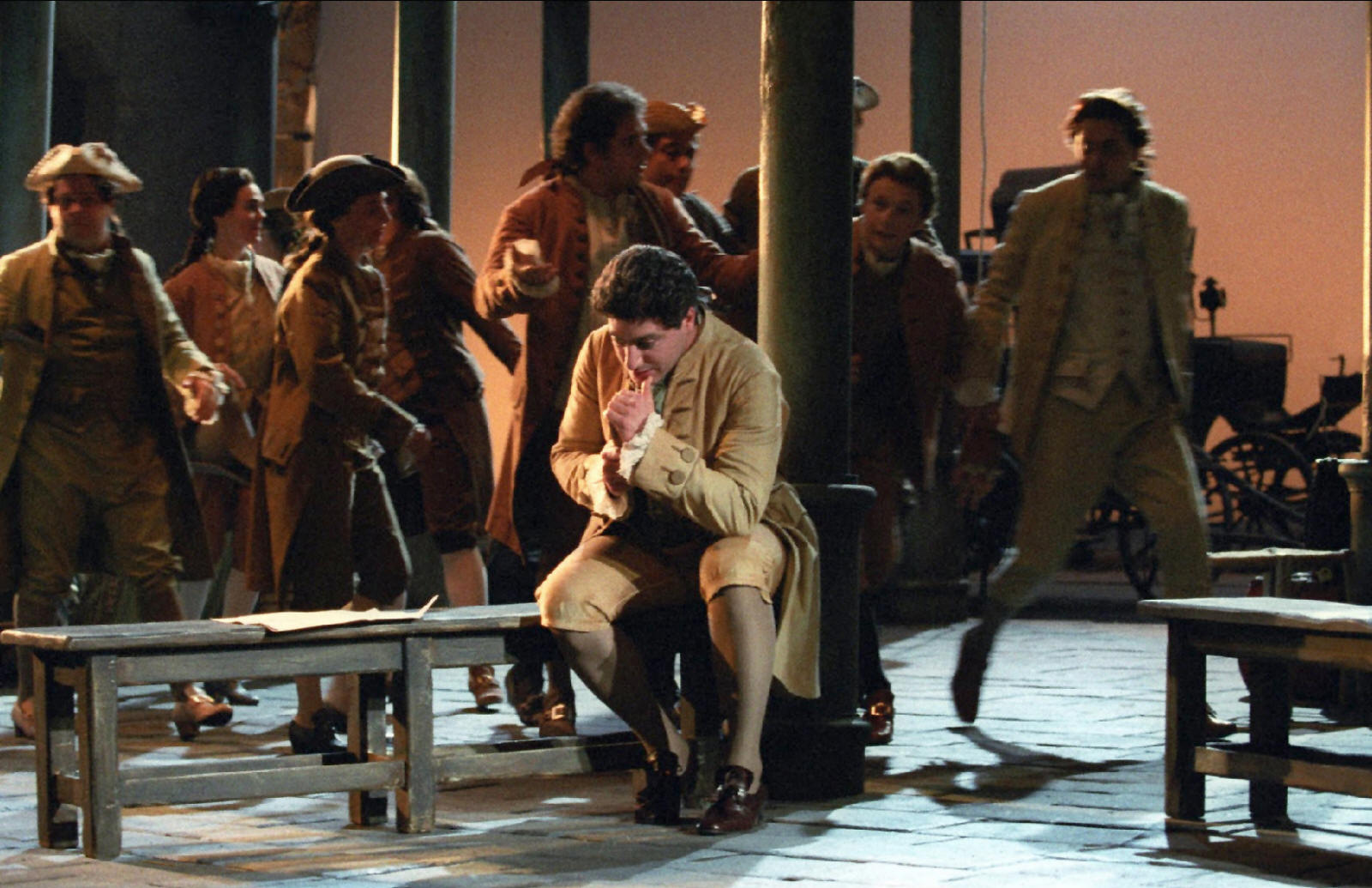
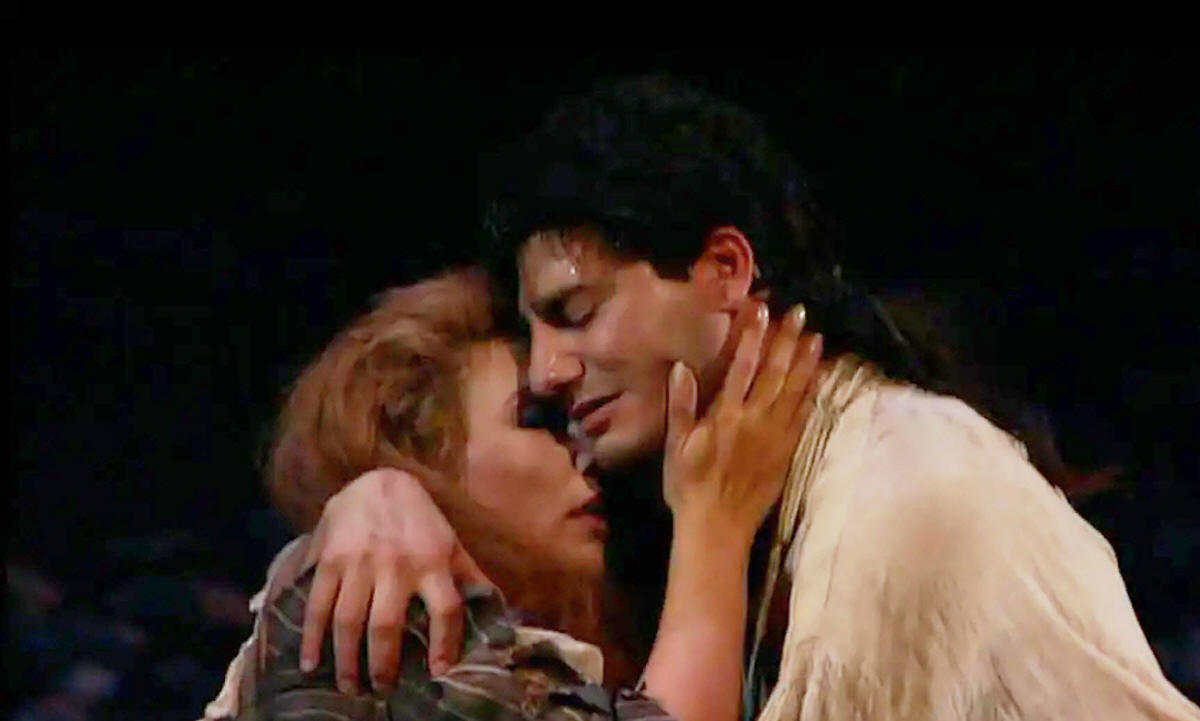
| The gravitational centre where my voice happily floats is a few tones deeper. Calaf's voice is very high-pitched and to interpret him I had to use certain skilful devices. I tried to make the sounds less deep and more radiant and bright, more direct, clearer, a little like the sounds I used for Manrico in Il Trovatore or for Des Grieux in Manon Lescaut at Teatro alla Scala in 1998. Interview for Arena di Verona
|
|
|
|
Note: This is a machine-based translation. We offer it only a a general guide but it should not be considered definitive.
The Passion and Despair of Giacomo Puccini
ROL July 14, 2006
[Excerpt]
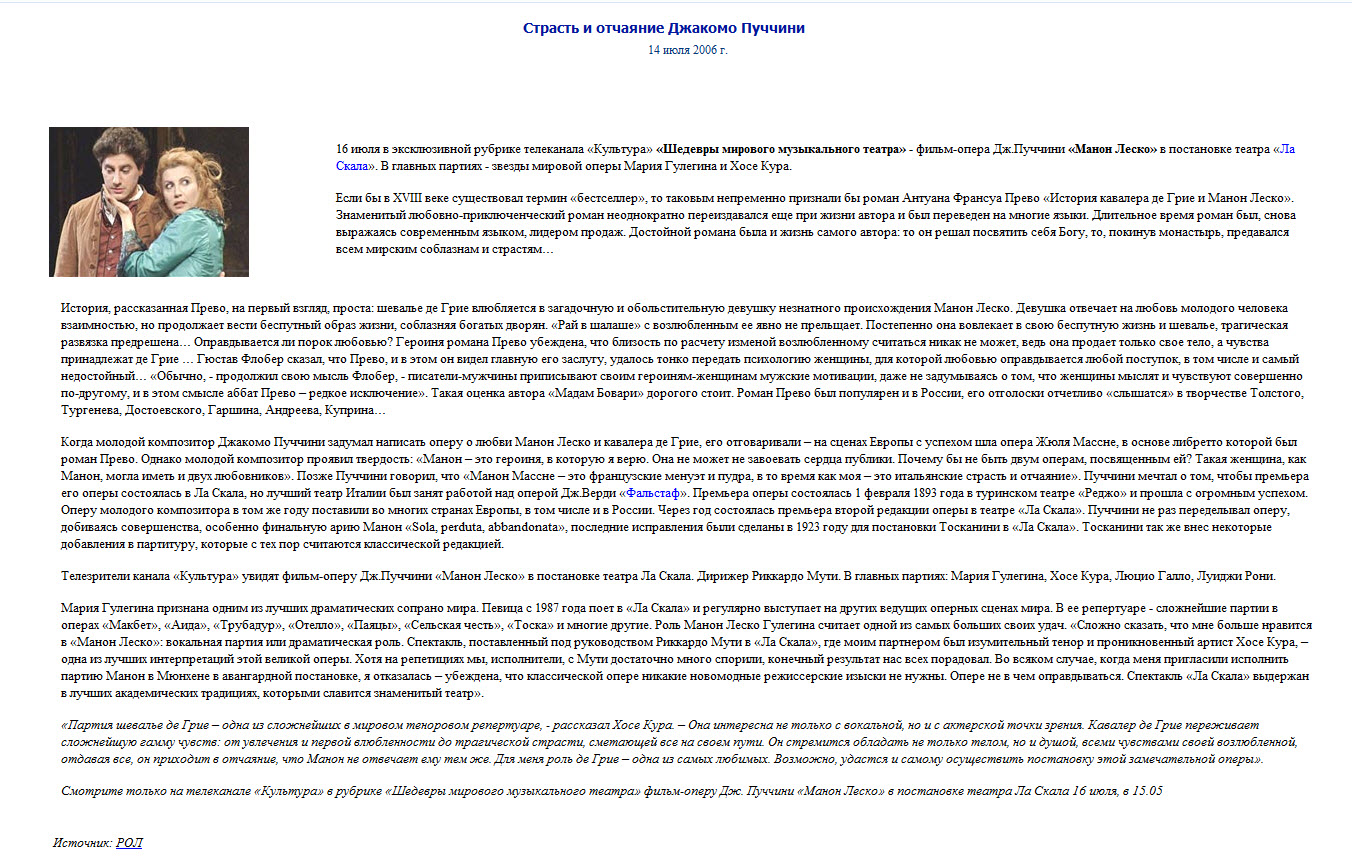
The story told by Prevost, at first glance, is simple: the Chevalier des Grieux falls in love with the mysterious and seductive girl of common origin, Manon Lescaut. The girl reciprocates the love of the young man, but continues to lead a dissolute lifestyle, seducing wealthy nobles. A “paradise in a hut” with her beloved clearly does not appeal to her. Gradually she involves the chevalier in her dissolute life, the tragic outcome is predetermined. Is vice justified by love? The heroine of Prevost’s novel is convinced that calculated intimacy cannot be considered a betrayal of her beloved, because she sells only her body while her feelings belong only to des Grieux ...
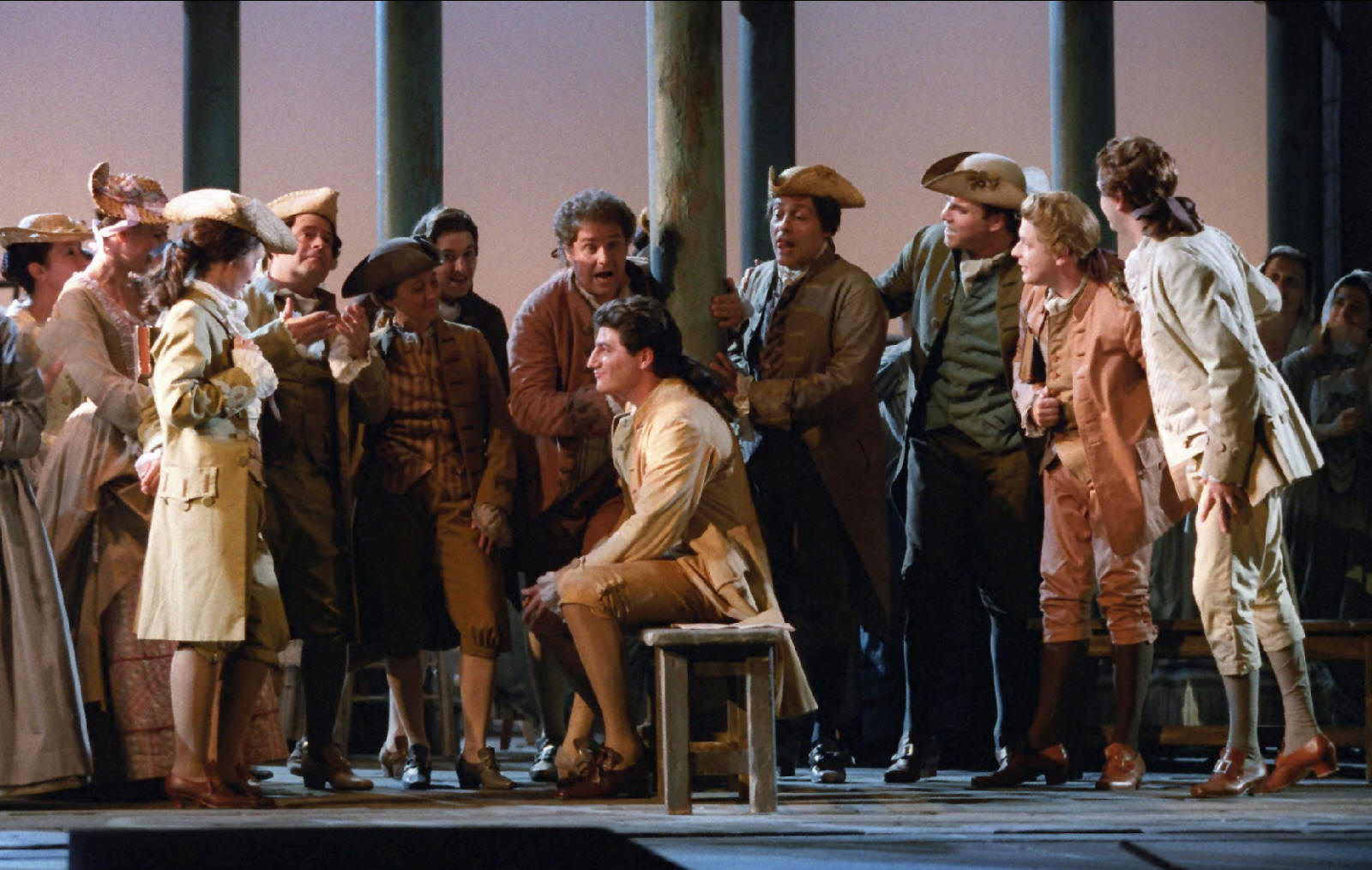
When the young composer Giacomo Puccini decided to write an opera about the love of Manon Lescaut and the Chevalier des Grieux, he was discouraged - Jules Massenet's opera, the libretto of which was also based on Prevost’s novel, was being performed successfully across the stages of Europe. However, the young composer showed firmness: “Manon is a heroine I believe in. She cannot but win the hearts of the public. Why not have two operas dedicated to her? A woman like Manon can have two lovers." Later, Puccini said that "Massenet’s Manon is French minuet and powder, while mine is Italian passion and despair." The premiere of the opera took place on 1 February 1893 at the Reggio Theater in Turin and was a great success. The young composer's opera was subsequently staged in many European countries in the same year, including Russia. A year later, the premiere of the second version of the opera took place at the Teatro alla Scala. Puccini continually reworked the opera, achieving perfection, especially with Manon’s final aria Sola, perduta, abbandonata; the last corrections were made in 1923 for Toscanini's production at La Scala. Toscanini also made some additions to the score, which have since become a classic edition.
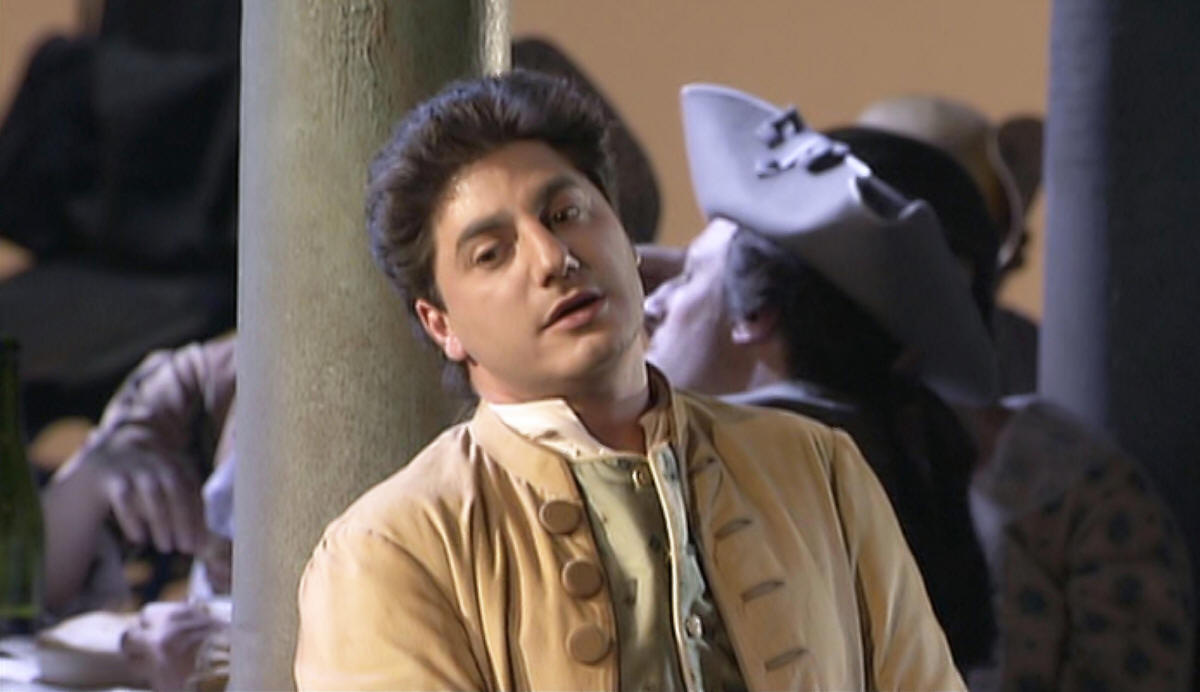
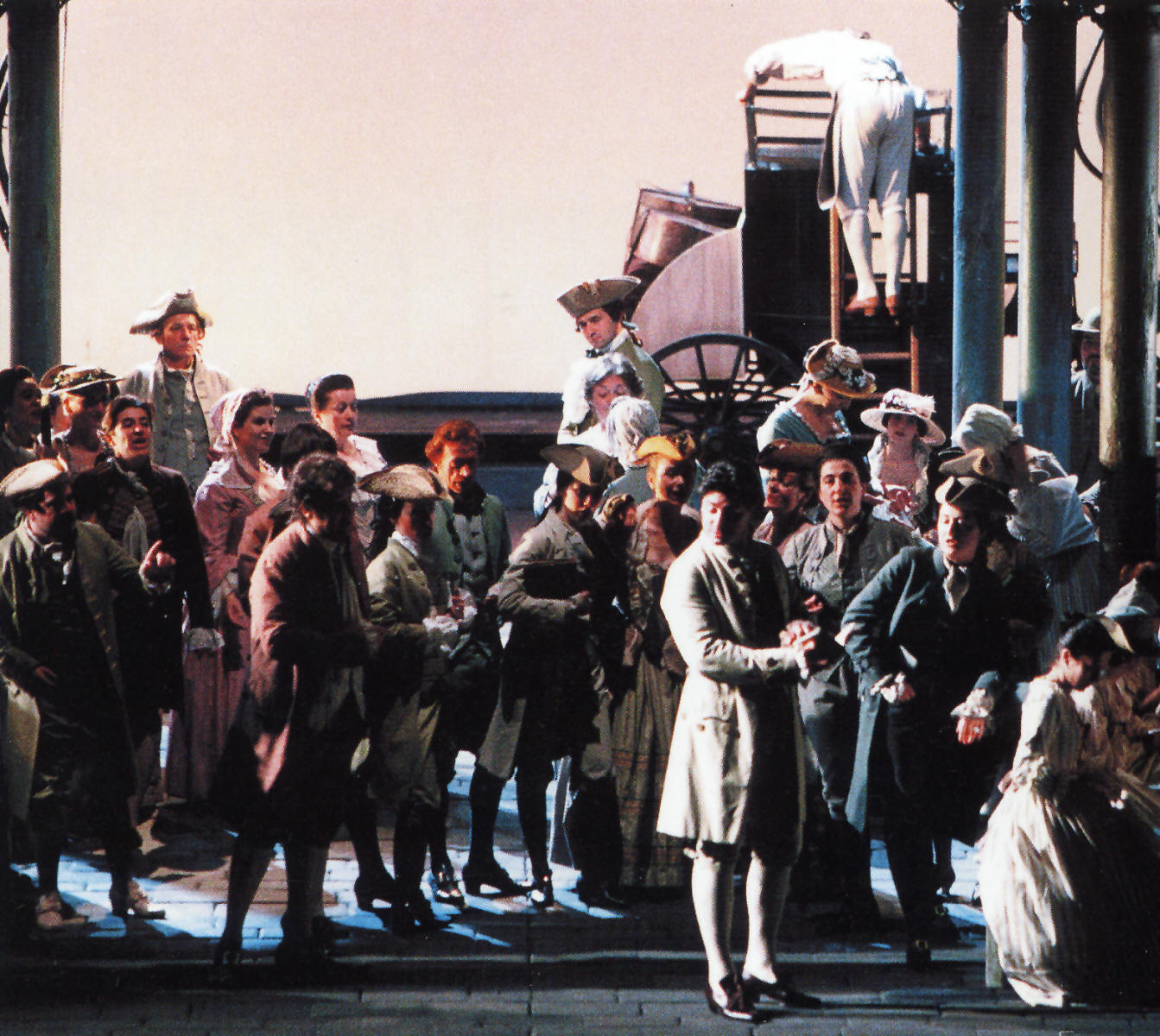
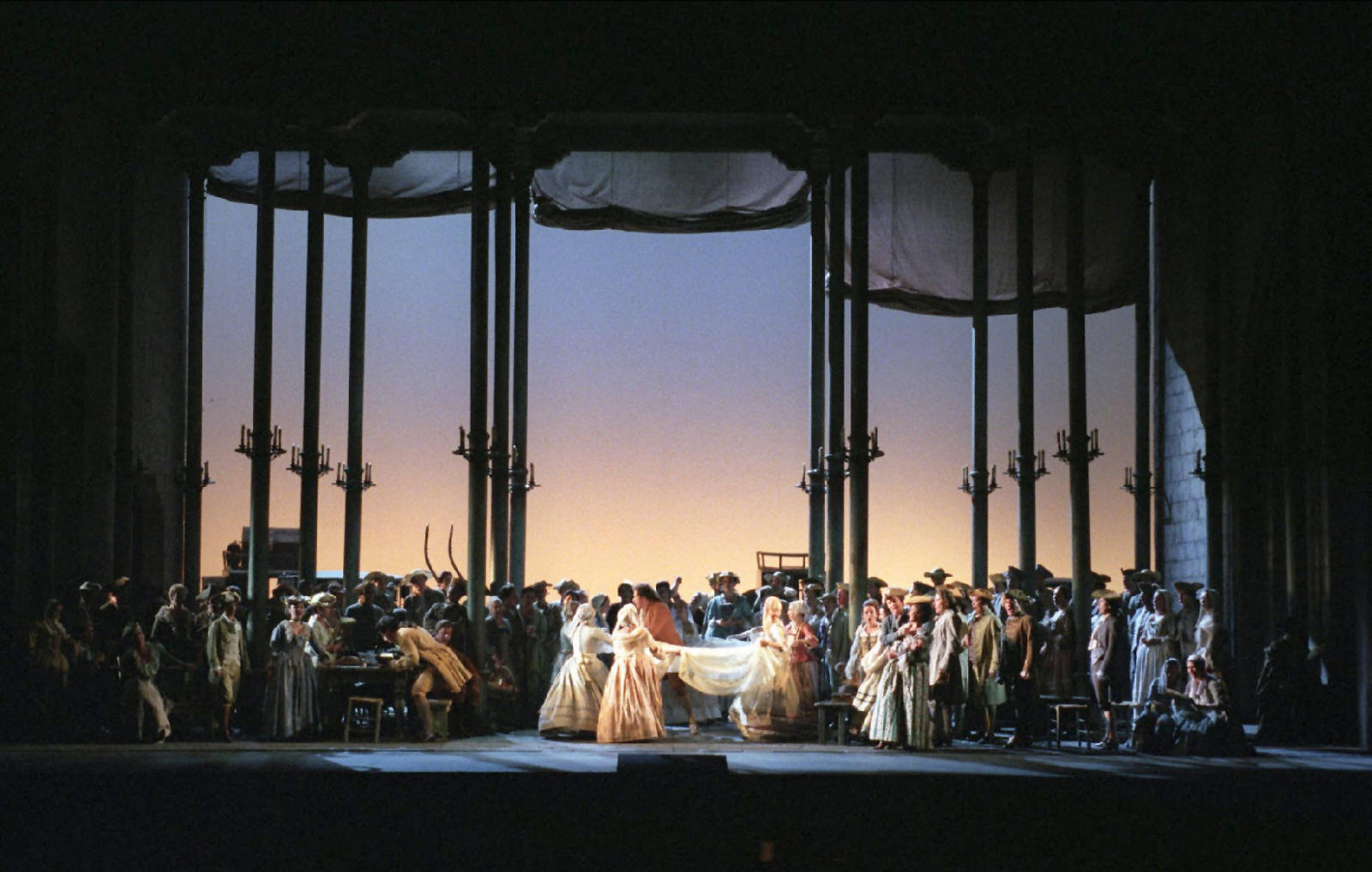
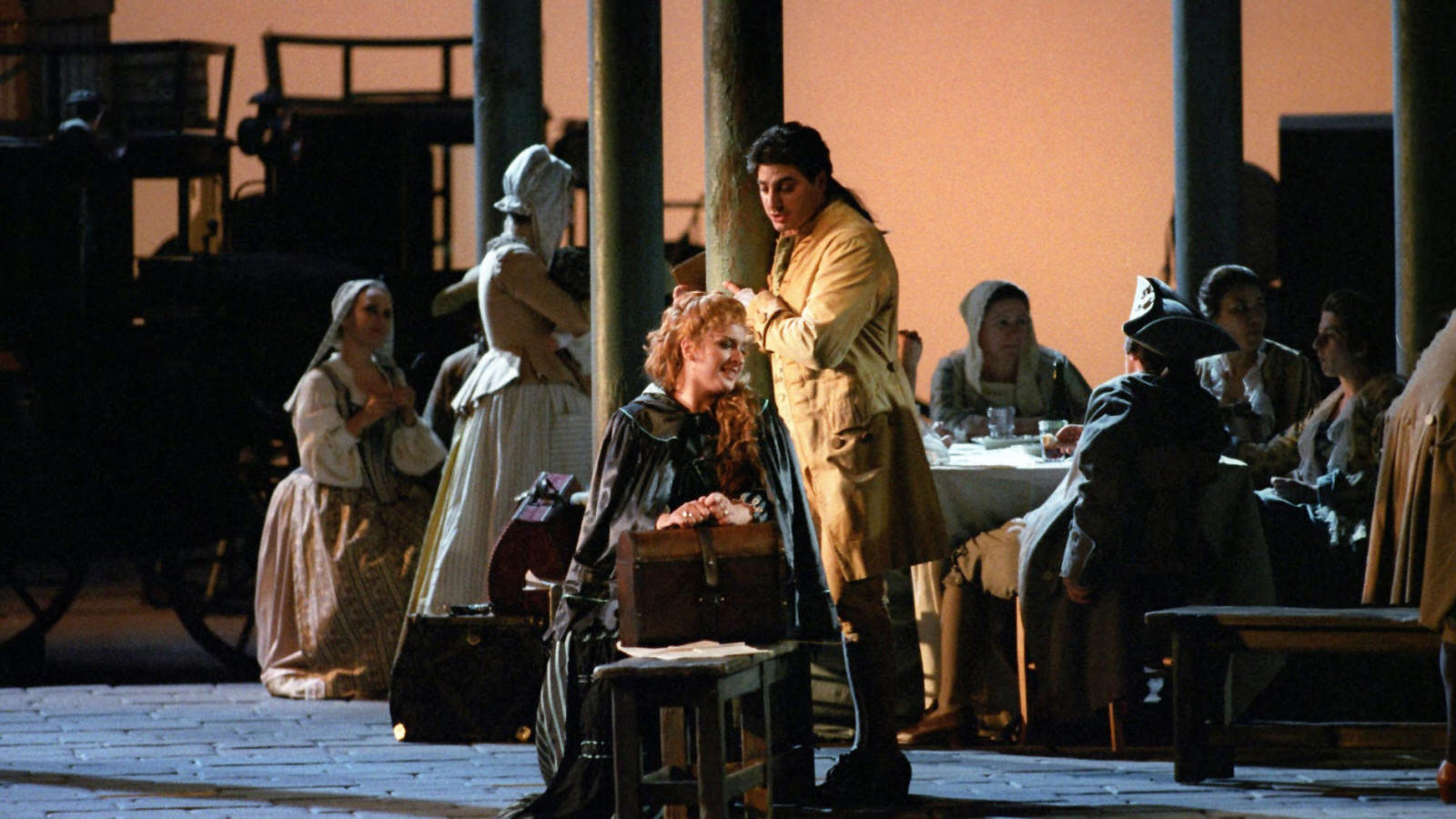
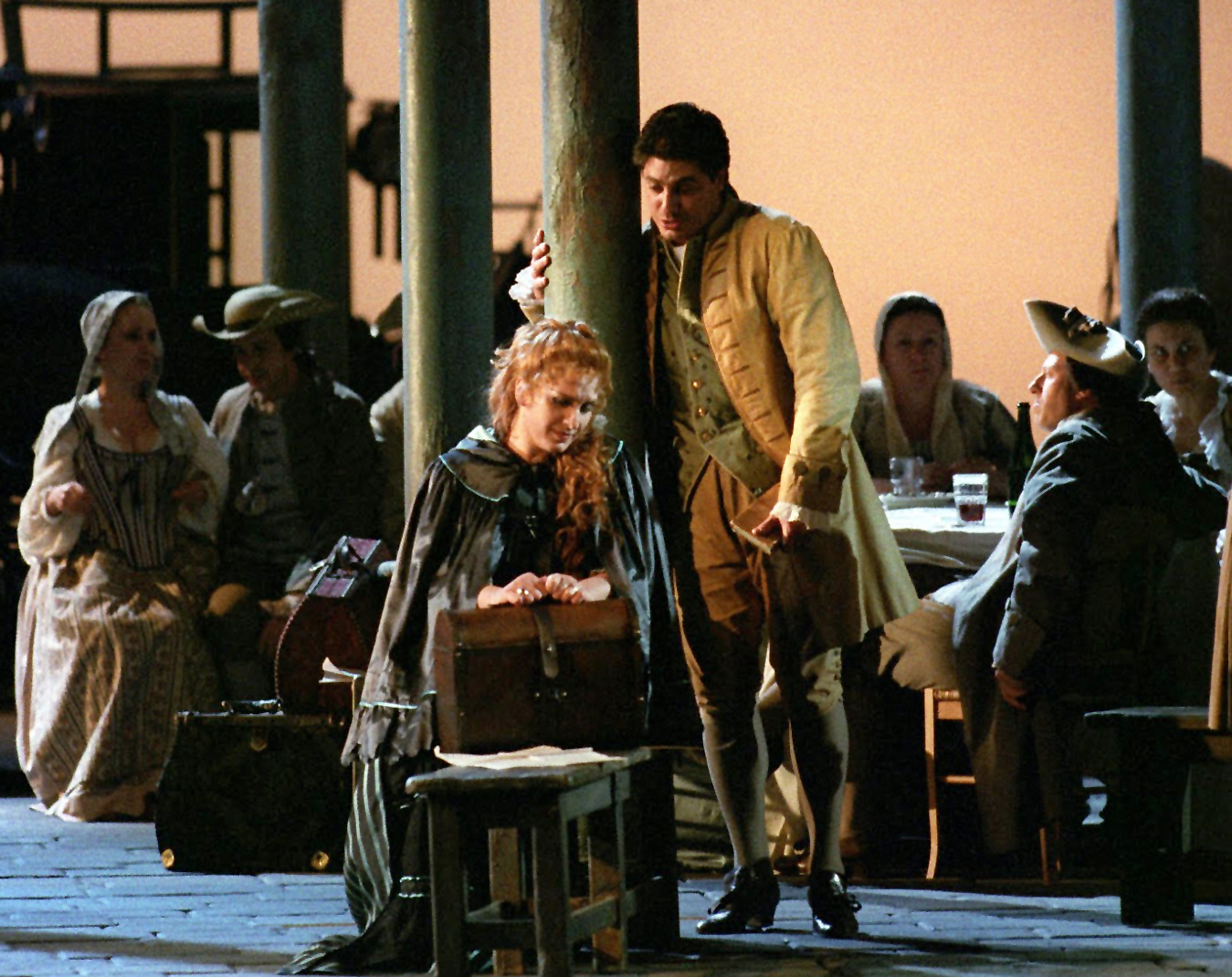
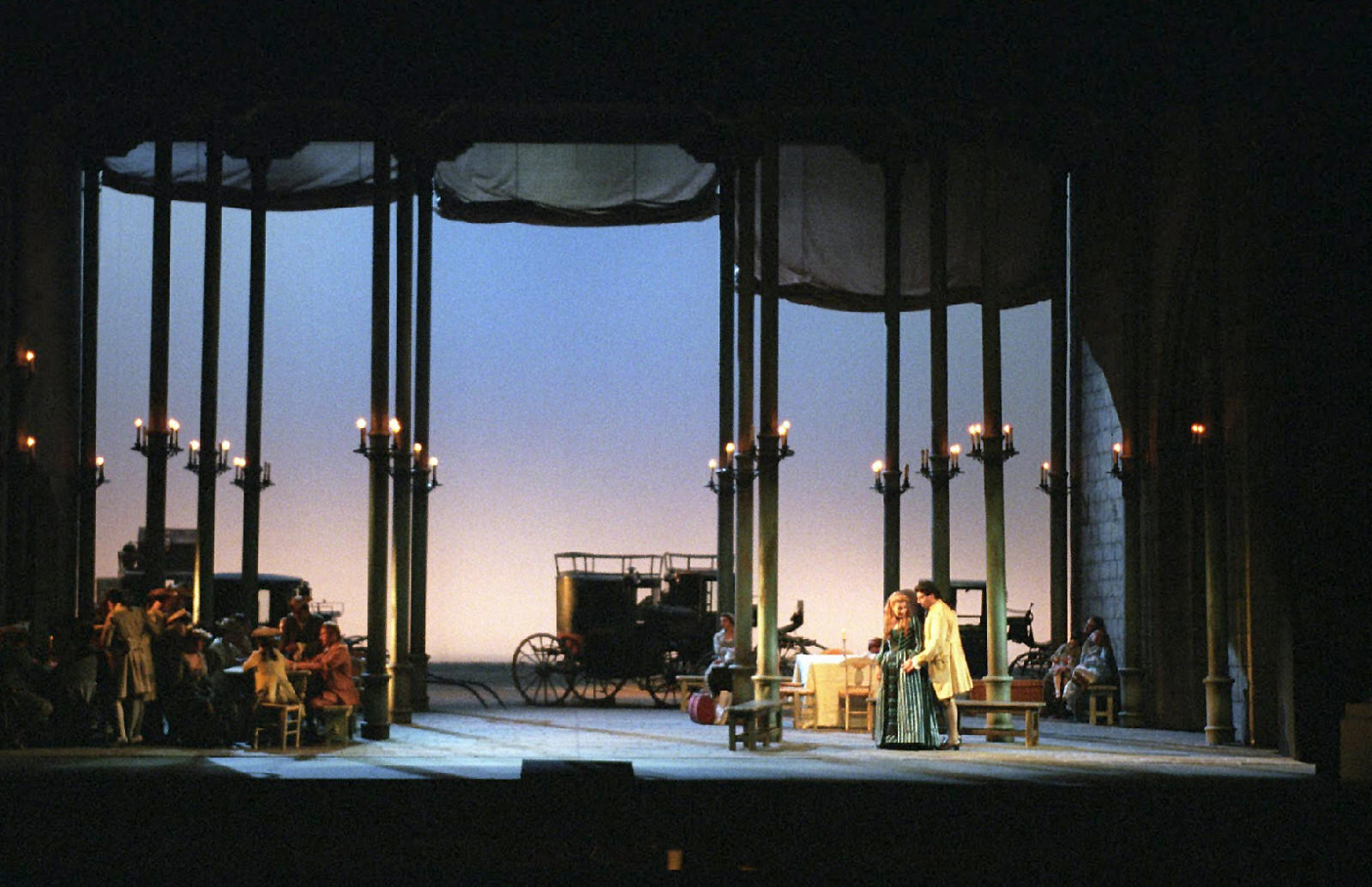
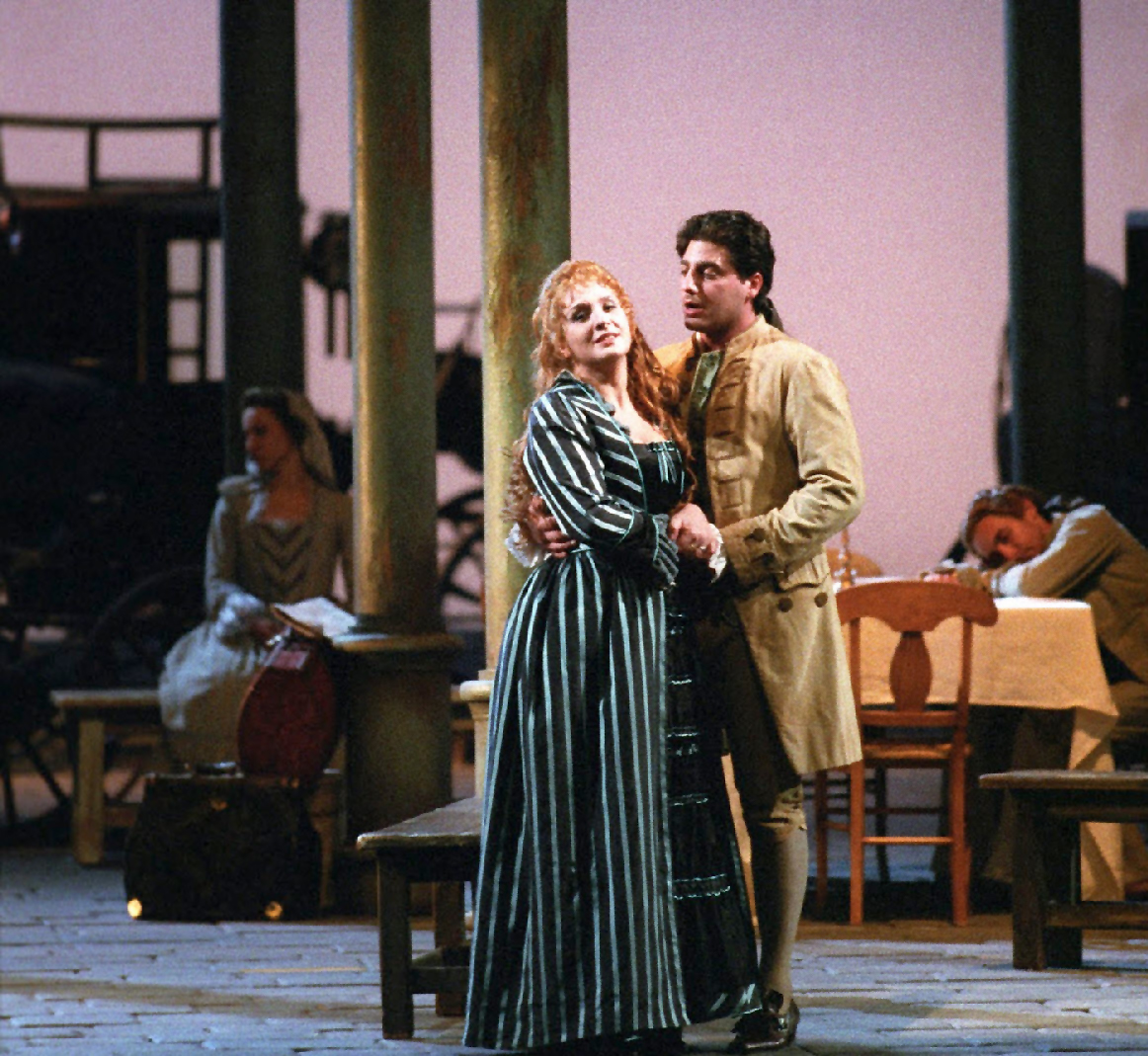
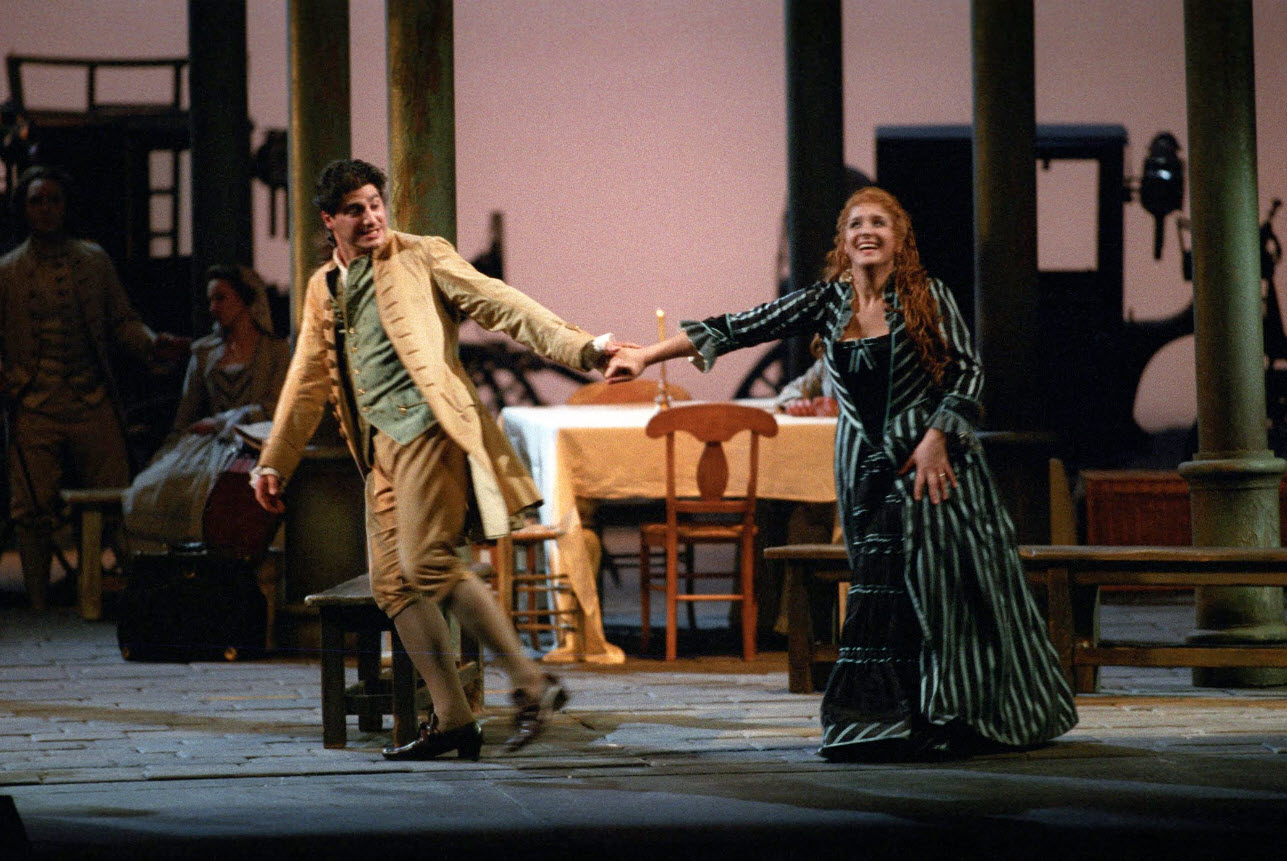
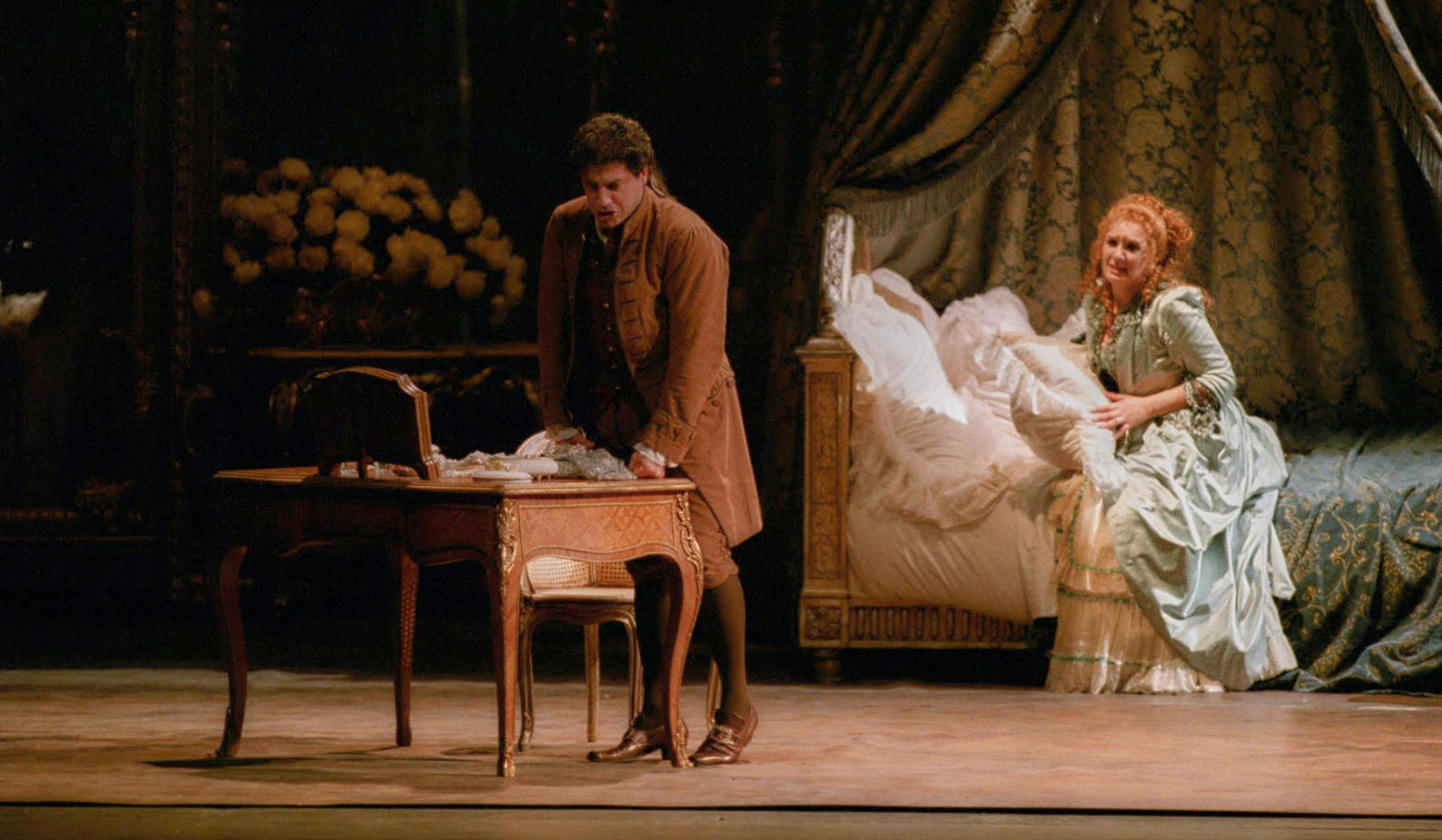
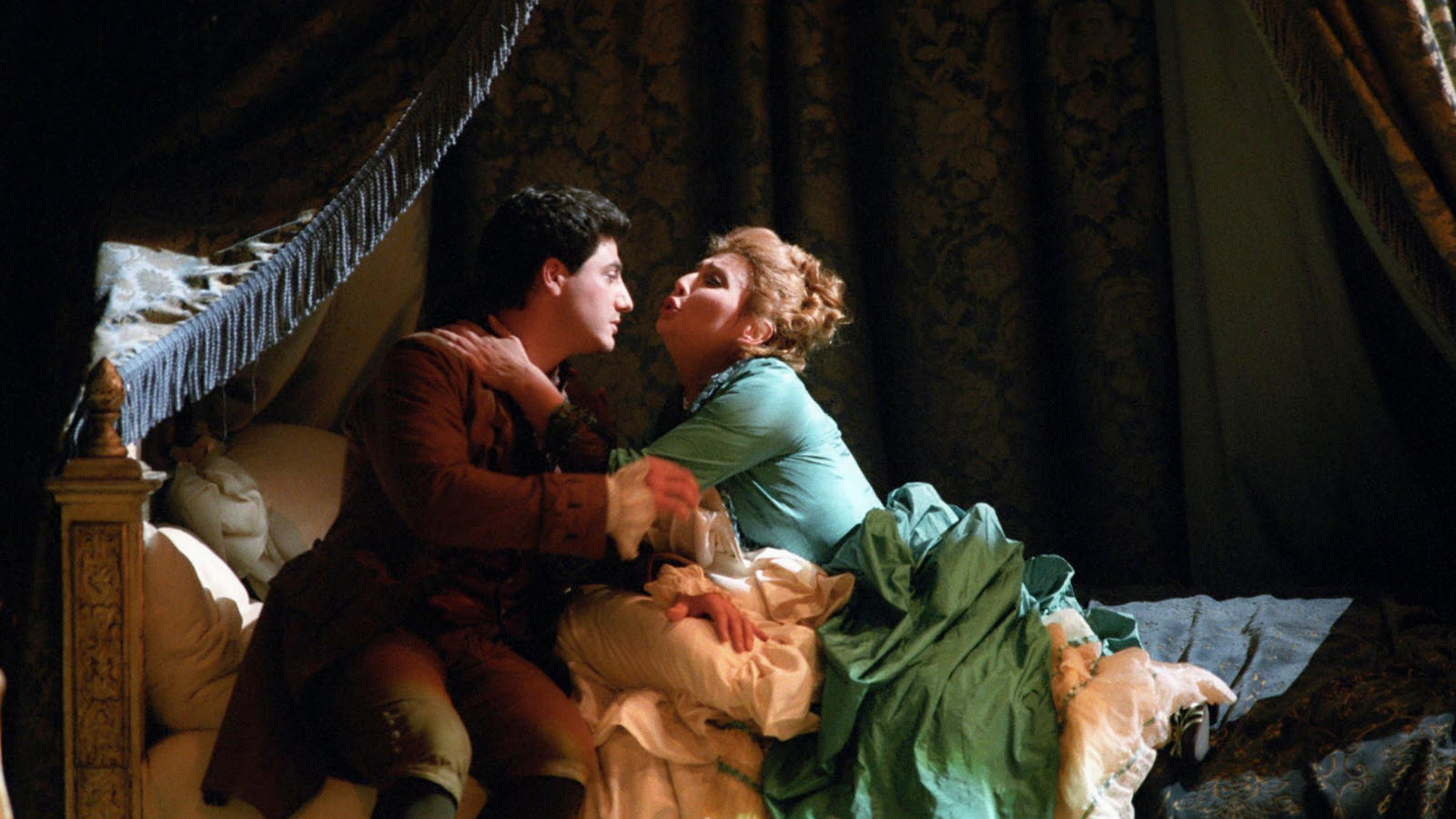
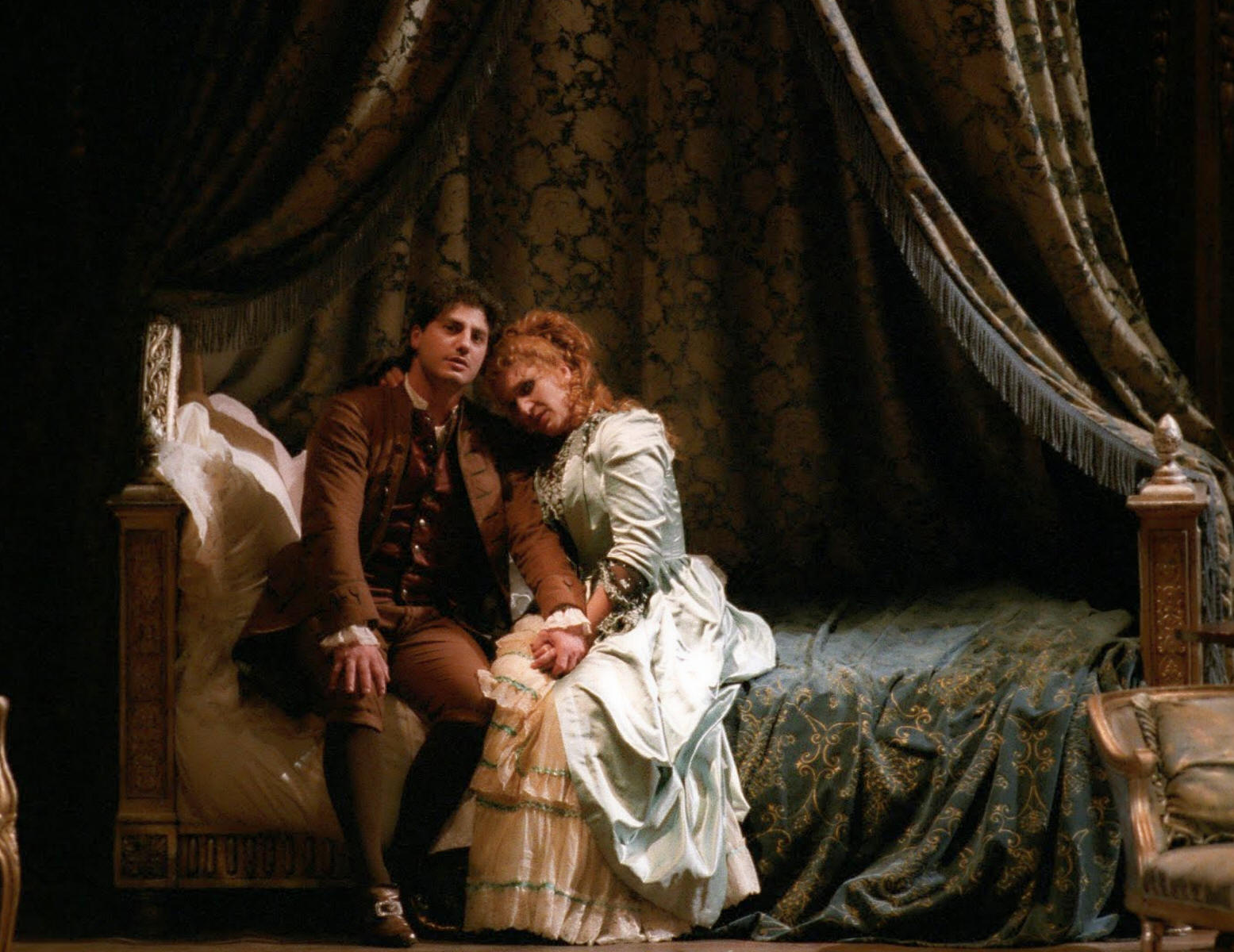
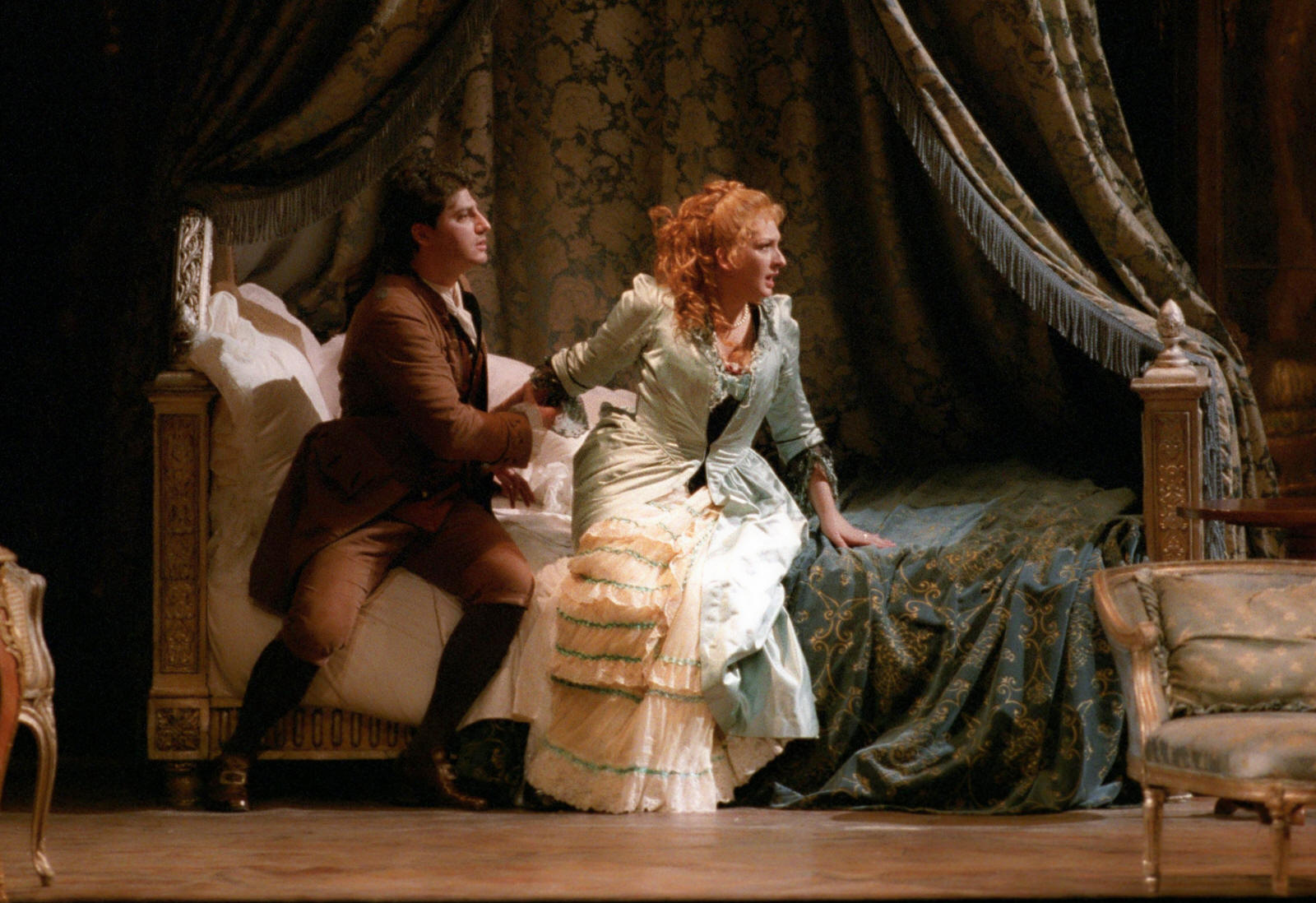
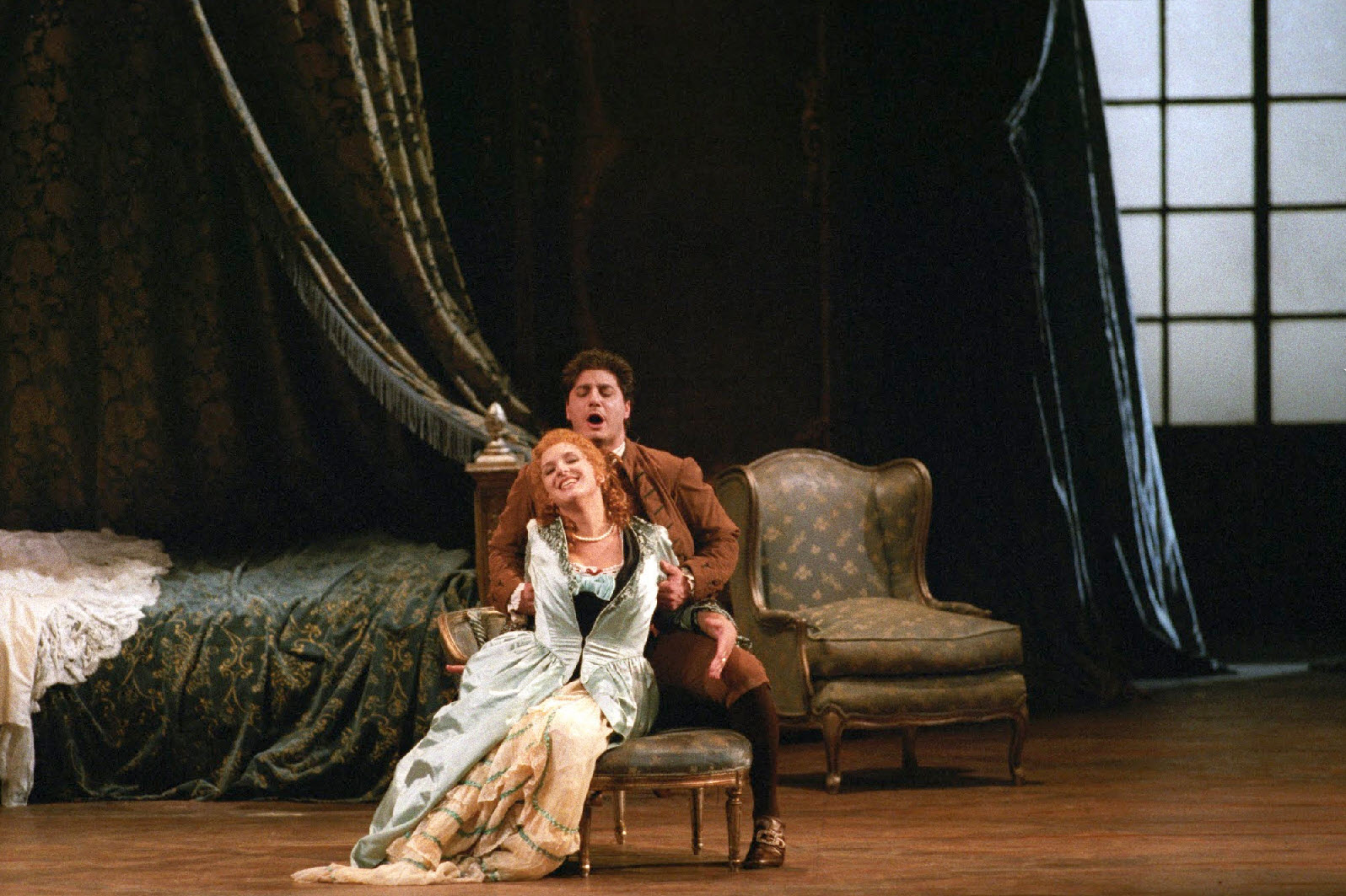
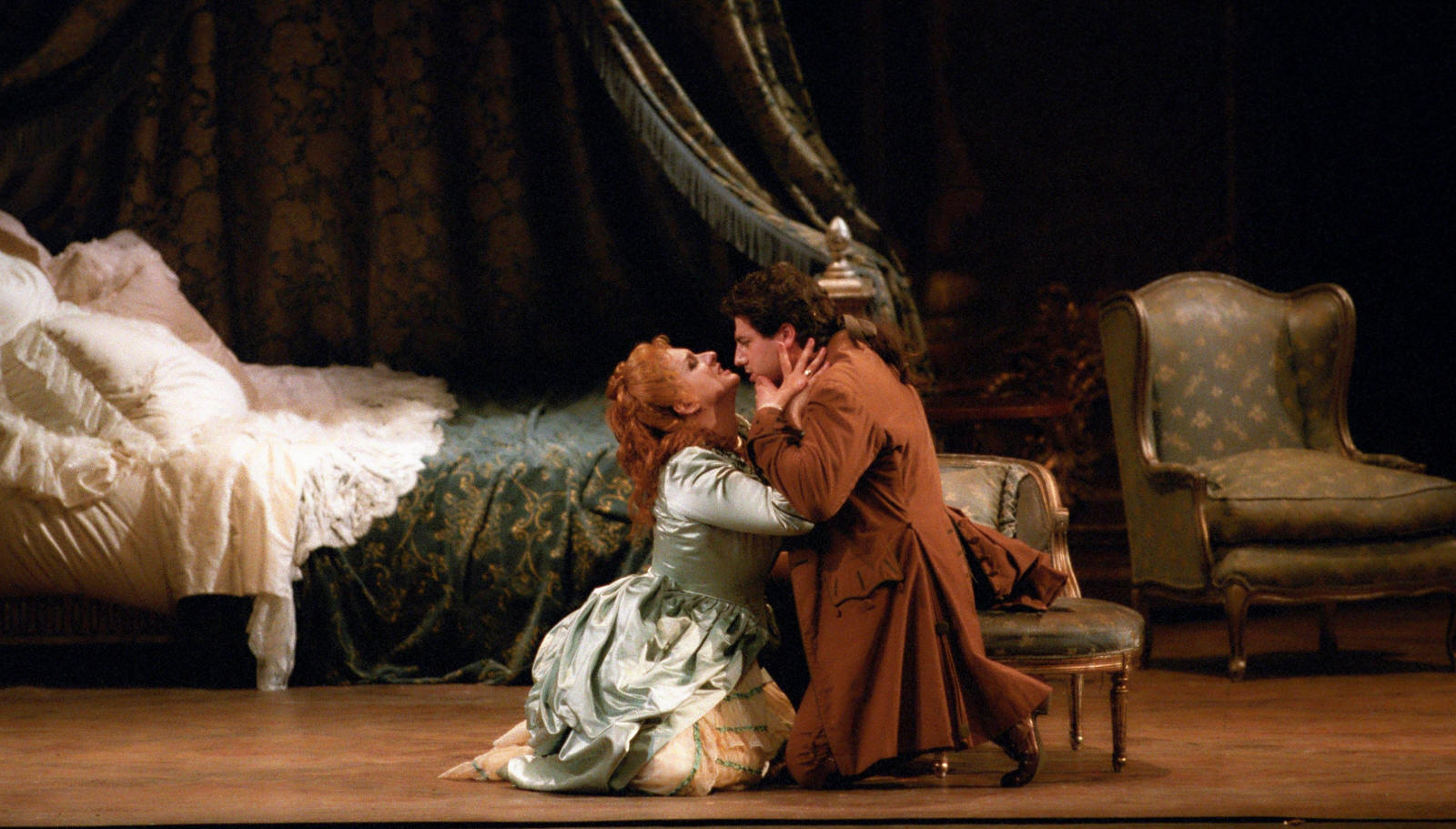
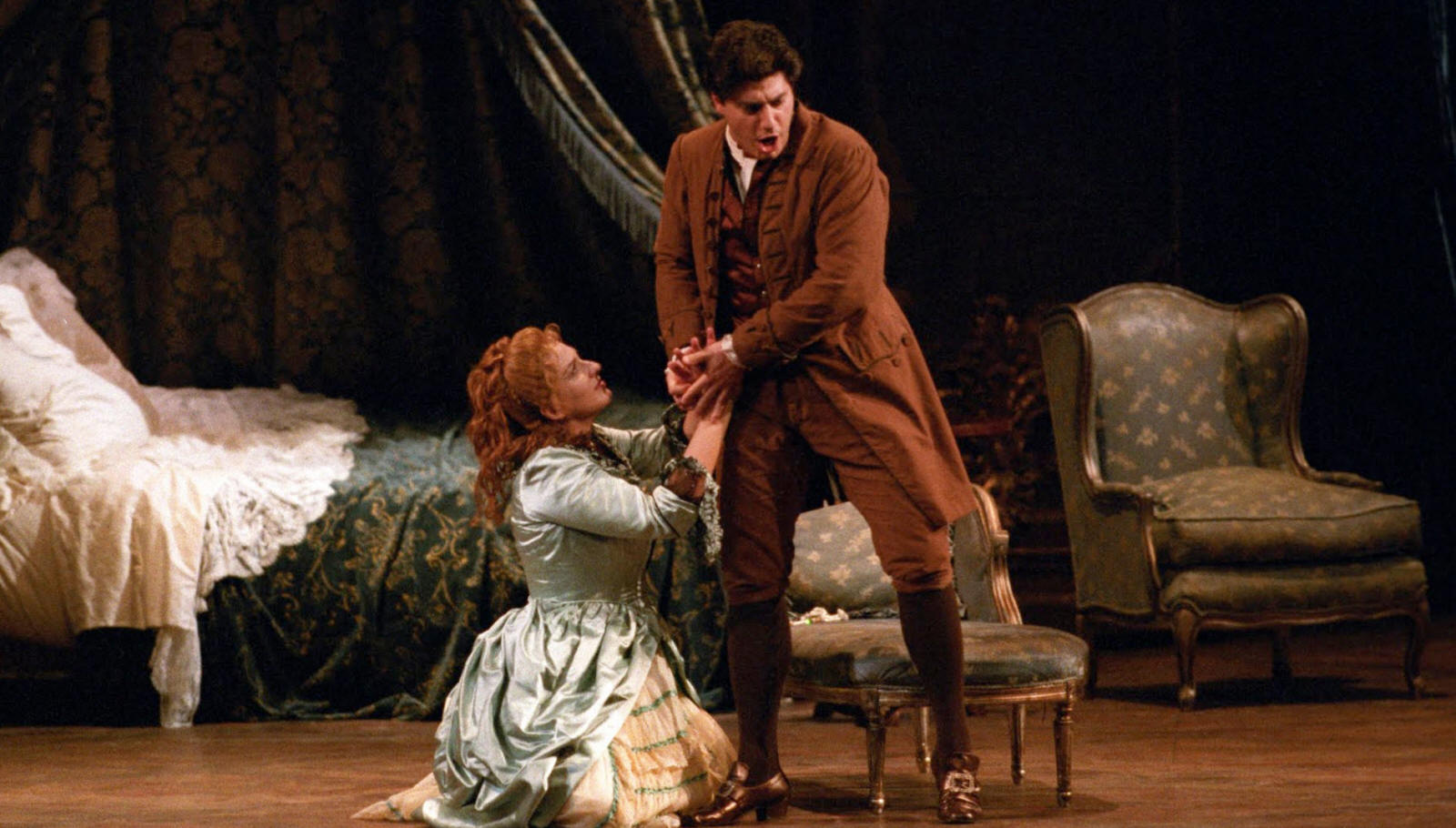
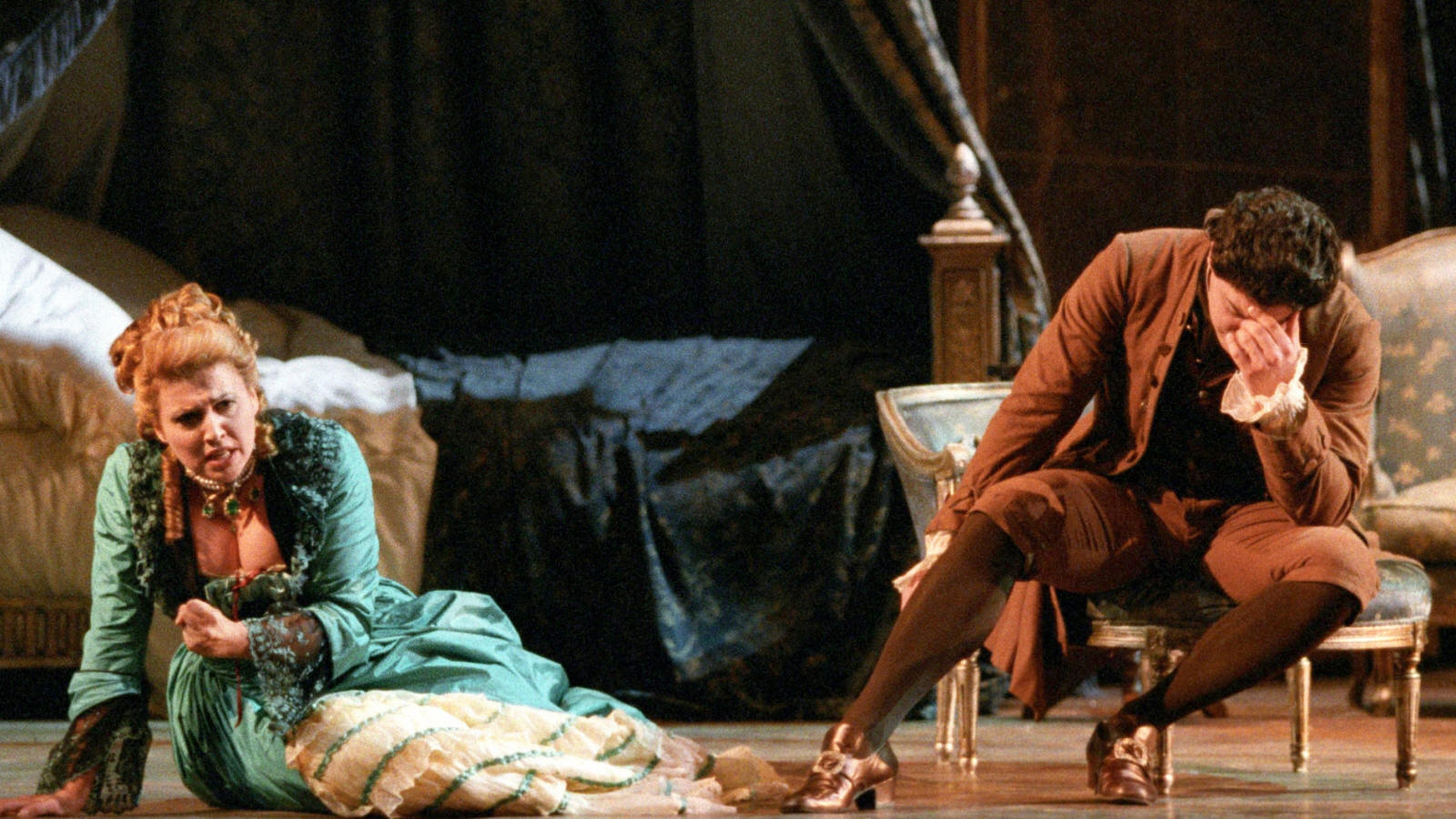
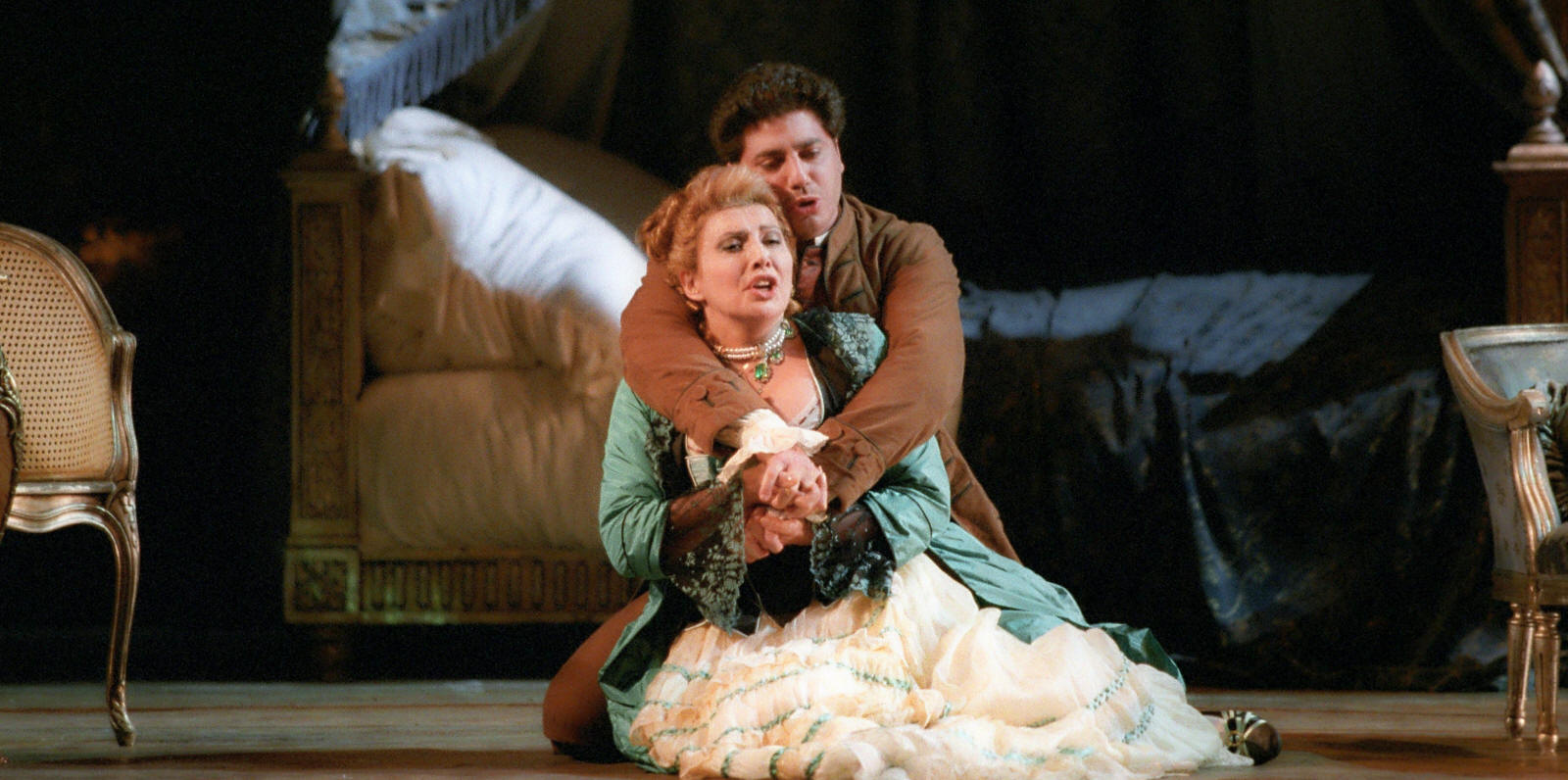
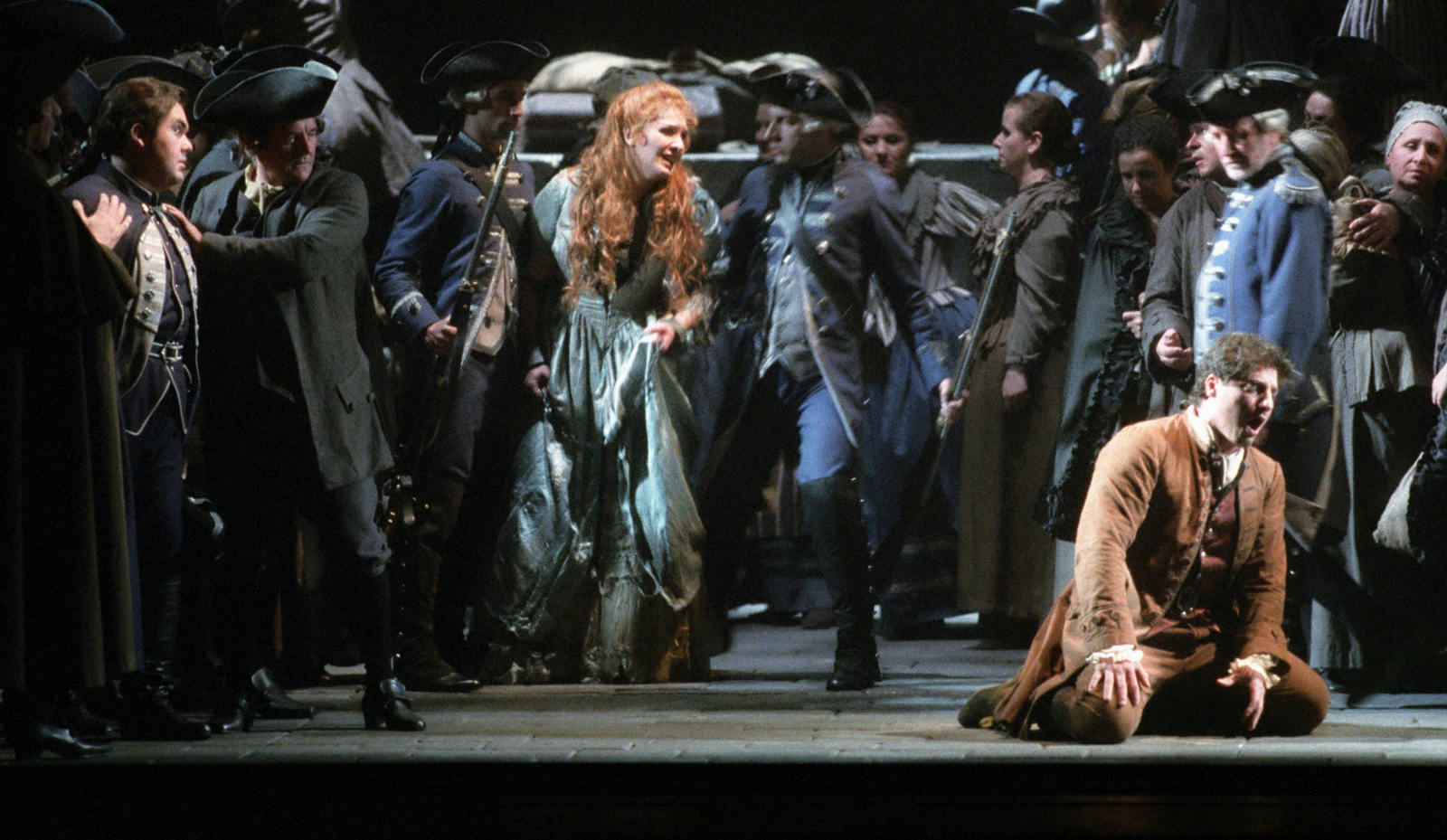
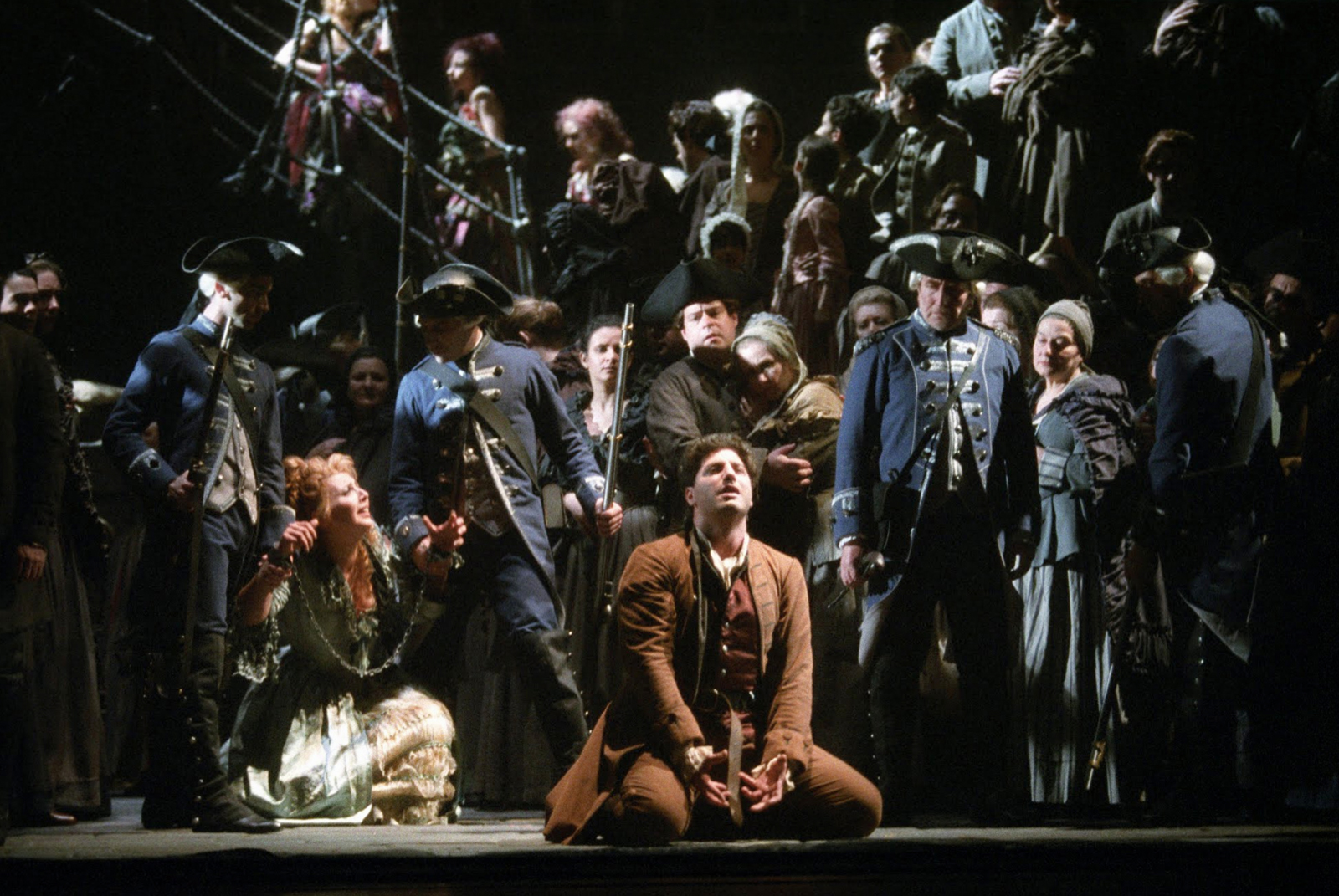
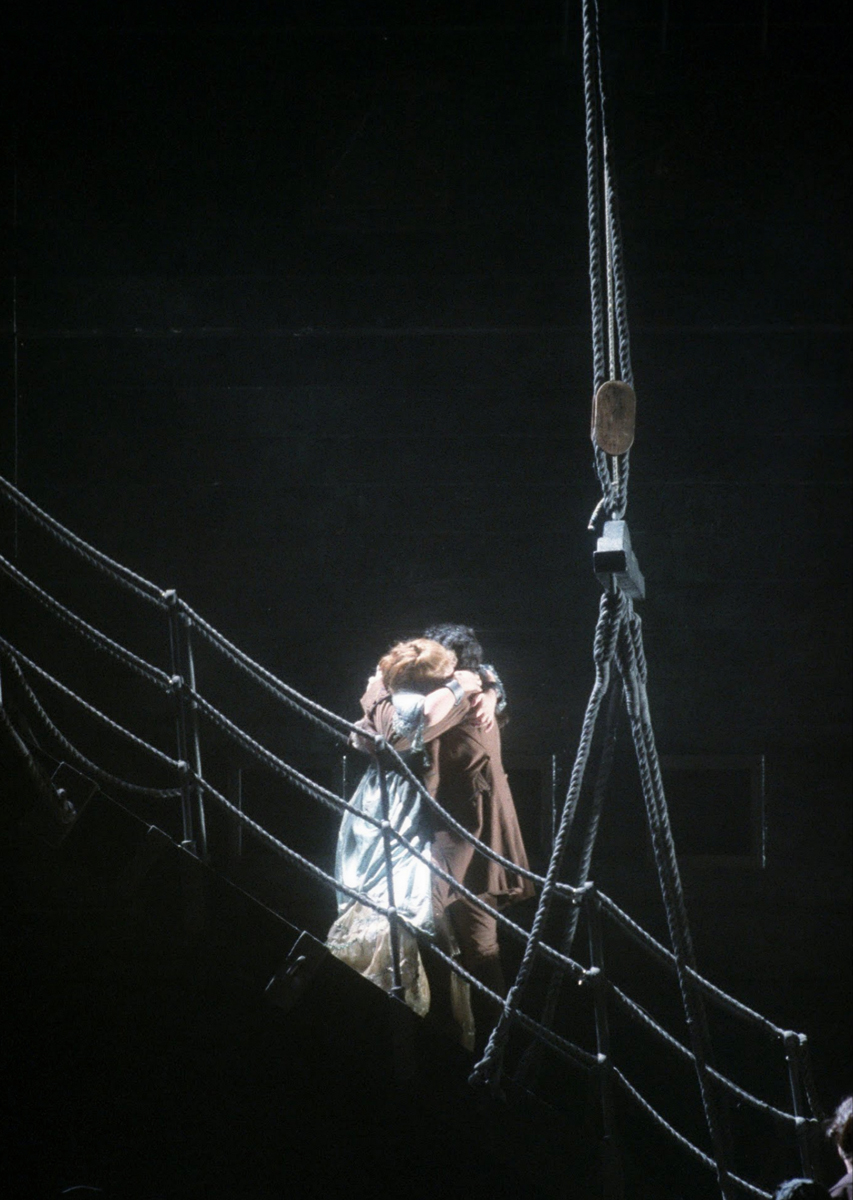
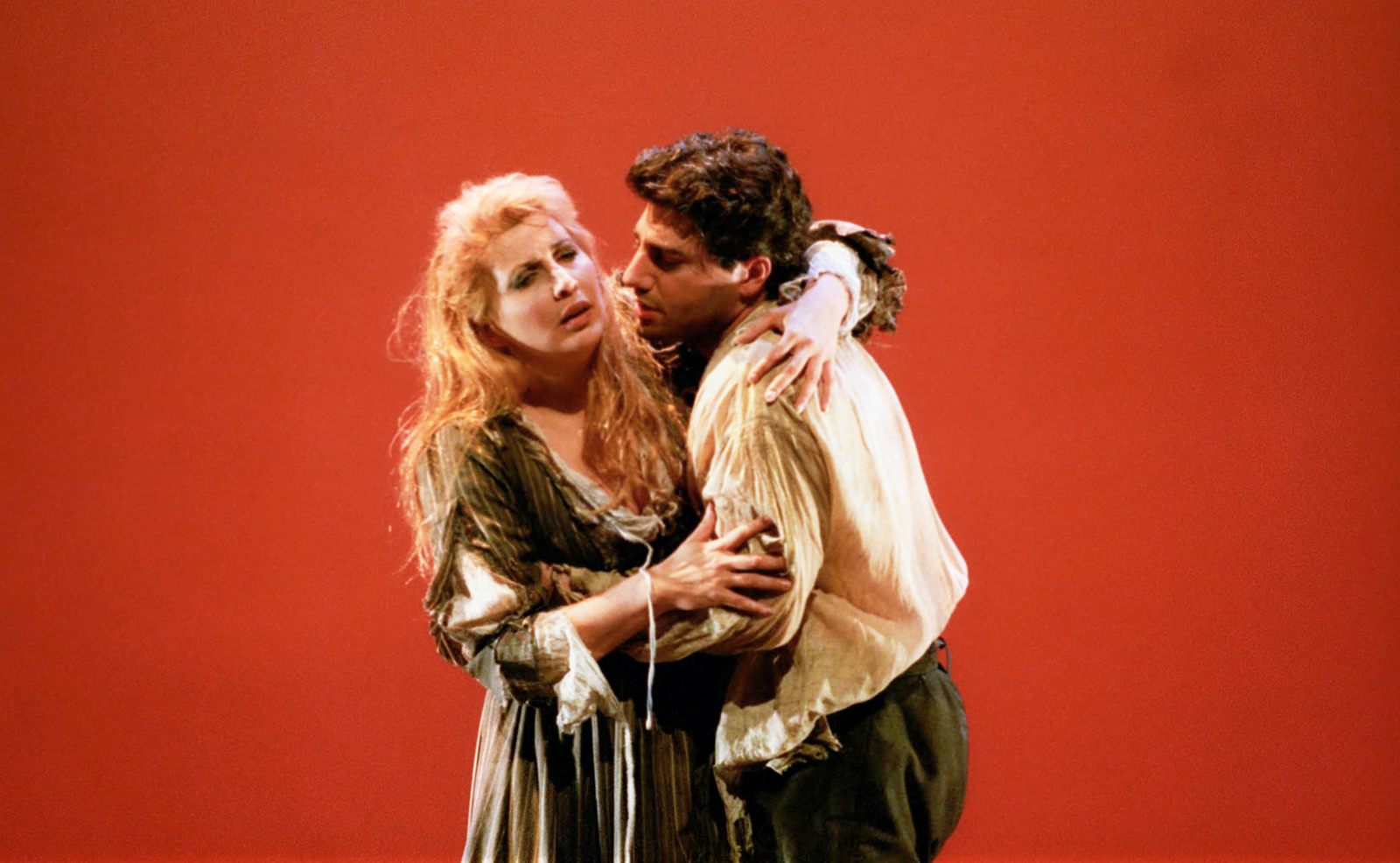
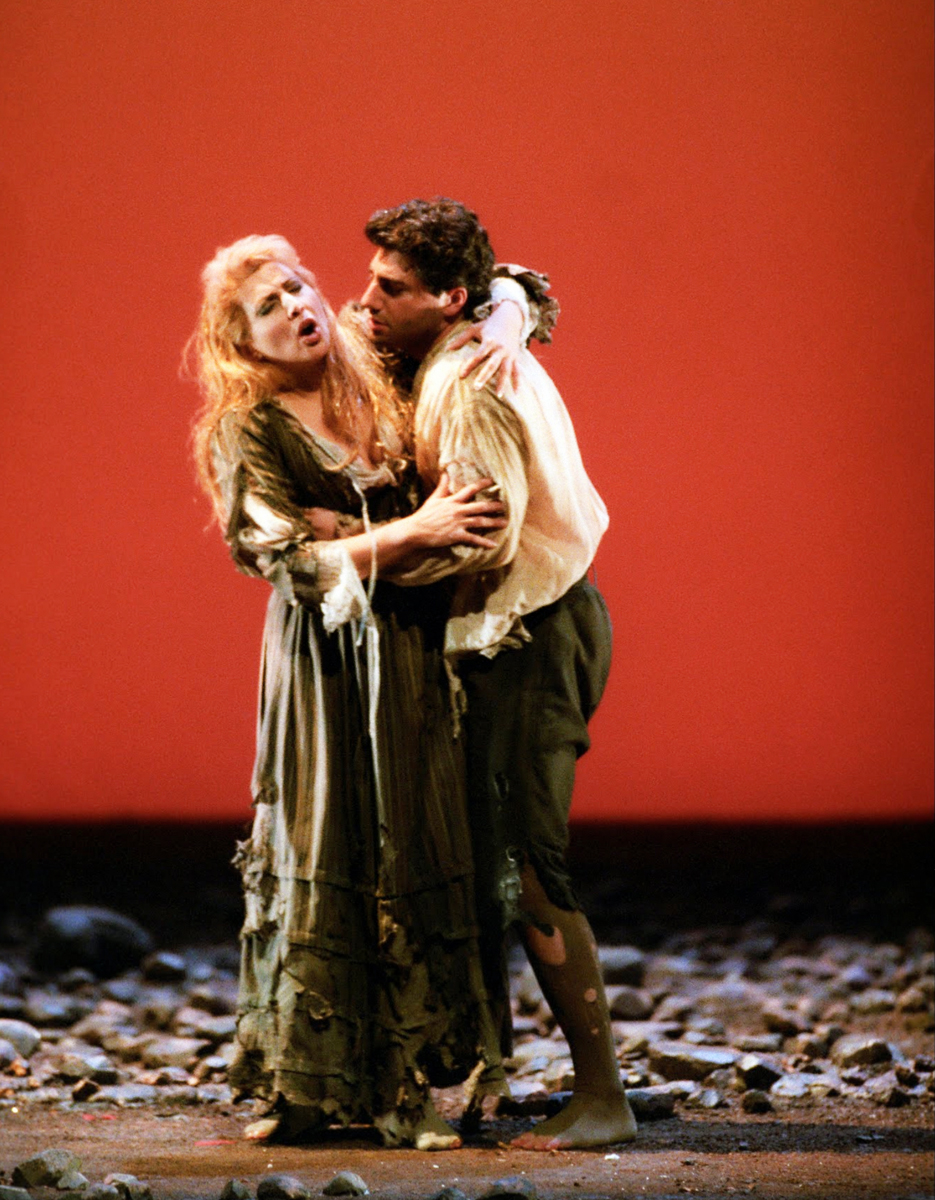
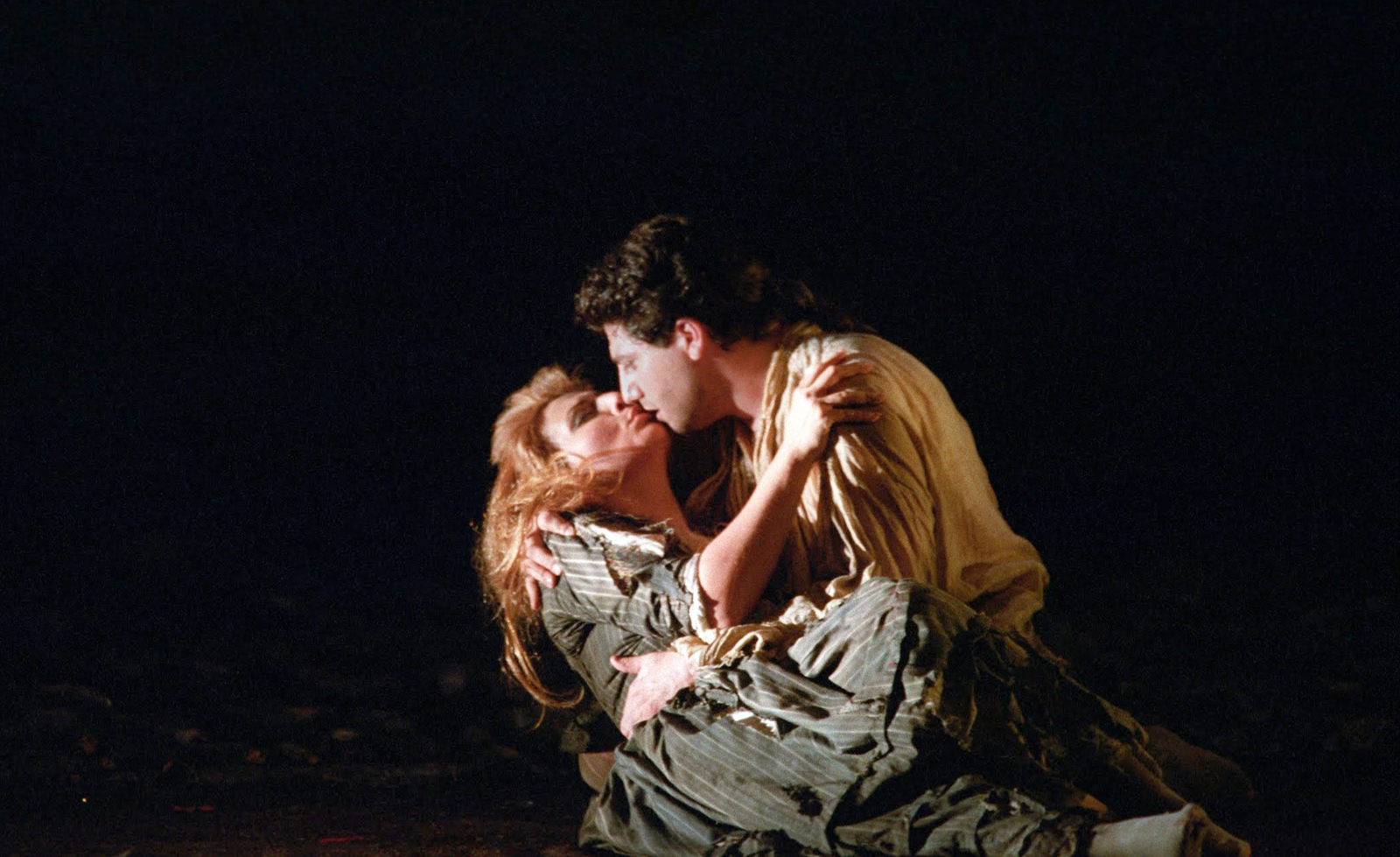
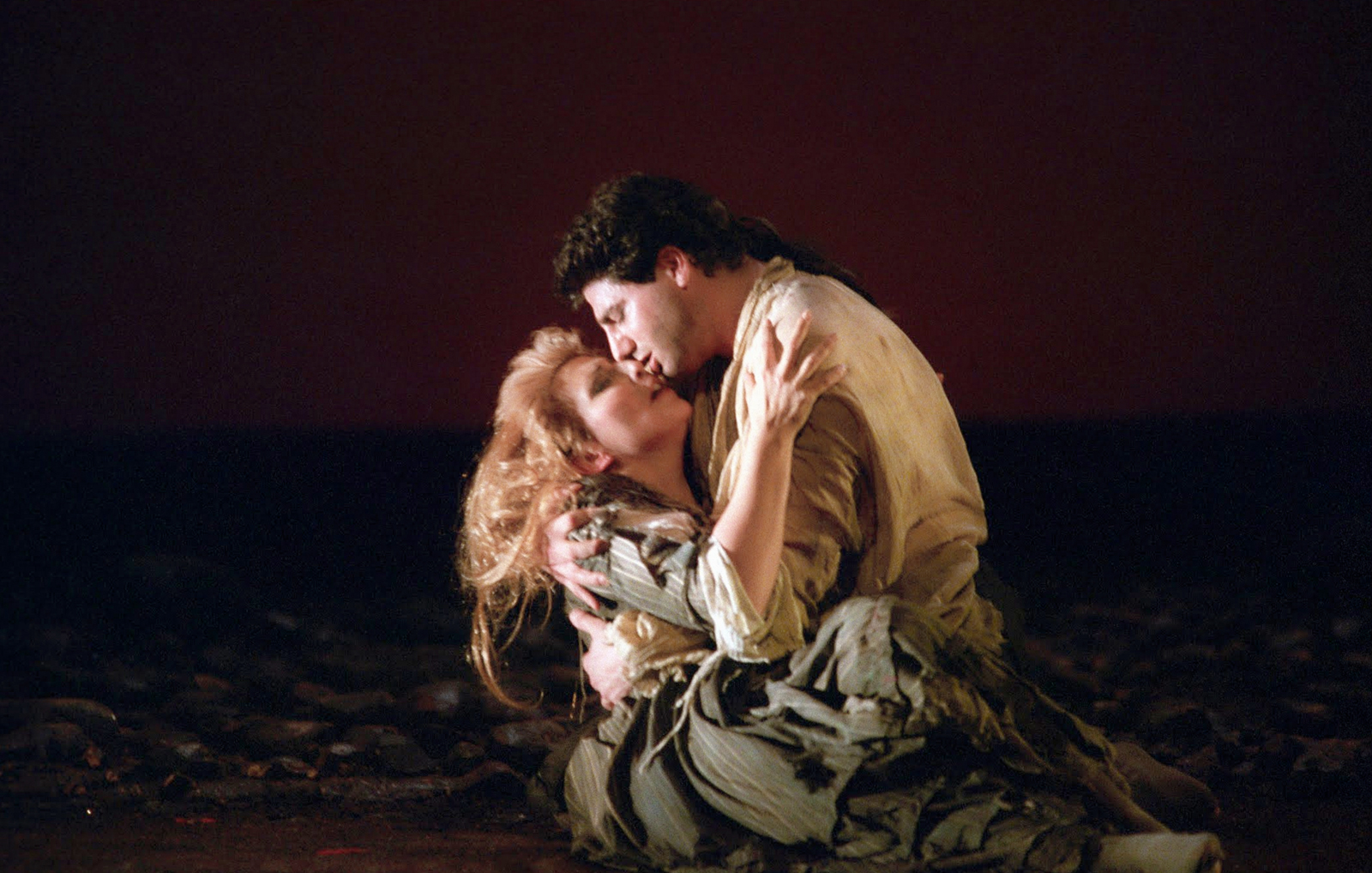
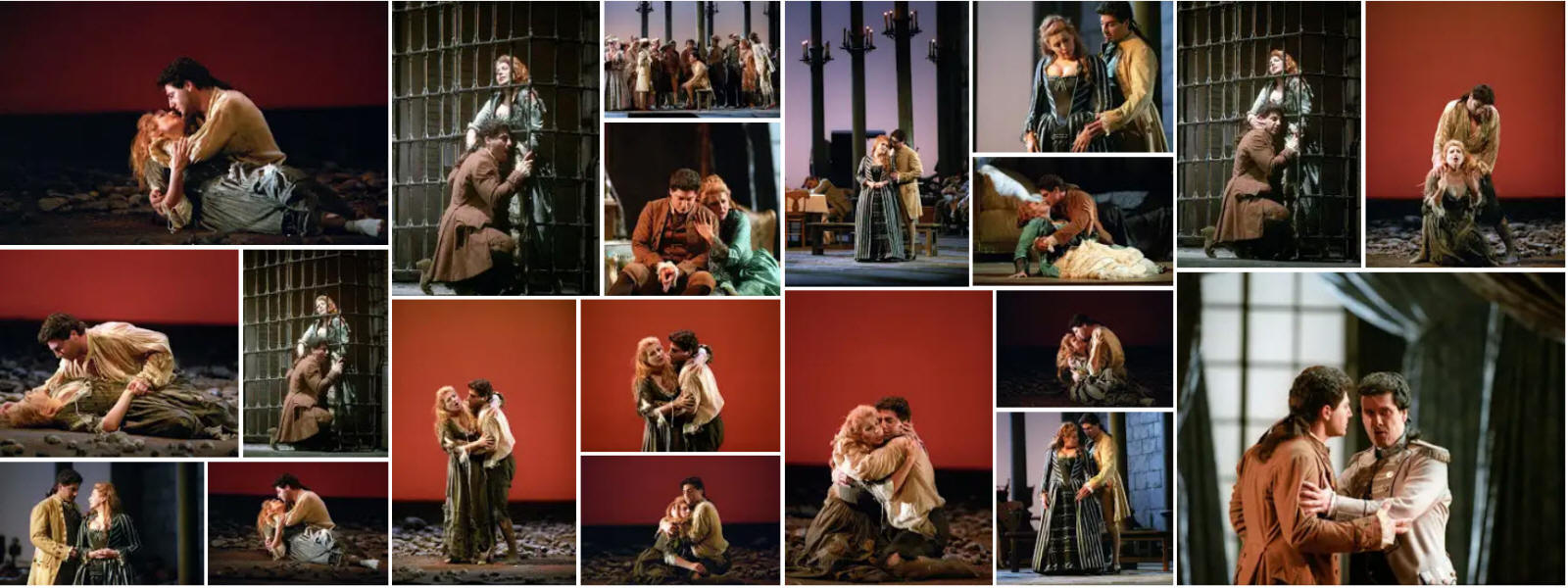
Maria Guleghina is recognized as one of the best dramatic sopranos in the world. She considers the role of Manon Lescaut one of her greatest successes. “It's hard to say what I like more about Manon Lescaut: the vocal part or the dramatic role. The production, conducted by Riccardo Muti at La Scala, with the amazing tenor and soulful actor José Cura as my partner, is one of the best interpretations of this great opera. Although at rehearsals we argued with Muti a lot, the final result pleased us all. The La Scala performance is in the best academic traditions for which the famous theater is famous."
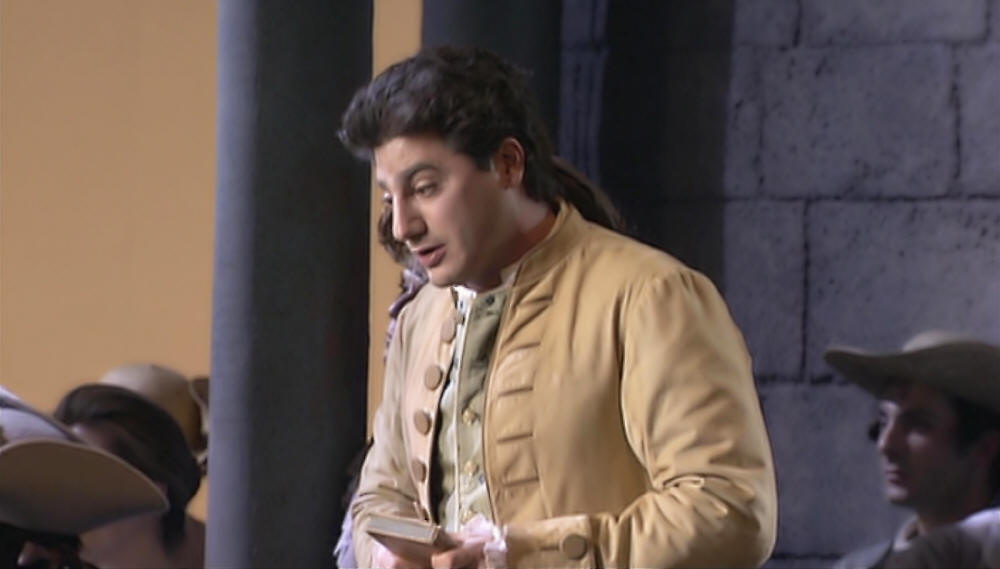
“The part of the Chevalier des Grieux is one of the most difficult in the tenor repertoire,” said José Cura. “It is interesting not only from the vocal requirements but also from the acting point of view. Des Grieux experiences a complex range of feelings, from infatuation and first love to the tragic passion that sweeps away everything in his path. He seeks to possess not only the body, but also the soul, all the feelings of his beloved. In giving everything, he comes to despair that Manon does not feel the same. The role of des Grieux is one of my favorites.” |
 |
|